BrightStar
BlogMes billets
BlogMes billets
Saved events
Aide et contactS'inscrireConnexion
Événements
  • Parcourir tous les Événements
  • Yoga
  • Méditation
  • Breathwork
  • Qi gong
  • Musique sacrée
  • Musiques du monde
  • Musique médecine
  • Soins sonores
  • Danse extatique
  • Cérémonie
  • Médecine des plantes
  • Soin énergétique
  • Satsang et sagesse
  • Tantra
  • Retraites
  • Toutes les catégories →
Destinations
  • Bali
  • Sedona
  • Los Angeles
  • Costa Rica
  • Tulum
  • Byron Bay
  • San Francisco
  • Austin
  • New York
  • San Diego
  • Denver
  • Seattle
  • Portland
  • Miami
  • London
  • Maui
  • Boulder
  • Toutes les villes →
Plateforme
  • Pour les organisateurs
  • Rejoignez le mouvement
  • Sell Globally
  • Pour les créateurs
  • Pour les équipes
  • Pour les écrivains
  • Pour les enseignants
  • Pour les artistes de kirtan
  • Pour les studios
  • Pour les festivals
  • Pour les centres de retraite
  • Pour les associations
  • Ambassadeur de marque
  • Billetterie gratuite
  • Pro
  • Amplify
  • L'écosystème
Fonctionnalités

Billetterie et achat

  • Ticket categories
  • Assigned seating
  • Custom questions
  • Coupon codes
  • Smart pricing
  • Ticket sharing
  • Waitlist
  • Flexible refunds
  • Digital waivers
  • Tip jar
  • Donations and sliding scale
  • Embed widget
  • Mindful checkout
  • Recurring events
  • Private sessions
  • Online courses
  • Summits
  • Rooms and stays
  • Ticket scanner

Marketing et croissance

  • Abandoned cart recovery
  • Visitor recovery
  • Upsells and add-ons
  • Affiliate engine
  • Upsell affiliate network
  • Brand ambassador
  • Meta retargeting
  • Verified buyer network
  • Outbound email marketing
  • Email sequences
  • SMS and WhatsApp
  • Event upsell network
  • Direct mail campaigns
  • SEO engine
  • Syndication
  • Event sharing
  • Custom event pages
  • Artist profiles
  • Link in bio
  • Event blog
  • Blog newsletter

Paiements

  • Payments, powered by Stripe
  • Buy now, pay later
  • Apple Wallet
  • Multi currency

Données et opérations

  • Team access
  • Message center
  • Reports
  • Analytics reporting
  • Performance reporting
  • Customer data
  • Integrations
  • Switch from another platform

IA

  • Assistant
  • AI FAQ assistant
  • Toutes les fonctionnalités →
Entreprise
  • À propos
  • Questions fréquentes
  • Contact
  • Blog
  • Glossaire
  • Guides
  • Inspiration
  • Centre d'aide
  • Documentation API
  • Ressources de marque
  • Presse
  • Conditions d'utilisation
  • Politique de confidentialité

Événements

  • Parcourir tous les Événements
  • Yoga
  • Méditation
  • Breathwork
  • Qi gong
  • Musique sacrée
  • Musiques du monde
  • Musique médecine

Destinations

  • Bali
  • Sedona
  • Los Angeles
  • Costa Rica
  • Tulum
  • Byron Bay
  • San Francisco
  • Austin

Plateforme

  • Pour les organisateurs
  • Rejoignez le mouvement
  • Sell Globally
  • Pour les créateurs
  • Pour les équipes
  • Pour les écrivains
  • Pour les enseignants
  • Pour les artistes de kirtan

Fonctionnalités

  • Réseau communautaire
  • Récupération des paniers abandonnés
  • Catégories de billets
  • Événements récurrents
  • Places assignées
  • Système d'affiliation
  • Liste d'attente / Notifier
  • Toutes les fonctionnalités →

Entreprise

  • À propos
  • Questions fréquentes
  • Contact
  • Blog
  • Glossaire
  • Guides
  • Conditions d'utilisation
  • Politique de confidentialité
Lire la suite

Événements

  • Soins sonores
  • Danse extatique
  • Cérémonie
  • Médecine des plantes
  • Soin énergétique
  • Satsang et sagesse
  • Tantra
  • Retraites
  • Toutes les catégories →

Destinations

  • New York
  • San Diego
  • Denver
  • Seattle
  • Portland
  • Miami
  • London
  • Maui
  • Boulder
  • Toutes les villes →

Plateforme

  • Pour les studios
  • Pour les festivals
  • Pour les centres de retraite
  • Pour les associations
  • Ambassadeur de marque
  • Billetterie gratuite
  • Pro
  • Amplify
  • L'écosystème

Entreprise

  • Inspiration
  • Centre d'aide
  • Documentation API
  • Ressources de marque
  • Presse

Billetterie et achat

  • Ticket categories
  • Assigned seating
  • Custom questions
  • Coupon codes
  • Smart pricing
  • Ticket sharing
  • Waitlist
  • Flexible refunds
  • Digital waivers
  • Tip jar
  • Donations and sliding scale
  • Embed widget
  • Mindful checkout
  • Recurring events
  • Private sessions
  • Online courses
  • Summits
  • Rooms and stays
  • Ticket scanner

Marketing et croissance

  • Abandoned cart recovery
  • Visitor recovery
  • Upsells and add-ons
  • Affiliate engine
  • Upsell affiliate network
  • Brand ambassador
  • Meta retargeting
  • Verified buyer network
  • Outbound email marketing
  • Email sequences
  • SMS and WhatsApp
  • Event upsell network
  • Direct mail campaigns
  • SEO engine
  • Syndication
  • Event sharing
  • Custom event pages
  • Artist profiles
  • Link in bio
  • Event blog
  • Blog newsletter

Paiements

  • Payments, powered by Stripe
  • Buy now, pay later
  • Apple Wallet
  • Multi currency

Données et opérations

  • Team access
  • Message center
  • Reports
  • Analytics reporting
  • Performance reporting
  • Customer data
  • Integrations
  • Switch from another platform

IA

  • Assistant
  • AI FAQ assistant
Téléchargez l'app
Télécharger dans l'App StoreDisponible surGoogle Play
© 2026 BrightStar. Tous droits réservés. BrightStar Selection · Crédits photo · Journal des modifications ·
✨ Le profil de Yuki Kawae est encore à revendiquerRevendiquer le profil
Yuki Kawae
Yuki Kawae

Yuki Kawae

Artist

À propos

Yuki Kawae is a visual artist and Zen practitioner whose work exists at the intersection of traditional Buddhist contemplation and contemporary creative practice. Trained in both Zen meditation and visual arts, Kawae draws from Japanese aesthetic traditions while developing a personal language that reflects the integration of zazen and artistic process.

Kawae's approach is rooted in the lineage of Zen arts—ink painting, calligraphy, and the mindful attention cultivated through years of sitting practice. Rather than treating art and meditation as separate disciplines, Kawae's work embodies the principle that creative expression can itself be a vehicle for awakening. The deliberate pacing of brushwork, the economy of line, and the embrace of impermanence reflect core Zen teachings on presence and non-attachment.

Kawae has built a following through social media platforms where images of ink work, calligraphic practice, and contemplative visual studies appear alongside reflections on Zen practice. The work often features minimalist compositions, natural materials, and the aesthetic principles of wabi-sabi—finding beauty in simplicity and imperfection. This digital presence serves as both archive and practice diary, documenting the ongoing dialogue between formal meditation and creative output.

The biographical details of Kawae's training remain largely private, consistent with the Zen emphasis on direct experience over credential. What is clear is a sustained commitment to both the cushion and the studio, with work that reflects years of disciplined attention. The art does not illustrate Zen concepts so much as emerge from the same ground of awareness that sitting practice cultivates.

Kawae continues to maintain an active practice that integrates daily meditation with visual art-making. The work circulates primarily through online channels, reaching practitioners, artists, and those interested in the overlap between contemplative traditions and creative life. For anyone seeking a contemporary example of how Zen practice can inform and shape artistic work without reducing either to metaphor, Kawae's ongoing practice offers a quiet, sustained demonstration.

ArtistZen PractitionerZen PracticeArtContemplative TraditionsCreative Expression
629K on Instagram

Stories & Insights

All articles
Sacred Geometry in Sand: Zen Art and Meditative Precision
Video

Sacred Geometry in Sand: Zen Art and Meditative Precision

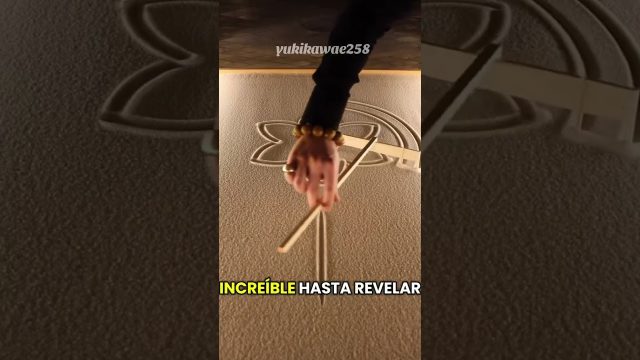
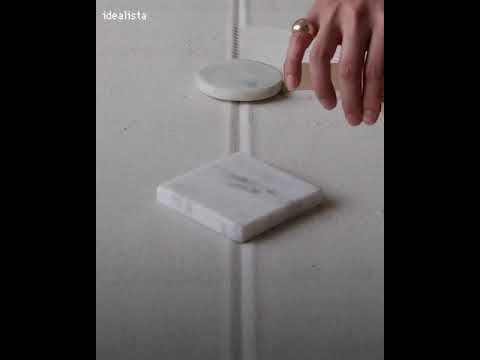
Watch how a wooden rake transforms sand into perfect geometric patterns through meditative precision and flowing harmony. A 37-second explor…

Watch →
Zen Gardens Design: Yuki Kawae's Viral Aesthetic Philosophy
Video

Zen Gardens Design: Yuki Kawae's Viral Aesthetic Philosophy

Yuki Kawae explores the design principles behind viral zen gardens, revealing how minimalist aesthetics and intentional space create meditat…

Watch →
Zen Garden Raking: Karesansui Art for Calm and Meditation
Video

Zen Garden Raking: Karesansui Art for Calm and Meditation

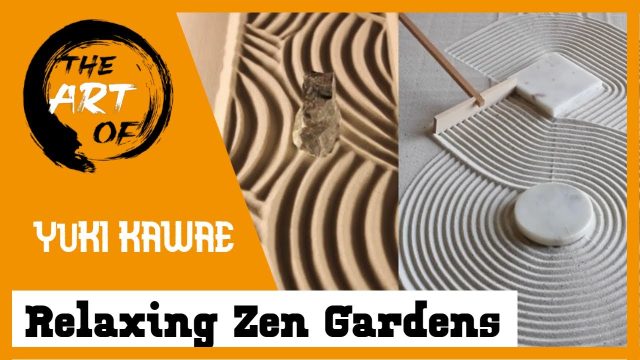
Explore how Yuki Kawae's karesansui (rock garden) raking practice creates meditative calm through intricate sand patterns and repetitive, in…

Watch →
Tout voirStories & Insights→

Connect

Instagram629K followers

About Yuki Kawae

  • For Beginners

    Where to Start with Yuki Kawae: A Beginner's Guide

    3 min read

  • Biography

    Who Is Yuki Kawae? Life, Work, and Legacy

    4 min read

FAQ

Questions

Yuki Kawae is an artist and Zen practitioner whose work emerges at the intersection of creative expression and contemplative tradition—a relatively rare positioning in contemporary art discourse, where the two domains often remain siloed. What draws attention to Kawae's practice is the deliberate refusal to treat art and Zen as separate endeavors; instead, the work itself becomes a vehicle for exploring how creative discipline and meditative insight inform one another. Through their Instagram presence and studio practice, Kawae demonstrates how the constraints and directness of Zen aesthetics—emptiness, restraint, presence—can shape artistic output in ways that feel urgent rather than nostalgic. The work appeals to practitioners seeking art that doesn't merely illustrate spiritual concepts but instead embodies them through form, material, and process. For artists and teachers navigating contemplative traditions in secular contexts, Kawae's integration of both domains offers a model that avoids both religious kitsch and hollow formalism.

Yuki Kawae's practice is rooted in Zen contemplative tradition, though the specific lineage and formal training background are not extensively documented in public sources. What is clear from the work itself is an engagement with core Zen principles—the emphasis on direct experience over conceptual understanding, the value of simplicity and emptiness as aesthetic and philosophical guides, and the notion that creative practice itself can be a form of spiritual inquiry. The name Yuki suggests Japanese cultural grounding, which aligns with the Zen lineage, though the contemporary practice extends beyond traditional monastery settings into studio-based creative work. Rather than positioning themselves within a named sect or teacher lineage, Kawae's approach appears rooted in Zen's fundamental concern with presence and the dissolution of the boundary between maker and made. This reflects a wider contemporary shift in how artists engage contemplative traditions—not as closed religious systems but as living methodologies for artistic and personal inquiry.

The most accessible entry point for newcomers is through Yuki Kawae's Instagram presence, where the practice unfolds publicly and in real time across both finished works and studio documentation. Instagram serves as a kind of open studio journal here—viewers encounter work-in-progress alongside completed pieces, which means the barrier to entry is low and the learning curve gentle; you can develop an intuitive understanding of Kawae's aesthetic and concerns simply by following the feed over weeks. This platform-based approach is particularly valuable because it sidesteps the need for art-world credentials or prior knowledge of contemporary art discourse; the work communicates through image, material, and repetition rather than through didactic artist statements. For those seeking deeper context about how Zen practice specifically informs the creative work, approaching it through the lens of contemplative aesthetics—understanding terms like *ma* (emptiness) and *wabi-sabi* (beauty in incompleteness)—enriches viewing, though it is not prerequisite. Starting here allows newcomers to form their own relationship with the work before investing in secondary analysis or formal study.

What distinguishes Kawae in a crowded field of spiritually-inflected contemporary art is the refusal to collapse Zen practice into *content* for the artwork—a trap many spiritually-motivated artists fall into when they treat meditation or Buddhist philosophy as subject matter rather than method. Kawae's work inverts this relationship; the Zen practice appears to inform the *how* of making—the decision about mark-making, silence, scale, material—rather than what the work represents or symbolizes. This methodological distinction means the art doesn't need to narrate enlightenment or feature explicit spiritual imagery; instead, the aesthetic choices themselves carry the contemplative inquiry. In a contemporary landscape saturated with wellness-adjacent spirituality and Instagram-friendly mandala-inspired abstraction, Kawae's commitment to actual Zen restraint—knowing when *not* to make something, respecting emptiness as an active principle rather than a negative space—reads as austere and uncommon. The work also resists the therapeutic framing that often accompanies contemplative art, where healing or transformation becomes the promised outcome; instead, it models practice as open-ended inquiry without guaranteed payoff.

Kawae's practice will not resonate with viewers seeking art that delivers explicit spiritual comfort or narrative clarity about meaning and transformation. If you approach art expecting it to uplift, inspire, or confirm pre-existing beliefs about meditation or personal growth, the restraint and opacity of this work may read as withholding rather than generous. Similarly, audiences oriented toward decorative spirituality—art that functions as attractive background or wellness aesthetics—will likely find the work too austere and uncompromising; there is no softness here, no pastel palette or affirmational energy, because that would violate the Zen commitment to directness and emptiness. The work also demands a certain comfort with ambiguity; those preferring art with clear interpretive frameworks or explanatory apparatus will struggle, since Kawae's approach typically eschews didactic context or artist statements that explain intention. Additionally, viewers looking for diversity of output—prolific releases, genre-hopping, collaborations across mediums—should understand that Zen practice prioritizes depth and repetition over novelty and range; Kawae's creative output follows contemplative rhythm rather than market pace.

For Kawae, Zen practice and artistic creation are not sequential—meditation does not produce art as a downstream output, but rather both emerge from the same fundamental commitment to presence and direct perception. The Zen principle of *mushin* (no-mind), the state of acting without conceptual interference, appears structurally embedded in how work gets made; decisions about form, material, and composition likely arise from a quality of attention cultivated through sitting practice rather than through preliminary planning or conceptual brainstorming. This integration means that the studio itself becomes a contemplative space, and the making process mirrors the discipline and stillness of meditation—both require showing up repeatedly, observing without judgment, and allowing insights to emerge rather than imposing them. What distinguishes this from merely *inspired-by* spirituality is that the practice informs the work at the level of method and consciousness, not just at the thematic surface. Over time, regular viewers of Kawae's practice begin to notice this methodology reflected in the work's pace, sparseness, and resistance to excess—qualities that feel like restraint learned from years of sitting, breathing, and attending to what is.

Rather than treating art and Zen practice as distinct domains that occasionally influence each other, Kawae appears to understand them as parallel inquiries into the same fundamental questions: How do we perceive? How do we create meaning? What happens when we strip away unnecessary elements? This simultaneity is visible in how the work avoids the false choice between making formally rigorous art and practicing authentic spirituality—a binary that haunts much contemporary practice. In traditional Zen communities, calligraphy and ink painting have always been recognized as legitimate contemplative practices, not ancillary to *real* meditation; Kawae's contemporary approach extends this lineage into studio-based creative work, suggesting that artistic rigor and spiritual depth reinforce rather than compete with each other. The integration also protects the work from what might be called *spiritual tokenism*, where an artist gestures toward meditative states without doing the patient, unglamorous work of actually cultivating them. By holding both disciplines with equal seriousness, Kawae models a contemporary practice where artists can be genuine practitioners, and practitioners can make work that doesn't need to justify itself through therapeutic or inspirational outcomes.

Currently, Yuki Kawae's primary platform for sharing work and updates is Instagram, where followers can access studio documentation, finished pieces, and a window into the ongoing creative and contemplative practice. This platform functions as both archive and announcement mechanism, so regular checking in provides the most direct line to learning about any upcoming projects, exhibitions, or collaborations. Given the emphasis on Zen practice and the integration of artistic work with contemplative discipline, it is worth noting that Kawae's pace of output and public engagement likely differs from mainstream artists; updates may be infrequent and tied to genuine completion of work rather than algorithmic or market pressures. For those seeking formal contact information, upcoming retreat participation, or inquiries about commissions or exhibitions, any such channels would typically be indicated through the Instagram bio or pinned information. The lack of a dedicated website or centralized directory reflects a broader aesthetic choice consistent with Zen simplicity—the work speaks for itself, and the practice unfolds in real time without elaborate marketing infrastructure. Patience and regular attention to the Instagram feed remain the most reliable way to stay connected to Kawae's evolving practice.

At present, there is limited documentation of major press coverage or formal critical recognition in the database, which is worth noting honestly rather than inferring recognition that doesn't exist. This may reflect the relatively recent emergence of Kawae's work into broader visibility, or it may simply indicate that the artist operates outside traditional art-world publicity channels in a way consistent with Zen aesthetics—building audience through quality of work and word-of-mouth rather than through aggressive press campaigns. In contemplative and artistic circles, recognition often accrues differently than in mainstream media; peer respect and the attention of serious practitioners may matter more than magazine features. That said, an artist or practitioner working at this level of integrity—integrating genuine spiritual practice with rigorous art-making—typically develops a devoted following among those attuned to such work, even without institutional validation. For readers seeking more comprehensive documentation of Kawae's critical reception or exhibition history, direct communication through Instagram or any official channels would provide more current information than relying on older press archives.

Without access to detailed documentation of specific works, what is visible through Instagram and public presence suggests an aesthetic rooted in Zen principles of simplicity, emptiness, and restraint—the opposite of visual maximalism or decorative abundance. The work appears to privilege clarity of line, precision of gesture, and the presence of *ma* (negative space) as an active compositional element rather than absence. Material choices likely reflect considered minimalism; there is no sense of excess or unnecessary ornamentation, and the focus remains on essential form and direct perception. The visual language resists trend-driven contemporaneity or stylistic novelty-seeking, instead building depth through repetition and subtle variation—a methodology entirely consistent with Zen practice, which values mastery through sustained attention to fundamental forms. For viewers accustomed to visually loud or densely layered contemporary art, Kawae's work may initially read as spare or even austere, which is precisely the point; the restraint is not limitation but clarity, and the emptiness invites active looking rather than passive consumption.

Kindred Spirits

Sabrina Jordan

Sabrina Jordan

445K listeners
Gemma Gambee Lewis

Gemma Gambee Lewis

556 listeners
Melanie Beckler

Melanie Beckler

553 listeners
Jade Zaroff

Jade Zaroff

Many Ways to See the Sun

Many Ways to See the Sun

146 listeners
Lubiana

Lubiana

60 listeners
Allyson Grey

Allyson Grey

Lorelai I. Dali

Lorelai I. Dali

242 listeners

C’est vous ? Revendiquer cette page ›

There's more where this came from.

BrightStar is the global directory of artists, teachers, and healers in the wellness and spiritual movement. Find your next experience — or add yourself.

Discover More Artists

Browse 14,000+ curated profiles across kirtan, yoga, meditation, and beyond.

Explore directory →

Find an Event Near You

Kirtan, retreats, sound baths, breathwork, ceremonies — happening this week.

Browse events →

Add Your Profile

Are you an artist, teacher, or healer? Get listed — free, AI-assisted, live in minutes.

Get started →