BrightStar
BlogMis entradas
BlogMis entradas
Saved events
Ayuda y contactoRegistrarseIniciar sesión
Eventos
  • Ver Todos los Eventos
  • Yoga
  • Meditación
  • Respiración consciente
  • Qigong
  • Música sagrada
  • Música del mundo
  • Música medicina
  • Sanación con sonido
  • Danza extática
  • Ceremonia
  • Plantas medicinales
  • Sanación energética
  • Satsang y sabiduría
  • Tantra
  • Retiros
  • Todas las Categorías →
Destinos
  • Bali
  • Sedona
  • Los Angeles
  • Costa Rica
  • Tulum
  • Byron Bay
  • San Francisco
  • Austin
  • New York
  • San Diego
  • Denver
  • Seattle
  • Portland
  • Miami
  • London
  • Maui
  • Boulder
  • Todas las Ciudades →
Plataforma
  • Para organizadores
  • Únete al movimiento
  • Sell Globally
  • Para Creadores
  • Para equipos
  • Para Escritores
  • Para Maestros
  • Para Artistas de Kirtan
  • Para Estudios
  • Para Festivales
  • Para Centros de Retiros
  • Para Organizaciones Sin Fines de Lucro
  • Embajador de Marca
  • Entradas sin costo
  • Pro
  • Amplify
  • El ecosistema
Características

Venta de entradas y pago

  • Ticket categories
  • Assigned seating
  • Custom questions
  • Coupon codes
  • Smart pricing
  • Ticket sharing
  • Waitlist
  • Flexible refunds
  • Digital waivers
  • Tip jar
  • Donations and sliding scale
  • Embed widget
  • Mindful checkout
  • Recurring events
  • Private sessions
  • Online courses
  • Summits
  • Rooms and stays
  • Ticket scanner

Marketing y crecimiento

  • Abandoned cart recovery
  • Visitor recovery
  • Upsells and add-ons
  • Affiliate engine
  • Upsell affiliate network
  • Brand ambassador
  • Meta retargeting
  • Verified buyer network
  • Outbound email marketing
  • Email sequences
  • SMS and WhatsApp
  • Event upsell network
  • Direct mail campaigns
  • SEO engine
  • Syndication
  • Event sharing
  • Custom event pages
  • Artist profiles
  • Link in bio
  • Event blog
  • Blog newsletter

Pagos

  • Payments, powered by Stripe
  • Buy now, pay later
  • Apple Wallet
  • Multi currency

Datos y operaciones

  • Team access
  • Message center
  • Reports
  • Analytics reporting
  • Performance reporting
  • Customer data
  • Integrations
  • Switch from another platform

IA

  • Assistant
  • AI FAQ assistant
  • Todas las Características →
Empresa
  • Acerca de
  • Preguntas frecuentes
  • Contacto
  • Blog
  • Glosario
  • Guides
  • Inspiración
  • Centro de Ayuda
  • Documentación API
  • Recursos de Marca
  • Prensa
  • Términos de Servicio
  • Política de Privacidad

Eventos

  • Ver Todos los Eventos
  • Yoga
  • Meditación
  • Respiración consciente
  • Qigong
  • Música sagrada
  • Música del mundo
  • Música medicina

Destinos

  • Bali
  • Sedona
  • Los Angeles
  • Costa Rica
  • Tulum
  • Byron Bay
  • San Francisco
  • Austin

Plataforma

  • Para organizadores
  • Únete al movimiento
  • Sell Globally
  • Para Creadores
  • Para equipos
  • Para Escritores
  • Para Maestros
  • Para Artistas de Kirtan

Características

  • Red de la comunidad
  • Recuperación de Carritos
  • Categorías de Entradas
  • Eventos Recurrentes
  • Asientos Asignados
  • Motor de Afiliados
  • Lista de Espera / Notificar
  • Todas las Características →

Empresa

  • Acerca de
  • Preguntas frecuentes
  • Contacto
  • Blog
  • Glosario
  • Guides
  • Términos de Servicio
  • Política de Privacidad
Leer más

Eventos

  • Sanación con sonido
  • Danza extática
  • Ceremonia
  • Plantas medicinales
  • Sanación energética
  • Satsang y sabiduría
  • Tantra
  • Retiros
  • Todas las Categorías →

Destinos

  • New York
  • San Diego
  • Denver
  • Seattle
  • Portland
  • Miami
  • London
  • Maui
  • Boulder
  • Todas las Ciudades →

Plataforma

  • Para Estudios
  • Para Festivales
  • Para Centros de Retiros
  • Para Organizaciones Sin Fines de Lucro
  • Embajador de Marca
  • Entradas sin costo
  • Pro
  • Amplify
  • El ecosistema

Empresa

  • Inspiración
  • Centro de Ayuda
  • Documentación API
  • Recursos de Marca
  • Prensa

Venta de entradas y pago

  • Ticket categories
  • Assigned seating
  • Custom questions
  • Coupon codes
  • Smart pricing
  • Ticket sharing
  • Waitlist
  • Flexible refunds
  • Digital waivers
  • Tip jar
  • Donations and sliding scale
  • Embed widget
  • Mindful checkout
  • Recurring events
  • Private sessions
  • Online courses
  • Summits
  • Rooms and stays
  • Ticket scanner

Marketing y crecimiento

  • Abandoned cart recovery
  • Visitor recovery
  • Upsells and add-ons
  • Affiliate engine
  • Upsell affiliate network
  • Brand ambassador
  • Meta retargeting
  • Verified buyer network
  • Outbound email marketing
  • Email sequences
  • SMS and WhatsApp
  • Event upsell network
  • Direct mail campaigns
  • SEO engine
  • Syndication
  • Event sharing
  • Custom event pages
  • Artist profiles
  • Link in bio
  • Event blog
  • Blog newsletter

Pagos

  • Payments, powered by Stripe
  • Buy now, pay later
  • Apple Wallet
  • Multi currency

Datos y operaciones

  • Team access
  • Message center
  • Reports
  • Analytics reporting
  • Performance reporting
  • Customer data
  • Integrations
  • Switch from another platform

IA

  • Assistant
  • AI FAQ assistant
Descarga la app
Descárgalo en elApp StoreDisponible enGoogle Play
© 2026 BrightStar. Todos los derechos reservados. BrightStar Selection · Créditos fotográficos · Registro de cambios ·
Inspiration

First Water Contact: How Your Shower Start Affects Wellness

Sadhguru
Sadhguru
Jun 12, 2025
8 min de lectura

De Sadhguru

The way you begin your shower—specifically the temperature and location of the first water contact on your body—directly influences your nervous system response and overall wellbeing. Sadhguru presents a yogic perspective on bathing that challenges the common assumption that you should start with the head, revealing instead that initiating water contact on cooler parts of your body or at a measured temperature sets the foundation for a more balanced physical and energetic experience.

Leer · 9 secciones

Why the First Splash of Water Matters More Than You Think

Most people begin their shower or bath without conscious thought about where the water first touches their body. The typical pattern—immediately splashing water on the face or head—is treated as neutral, a simple mechanical action with no real consequence. Sadhguru challenges this assumption, explaining that the moment water first contacts your body initiates a cascade of physiological responses that extend far beyond comfort or temperature preference.

From a yogic perspective, the body is not merely a collection of muscles and organs but a sophisticated system of energy channels and sensory receptors that respond to stimuli in measurable ways. The first contact point matters because it sets the tone for your entire bathing experience and, by extension, affects your nervous system activation patterns. If you begin with a sudden cold splash to the head or face, you trigger an acute stress response—a sympathetic nervous system activation that contracts blood vessels and raises your heart rate. If you start with warm water in the wrong sequence, you may disrupt the body's natural temperature regulation process.

What Happens When You Start at the Head?

The head is the most sensitive part of the body when it comes to temperature and sensory input. It contains the highest concentration of nerve endings and is the seat of your sensory organs—eyes, ears, nose. Splashing water directly on the head first creates an immediate sensory overwhelm, especially if the temperature is not carefully calibrated. This is why many people gasp or feel a jolt when cold water hits their face first thing in the morning.

Additionally, the head contains subtle energy channels that yogic sciences have mapped for thousands of years. In the yogic system, abrupt activation or shock to these channels through sudden temperature or sensory stimuli can disrupt the flow of prana (life force) through your body. Rather than beginning your day in a state of ease and balance, you begin in a state of mild stress, which accumulates over time if repeated daily.

The Yogic Approach: Where to Start Instead

Rather than beginning with the head, the yogic approach to bathing suggests starting water contact at cooler or less sensitive parts of your body—typically the feet, legs, or lower torso. This allows your nervous system to acclimate gradually to the temperature and stimulation, rather than shocking the most sensitive sensory center (the head) first. By introducing water to your body in this sequence, you allow your body's thermoregulation systems to activate naturally and progressively.

Starting from the lower body and gradually moving upward also follows the natural flow of energy in your body according to yogic anatomy. The energy that resides in the lower chakras (energy centers) can then be gradually awakened and moved upward through your body in an organized way, rather than being disrupted by a jarring stimulus at the crown.

Temperature Considerations in Conscious Bathing

Beyond the location of first contact, the temperature of water itself plays a critical role. The yogic sciences recommend that water should not be extremely hot or extremely cold, but rather tepid or gently warm—close to your body temperature. This allows for what is called "samata," or equilibrium in the body. When water temperature is extreme in either direction, it creates unnecessary stress on your system.

If you do use cold water for invigoration (a practice that has merit in certain yoga traditions), it should be introduced gradually and mindfully, not as a shock. Some yogic practitioners deliberately use cold water exposure for specific health benefits—improved circulation, nervous system resilience, and energetic activation—but this is done with awareness and preparation, not as an unconscious daily habit.

The Connection Between Bathing Ritual and Daily Wellbeing

In many ancient cultures, bathing was not treated as a purely hygienic necessity but as a ritual that set the quality of your entire day. Your morning shower or bath is often the first conscious act you perform after waking. How you perform this act—with awareness or on autopilot—ripples through your day. If you begin your day by shocking your system with water, you may be programming your nervous system to stay in a heightened, reactive state throughout the morning.

Conversely, if you begin your bathing practice with intention, starting at the appropriate part of your body and with appropriate temperature, you signal to your system that the day ahead is to be met with calm, presence, and balance. This is not superstition—it is a practical application of how your nervous system learns and responds to repeated patterns.

Practical Steps for a Conscious Bathing Practice

If you wish to apply this yogic principle to your daily bathing:

  • Start with the feet or lower legs. Let water first contact these cooler, less sensitive areas of your body. Spend a few moments allowing your body to register and adjust to the water temperature.
  • Gradually move upward. Work your way up from the legs to the torso, then to the arms and shoulders, leaving the head and face for last.
  • Use warm, not extreme water. Aim for water that is close to your body temperature rather than scalding hot or ice cold, unless you have a specific reason for temperature contrast and are practicing it with awareness.
  • Bring consciousness to the experience. Rather than rushing through your shower on autopilot, use it as an opportunity to notice how your body responds to the water. Feel the temperature, the sensation, the transition as you move from one part of your body to another.
  • If you finish with cool water, do it intentionally. Some people finish with a brief cool water rinse on the body (not the head) to invigorate circulation. If you choose this, do it with awareness and preparation, not as a shock.

Why Modern Bathing Habits Often Miss This Principle

In contemporary life, bathing has become a hurried, automatic act. Most people have not been taught to view their shower or bath as anything more than a way to get clean before heading out the door. The mindfulness and deliberation that characterized bathing rituals in earlier times have largely disappeared. As a result, many people begin each day with an unconscious stress activation—the cold shock of water on the face—without ever realizing they are doing so.

This daily micro-stress, repeated over months and years, can contribute to a general state of nervous system dysregulation. You may find yourself habitually reactive, easily startled, or perpetually in a low-level fight-or-flight response. One source of this could be as simple as how you begin your day in the shower.

The Yogic Understanding of the Body's Subtle Systems

Traditional yogic science operates from the understanding that the physical body and the energetic body are interconnected. Every physical stimulus—including temperature, touch, and sensory input—affects your energetic system. The head, being the seat of the highest chakras (particularly the ajna or third-eye center and the sahasrara or crown center), is especially sensitive to stimulation. Shocking these centers with sudden sensory input can disrupt subtle energy flows that affect your mood, clarity, and sense of ease throughout the day.

This is not mysticism detached from physiology—it correlates directly with what modern neuroscience understands about the vagus nerve, sensory gating, and nervous system regulation. The vagus nerve, which runs from your brain throughout your body, is exquisitely sensitive to temperature and sensory input. How you stimulate it in the morning affects its tone and responsiveness for the rest of the day.

Where to Go From Here

If you are interested in optimizing your daily wellbeing through conscious practice, begin with something as simple as your bathing routine. Notice how you currently start your shower or bath. Do you immediately splash water on your face? Do you jump into hot or cold water without preparation? Over the next week, experiment with the yogic approach: start at your feet, work gradually upward, and use water that is warm rather than extreme. Observe whether this shifts your experience of your morning or your sense of ease throughout the day.

Bathing is an opportunity to practice mindfulness and to work with your nervous system in a deliberate way. It is also one of the simplest ways to apply yogic principles to your daily life—no special equipment, no extra time required, just a shift in awareness and sequence. The deeper understanding here is that how you do anything is how you do everything. If you can bring consciousness and care to your shower, you are training your mind and body to bring the same qualities to every other act throughout your day.

Comentarios

Cargando la conversación…

El artista de esta historia

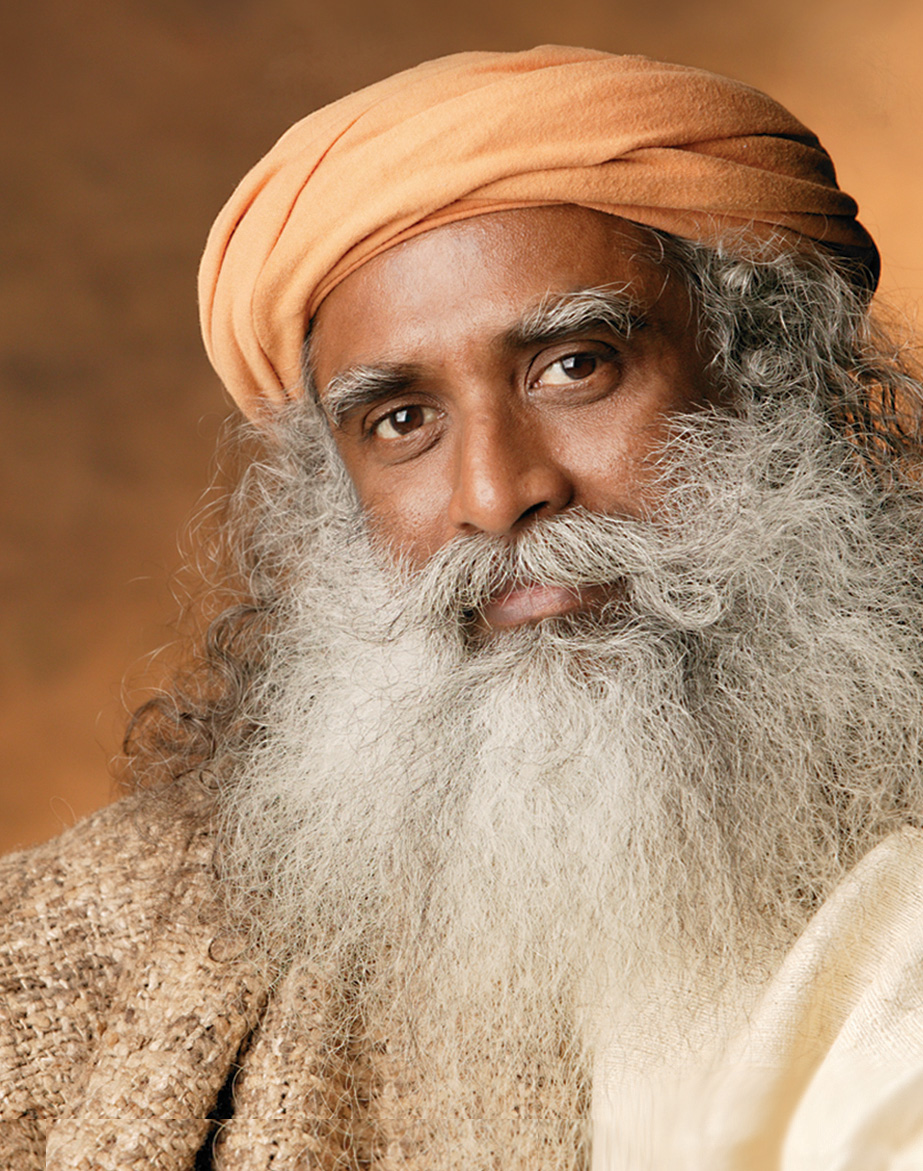
Sadhguru

Sadhguru

Teacher

A modern mystic and spiritual leader who founded the Isha Foundation, blending ancient yogic wisdom with contemporary life to foster inner transformation and environmental sustainability globally.

Ver perfil
Explorar temas
Bathing ritualNervous systemYogic practiceDaily wellnessBody awareness
Preguntas Frecuentes

Preguntas Frecuentes

Splashing cold water directly on your face triggers an acute stress response in your nervous system, activating the sympathetic fight-or-flight response. Since the head contains the highest concentration of nerve endings and sensory organs, shocking it with water initiates an unnecessary jolt that can leave you in a heightened, reactive state. Starting with cooler parts of your body first allows your nervous system to acclimate gradually.

According to yogic principles, you should start by introducing water to your feet and lower legs first, then gradually move upward to the torso, arms, and shoulders, leaving the head and face for last. This sequence allows your nervous system to adjust progressively and follows the natural flow of energy through your body, preventing disruption to the most sensitive sensory centers.

Yes—extreme temperatures in either direction create unnecessary stress on your system. Yogic teachings recommend water that is tepid or gently warm, close to your body temperature, to maintain equilibrium (samata) in the body. While cold water exposure has specific benefits when practiced intentionally, using extreme temperatures unconsciously daily can contribute to nervous system dysregulation.

Your morning shower or bath is often your first conscious act after waking and sets the tone for how your nervous system will respond throughout the day. If you shock your body with cold water or abrupt sensory stimuli, you program your system to remain reactive. Conversely, conscious, gradual bathing helps signal to your body that the day ahead should be met with calm and balance.

Both—it bridges yogic science and modern neuroscience. The practice directly affects your vagus nerve, which controls your parasympathetic and sympathetic nervous system. The way you introduce sensory stimuli to your body influences your baseline nervous system tone, affecting mood, reactivity, and sense of ease, regardless of your spiritual orientation.

Yes, as long as the water temperature is not extreme. Warm water close to your body temperature is recommended, but you can use comfortably hot water if you prefer. The key is introducing the water gradually to your body starting from the feet upward, rather than shocking your head and face with sudden heat or cold.

Cold water exposure can have legitimate health benefits for circulation and nervous system resilience, but it should be practiced intentionally and with preparation, not as an unconscious daily shock. If you choose cold water, introduce it gradually after warming your body first, start with lower body areas, and avoid shocking the head initially.

También te puede gustar

Ver Todo
Mind as Vehicle: Are You Driving Consciously?
Inspire

Mind as Vehicle: Are You Driving Consciously?

Explore how the mind functions like a vehicle requiring skilled operation. Learn why unconscious mental habits create suffering and how awar…

9 min read
Sleep Hours and Spiritual Practice: What Yogis Actually Need
Inspire

Sleep Hours and Spiritual Practice: What Yogis Actually Need

Sadhguru reveals his personal sleep patterns and explains why the typical 8-hour prescription doesn't apply to those with disciplined yogic …

8 min read
Medicine Buddha Practice: Feeling Beneath the Thinking
Inspire

Medicine Buddha Practice: Feeling Beneath the Thinking

Lama Rod Owens opens a Monday-night Medicine Buddha session six years into the practice, teaching how to feel an experience instead of think…

10 min read
Improvising Mantra: How Friday Night Songs Keep Changing
Inspire

Improvising Mantra: How Friday Night Songs Keep Changing

A violinist's daughter who never plays a song the same way twice explains why her Friday night chants keep changing. Here's what improvisati…

9 min read
Ver todoTambién te puede gustar→

Continúa tu camino

Más sabiduría y encuentros de todo el directorio de BrightStar.

Más artículos

Recorre la biblioteca completa de enseñanzas, entrevistas y guías.

Ver todos los artículos →

Maestros y artistas

Explora los linajes, músicos y guías del mundo consciente.

Explorar artistas →

Encuentra un evento

Kirtan, retiros, baños de sonido, breathwork, festivales — muy pronto.

Ver eventos →

