BrightStar
ブログマイチケット
ブログマイチケット
Saved events
ヘルプ・お問い合わせ新規登録ログイン
イベント
  • すべてのイベントを見る
  • ヨガ
  • 瞑想
  • ブレスワーク
  • 気功
  • 聖なる音楽
  • ワールドミュージック
  • メディスンミュージック
  • サウンドヒーリング
  • エクスタティックダンス
  • セレモニー
  • プラントメディスン
  • エネルギーヒーリング
  • サットサンと智慧
  • タントラ
  • リトリート
  • すべてのカテゴリ →
目的地
  • Bali
  • Sedona
  • Los Angeles
  • Costa Rica
  • Tulum
  • Byron Bay
  • San Francisco
  • Austin
  • New York
  • San Diego
  • Denver
  • Seattle
  • Portland
  • Miami
  • London
  • Maui
  • Boulder
  • すべての都市 →
プラットフォーム
  • 主催者向け
  • ムーブメントに参加
  • Sell Globally
  • クリエイター向け
  • チーム向け
  • ライター向け
  • 講師向け
  • キルタンアーティスト向け
  • スタジオ向け
  • フェスティバル向け
  • リトリートセンター向け
  • 非営利団体向け
  • ブランドアンバサダー
  • 無料チケット販売
  • Pro
  • Amplify
  • エコシステム
機能

チケット販売と購入

  • Ticket categories
  • Assigned seating
  • Custom questions
  • Coupon codes
  • Smart pricing
  • Ticket sharing
  • Waitlist
  • Flexible refunds
  • Digital waivers
  • Tip jar
  • Donations and sliding scale
  • Embed widget
  • Mindful checkout
  • Recurring events
  • Private sessions
  • Online courses
  • Summits
  • Rooms and stays
  • Ticket scanner

マーケティングと成長

  • Abandoned cart recovery
  • Visitor recovery
  • Upsells and add-ons
  • Affiliate engine
  • Upsell affiliate network
  • Brand ambassador
  • Meta retargeting
  • Verified buyer network
  • Outbound email marketing
  • Email sequences
  • SMS and WhatsApp
  • Event upsell network
  • Direct mail campaigns
  • SEO engine
  • Syndication
  • Event sharing
  • Custom event pages
  • Artist profiles
  • Link in bio
  • Event blog
  • Blog newsletter

決済

  • Payments, powered by Stripe
  • Buy now, pay later
  • Apple Wallet
  • Multi currency

データと運営

  • Team access
  • Message center
  • Reports
  • Analytics reporting
  • Performance reporting
  • Customer data
  • Integrations
  • Switch from another platform

AI

  • Assistant
  • AI FAQ assistant
  • すべての機能 →
会社
  • 概要
  • よくある質問
  • お問い合わせ
  • ブログ
  • 用語集
  • Guides
  • インスピレーション
  • ヘルプセンター
  • APIドキュメント
  • ブランドアセット
  • プレス
  • 利用規約
  • プライバシーポリシー

イベント

  • すべてのイベントを見る
  • ヨガ
  • 瞑想
  • ブレスワーク
  • 気功
  • 聖なる音楽
  • ワールドミュージック
  • メディスンミュージック

目的地

  • Bali
  • Sedona
  • Los Angeles
  • Costa Rica
  • Tulum
  • Byron Bay
  • San Francisco
  • Austin

プラットフォーム

  • 主催者向け
  • ムーブメントに参加
  • Sell Globally
  • クリエイター向け
  • チーム向け
  • ライター向け
  • 講師向け
  • キルタンアーティスト向け

機能

  • コミュニティネットワーク
  • カート放棄リカバリー
  • チケットカテゴリ
  • 定期イベント
  • 座席指定
  • アフィリエイトシステム
  • ウェイトリスト / 通知
  • すべての機能 →

会社

  • 概要
  • よくある質問
  • お問い合わせ
  • ブログ
  • 用語集
  • Guides
  • 利用規約
  • プライバシーポリシー
続きを読む

イベント

  • サウンドヒーリング
  • エクスタティックダンス
  • セレモニー
  • プラントメディスン
  • エネルギーヒーリング
  • サットサンと智慧
  • タントラ
  • リトリート
  • すべてのカテゴリ →

目的地

  • New York
  • San Diego
  • Denver
  • Seattle
  • Portland
  • Miami
  • London
  • Maui
  • Boulder
  • すべての都市 →

プラットフォーム

  • スタジオ向け
  • フェスティバル向け
  • リトリートセンター向け
  • 非営利団体向け
  • ブランドアンバサダー
  • 無料チケット販売
  • Pro
  • Amplify
  • エコシステム

会社

  • インスピレーション
  • ヘルプセンター
  • APIドキュメント
  • ブランドアセット
  • プレス

チケット販売と購入

  • Ticket categories
  • Assigned seating
  • Custom questions
  • Coupon codes
  • Smart pricing
  • Ticket sharing
  • Waitlist
  • Flexible refunds
  • Digital waivers
  • Tip jar
  • Donations and sliding scale
  • Embed widget
  • Mindful checkout
  • Recurring events
  • Private sessions
  • Online courses
  • Summits
  • Rooms and stays
  • Ticket scanner

マーケティングと成長

  • Abandoned cart recovery
  • Visitor recovery
  • Upsells and add-ons
  • Affiliate engine
  • Upsell affiliate network
  • Brand ambassador
  • Meta retargeting
  • Verified buyer network
  • Outbound email marketing
  • Email sequences
  • SMS and WhatsApp
  • Event upsell network
  • Direct mail campaigns
  • SEO engine
  • Syndication
  • Event sharing
  • Custom event pages
  • Artist profiles
  • Link in bio
  • Event blog
  • Blog newsletter

決済

  • Payments, powered by Stripe
  • Buy now, pay later
  • Apple Wallet
  • Multi currency

データと運営

  • Team access
  • Message center
  • Reports
  • Analytics reporting
  • Performance reporting
  • Customer data
  • Integrations
  • Switch from another platform

AI

  • Assistant
  • AI FAQ assistant
アプリを入手
App StoreからApp StoreGoogle Playで手に入れようGoogle Play
© 2026 BrightStar. 全著作権所有. BrightStar Selection · 写真クレジット · 変更履歴 ·
Teaching on surrender
“When the flower blooms, bees come uninvited. When you become the flower, everything you desire comes.”
Rumi
Rumi
読む · 1セクション

The Uninvited Guests of Our Becoming

Rumi’s evocative assertion, "When the flower blooms, bees come uninvited. When you become the flower, everything you desire comes," speaks to the profound relationship between our inner transformation and the external manifestations of our desires. At its core, this quote invites us to consider the nature of our being and the power of surrender. It suggests that when we fully embrace our authentic selves, the universe responds in kind, bringing forth the very things we seek. This notion is not merely poetic; it is a call to recognize the interconnectedness of existence and the beauty that unfolds when we align with our true essence.

Delving deeper, Rumi’s words illuminate a fundamental truth about the process of manifestation. The flower, a symbol of beauty and potential, does not strive to attract the bees; rather, it simply exists in its fullness. This effortless blooming serves as a metaphor for our own journeys of self-discovery and surrender. When we cultivate our inner gardens, nurturing our passions and authenticity, we naturally draw in the experiences, relationships, and opportunities that resonate with our true selves. This teaching is a reminder that the act of becoming is not about force or manipulation, but rather about allowing life to unfold in its own divine timing.

The image / the metaphor

The imagery in Rumi's quote is rich and layered, evoking a vivid scene of nature's harmony. The flower, with its vibrant colors and delicate petals, represents the essence of who we are at our core. The bees, drawn to the flower's beauty, symbolize the abundance and opportunities that come to us when we are fully present and authentic. The choice of verbs—“blooms” and “comes”—suggests a natural, organic process rather than a forced or contrived effort. This imagery invites us to reflect on our own lives and consider how we might be resisting our own blooming, thus hindering the arrival of our desires.

Going deeper into the metaphor, we can see that the flower does not concern itself with the bees; it simply exists in its beauty. This speaks to the essence of surrender, a key theme in Rumi's teachings. By embodying the flower, we learn to let go of our anxieties about attracting what we want. Instead, we focus on nurturing our inner selves, trusting that the universe will respond to our authenticity. This relationship between the flower and the bees serves as a reminder that our true power lies not in chasing after desires, but in becoming the very essence of what we wish to attract.

In the speaker's tradition

Rumi's wisdom is deeply rooted in Sufism, a mystical branch of Islam that emphasizes the inner, spiritual journey toward union with the Divine. Central to this tradition is the concept of *fana*, or self-annihilation, which encourages individuals to dissolve their ego and merge with the greater reality. This process of surrendering the self is akin to the flower blooming; it requires trust and a willingness to let go of control. In this way, Rumi’s quote resonates with the Sufi understanding that true fulfillment arises from aligning with the divine will and embracing our authentic nature.

Furthermore, Rumi’s teachings often draw upon the idea of *bhakti*, or devotion, which emphasizes love and surrender as pathways to spiritual realization. In his poetry, he frequently illustrates the relationship between the seeker and the Divine as one of longing and fulfillment. This dynamic mirrors the metaphor of the flower and the bees; when we cultivate a deep devotion to our own essence and the divine within us, we naturally attract the blessings and experiences that resonate with our soul's purpose. Rumi’s work serves as a bridge between the personal and the universal, reminding us that our journey is both individual and interconnected.

Living the teaching

Consider a modern scenario where this teaching might resonate: an individual seeking a fulfilling career. Often, we find ourselves caught in the cycle of striving and forcing outcomes, believing that success will come only through relentless effort. However, when we shift our focus inward, nurturing our passions and talents—much like the flower blooming—we create space for opportunities to arise organically. This might mean taking time for self-reflection, exploring creative pursuits, or simply allowing ourselves to be present in the moment. In doing so, we may find that the right job or opportunity comes to us, seemingly uninvited, as a natural consequence of our authentic expression.

In the realm of relationships, Rumi’s teaching can also be profoundly transformative. Imagine navigating a challenging moment with a loved one, where misunderstandings and tensions arise. Instead of attempting to control the situation or force a resolution, we can embody the essence of the flower by embracing vulnerability and authenticity. By expressing our true feelings and allowing ourselves to be seen, we create an environment where connection can flourish. In this way, we invite the “bees” of understanding, compassion, and love to come into our lives, enriching our relationships and deepening our bonds.

A reflection

As we contemplate Rumi’s profound words, we are invited to reflect on our own lives and the ways in which we may be resisting our blooming. What desires lie dormant within us, waiting for the moment we fully embrace our authentic selves? In what areas of our lives can we practice surrender, allowing the universe to respond to our true essence? Let us sit with these questions, allowing them to guide us toward a deeper understanding of our journey and the beauty that unfolds when we become the flowers of our own existence.


トピックを見る
surrendermanifestationbeing
よくある質問

よくある質問

Rumi's quote suggests that when we fully embrace our authentic selves, we naturally attract the opportunities and experiences we desire. The flower symbolizes our true essence, while the bees represent the blessings that come to us when we are in alignment with who we are meant to be.

You can apply this teaching by focusing on nurturing your passions and authenticity rather than forcing outcomes. By cultivating your inner self and allowing your true essence to shine, you create space for the right opportunities and relationships to come into your life.

Yes, the themes of surrender, authenticity, and divine attraction are prevalent in many Sufi texts. Concepts such as *fana* (self-annihilation) and *bhakti* (devotion) echo the idea that true fulfillment arises from aligning with the divine will and embracing our authentic nature.

Surrender in this context refers to a conscious letting go of control and an embrace of one's true essence, while passivity implies inaction or resignation. Surrender is an active engagement with life, allowing for growth and transformation, whereas passivity can lead to stagnation.

Meditation and self-reflection are powerful practices that support living this teaching. By taking time to connect with your inner self, you can cultivate awareness of your desires and authenticity, allowing you to bloom naturally and attract the experiences that resonate with your true essence.

You may recognize resistance through feelings of frustration, anxiety, or a sense of being stuck. Reflecting on your thoughts and emotions can help you identify areas where you might be holding back from expressing your true self or pursuing your passions.

Related Quotes

すべて表示
Rumi's Teaching Story: Presence and Spiritual Wisdom
Inspiration

Rumi's Teaching Story: Presence and Spiritual Wisdom

Coleman Barks on Rumi: Sacred Friendship and the Path to Grace
Inspiration

Coleman Barks on Rumi: Sacred Friendship and the Path to Grace

Rumi's Poetry: Spiritual Wisdom Through Ram Dass
Inspiration

Rumi's Poetry: Spiritual Wisdom Through Ram Dass

Why Poetry Matters: Rumi, Soul Longing & Spiritual Expression
Inspiration

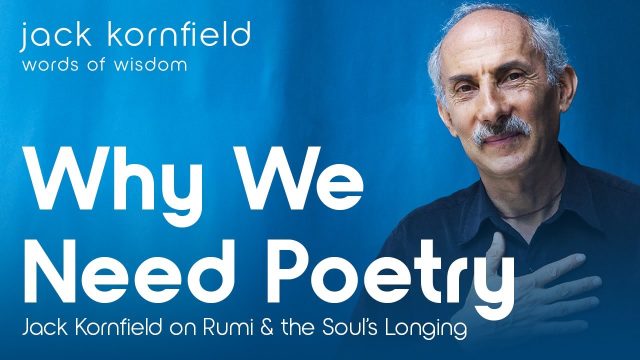
Why Poetry Matters: Rumi, Soul Longing & Spiritual Expression

すべて見るRelated Quotes→

旅をつづける

BrightStarのディレクトリから、さらなる智慧と集いを。

もっと記事を読む

教え、インタビュー、ガイドのライブラリ全体をご覧ください。

すべての記事に戻る →

講師とアーティスト

コンシャスな世界の系譜、音楽家、導き手を探しましょう。

アーティストを探す →

イベントを見つける

キルタン、リトリート、サウンドバス、ブレスワーク、フェスティバル — まもなく開かれます。

イベントを見る →
Rumi

Rumi

アーティスト

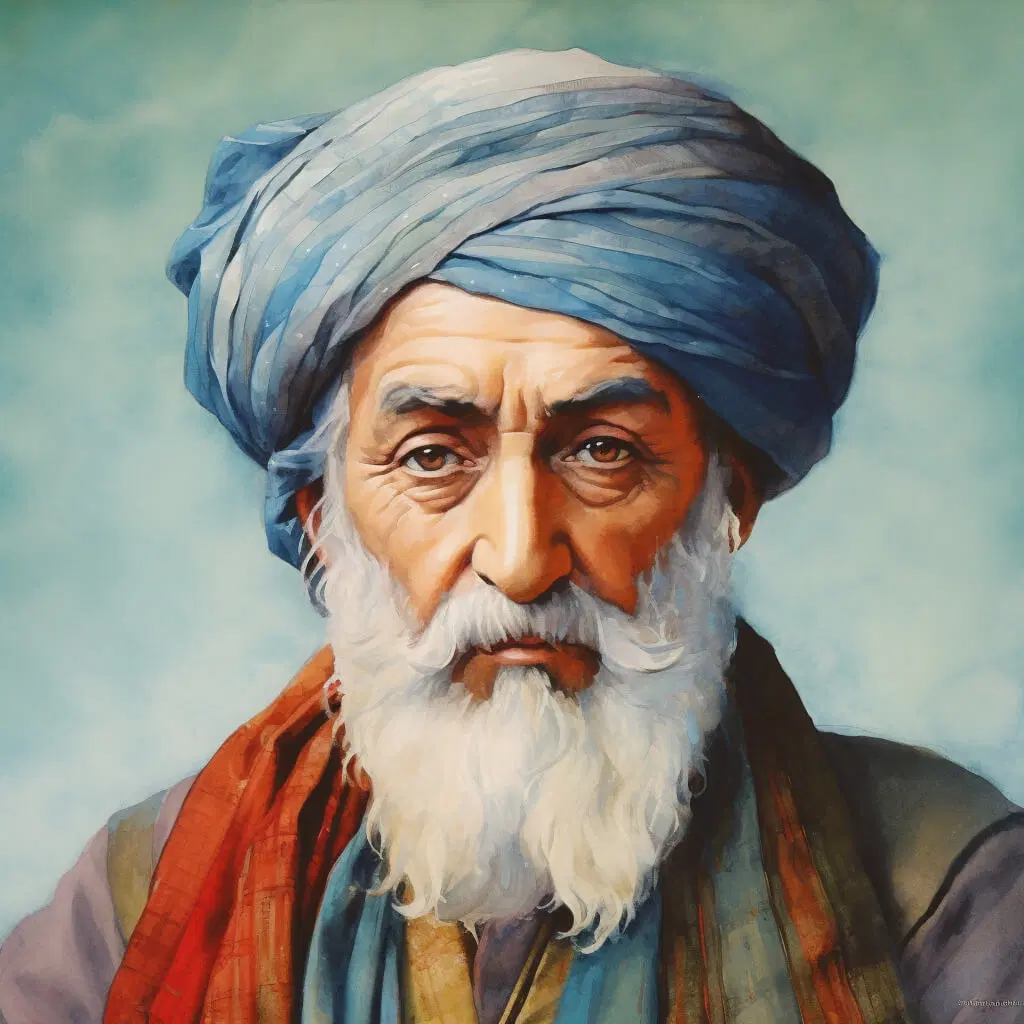
13th-century Persian poet and Sufi mystic whose poetry of divine love has captivated hearts across centuries. Founder of the Mevlevi Order known for whirling dervishes.

プロフィールを見る