BrightStar
ブログマイチケット
ブログマイチケット
Saved events
ヘルプ・お問い合わせ新規登録ログイン
イベント
  • すべてのイベントを見る
  • ヨガ
  • 瞑想
  • ブレスワーク
  • 気功
  • 聖なる音楽
  • ワールドミュージック
  • メディスンミュージック
  • サウンドヒーリング
  • エクスタティックダンス
  • セレモニー
  • プラントメディスン
  • エネルギーヒーリング
  • サットサンと智慧
  • タントラ
  • リトリート
  • すべてのカテゴリ →
目的地
  • Bali
  • Sedona
  • Los Angeles
  • Costa Rica
  • Tulum
  • Byron Bay
  • San Francisco
  • Austin
  • New York
  • San Diego
  • Denver
  • Seattle
  • Portland
  • Miami
  • London
  • Maui
  • Boulder
  • すべての都市 →
プラットフォーム
  • 主催者向け
  • ムーブメントに参加
  • Sell Globally
  • クリエイター向け
  • チーム向け
  • ライター向け
  • 講師向け
  • キルタンアーティスト向け
  • スタジオ向け
  • フェスティバル向け
  • リトリートセンター向け
  • 非営利団体向け
  • ブランドアンバサダー
  • 無料チケット販売
  • Pro
  • Amplify
  • エコシステム
機能

チケット販売と購入

  • Ticket categories
  • Assigned seating
  • Custom questions
  • Coupon codes
  • Smart pricing
  • Ticket sharing
  • Waitlist
  • Flexible refunds
  • Digital waivers
  • Tip jar
  • Donations and sliding scale
  • Embed widget
  • Mindful checkout
  • Recurring events
  • Private sessions
  • Online courses
  • Summits
  • Rooms and stays
  • Ticket scanner

マーケティングと成長

  • Abandoned cart recovery
  • Visitor recovery
  • Upsells and add-ons
  • Affiliate engine
  • Upsell affiliate network
  • Brand ambassador
  • Meta retargeting
  • Verified buyer network
  • Outbound email marketing
  • Email sequences
  • SMS and WhatsApp
  • Event upsell network
  • Direct mail campaigns
  • SEO engine
  • Syndication
  • Event sharing
  • Custom event pages
  • Artist profiles
  • Link in bio
  • Event blog
  • Blog newsletter

決済

  • Payments, powered by Stripe
  • Buy now, pay later
  • Apple Wallet
  • Multi currency

データと運営

  • Team access
  • Message center
  • Reports
  • Analytics reporting
  • Performance reporting
  • Customer data
  • Integrations
  • Switch from another platform

AI

  • Assistant
  • AI FAQ assistant
  • すべての機能 →
会社
  • 概要
  • よくある質問
  • お問い合わせ
  • ブログ
  • 用語集
  • Guides
  • インスピレーション
  • ヘルプセンター
  • APIドキュメント
  • ブランドアセット
  • プレス
  • 利用規約
  • プライバシーポリシー

イベント

  • すべてのイベントを見る
  • ヨガ
  • 瞑想
  • ブレスワーク
  • 気功
  • 聖なる音楽
  • ワールドミュージック
  • メディスンミュージック

目的地

  • Bali
  • Sedona
  • Los Angeles
  • Costa Rica
  • Tulum
  • Byron Bay
  • San Francisco
  • Austin

プラットフォーム

  • 主催者向け
  • ムーブメントに参加
  • Sell Globally
  • クリエイター向け
  • チーム向け
  • ライター向け
  • 講師向け
  • キルタンアーティスト向け

機能

  • コミュニティネットワーク
  • カート放棄リカバリー
  • チケットカテゴリ
  • 定期イベント
  • 座席指定
  • アフィリエイトシステム
  • ウェイトリスト / 通知
  • すべての機能 →

会社

  • 概要
  • よくある質問
  • お問い合わせ
  • ブログ
  • 用語集
  • Guides
  • 利用規約
  • プライバシーポリシー
続きを読む

イベント

  • サウンドヒーリング
  • エクスタティックダンス
  • セレモニー
  • プラントメディスン
  • エネルギーヒーリング
  • サットサンと智慧
  • タントラ
  • リトリート
  • すべてのカテゴリ →

目的地

  • New York
  • San Diego
  • Denver
  • Seattle
  • Portland
  • Miami
  • London
  • Maui
  • Boulder
  • すべての都市 →

プラットフォーム

  • スタジオ向け
  • フェスティバル向け
  • リトリートセンター向け
  • 非営利団体向け
  • ブランドアンバサダー
  • 無料チケット販売
  • Pro
  • Amplify
  • エコシステム

会社

  • インスピレーション
  • ヘルプセンター
  • APIドキュメント
  • ブランドアセット
  • プレス

チケット販売と購入

  • Ticket categories
  • Assigned seating
  • Custom questions
  • Coupon codes
  • Smart pricing
  • Ticket sharing
  • Waitlist
  • Flexible refunds
  • Digital waivers
  • Tip jar
  • Donations and sliding scale
  • Embed widget
  • Mindful checkout
  • Recurring events
  • Private sessions
  • Online courses
  • Summits
  • Rooms and stays
  • Ticket scanner

マーケティングと成長

  • Abandoned cart recovery
  • Visitor recovery
  • Upsells and add-ons
  • Affiliate engine
  • Upsell affiliate network
  • Brand ambassador
  • Meta retargeting
  • Verified buyer network
  • Outbound email marketing
  • Email sequences
  • SMS and WhatsApp
  • Event upsell network
  • Direct mail campaigns
  • SEO engine
  • Syndication
  • Event sharing
  • Custom event pages
  • Artist profiles
  • Link in bio
  • Event blog
  • Blog newsletter

決済

  • Payments, powered by Stripe
  • Buy now, pay later
  • Apple Wallet
  • Multi currency

データと運営

  • Team access
  • Message center
  • Reports
  • Analytics reporting
  • Performance reporting
  • Customer data
  • Integrations
  • Switch from another platform

AI

  • Assistant
  • AI FAQ assistant
アプリを入手
App StoreからApp StoreGoogle Playで手に入れようGoogle Play
© 2026 BrightStar. 全著作権所有. BrightStar Selection · 写真クレジット · 変更履歴 ·
Teaching on death
“Death is the unknown. The unknown is now.”
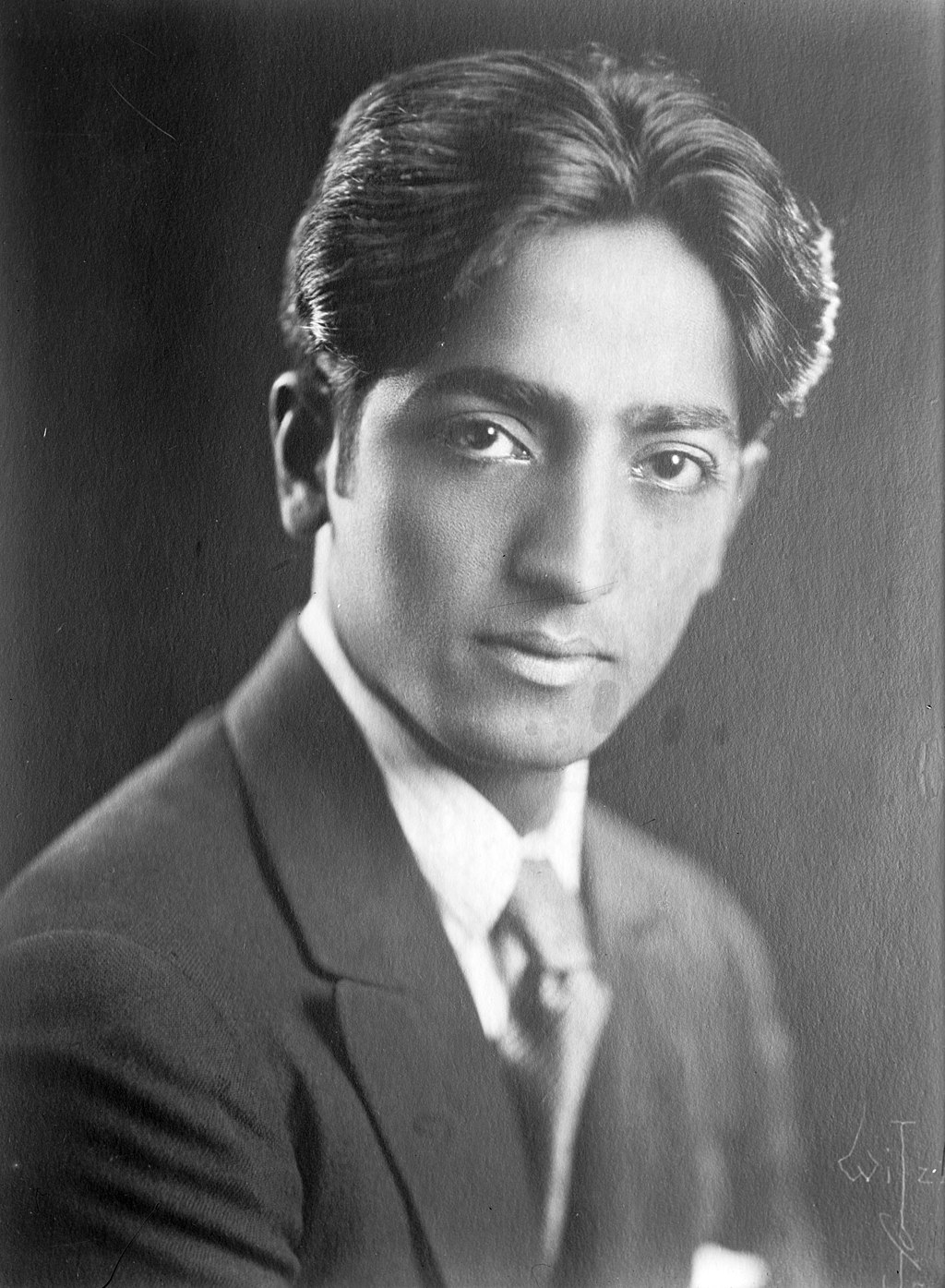
Jiddu Krishnamurti
Jiddu Krishnamurti
読む · 1セクション

Embracing the Unknown: The Gift of Now

Jiddu Krishnamurti's assertion that "Death is the unknown. The unknown is now" invites us to confront the profound mystery of existence. In this statement, he intertwines the inevitability of death with the immediacy of the present moment, suggesting that our relationship with the unknown shapes our experience of life. This perspective challenges us to engage with the present, rather than deferring our understanding of life and death to a distant future. The stakes are high: to embrace this teaching is to cultivate a deeper awareness of our existence, urging us to live fully in the now.

As we delve deeper into Krishnamurti's words, we recognize that the unknown is not merely a source of fear but also a gateway to liberation. By acknowledging that death—often viewed as an endpoint—is intrinsically linked to the present moment, we are invited to reconsider our perceptions of both life and death. This realization can transform our approach to daily living, encouraging us to let go of attachments and fears that bind us, and to embrace the fluidity of existence. In doing so, we may find that the unknown is not something to be feared, but rather a space of potential and possibility.

The image / the metaphor

At first glance, Krishnamurti's quote presents a stark juxtaposition between death and the unknown, both of which evoke a sense of uncertainty. The imagery of death conjures feelings of finality and loss, while the unknown suggests a vast expanse of possibilities yet to be explored. The verbs chosen—"is" and "now"—ground the statement in immediacy, urging us to recognize that the unknown is not a distant reality but a present experience. This felt sense of urgency compels us to confront our fears and assumptions about life and death, inviting us to explore the depths of our consciousness.

Diving deeper into the metaphor, we see that the unknown represents not just the end of life, but also the myriad experiences we encounter daily. Each moment holds the potential for transformation, yet we often cling to familiarity, fearing the unpredictability of change. By equating death with the unknown, Krishnamurti encourages us to embrace uncertainty as a natural part of existence. This perspective invites us to cultivate a sense of curiosity and openness, allowing us to navigate the complexities of life with grace and acceptance.

In the speaker's tradition

Krishnamurti's teachings emerge from a rich tapestry of non-dual philosophy, which emphasizes the interconnectedness of all existence. Concepts such as *sunyata* (emptiness) and *fana* (annihilation of the self) resonate deeply with his assertion about death and the unknown. In this context, death is not an end but a transformation, a shedding of the ego that allows for a deeper understanding of the self and the universe. The recognition that the unknown is now aligns with the non-dual perspective that encourages us to transcend dualistic thinking and embrace the unity of all things.

In his dialogues, Krishnamurti often referenced the importance of direct experience over intellectual understanding. This aligns with the Buddhist notion of *prajna*, or wisdom, which arises from direct engagement with reality rather than abstract theorizing. By inviting us to confront the unknown in the present moment, Krishnamurti echoes the teachings found in various spiritual traditions that emphasize the significance of living fully and authentically. His insights challenge us to cultivate awareness and presence, allowing us to experience the richness of life as it unfolds.

Living the teaching

Consider a modern scenario where this teaching resonates: a person facing a significant life transition, such as a career change or the end of a relationship. In such moments, the fear of the unknown can be paralyzing, often leading to avoidance or procrastination. However, by embracing Krishnamurti's perspective, this individual can recognize that the unknown is not a void to be feared but a fertile ground for growth and discovery. By focusing on the present moment, they can approach the transition with curiosity and openness, allowing the experience to unfold without the weight of preconceived notions or expectations.

In the realm of relationships, the teaching can also be profoundly transformative. Imagine a couple navigating a difficult period, where fears of loss and uncertainty loom large. By acknowledging that the unknown is now, they can shift their focus from what might happen in the future to the richness of their current interactions. This shift fosters deeper communication and connection, allowing them to explore their feelings and vulnerabilities without the burden of fear. In both scenarios, the practice of embracing the unknown invites us to live more fully, cultivating presence and awareness in our daily lives.

A reflection

As we contemplate Krishnamurti's profound statement, we are left with a contemplative question: How can I embrace the unknown in my life today? This inquiry invites us to reflect on our relationship with uncertainty and to consider how we might approach the present moment with greater openness and acceptance. By engaging with this question, we can begin to unravel the layers of fear and attachment that often cloud our perception, allowing us to experience the beauty and potential inherent in the unknown.

Jiddu Krishnamurti

Jiddu Krishnamurti

アーティスト

Indian philosopher who rejected all organized religion and belief systems, teaching direct inquiry into the nature of the mind.

プロフィールを見る
トピックを見る
deathunknownnow
よくある質問

よくある質問

Krishnamurti's quote suggests that death, often feared as a finality, is intertwined with the present moment. By recognizing that the unknown is not something distant but rather a constant aspect of our lives, he encourages us to embrace uncertainty and live fully in the now.

You can apply this teaching by consciously engaging with the present moment, letting go of fears about the future. This might involve mindfulness practices, such as meditation or deep breathing, which help cultivate awareness and acceptance of the unknown.

Yes, the concept of embracing the unknown and living in the present is prevalent in various non-dual texts, including Buddhist teachings on *sunyata* and the Taoist principle of *wu wei*, or effortless action, which emphasizes flowing with the present moment.

While both *sunyata* (emptiness) and *fana* (annihilation of the self) relate to the dissolution of the ego, *sunyata* emphasizes the emptiness of all phenomena, whereas *fana* focuses on the dissolution of the self in the divine. Both concepts encourage a deeper understanding of the unknown.

Mindfulness meditation is a powerful practice that supports living this teaching. By cultivating awareness of the present moment, you can learn to embrace uncertainty and develop a deeper connection to the flow of life.

Related Quotes

すべて表示
Jiddu Krishnamurti's Life and Spiritual Legacy
Inspiration

Jiddu Krishnamurti's Life and Spiritual Legacy

すべて見るRelated Quotes→

旅をつづける

BrightStarのディレクトリから、さらなる智慧と集いを。

もっと記事を読む

教え、インタビュー、ガイドのライブラリ全体をご覧ください。

すべての記事に戻る →

講師とアーティスト

コンシャスな世界の系譜、音楽家、導き手を探しましょう。

アーティストを探す →

イベントを見つける

キルタン、リトリート、サウンドバス、ブレスワーク、フェスティバル — まもなく開かれます。

イベントを見る →