BrightStar
ブログマイチケット
ブログマイチケット
Saved events
ヘルプ・お問い合わせ新規登録ログイン
イベント
  • すべてのイベントを見る
  • ヨガ
  • 瞑想
  • ブレスワーク
  • 気功
  • 聖なる音楽
  • ワールドミュージック
  • メディスンミュージック
  • サウンドヒーリング
  • エクスタティックダンス
  • セレモニー
  • プラントメディスン
  • エネルギーヒーリング
  • サットサンと智慧
  • タントラ
  • リトリート
  • すべてのカテゴリ →
目的地
  • Bali
  • Sedona
  • Los Angeles
  • Costa Rica
  • Tulum
  • Byron Bay
  • San Francisco
  • Austin
  • New York
  • San Diego
  • Denver
  • Seattle
  • Portland
  • Miami
  • London
  • Maui
  • Boulder
  • すべての都市 →
プラットフォーム
  • 主催者向け
  • ムーブメントに参加
  • Sell Globally
  • クリエイター向け
  • チーム向け
  • ライター向け
  • 講師向け
  • キルタンアーティスト向け
  • スタジオ向け
  • フェスティバル向け
  • リトリートセンター向け
  • 非営利団体向け
  • ブランドアンバサダー
  • 無料チケット販売
  • Pro
  • Amplify
  • エコシステム
機能

チケット販売と購入

  • Ticket categories
  • Assigned seating
  • Custom questions
  • Coupon codes
  • Smart pricing
  • Ticket sharing
  • Waitlist
  • Flexible refunds
  • Digital waivers
  • Tip jar
  • Donations and sliding scale
  • Embed widget
  • Mindful checkout
  • Recurring events
  • Private sessions
  • Online courses
  • Summits
  • Rooms and stays
  • Ticket scanner

マーケティングと成長

  • Abandoned cart recovery
  • Visitor recovery
  • Upsells and add-ons
  • Affiliate engine
  • Upsell affiliate network
  • Brand ambassador
  • Meta retargeting
  • Verified buyer network
  • Outbound email marketing
  • Email sequences
  • SMS and WhatsApp
  • Event upsell network
  • Direct mail campaigns
  • SEO engine
  • Syndication
  • Event sharing
  • Custom event pages
  • Artist profiles
  • Link in bio
  • Event blog
  • Blog newsletter

決済

  • Payments, powered by Stripe
  • Buy now, pay later
  • Apple Wallet
  • Multi currency

データと運営

  • Team access
  • Message center
  • Reports
  • Analytics reporting
  • Performance reporting
  • Customer data
  • Integrations
  • Switch from another platform

AI

  • Assistant
  • AI FAQ assistant
  • すべての機能 →
会社
  • 概要
  • よくある質問
  • お問い合わせ
  • ブログ
  • 用語集
  • Guides
  • インスピレーション
  • ヘルプセンター
  • APIドキュメント
  • ブランドアセット
  • プレス
  • 利用規約
  • プライバシーポリシー

イベント

  • すべてのイベントを見る
  • ヨガ
  • 瞑想
  • ブレスワーク
  • 気功
  • 聖なる音楽
  • ワールドミュージック
  • メディスンミュージック

目的地

  • Bali
  • Sedona
  • Los Angeles
  • Costa Rica
  • Tulum
  • Byron Bay
  • San Francisco
  • Austin

プラットフォーム

  • 主催者向け
  • ムーブメントに参加
  • Sell Globally
  • クリエイター向け
  • チーム向け
  • ライター向け
  • 講師向け
  • キルタンアーティスト向け

機能

  • コミュニティネットワーク
  • カート放棄リカバリー
  • チケットカテゴリ
  • 定期イベント
  • 座席指定
  • アフィリエイトシステム
  • ウェイトリスト / 通知
  • すべての機能 →

会社

  • 概要
  • よくある質問
  • お問い合わせ
  • ブログ
  • 用語集
  • Guides
  • 利用規約
  • プライバシーポリシー
続きを読む

イベント

  • サウンドヒーリング
  • エクスタティックダンス
  • セレモニー
  • プラントメディスン
  • エネルギーヒーリング
  • サットサンと智慧
  • タントラ
  • リトリート
  • すべてのカテゴリ →

目的地

  • New York
  • San Diego
  • Denver
  • Seattle
  • Portland
  • Miami
  • London
  • Maui
  • Boulder
  • すべての都市 →

プラットフォーム

  • スタジオ向け
  • フェスティバル向け
  • リトリートセンター向け
  • 非営利団体向け
  • ブランドアンバサダー
  • 無料チケット販売
  • Pro
  • Amplify
  • エコシステム

会社

  • インスピレーション
  • ヘルプセンター
  • APIドキュメント
  • ブランドアセット
  • プレス

チケット販売と購入

  • Ticket categories
  • Assigned seating
  • Custom questions
  • Coupon codes
  • Smart pricing
  • Ticket sharing
  • Waitlist
  • Flexible refunds
  • Digital waivers
  • Tip jar
  • Donations and sliding scale
  • Embed widget
  • Mindful checkout
  • Recurring events
  • Private sessions
  • Online courses
  • Summits
  • Rooms and stays
  • Ticket scanner

マーケティングと成長

  • Abandoned cart recovery
  • Visitor recovery
  • Upsells and add-ons
  • Affiliate engine
  • Upsell affiliate network
  • Brand ambassador
  • Meta retargeting
  • Verified buyer network
  • Outbound email marketing
  • Email sequences
  • SMS and WhatsApp
  • Event upsell network
  • Direct mail campaigns
  • SEO engine
  • Syndication
  • Event sharing
  • Custom event pages
  • Artist profiles
  • Link in bio
  • Event blog
  • Blog newsletter

決済

  • Payments, powered by Stripe
  • Buy now, pay later
  • Apple Wallet
  • Multi currency

データと運営

  • Team access
  • Message center
  • Reports
  • Analytics reporting
  • Performance reporting
  • Customer data
  • Integrations
  • Switch from another platform

AI

  • Assistant
  • AI FAQ assistant
アプリを入手
App StoreからApp StoreGoogle Playで手に入れようGoogle Play
© 2026 BrightStar. 全著作権所有. BrightStar Selection · 写真クレジット · 変更履歴 ·
Teaching on stillness
“Be utterly quiet within. Then you may know what is true.”
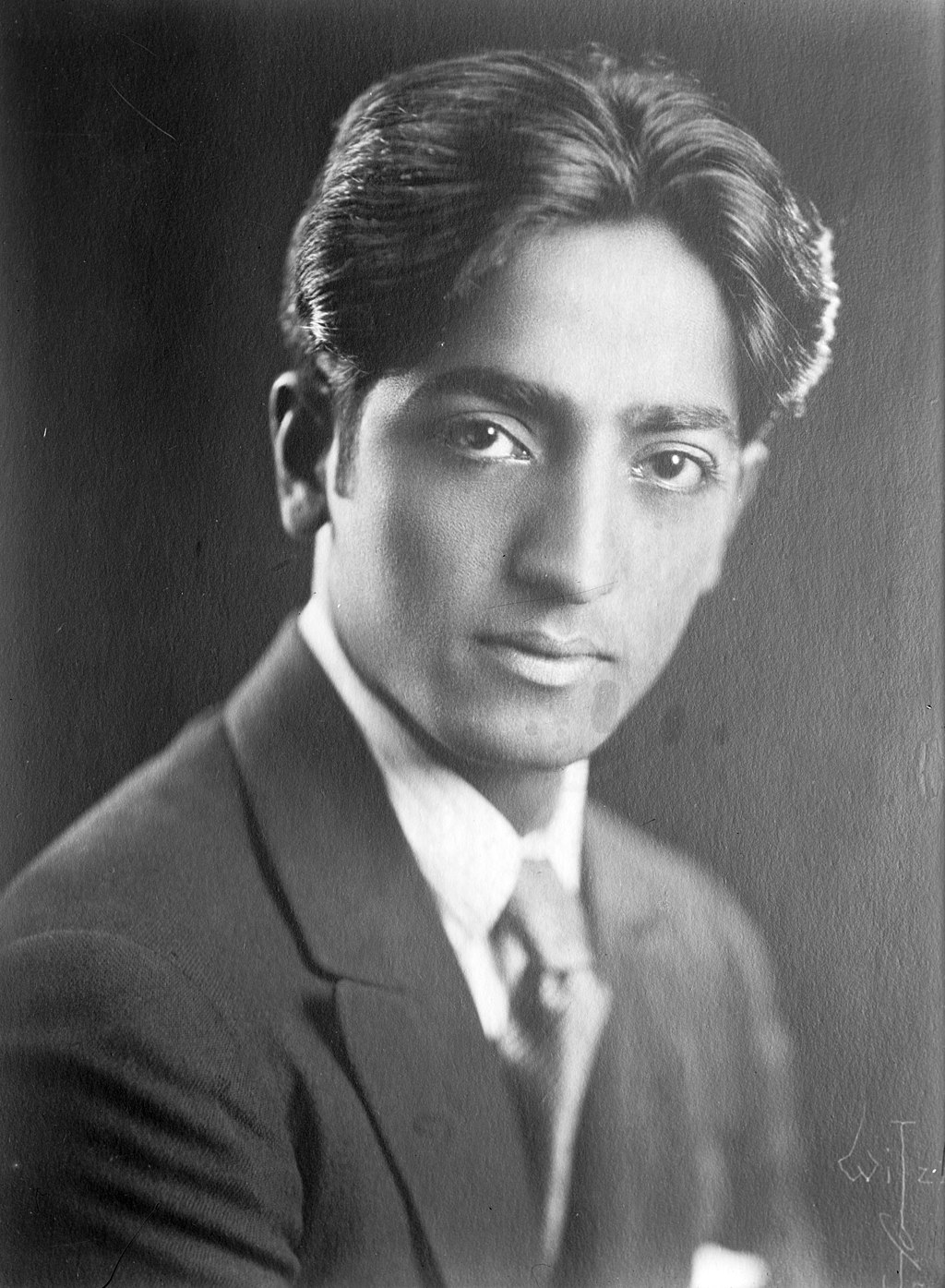
Jiddu Krishnamurti
Jiddu Krishnamurti
読む · 1セクション

The Stillness of Truth: Embracing Inner Quietude

Jiddu Krishnamurti's assertion, "Be utterly quiet within. Then you may know what is true," invites us to explore the profound depths of inner stillness as a prerequisite for discerning truth. In a world rife with distractions and noise, this call to quietude becomes increasingly vital. It suggests that the cacophony of external stimuli often drowns out the subtle whispers of our inner wisdom, making it challenging to grasp the essence of reality. The stakes are high; without this inner clarity, we risk living in a state of confusion, misalignment, and disconnection from our true selves.

Delving deeper into this invitation, we recognize that Krishnamurti is not merely advocating for silence in the conventional sense but rather a profound stillness that transcends mere absence of sound. This stillness is an active state of being, a conscious choice to turn inward and cultivate an awareness that allows us to sift through the layers of thought and emotion that cloud our perception. It is in this sacred space of quietude that we can begin to peel away the illusions that often masquerade as truth, revealing the deeper realities that lie beneath the surface of our everyday experiences.

The image / the metaphor

The imagery of being "utterly quiet within" evokes a sense of serene introspection, akin to a still lake reflecting the sky above. The choice of the word "utterly" emphasizes the totality of this quietude, suggesting that it is not merely a momentary pause but a complete surrender to stillness. In this state, the tumult of thoughts, fears, and desires can settle, allowing us to perceive the world without the distortions that often accompany our mental chatter. This metaphor of stillness serves as a powerful reminder that clarity arises not from the noise of our surroundings but from the tranquility we cultivate within.

Going deeper into this metaphor, we can liken the process of achieving inner quietude to the act of tuning an instrument. Just as a musician must silence external distractions to hear the subtle nuances of sound, we too must quiet our minds to hear the deeper truths of our existence. This tuning process requires patience and practice, as the initial attempts may be met with resistance from the habitual patterns of thought that seek to dominate our awareness. Yet, with persistence, we can learn to navigate the waters of our inner landscape, discovering the harmonious melodies that emerge from a place of profound stillness.

In the speaker's tradition

Krishnamurti's teachings are deeply rooted in the non-dual tradition, which emphasizes the interconnectedness of all existence and the importance of direct experience in understanding truth. Concepts such as *sunyata* (emptiness) and *prajna* (wisdom) resonate with his call for inner quietude. In this context, the quiet mind becomes a vessel for experiencing the unity of all things, transcending the dualistic perceptions that often lead to suffering. The practice of *kenosis*, or self-emptying, aligns closely with Krishnamurti's invitation to relinquish the ego's grip, allowing for a more profound connection to the essence of reality.

In his work, Krishnamurti often draws parallels to the teachings found in various spiritual texts, emphasizing the importance of self-inquiry and direct perception. For instance, the *Upanishads* speak of the necessity of quieting the mind to access the ultimate truth of the self, echoing Krishnamurti's assertion that only through stillness can we truly know what is real. This alignment with ancient wisdom underscores the timeless nature of his message, inviting seekers to engage in a contemplative practice that transcends cultural and historical boundaries.

Living the teaching

Consider a modern scenario where the teaching of inner quietude can be applied: a busy professional navigating the demands of a high-stress job. In the midst of deadlines and constant notifications, the individual may feel overwhelmed, struggling to make decisions or connect with their authentic self. By intentionally carving out moments of stillness—perhaps through meditation or mindful breathing—this person can create a sanctuary within, allowing clarity to emerge amidst the chaos. In these moments of quiet, they may find the insights needed to navigate their challenges with greater ease and confidence.

Another application of this teaching can be found in interpersonal relationships, particularly during conflicts. When tensions rise, the instinct may be to react impulsively, driven by emotions and preconceived notions. However, by embracing Krishnamurti's call to quietude, individuals can pause and cultivate a space of reflection before responding. This practice not only fosters deeper understanding but also opens the door to compassion and empathy, allowing for more meaningful connections and resolutions. In this way, the stillness within becomes a powerful tool for navigating the complexities of human interaction.

A reflection

As we contemplate Krishnamurti's profound invitation, we are left with a contemplative question to ponder: What truths might emerge from the depths of my own stillness, waiting to be uncovered? This inquiry invites us to engage with our inner landscape, encouraging us to explore the layers of our thoughts and emotions with curiosity and openness. In the quiet moments that follow, we may discover insights that illuminate our path, guiding us toward a deeper understanding of ourselves and the world around us.

Jiddu Krishnamurti

Jiddu Krishnamurti

アーティスト

Indian philosopher who rejected all organized religion and belief systems, teaching direct inquiry into the nature of the mind.

プロフィールを見る
トピックを見る
stillnessinterioritytruth
よくある質問

よくある質問

Krishnamurti's statement emphasizes the necessity of inner stillness as a means to access deeper truths. He suggests that only by quieting the mind can we discern the reality of our experiences, free from the distortions of thought and emotion.

You can apply this teaching by incorporating moments of stillness into your daily routine, such as through meditation or mindful breathing. These practices help cultivate an inner sanctuary that allows for clarity and insight amidst the distractions of modern life.

Yes, the concept of inner stillness as a pathway to truth is prevalent in various non-dual texts, including the *Upanishads* and the teachings of Advaita Vedanta. These traditions emphasize the importance of quieting the mind to experience the unity of existence.

Stillness refers to a profound inner calm that transcends mere absence of sound, while silence may simply denote a lack of noise. In Krishnamurti's context, stillness is an active state of awareness that allows for deeper understanding and insight.

Meditation is a key practice that supports living this teaching. By dedicating time to sit in silence and observe your thoughts without attachment, you can cultivate the inner quietude necessary to access deeper truths.

Creating a space for stillness can be as simple as setting aside a few minutes each day to disconnect from technology and engage in mindful breathing or meditation. Finding a quiet corner in your home or taking a walk in nature can also foster this sense of inner peace.

Related Quotes

すべて表示
Jiddu Krishnamurti's Life and Spiritual Legacy
Inspiration

Jiddu Krishnamurti's Life and Spiritual Legacy

すべて見るRelated Quotes→

旅をつづける

BrightStarのディレクトリから、さらなる智慧と集いを。

もっと記事を読む

教え、インタビュー、ガイドのライブラリ全体をご覧ください。

すべての記事に戻る →

講師とアーティスト

コンシャスな世界の系譜、音楽家、導き手を探しましょう。

アーティストを探す →

イベントを見つける

キルタン、リトリート、サウンドバス、ブレスワーク、フェスティバル — まもなく開かれます。

イベントを見る →