BrightStar
ブログマイチケット
ブログマイチケット
Saved events
ヘルプ・お問い合わせ新規登録ログイン
イベント
  • すべてのイベントを見る
  • ヨガ
  • 瞑想
  • ブレスワーク
  • 気功
  • 聖なる音楽
  • ワールドミュージック
  • メディスンミュージック
  • サウンドヒーリング
  • エクスタティックダンス
  • セレモニー
  • プラントメディスン
  • エネルギーヒーリング
  • サットサンと智慧
  • タントラ
  • リトリート
  • すべてのカテゴリ →
目的地
  • Bali
  • Sedona
  • Los Angeles
  • Costa Rica
  • Tulum
  • Byron Bay
  • San Francisco
  • Austin
  • New York
  • San Diego
  • Denver
  • Seattle
  • Portland
  • Miami
  • London
  • Maui
  • Boulder
  • すべての都市 →
プラットフォーム
  • 主催者向け
  • ムーブメントに参加
  • Sell Globally
  • クリエイター向け
  • チーム向け
  • ライター向け
  • 講師向け
  • キルタンアーティスト向け
  • スタジオ向け
  • フェスティバル向け
  • リトリートセンター向け
  • 非営利団体向け
  • ブランドアンバサダー
  • 無料チケット販売
  • Pro
  • Amplify
  • エコシステム
機能

チケット販売と購入

  • Ticket categories
  • Assigned seating
  • Custom questions
  • Coupon codes
  • Smart pricing
  • Ticket sharing
  • Waitlist
  • Flexible refunds
  • Digital waivers
  • Tip jar
  • Donations and sliding scale
  • Embed widget
  • Mindful checkout
  • Recurring events
  • Private sessions
  • Online courses
  • Summits
  • Rooms and stays
  • Ticket scanner

マーケティングと成長

  • Abandoned cart recovery
  • Visitor recovery
  • Upsells and add-ons
  • Affiliate engine
  • Upsell affiliate network
  • Brand ambassador
  • Meta retargeting
  • Verified buyer network
  • Outbound email marketing
  • Email sequences
  • SMS and WhatsApp
  • Event upsell network
  • Direct mail campaigns
  • SEO engine
  • Syndication
  • Event sharing
  • Custom event pages
  • Artist profiles
  • Link in bio
  • Event blog
  • Blog newsletter

決済

  • Payments, powered by Stripe
  • Buy now, pay later
  • Apple Wallet
  • Multi currency

データと運営

  • Team access
  • Message center
  • Reports
  • Analytics reporting
  • Performance reporting
  • Customer data
  • Integrations
  • Switch from another platform

AI

  • Assistant
  • AI FAQ assistant
  • すべての機能 →
会社
  • 概要
  • よくある質問
  • お問い合わせ
  • ブログ
  • 用語集
  • Guides
  • インスピレーション
  • ヘルプセンター
  • APIドキュメント
  • ブランドアセット
  • プレス
  • 利用規約
  • プライバシーポリシー

イベント

  • すべてのイベントを見る
  • ヨガ
  • 瞑想
  • ブレスワーク
  • 気功
  • 聖なる音楽
  • ワールドミュージック
  • メディスンミュージック

目的地

  • Bali
  • Sedona
  • Los Angeles
  • Costa Rica
  • Tulum
  • Byron Bay
  • San Francisco
  • Austin

プラットフォーム

  • 主催者向け
  • ムーブメントに参加
  • Sell Globally
  • クリエイター向け
  • チーム向け
  • ライター向け
  • 講師向け
  • キルタンアーティスト向け

機能

  • コミュニティネットワーク
  • カート放棄リカバリー
  • チケットカテゴリ
  • 定期イベント
  • 座席指定
  • アフィリエイトシステム
  • ウェイトリスト / 通知
  • すべての機能 →

会社

  • 概要
  • よくある質問
  • お問い合わせ
  • ブログ
  • 用語集
  • Guides
  • 利用規約
  • プライバシーポリシー
続きを読む

イベント

  • サウンドヒーリング
  • エクスタティックダンス
  • セレモニー
  • プラントメディスン
  • エネルギーヒーリング
  • サットサンと智慧
  • タントラ
  • リトリート
  • すべてのカテゴリ →

目的地

  • New York
  • San Diego
  • Denver
  • Seattle
  • Portland
  • Miami
  • London
  • Maui
  • Boulder
  • すべての都市 →

プラットフォーム

  • スタジオ向け
  • フェスティバル向け
  • リトリートセンター向け
  • 非営利団体向け
  • ブランドアンバサダー
  • 無料チケット販売
  • Pro
  • Amplify
  • エコシステム

会社

  • インスピレーション
  • ヘルプセンター
  • APIドキュメント
  • ブランドアセット
  • プレス

チケット販売と購入

  • Ticket categories
  • Assigned seating
  • Custom questions
  • Coupon codes
  • Smart pricing
  • Ticket sharing
  • Waitlist
  • Flexible refunds
  • Digital waivers
  • Tip jar
  • Donations and sliding scale
  • Embed widget
  • Mindful checkout
  • Recurring events
  • Private sessions
  • Online courses
  • Summits
  • Rooms and stays
  • Ticket scanner

マーケティングと成長

  • Abandoned cart recovery
  • Visitor recovery
  • Upsells and add-ons
  • Affiliate engine
  • Upsell affiliate network
  • Brand ambassador
  • Meta retargeting
  • Verified buyer network
  • Outbound email marketing
  • Email sequences
  • SMS and WhatsApp
  • Event upsell network
  • Direct mail campaigns
  • SEO engine
  • Syndication
  • Event sharing
  • Custom event pages
  • Artist profiles
  • Link in bio
  • Event blog
  • Blog newsletter

決済

  • Payments, powered by Stripe
  • Buy now, pay later
  • Apple Wallet
  • Multi currency

データと運営

  • Team access
  • Message center
  • Reports
  • Analytics reporting
  • Performance reporting
  • Customer data
  • Integrations
  • Switch from another platform

AI

  • Assistant
  • AI FAQ assistant
アプリを入手
App StoreからApp StoreGoogle Playで手に入れようGoogle Play
© 2026 BrightStar. 全著作権所有. BrightStar Selection · 写真クレジット · 変更履歴 ·
Teaching on peace
“This is the only way to true peace.”
Epictetus
Epictetus
読む · 1セクション

The Path to Inner Tranquility: Epictetus on True Peace

Epictetus, the Stoic philosopher, asserts that "This is the only way to true peace," a statement that encapsulates the essence of his teachings on the nature of control and acceptance. In a world rife with chaos and uncertainty, the quest for peace often feels elusive, yet Epictetus offers a profound insight: true peace arises not from external circumstances but from our internal responses to them. This perspective invites us to examine the very foundations of our emotional and psychological states, urging us to cultivate a sense of serenity that is independent of the tumultuous world around us.

Delving deeper into this assertion, we find that Epictetus emphasizes the importance of distinguishing between what is within our control and what is not. This dichotomy is central to Stoic philosophy and serves as a guiding principle for achieving tranquility. By focusing our energies on our thoughts, intentions, and actions—elements we can influence—we can navigate life's challenges with grace and composure. The stakes are high; in a society that often equates peace with external validation or material success, Epictetus reminds us that the true source of peace lies within, waiting to be uncovered through diligent practice and self-awareness.

The image / the metaphor

Going deeper into the metaphor, we can see that true peace is likened to a well-tended garden, flourishing only when nurtured with care and attention. Just as a gardener must regularly prune, water, and cultivate their plants, so too must we engage in the practice of self-reflection and emotional regulation. The metaphor of gardening implies that peace is not merely a destination but a journey, one that requires patience, resilience, and a willingness to confront the weeds of negative thought and emotional turmoil that threaten to overtake our inner landscape.

In the speaker's tradition

Epictetus's teachings are deeply rooted in the Stoic tradition, which emphasizes the importance of virtue, wisdom, and self-control as pathways to a fulfilling life. This aligns with concepts found in other spiritual traditions, such as dharma in Hinduism, which advocates for living in accordance with one's true nature and responsibilities. Similarly, the Buddhist notion of sunyata, or emptiness, invites practitioners to recognize the impermanence of external conditions and to cultivate an inner peace that transcends worldly attachments. In this way, Epictetus's assertion resonates across various spiritual landscapes, highlighting a universal truth about the nature of peace.

In his work, the "Discourses," Epictetus elaborates on the idea that our perceptions shape our experiences. He states, "It's not what happens to you, but how you react to it that matters." This sentiment echoes the teachings of other Stoic philosophers, such as Marcus Aurelius, who encourages us to focus on our thoughts and responses as the true determinants of our well-being. By situating Epictetus's quote within this broader context, we can appreciate the depth of his insight and its relevance to our own lives.

Living the teaching

Consider a modern scenario where this teaching can be applied: a workplace filled with stress and competition. In such an environment, it is easy to feel overwhelmed by external pressures and the actions of others. However, by embracing Epictetus's wisdom, one can shift focus from the chaotic dynamics of the workplace to their own responses and attitudes. This might involve practicing mindfulness, recognizing when negative thoughts arise, and consciously choosing to respond with calmness and clarity rather than frustration or anxiety. In doing so, one cultivates a sense of peace that remains unshaken by external circumstances.

Another application of this teaching can be found in personal relationships, particularly during conflicts. When faced with disagreements, it is common to feel a surge of emotions that can cloud judgment and escalate tensions. By recalling Epictetus's assertion, individuals can remind themselves that while they cannot control the actions or reactions of others, they can control their own responses. This might involve taking a moment to breathe, reflecting on the situation, and choosing to engage with compassion and understanding rather than defensiveness. Such practices not only foster peace within oneself but can also create a more harmonious atmosphere in relationships.

A reflection

As we contemplate Epictetus's assertion that "This is the only way to true peace," we are invited to explore our own lives and the sources of our inner turmoil. What external circumstances do we allow to dictate our emotional states? In what ways can we cultivate a deeper sense of control over our thoughts and reactions? By engaging with these questions, we can begin to uncover the pathways to a more profound and lasting peace, one that is rooted in the understanding that our true power lies within.

Epictetus

Epictetus

アーティスト

Greek Stoic philosopher born into slavery. His Enchiridion teaches that freedom comes from focusing only on what we can control.

プロフィールを見る
トピックを見る
peacecontrolpractice
よくある質問

よくある質問

Epictetus emphasizes that true peace is achieved by focusing on what is within our control—our thoughts and actions—rather than being swayed by external circumstances. This perspective encourages individuals to cultivate inner tranquility through self-awareness and emotional regulation.

You can apply this teaching by practicing mindfulness and self-reflection, especially in stressful situations. By recognizing your responses to external events and consciously choosing how to react, you can foster a sense of peace that is independent of outside influences.

Yes, the idea that our perceptions shape our experiences is a central theme in Stoicism. Marcus Aurelius, in his 'Meditations,' echoes this sentiment by stating that our thoughts determine our reality, reinforcing the importance of internal control for achieving peace.

Control refers to the ability to influence our thoughts and reactions, while acceptance involves acknowledging what we cannot change. In Stoicism, both concepts work together; we control our responses to external events while accepting that some things are beyond our influence.

Practices such as mindfulness meditation, journaling, and cognitive reframing can support living this teaching. These practices help cultivate awareness of our thoughts and emotions, allowing us to respond with intention rather than reactivity.

Related Quotes

すべて表示
Finding Good News in Every Moment: Thich Nhat Hanh's Poem
Inspiration

Finding Good News in Every Moment: Thich Nhat Hanh's Poem

Voice Temple Kirtan in Pisac: A Farewell Night of Call and Response
Inspiration

Voice Temple Kirtan in Pisac: A Farewell Night of Call and Response

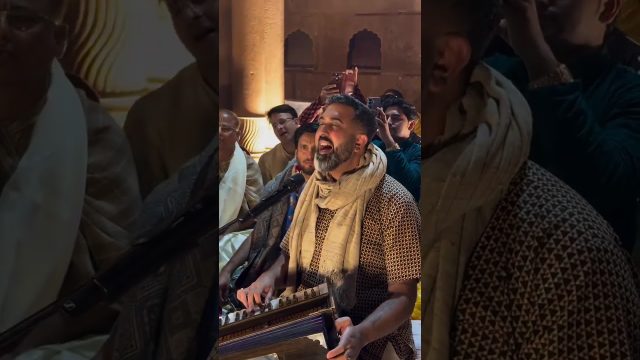
Sacred Kirtan at Radha Madan Mohan Temple, Vrindavan
Inspiration

Sacred Kirtan at Radha Madan Mohan Temple, Vrindavan

すべて見るRelated Quotes→

旅をつづける

BrightStarのディレクトリから、さらなる智慧と集いを。

もっと記事を読む

教え、インタビュー、ガイドのライブラリ全体をご覧ください。

すべての記事に戻る →

講師とアーティスト

コンシャスな世界の系譜、音楽家、導き手を探しましょう。

アーティストを探す →

イベントを見つける

キルタン、リトリート、サウンドバス、ブレスワーク、フェスティバル — まもなく開かれます。

イベントを見る →