




What is Gentle Yoga?
Gentle yoga is a slower-paced, less physically demanding approach to hatha yoga practice characterized by accessible postures, extended warm-ups, longer holds, and consistent emphasis on breath synchronization and mindfulness. Unlike vigorous vinyasa or athletic power yoga styles, gentle yoga prioritizes sustainable movement, prop-supported modifications, and nervous system regulation over physical achievement. Classes typically include floor-based stretches, seated postures, standing poses done with modifications, pranayama (breath work), and extended relaxation periods. The term “gentle” refers not to the absence of effort but to the quality of attention—moving with compassionate awareness at a pace that allows deep proprioceptive listening and integration.
Origins & Lineage
Gentle yoga emerged in the late 20th century as Western yoga studios began diversifying class offerings to serve populations unable or unwilling to practice vigorous styles. Unlike classical yoga lineages traceable to specific gurus or texts, gentle yoga developed organically as teachers adapted traditional hatha yoga sequences for beginners, seniors, injured students, and those seeking meditative rather than athletic practice. The designation “gentle yoga” appears to have gained traction in American yoga studios during the 1980s and 1990s, concurrent with the popularization of specialized styles like restorative yoga (developed by Judith Hanson Lasater in the late 20th century), Kripalu yoga (founded at Kripalu Center in Massachusetts), and Sivananda yoga (brought to the West by Swami Vishnudevananda in 1957). While no single founder can be credited, the gentle yoga category reflects the influence of B.K.S. Iyengar’s therapeutic modifications, T.K.V. Desikachar’s viniyoga principle of adapting practice to the individual, and broader Western therapeutic applications of yoga as stress relief and rehabilitation.
How It’s Practiced
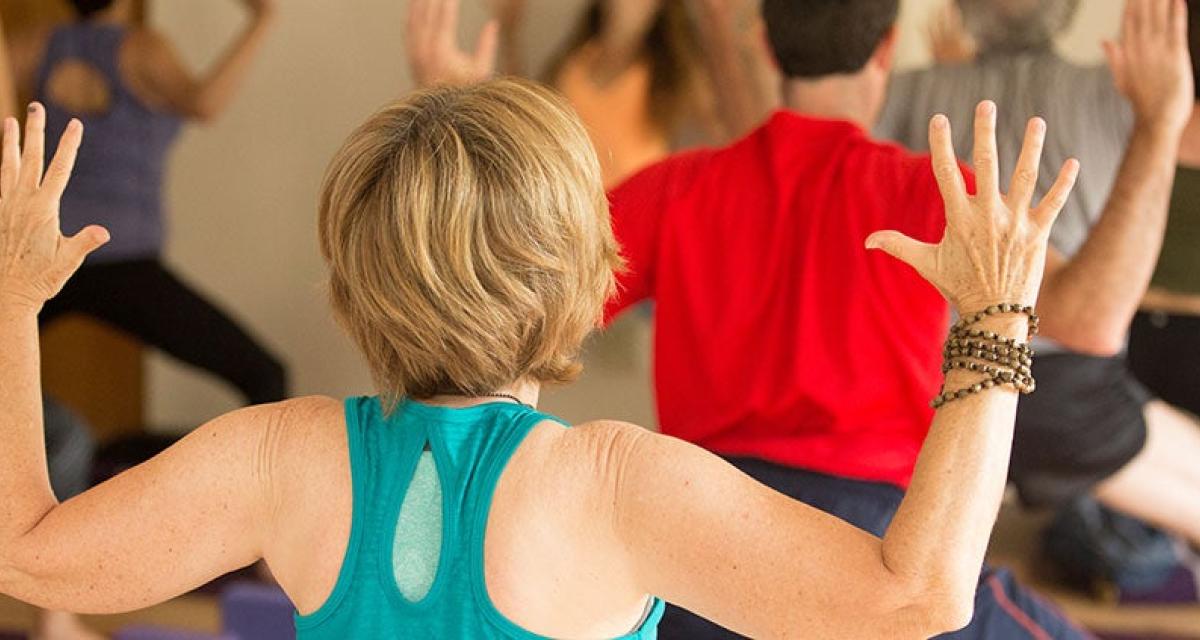
A typical gentle yoga class runs 60-90 minutes and begins with centering—seated breathing, body scans, or intention-setting. Extended warm-up sequences prepare joints and soft tissues through small, repetitive movements such as neck rolls, shoulder circles, and spinal flexion-extension. Asanas (postures) are introduced gradually, often with “moving in and out” of each shape several times before settling into a sustained hold of one to five minutes. Standing poses—when included—are frequently practiced with wall support, chairs, or blocks. The majority of class time is devoted to floor work: supine stretches, gentle twists, hip openers, and forward folds. Props (bolsters, blankets, blocks, straps) are standard, not optional, creating accessibility for varied bodies and abilities. Teachers cue detailed body awareness, offering multiple variations and consistently linking movement with ujjayi or natural breath. Classes conclude with extended savasana (corpse pose), sometimes incorporating yoga nidra or guided relaxation.
Gentle Yoga Today
Gentle yoga is widely available in community centers, senior centers, yoga studios, hospitals, and online platforms. It serves as the primary entry point for older adults, people recovering from surgery or injury, those with chronic pain conditions, pregnant individuals, and anyone seeking a contemplative rather than fitness-oriented practice. The style is often paired with chair yoga (seated modifications), restorative yoga (fully supported passive poses), and slow-flow classes (gentle vinyasa). Corporate wellness programs, cancer support centers, and integrative medicine clinics frequently offer gentle yoga as part of stress reduction and rehabilitation protocols. Teacher trainings specifically focused on gentle, accessible, or adaptive yoga have proliferated, addressing the growing demand for trauma-informed, inclusive instruction.
Common Misconceptions
Gentle yoga is not synonymous with “easy” or “boring.” Many practitioners of vigorous styles report that the slower pace and sustained holds present mental challenges—requiring patience, attention, and the willingness to be with sensation rather than distract through movement. Gentle yoga is also not the same as restorative yoga: restorative practice uses extensive propping to eliminate muscular effort and activate the parasympathetic nervous system through complete rest, while gentle yoga includes active stretching and strengthening, albeit at a measured pace. It is not “yoga for old people”—while accessible to elders, gentle yoga attracts practitioners of all ages seeking nervous system downregulation, injury prevention, or a meditative movement practice. Finally, gentle does not mean ineffective: research supports gentle yoga’s benefits for flexibility, balance, chronic pain management, anxiety reduction, and sleep quality.
How to Begin
Seek classes explicitly labeled “gentle yoga,” “gentle hatha,” or “yoga for beginners” at local studios or online platforms. Communicate with teachers before class about any injuries, limitations, or health conditions—skilled instructors will offer personalized modifications. Invest in or borrow props: a yoga mat, two blocks, a strap, a bolster or firm pillow, and several blankets. If mobility is limited, explore chair yoga as a gateway. Begin with 20-30 minute home sessions using accessible online resources, gradually building duration and complexity. Recommended resources include Relax and Renew by Judith Hanson Lasater (focused on restorative but applicable to gentle practice), classes at Kripalu Center or Sivananda Yoga Vedanta Centers, and teachers trained in therapeutic or adaptive yoga. Approach practice with curiosity rather than goals—gentle yoga rewards those who relinquish the achievement mindset and cultivate embodied presence.