BrightStar
ブログマイチケット
ブログマイチケット
Saved events
ヘルプ・お問い合わせ新規登録ログイン
イベント
  • すべてのイベントを見る
  • ヨガ
  • 瞑想
  • ブレスワーク
  • 気功
  • 聖なる音楽
  • ワールドミュージック
  • メディスンミュージック
  • サウンドヒーリング
  • エクスタティックダンス
  • セレモニー
  • プラントメディスン
  • エネルギーヒーリング
  • サットサンと智慧
  • タントラ
  • リトリート
  • すべてのカテゴリ →
目的地
  • Bali
  • Sedona
  • Los Angeles
  • Costa Rica
  • Tulum
  • Byron Bay
  • San Francisco
  • Austin
  • New York
  • San Diego
  • Denver
  • Seattle
  • Portland
  • Miami
  • London
  • Maui
  • Boulder
  • すべての都市 →
プラットフォーム
  • 主催者向け
  • ムーブメントに参加
  • Sell Globally
  • クリエイター向け
  • チーム向け
  • ライター向け
  • 講師向け
  • キルタンアーティスト向け
  • スタジオ向け
  • フェスティバル向け
  • リトリートセンター向け
  • 非営利団体向け
  • ブランドアンバサダー
  • 無料チケット販売
  • Pro
  • Amplify
  • エコシステム
機能

チケット販売と購入

  • Ticket categories
  • Assigned seating
  • Custom questions
  • Coupon codes
  • Smart pricing
  • Ticket sharing
  • Waitlist
  • Flexible refunds
  • Digital waivers
  • Tip jar
  • Donations and sliding scale
  • Embed widget
  • Mindful checkout
  • Recurring events
  • Private sessions
  • Online courses
  • Summits
  • Rooms and stays
  • Ticket scanner

マーケティングと成長

  • Abandoned cart recovery
  • Visitor recovery
  • Upsells and add-ons
  • Affiliate engine
  • Upsell affiliate network
  • Brand ambassador
  • Meta retargeting
  • Verified buyer network
  • Outbound email marketing
  • Email sequences
  • SMS and WhatsApp
  • Event upsell network
  • Direct mail campaigns
  • SEO engine
  • Syndication
  • Event sharing
  • Custom event pages
  • Artist profiles
  • Link in bio
  • Event blog
  • Blog newsletter

決済

  • Payments, powered by Stripe
  • Buy now, pay later
  • Apple Wallet
  • Multi currency

データと運営

  • Team access
  • Message center
  • Reports
  • Analytics reporting
  • Performance reporting
  • Customer data
  • Integrations
  • Switch from another platform

AI

  • Assistant
  • AI FAQ assistant
  • すべての機能 →
会社
  • 概要
  • よくある質問
  • お問い合わせ
  • ブログ
  • 用語集
  • Guides
  • インスピレーション
  • ヘルプセンター
  • APIドキュメント
  • ブランドアセット
  • プレス
  • 利用規約
  • プライバシーポリシー

イベント

  • すべてのイベントを見る
  • ヨガ
  • 瞑想
  • ブレスワーク
  • 気功
  • 聖なる音楽
  • ワールドミュージック
  • メディスンミュージック

目的地

  • Bali
  • Sedona
  • Los Angeles
  • Costa Rica
  • Tulum
  • Byron Bay
  • San Francisco
  • Austin

プラットフォーム

  • 主催者向け
  • ムーブメントに参加
  • Sell Globally
  • クリエイター向け
  • チーム向け
  • ライター向け
  • 講師向け
  • キルタンアーティスト向け

機能

  • コミュニティネットワーク
  • カート放棄リカバリー
  • チケットカテゴリ
  • 定期イベント
  • 座席指定
  • アフィリエイトシステム
  • ウェイトリスト / 通知
  • すべての機能 →

会社

  • 概要
  • よくある質問
  • お問い合わせ
  • ブログ
  • 用語集
  • Guides
  • 利用規約
  • プライバシーポリシー
続きを読む

イベント

  • サウンドヒーリング
  • エクスタティックダンス
  • セレモニー
  • プラントメディスン
  • エネルギーヒーリング
  • サットサンと智慧
  • タントラ
  • リトリート
  • すべてのカテゴリ →

目的地

  • New York
  • San Diego
  • Denver
  • Seattle
  • Portland
  • Miami
  • London
  • Maui
  • Boulder
  • すべての都市 →

プラットフォーム

  • スタジオ向け
  • フェスティバル向け
  • リトリートセンター向け
  • 非営利団体向け
  • ブランドアンバサダー
  • 無料チケット販売
  • Pro
  • Amplify
  • エコシステム

会社

  • インスピレーション
  • ヘルプセンター
  • APIドキュメント
  • ブランドアセット
  • プレス

チケット販売と購入

  • Ticket categories
  • Assigned seating
  • Custom questions
  • Coupon codes
  • Smart pricing
  • Ticket sharing
  • Waitlist
  • Flexible refunds
  • Digital waivers
  • Tip jar
  • Donations and sliding scale
  • Embed widget
  • Mindful checkout
  • Recurring events
  • Private sessions
  • Online courses
  • Summits
  • Rooms and stays
  • Ticket scanner

マーケティングと成長

  • Abandoned cart recovery
  • Visitor recovery
  • Upsells and add-ons
  • Affiliate engine
  • Upsell affiliate network
  • Brand ambassador
  • Meta retargeting
  • Verified buyer network
  • Outbound email marketing
  • Email sequences
  • SMS and WhatsApp
  • Event upsell network
  • Direct mail campaigns
  • SEO engine
  • Syndication
  • Event sharing
  • Custom event pages
  • Artist profiles
  • Link in bio
  • Event blog
  • Blog newsletter

決済

  • Payments, powered by Stripe
  • Buy now, pay later
  • Apple Wallet
  • Multi currency

データと運営

  • Team access
  • Message center
  • Reports
  • Analytics reporting
  • Performance reporting
  • Customer data
  • Integrations
  • Switch from another platform

AI

  • Assistant
  • AI FAQ assistant
アプリを入手
App StoreからApp StoreGoogle Playで手に入れようGoogle Play
© 2026 BrightStar. 全著作権所有. BrightStar Selection · 写真クレジット · 変更履歴 ·
Inspiration

What Devotion Really Means: Shiva and Inner Sweetness

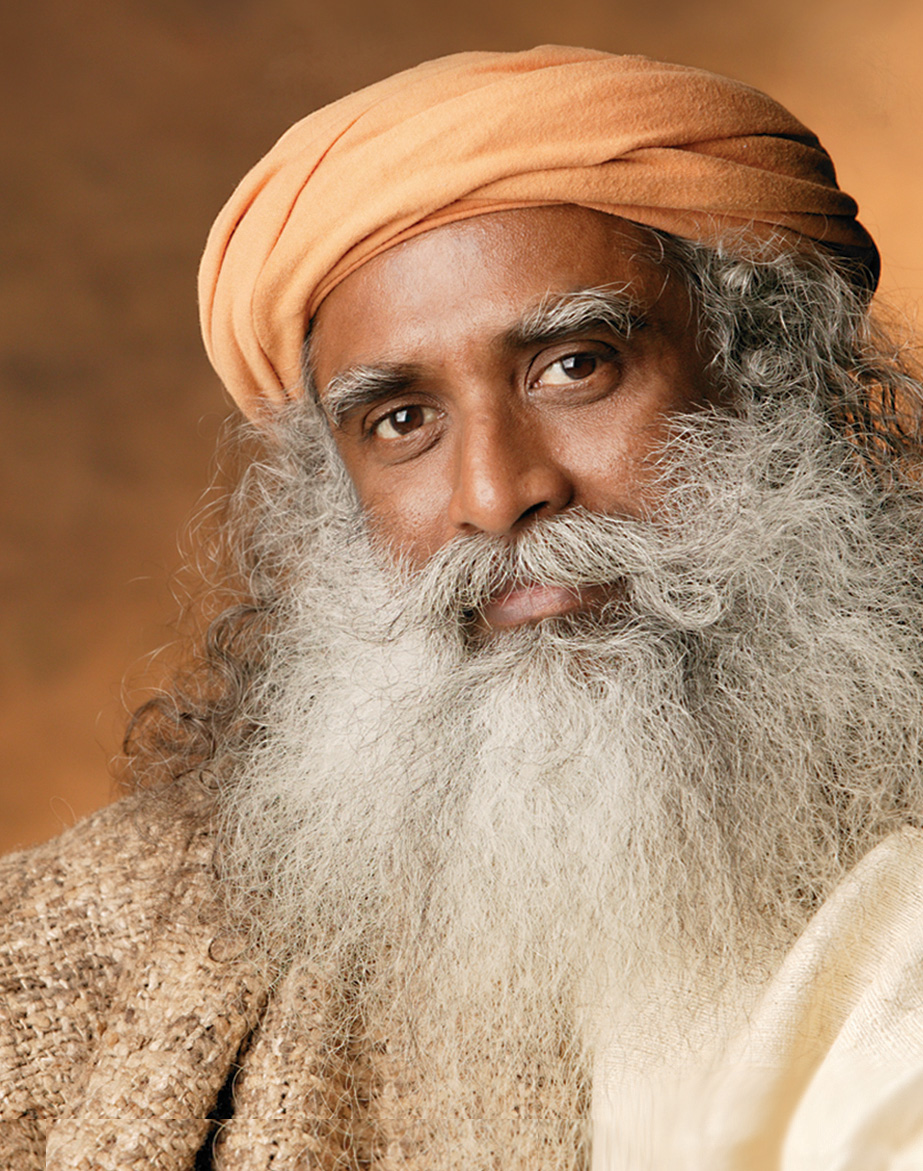
Sadhguru
Sadhguru
Sep 1, 2014
読了 約6分

出典:Sadhguru

Sadhguru reframes devotion not as directed worship toward a deity or external object, but as an enduring state of emotional sweetness—a biochemical condition in which the body and mind naturally function at their peak capacity. This understanding liberates devotion from the realm of belief and positions it as a practical tool for human flourishing, regardless of one's spiritual tradition or lack thereof.

読む · 7セクション

Is Devotion About Believing in Something?

A fundamental misunderstanding surrounds the word "devotion." Many equate it with faith in, or worship of, a specific deity or spiritual figure. This interpretation binds devotion to belief systems, making it inaccessible to those who don't subscribe to particular theological frameworks. Sadhguru challenges this premise directly. When asked about the importance of devotion, he reorients the conversation away from the object of devotion—whether Shiva, Krishna, a guru, or any other focus—and toward the inner state that devotion creates in the practitioner.

The title itself, "Shiva Doesn't Need Your Devotion," encapsulates this shift. Whether Shiva, as a metaphysical principle or deity, exists or requires human worship is beside the point. The real value of devotion lies not in its recipient but in its effect on the one who is devoted.

What Actually Happens When You're Devoted?

Sadhguru describes devotion as "an enduring sweetness of emotion." This is not a temporary sentimental feeling but a sustained biochemical and neurological state. When devotion is present—regardless of its object—the entire physiology shifts. The body and mind operate with greater efficiency, clarity, and resilience. This is observable and measurable, not dependent on metaphysical claims or personal faith.

This sweetness of emotion creates what might be called optimal conditions for human functioning. When the nervous system is bathed in positive emotional states—what might be described as reverence, love, or uplift—the body's natural repair and regeneration mechanisms activate. The mind becomes clearer. Creativity flows more readily. Relationships improve. Health markers often shift favorably. None of these outcomes depend on the literal existence of the object being revered; they depend on the internal state the devotee cultivates.

How Does Emotional Sweetness Change Physical Function?

The ancient yoga tradition understood this long before modern neuroscience could quantify it: emotional states are not separate from physical health. What we call "mind" and "body" are not truly divided; they are a unified system responding constantly to biochemical conditions. When you sustain an emotion of sweetness, gratitude, reverence, or love, your body bathes in neurochemicals that support health and longevity.

Conversely, sustained states of resentment, fear, or anger create a fundamentally different biochemical environment. The sympathetic nervous system remains chronically activated. Cortisol and adrenaline flood the system. Digestion weakens. Immune function suffers. The mind becomes rigid and reactive. Over time, this takes a measurable toll.

Devotion, in this framework, is a tool for maintaining the emotional-biochemical environment in which the organism thrives. It doesn't require belief in an external savior or cosmic order. It requires only the commitment to sustain a particular quality of feeling, moment to moment.

Why Does the Object of Devotion Matter Less Than We Think?

One of Sadhguru's radical insights is that the specific object of devotion is almost immaterial. Some people devote themselves to a deity, others to nature, a teacher, an ideal, or even an abstract principle. What matters is the sincerity and consistency of the devotional state itself. A person devotionally engaged with a stone, if they truly cultivate that sweetness of emotion, will reap the neurological and biochemical benefits. Someone nominally devoted to the "right" deity but doing so mechanically, without genuine emotional engagement, will experience little transformation.

This democratizes devotion. You need not belong to a specific tradition. You need not accept particular theological propositions. You need not even believe that the object of your devotion is "real" in any ultimate sense. What you do need is the capacity and willingness to generate and sustain an emotional quality of sweetness, reverence, or love.

This also removes the burden of intellectual certainty. Many sincere seekers are blocked from devotional practice by doubt—doubt about whether God exists, whether a guru is enlightened, whether ancient myths are literally true. From Sadhguru's perspective, these doubts, while perhaps philosophically interesting, are irrelevant to the practice. Devotion is not a wager or a bet on metaphysical claims. It is a deliberate cultivation of an internal state.

What Does "Enduring" Sweetness Mean in Practice?

The word "enduring" is key. A momentary burst of emotion—a peak experience at a concert, a sudden insight during meditation, a brief moment of connection with another person—is not what Sadhguru is describing. He is talking about a sustainable, background hum of positive emotional tone that persists even during difficulties. This is the sweetness that allows you to navigate hardship without becoming bitter, to face challenges without losing openness.

Cultivating this requires repetition and intention. Some practices that support this state include meditation, mantra repetition, devotional chanting (kirtan), ritual, or contemplative prayer—not necessarily because these practices are supernaturally efficacious, but because they naturally incline the mind toward sweetness and open-heartedness when practiced with sincerity.

A person practicing devotion daily finds that the emotional baseline itself shifts over time. What once required intense effort—generating feelings of gratitude or reverence—becomes more natural. The default emotional tone becomes sweeter, more resilient. This is not mystical; it is how neuroplasticity and habit formation work.

Is Devotion Separate From Spirituality?

In many spiritual traditions, devotion (bhakti in Sanskrit) is presented as one path among several—alongside knowledge (jnana), action (karma), and meditation (dhyana). Sadhguru suggests something different: that devotion is foundational. It is not merely one flavor of spiritual practice among equals; it is the substrate on which all effective practice rests. A mind that is not sweet, not open, not receptive, struggles with meditation, intellectual inquiry, and ethical action alike. A mind suffused with devotional sweetness finds all other practices deepened and accelerated.

This means that whether or not you identify as spiritual or religious, whether or not you hold any metaphysical beliefs, the cultivation of devotional sweetness is a practical health and flourishing tool. A secular person who sustains a state of reverence toward nature, truth, beauty, or human potential may be practicing devotion as effectively as a monk in a temple—and reaping the same psychosomatic benefits.

Where to go from here

If you recognize that your emotional baseline tends toward cynicism, dryness, resentment, or defensiveness, consider experimenting with devotional practices without demanding belief as a prerequisite. Choose an object or principle worthy of your reverence—whether it is nature, a teacher, a deity, an ideal, or simply the mystery of existence itself. Spend time each day, even briefly, consciously generating the emotion of sweetness, gratitude, or love directed toward that focus. Notice what shifts in your physiology, your clarity, your resilience, and your relationships over weeks and months. Devotion, understood this way, is not a matter of faith but of deliberate emotional cultivation and its measurable results.

コメント

会話を読み込み中…

この記事のアーティスト

Sadhguru

Sadhguru

Teacher

A modern mystic and spiritual leader who founded the Isha Foundation, blending ancient yogic wisdom with contemporary life to foster inner transformation and environmental sustainability globally.

プロフィールを見る
トピックを見る
Devotion practiceEmotional healthNeuroscience spiritualityInner sweetnessMeditation basics
よくある質問

よくある質問

Devotion is not about blind belief in a deity or external force. Rather, it is an enduring state of emotional sweetness—a sustained positive emotional condition that allows the body and mind to function optimally. This state can be cultivated through sincere practice regardless of theological belief, and its benefits are biochemical and measurable, not merely mystical.

Yes. The specific object of devotion—whether a deity, a principle, nature, or an abstract ideal—is less important than the genuine cultivation of sweetness and reverence itself. Someone devoted to truth, beauty, or human potential may reap the same neurological and health benefits as someone devoted to a traditional deity, provided the emotional state is sincere and sustained.

Sustained emotional sweetness, the core of devotion, creates a biochemical environment in which the body and mind naturally function better. Positive emotional states activate the parasympathetic nervous system, improve immune function, support digestion, and enhance neurological resilience. Over time, this translates into better health markers, clearer thinking, and greater emotional stability.

Devotion and meditation are related but distinct. Meditation is often about quieting the mind and observing awareness itself, while devotion is about actively cultivating and sustaining a specific emotional state. However, they complement each other: devotional practice can deepen meditation, and meditation can help sustain the emotional sweetness that devotion aims to create.

Momentary devotional feelings—a peak experience or sudden burst of love—are valuable but not what transforms long-term health and psychology. Enduring devotion is a background emotional tone sustained over time through consistent practice. This background sweetness becomes the new baseline from which you operate, changing your nervous system and physiology more profoundly than temporary peaks.

Yes. Sustained devotional sweetness naturally calms the nervous system and shifts the biochemical environment away from chronic stress and fear toward states of openness and resilience. Regular devotional practice trains the mind to maintain a positive emotional baseline even during challenges, reducing the intensity and duration of anxiety and stress responses.

Practices like conscious gratitude, sustained reflection on beauty or truth, contemplative time in nature, devotional chanting to an ideal or principle, and meditation on love or compassion can all cultivate devotional sweetness. The key is sincere, repeated engagement with the object or principle, allowing the emotional state to deepen organically over time.

The literal status of the object of devotion—whether a teacher is truly enlightened, whether a deity is real—is secondary to the sincerity of the devotional state itself. What matters is whether genuine sweetness and reverence arise in you through the practice. The practice's effectiveness lies in the emotional cultivation it inspires, not in metaphysical claims about the object.

こちらもおすすめ

すべて表示
Mind as Vehicle: Are You Driving Consciously?
Inspire

Mind as Vehicle: Are You Driving Consciously?

Explore how the mind functions like a vehicle requiring skilled operation. Learn why unconscious mental habits create suffering and how awar…

9 min read
Sleep Hours and Spiritual Practice: What Yogis Actually Need
Inspire

Sleep Hours and Spiritual Practice: What Yogis Actually Need

Sadhguru reveals his personal sleep patterns and explains why the typical 8-hour prescription doesn't apply to those with disciplined yogic …

8 min read
Medicine Buddha Practice: Feeling Beneath the Thinking
Inspire

Medicine Buddha Practice: Feeling Beneath the Thinking

Lama Rod Owens opens a Monday-night Medicine Buddha session six years into the practice, teaching how to feel an experience instead of think…

10 min read
We Are All Visitors to This Material World: A Gita Reflection
Inspire

We Are All Visitors to This Material World: A Gita Reflection

In a 22-second clip, Radhika Das frames human life as a temporary visit, not a permanent residence. The idea draws on Bhagavad-gītā 8.15 and…

3 min read
すべて見るこちらもおすすめ→

旅をつづける

BrightStarのディレクトリから、さらなる智慧と集いを。

もっと記事を読む

教え、インタビュー、ガイドのライブラリ全体をご覧ください。

すべての記事に戻る →

講師とアーティスト

コンシャスな世界の系譜、音楽家、導き手を探しましょう。

アーティストを探す →

イベントを見つける

キルタン、リトリート、サウンドバス、ブレスワーク、フェスティバル — まもなく開かれます。

イベントを見る →