BrightStar
ブログマイチケット
ブログマイチケット
Saved events
ヘルプ・お問い合わせ新規登録ログイン
イベント
  • すべてのイベントを見る
  • ヨガ
  • 瞑想
  • ブレスワーク
  • 気功
  • 聖なる音楽
  • ワールドミュージック
  • メディスンミュージック
  • サウンドヒーリング
  • エクスタティックダンス
  • セレモニー
  • プラントメディスン
  • エネルギーヒーリング
  • サットサンと智慧
  • タントラ
  • リトリート
  • すべてのカテゴリ →
目的地
  • Bali
  • Sedona
  • Los Angeles
  • Costa Rica
  • Tulum
  • Byron Bay
  • San Francisco
  • Austin
  • New York
  • San Diego
  • Denver
  • Seattle
  • Portland
  • Miami
  • London
  • Maui
  • Boulder
  • すべての都市 →
プラットフォーム
  • 主催者向け
  • ムーブメントに参加
  • Sell Globally
  • クリエイター向け
  • チーム向け
  • ライター向け
  • 講師向け
  • キルタンアーティスト向け
  • スタジオ向け
  • フェスティバル向け
  • リトリートセンター向け
  • 非営利団体向け
  • ブランドアンバサダー
  • 無料チケット販売
  • Pro
  • Amplify
  • エコシステム
機能

チケット販売と購入

  • Ticket categories
  • Assigned seating
  • Custom questions
  • Coupon codes
  • Smart pricing
  • Ticket sharing
  • Waitlist
  • Flexible refunds
  • Digital waivers
  • Tip jar
  • Donations and sliding scale
  • Embed widget
  • Mindful checkout
  • Recurring events
  • Private sessions
  • Online courses
  • Summits
  • Rooms and stays
  • Ticket scanner

マーケティングと成長

  • Abandoned cart recovery
  • Visitor recovery
  • Upsells and add-ons
  • Affiliate engine
  • Upsell affiliate network
  • Brand ambassador
  • Meta retargeting
  • Verified buyer network
  • Outbound email marketing
  • Email sequences
  • SMS and WhatsApp
  • Event upsell network
  • Direct mail campaigns
  • SEO engine
  • Syndication
  • Event sharing
  • Custom event pages
  • Artist profiles
  • Link in bio
  • Event blog
  • Blog newsletter

決済

  • Payments, powered by Stripe
  • Buy now, pay later
  • Apple Wallet
  • Multi currency

データと運営

  • Team access
  • Message center
  • Reports
  • Analytics reporting
  • Performance reporting
  • Customer data
  • Integrations
  • Switch from another platform

AI

  • Assistant
  • AI FAQ assistant
  • すべての機能 →
会社
  • 概要
  • よくある質問
  • お問い合わせ
  • ブログ
  • 用語集
  • Guides
  • インスピレーション
  • ヘルプセンター
  • APIドキュメント
  • ブランドアセット
  • プレス
  • 利用規約
  • プライバシーポリシー

イベント

  • すべてのイベントを見る
  • ヨガ
  • 瞑想
  • ブレスワーク
  • 気功
  • 聖なる音楽
  • ワールドミュージック
  • メディスンミュージック

目的地

  • Bali
  • Sedona
  • Los Angeles
  • Costa Rica
  • Tulum
  • Byron Bay
  • San Francisco
  • Austin

プラットフォーム

  • 主催者向け
  • ムーブメントに参加
  • Sell Globally
  • クリエイター向け
  • チーム向け
  • ライター向け
  • 講師向け
  • キルタンアーティスト向け

機能

  • コミュニティネットワーク
  • カート放棄リカバリー
  • チケットカテゴリ
  • 定期イベント
  • 座席指定
  • アフィリエイトシステム
  • ウェイトリスト / 通知
  • すべての機能 →

会社

  • 概要
  • よくある質問
  • お問い合わせ
  • ブログ
  • 用語集
  • Guides
  • 利用規約
  • プライバシーポリシー
続きを読む

イベント

  • サウンドヒーリング
  • エクスタティックダンス
  • セレモニー
  • プラントメディスン
  • エネルギーヒーリング
  • サットサンと智慧
  • タントラ
  • リトリート
  • すべてのカテゴリ →

目的地

  • New York
  • San Diego
  • Denver
  • Seattle
  • Portland
  • Miami
  • London
  • Maui
  • Boulder
  • すべての都市 →

プラットフォーム

  • スタジオ向け
  • フェスティバル向け
  • リトリートセンター向け
  • 非営利団体向け
  • ブランドアンバサダー
  • 無料チケット販売
  • Pro
  • Amplify
  • エコシステム

会社

  • インスピレーション
  • ヘルプセンター
  • APIドキュメント
  • ブランドアセット
  • プレス

チケット販売と購入

  • Ticket categories
  • Assigned seating
  • Custom questions
  • Coupon codes
  • Smart pricing
  • Ticket sharing
  • Waitlist
  • Flexible refunds
  • Digital waivers
  • Tip jar
  • Donations and sliding scale
  • Embed widget
  • Mindful checkout
  • Recurring events
  • Private sessions
  • Online courses
  • Summits
  • Rooms and stays
  • Ticket scanner

マーケティングと成長

  • Abandoned cart recovery
  • Visitor recovery
  • Upsells and add-ons
  • Affiliate engine
  • Upsell affiliate network
  • Brand ambassador
  • Meta retargeting
  • Verified buyer network
  • Outbound email marketing
  • Email sequences
  • SMS and WhatsApp
  • Event upsell network
  • Direct mail campaigns
  • SEO engine
  • Syndication
  • Event sharing
  • Custom event pages
  • Artist profiles
  • Link in bio
  • Event blog
  • Blog newsletter

決済

  • Payments, powered by Stripe
  • Buy now, pay later
  • Apple Wallet
  • Multi currency

データと運営

  • Team access
  • Message center
  • Reports
  • Analytics reporting
  • Performance reporting
  • Customer data
  • Integrations
  • Switch from another platform

AI

  • Assistant
  • AI FAQ assistant
アプリを入手
App StoreからApp StoreGoogle Playで手に入れようGoogle Play
© 2026 BrightStar. 全著作権所有. BrightStar Selection · 写真クレジット · 変更履歴 ·
Inspiration

Ecstatic Movement and Enlightenment: Dance as Spiritual Practice

Sadhguru
Sadhguru
Jan 21, 2024
読了 約6分

出典:Sadhguru

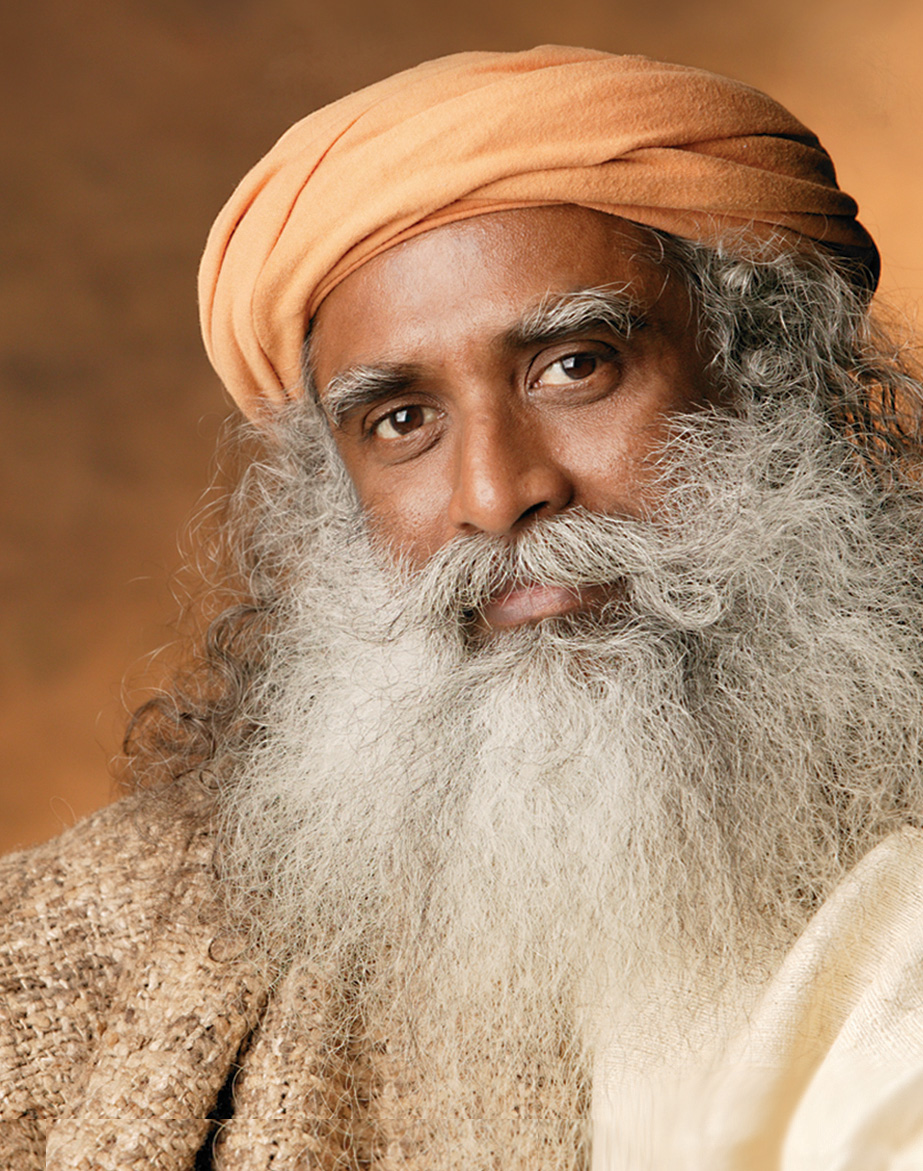
Sadhguru uses spontaneous, ecstatic movement and dance to illustrate how the body can become a direct instrument of spiritual realization. Rather than treating enlightenment as an abstract intellectual achievement, he demonstrates that joy, surrender, and uninhibited physical expression can dissolve the boundary between the dancer and the dance, revealing the natural bliss inherent in consciousness itself. This approach bypasses the rational mind and invites participants into lived experience of the sacred.

読む · 7セクション

What Is Ecstatic Movement as a Spiritual Path?

Ecstatic movement—dancing, swaying, and spontaneous physical expression—has long been a feature of mystical traditions across cultures. Sadhguru's demonstration at the "Soak in Ecstasy of Enlightenment" program in Sydney showcases how uninhibited bodily movement can become a legitimate pathway to spiritual awakening. Rather than treating the body as an obstacle to transcendence (a common misconception in some spiritual traditions), he invites participants to use the body as a direct channel for experiencing states beyond the ordinary mind.

In this framing, ecstatic movement is not about aesthetics or performance. It is a practice of surrender—where the dancer releases control, expectation, and self-consciousness, allowing the body to respond to an inner current of energy or grace. When you stop trying to choreograph your own experience and instead allow yourself to move as life moves through you, a different quality of consciousness becomes accessible.

Why Does the Body Matter in Enlightenment?

Conventional spirituality sometimes treats the body as something to transcend or overcome. Sadhguru's approach is radically different: the body is not separate from consciousness; it is consciousness in a particular form. The nervous system, the heart, the physical vessel—these are not obstacles but instruments of awareness.

When you dance with full presence and surrender, several things shift simultaneously. The thinking mind—which is always busy categorizing, judging, and narrating—quiets down. The body's natural intelligence takes over. You begin to notice that joy is not something you must achieve; it is the default state when effort and resistance dissolve. The boundary between "you" and "the dance" blurs. There is no separate dancer observing the dance; there is only the dance happening.

This is significant because it points to a fundamental truth in non-dual spirituality: enlightenment is not about attaining something new but recognizing what is already present. The ecstasy is always here; we simply obscure it with layers of mental contraction, held beliefs about who we are, and tension in the body. Ecstatic movement strips away those layers.

How Does Surrendering to Movement Lead to Spiritual Experience?

Surrender in the context of ecstatic movement means releasing the grip of the ego—the part of you that is always trying to look good, be in control, and maintain a particular image. When Sadhguru dances freely, without concern for how he appears, he models what genuine surrender looks like. He is not performing enlightenment; he is living it in real time.

The mechanism is simple but profound: when the body moves freely, the nervous system shifts out of the fight-or-flight response and into a parasympathetic state. Simultaneously, when you are fully present in movement—not thinking about the past or future—the mind naturally settles. These two shifts create a window in which deeper states of consciousness become available.

In many spiritual traditions, this state is called ananda or bliss—not happiness dependent on external circumstances, but an intrinsic aliveness that arises when the separate sense of self is temporarily suspended. Ecstatic movement is one of the most direct and joyful paths to this state because it does not require years of sitting in silence or mastering complex philosophy. It simply requires showing up, moving, and allowing.

What Is the Role of Ecstasy in Spiritual Awakening?

Ecstasy is often misunderstood as mere emotional excitement or intoxication. In the spiritual sense, ecstasy (ekstasis in Greek, literally "standing outside") refers to a state where the ordinary boundary of the self is transcended. You are still conscious, but your sense of identity has expanded or dissolved temporarily.

In this expanded state, the usual anxieties of the separate self—fear, ambition, shame—lose their grip. What emerges is a sense of wholeness, peace, and often spontaneous joy. Importantly, ecstasy in this sense is not addictive or fleeting; it leaves a residue of understanding that what you experienced is real and available.

Sadhguru's demonstration of ecstatic movement at the Sydney program suggests that this state is not reserved for monks in caves or years of practice. It is accessible now, in this moment, through the simple act of releasing your body and moving as life wants to move through you. For many participants, this may have been their first direct experience of a state beyond the chatter of the thinking mind—a glimpse of what enlightenment actually tastes like.

Can Dance Be a Gateway to Enlightenment?

Dance has played a central role in spiritual traditions worldwide—from the whirling Dervishes of Sufism to the ecstatic practices of shamanism to the devotional dances of Hindu temples. These traditions understood that the body is not separate from the spirit; it is an expression of it.

In contemporary spiritual practice, where many people are trapped in their heads and disconnected from bodily sensation, ecstatic dance serves a particular function. It reintegrates the body as a valid pathway to truth. It also makes spirituality accessible and joyful rather than austere or difficult.

Sadhguru's role at such events is not to teach dance technique but to remove the barriers to spontaneity. When he dances freely, he gives others permission to do the same. The sight of someone moving with complete unselfconsciousness, with genuine joy, is powerfully contagious. Participants who might normally be self-conscious or held back suddenly find themselves moving, laughing, and accessing states of well-being that seemed impossible moments before.

What Does Enlightenment Feel Like in the Body?

Enlightenment is sometimes portrayed as a transcendence of the body or a purely mental state. But direct experience suggests otherwise. When the boundaries of the separate self dissolve, the body itself becomes a vehicle for experiencing the boundlessness of consciousness. Rather than feeling numb or detached, there is often a heightened sensitivity, a vibrant aliveness in every cell.

In ecstatic movement, this aliveness is directly accessible. Your heartbeat becomes the pulse of the universe. Your breath synchronizes with cosmic rhythms. The pleasure of movement itself—the sensation of the body moving through space—becomes a direct taste of existence. There is no need to believe in these descriptions; moving with full presence and surrender will reveal them directly.

Where to Go From Here

If you resonate with the idea of ecstatic movement as a spiritual practice, the invitation is straightforward: try it. Find a space where you can move freely without judgment. Close your eyes if it helps. Allow your body to respond to music, to silence, to the energy you feel. Notice what happens when you stop trying to look good and simply allow yourself to be moved. Pay attention to the quality of consciousness that emerges when self-consciousness drops away. Over time and with consistent practice, such moments can deepen into a stable recognition of the boundless nature of awareness itself—which is, in essence, what enlightenment points toward.

コメント

会話を読み込み中…

この記事のアーティスト

Sadhguru

Sadhguru

Teacher

A modern mystic and spiritual leader who founded the Isha Foundation, blending ancient yogic wisdom with contemporary life to foster inner transformation and environmental sustainability globally.

プロフィールを見る
トピックを見る
Ecstatic movementEnlightenmentDance spiritualityBody consciousnessBliss ananda
よくある質問

よくある質問

Yes, according to non-dual spiritual traditions, ecstatic movement and dance can be direct pathways to enlightenment by quieting the thinking mind, dissolving self-consciousness, and allowing the body to become an instrument of awareness. When you move with full presence and surrender, you access states of expansion and bliss that transcend the ordinary sense of self.

Happiness is typically dependent on external circumstances and is an emotional state. Ecstasy, in the spiritual sense, refers to a state where the boundary of the separate self is transcended, revealing an intrinsic aliveness and wholeness that exists independent of conditions. Ecstatic states are characterized by expanded consciousness rather than emotional excitement.

Ecstatic movement with full presence shifts the nervous system out of the stress response (fight-or-flight) into the parasympathetic state, while simultaneously settling the thinking mind. This dual shift creates an optimal window for accessing deeper states of consciousness and the natural bliss inherent in existence.

No. Ecstatic movement is not about technique or aesthetics; it is about surrender and presence. The practice is accessible to anyone willing to release self-consciousness and allow their body to move authentically in response to music or inner energy, regardless of dancing ability.

When self-consciousness dissolves and the separation between the dancer and what is being danced dissolves, you experience a state of non-duality where there is no observer separate from the observed. This is a glimpse of enlightenment—a direct recognition of boundless awareness temporarily free from the illusion of a separate self.

Both pathways aim toward the same recognition of boundless awareness and the dissolution of the separate self, but they access it through different means. Meditation typically quiets the mind through stillness, while ecstatic movement accesses the same state through the body's aliveness and surrender, making it more immediately accessible for many people.

For people disconnected from their bodies or trapped in overthinking, ecstatic movement reintegrates bodily sensation and presence, shifting awareness from conceptual thinking to direct experience. The body's natural intelligence takes over when the controlling mind steps back, providing an immediate pathway to peace and presence.

こちらもおすすめ

すべて表示
Mind as Vehicle: Are You Driving Consciously?
Inspire

Mind as Vehicle: Are You Driving Consciously?

Explore how the mind functions like a vehicle requiring skilled operation. Learn why unconscious mental habits create suffering and how awar…

9 min read
Sleep Hours and Spiritual Practice: What Yogis Actually Need
Inspire

Sleep Hours and Spiritual Practice: What Yogis Actually Need

Sadhguru reveals his personal sleep patterns and explains why the typical 8-hour prescription doesn't apply to those with disciplined yogic …

8 min read
Medicine Buddha Practice: Feeling Beneath the Thinking
Inspire

Medicine Buddha Practice: Feeling Beneath the Thinking

Lama Rod Owens opens a Monday-night Medicine Buddha session six years into the practice, teaching how to feel an experience instead of think…

10 min read
We Are All Visitors to This Material World: A Gita Reflection
Inspire

We Are All Visitors to This Material World: A Gita Reflection

In a 22-second clip, Radhika Das frames human life as a temporary visit, not a permanent residence. The idea draws on Bhagavad-gītā 8.15 and…

3 min read
すべて見るこちらもおすすめ→

旅をつづける

BrightStarのディレクトリから、さらなる智慧と集いを。

もっと記事を読む

教え、インタビュー、ガイドのライブラリ全体をご覧ください。

すべての記事に戻る →

講師とアーティスト

コンシャスな世界の系譜、音楽家、導き手を探しましょう。

アーティストを探す →

イベントを見つける

キルタン、リトリート、サウンドバス、ブレスワーク、フェスティバル — まもなく開かれます。

イベントを見る →