BrightStar
ブログマイチケット
ブログマイチケット
Saved events
ヘルプ・お問い合わせ新規登録ログイン
イベント
  • すべてのイベントを見る
  • ヨガ
  • 瞑想
  • ブレスワーク
  • 気功
  • 聖なる音楽
  • ワールドミュージック
  • メディスンミュージック
  • サウンドヒーリング
  • エクスタティックダンス
  • セレモニー
  • プラントメディスン
  • エネルギーヒーリング
  • サットサンと智慧
  • タントラ
  • リトリート
  • すべてのカテゴリ →
目的地
  • Bali
  • Sedona
  • Los Angeles
  • Costa Rica
  • Tulum
  • Byron Bay
  • San Francisco
  • Austin
  • New York
  • San Diego
  • Denver
  • Seattle
  • Portland
  • Miami
  • London
  • Maui
  • Boulder
  • すべての都市 →
プラットフォーム
  • 主催者向け
  • ムーブメントに参加
  • Sell Globally
  • クリエイター向け
  • チーム向け
  • ライター向け
  • 講師向け
  • キルタンアーティスト向け
  • スタジオ向け
  • フェスティバル向け
  • リトリートセンター向け
  • 非営利団体向け
  • ブランドアンバサダー
  • 無料チケット販売
  • Pro
  • Amplify
  • エコシステム
機能

チケット販売と購入

  • Ticket categories
  • Assigned seating
  • Custom questions
  • Coupon codes
  • Smart pricing
  • Ticket sharing
  • Waitlist
  • Flexible refunds
  • Digital waivers
  • Tip jar
  • Donations and sliding scale
  • Embed widget
  • Mindful checkout
  • Recurring events
  • Private sessions
  • Online courses
  • Summits
  • Rooms and stays
  • Ticket scanner

マーケティングと成長

  • Abandoned cart recovery
  • Visitor recovery
  • Upsells and add-ons
  • Affiliate engine
  • Upsell affiliate network
  • Brand ambassador
  • Meta retargeting
  • Verified buyer network
  • Outbound email marketing
  • Email sequences
  • SMS and WhatsApp
  • Event upsell network
  • Direct mail campaigns
  • SEO engine
  • Syndication
  • Event sharing
  • Custom event pages
  • Artist profiles
  • Link in bio
  • Event blog
  • Blog newsletter

決済

  • Payments, powered by Stripe
  • Buy now, pay later
  • Apple Wallet
  • Multi currency

データと運営

  • Team access
  • Message center
  • Reports
  • Analytics reporting
  • Performance reporting
  • Customer data
  • Integrations
  • Switch from another platform

AI

  • Assistant
  • AI FAQ assistant
  • すべての機能 →
会社
  • 概要
  • よくある質問
  • お問い合わせ
  • ブログ
  • 用語集
  • Guides
  • インスピレーション
  • ヘルプセンター
  • APIドキュメント
  • ブランドアセット
  • プレス
  • 利用規約
  • プライバシーポリシー

イベント

  • すべてのイベントを見る
  • ヨガ
  • 瞑想
  • ブレスワーク
  • 気功
  • 聖なる音楽
  • ワールドミュージック
  • メディスンミュージック

目的地

  • Bali
  • Sedona
  • Los Angeles
  • Costa Rica
  • Tulum
  • Byron Bay
  • San Francisco
  • Austin

プラットフォーム

  • 主催者向け
  • ムーブメントに参加
  • Sell Globally
  • クリエイター向け
  • チーム向け
  • ライター向け
  • 講師向け
  • キルタンアーティスト向け

機能

  • コミュニティネットワーク
  • カート放棄リカバリー
  • チケットカテゴリ
  • 定期イベント
  • 座席指定
  • アフィリエイトシステム
  • ウェイトリスト / 通知
  • すべての機能 →

会社

  • 概要
  • よくある質問
  • お問い合わせ
  • ブログ
  • 用語集
  • Guides
  • 利用規約
  • プライバシーポリシー
続きを読む

イベント

  • サウンドヒーリング
  • エクスタティックダンス
  • セレモニー
  • プラントメディスン
  • エネルギーヒーリング
  • サットサンと智慧
  • タントラ
  • リトリート
  • すべてのカテゴリ →

目的地

  • New York
  • San Diego
  • Denver
  • Seattle
  • Portland
  • Miami
  • London
  • Maui
  • Boulder
  • すべての都市 →

プラットフォーム

  • スタジオ向け
  • フェスティバル向け
  • リトリートセンター向け
  • 非営利団体向け
  • ブランドアンバサダー
  • 無料チケット販売
  • Pro
  • Amplify
  • エコシステム

会社

  • インスピレーション
  • ヘルプセンター
  • APIドキュメント
  • ブランドアセット
  • プレス

チケット販売と購入

  • Ticket categories
  • Assigned seating
  • Custom questions
  • Coupon codes
  • Smart pricing
  • Ticket sharing
  • Waitlist
  • Flexible refunds
  • Digital waivers
  • Tip jar
  • Donations and sliding scale
  • Embed widget
  • Mindful checkout
  • Recurring events
  • Private sessions
  • Online courses
  • Summits
  • Rooms and stays
  • Ticket scanner

マーケティングと成長

  • Abandoned cart recovery
  • Visitor recovery
  • Upsells and add-ons
  • Affiliate engine
  • Upsell affiliate network
  • Brand ambassador
  • Meta retargeting
  • Verified buyer network
  • Outbound email marketing
  • Email sequences
  • SMS and WhatsApp
  • Event upsell network
  • Direct mail campaigns
  • SEO engine
  • Syndication
  • Event sharing
  • Custom event pages
  • Artist profiles
  • Link in bio
  • Event blog
  • Blog newsletter

決済

  • Payments, powered by Stripe
  • Buy now, pay later
  • Apple Wallet
  • Multi currency

データと運営

  • Team access
  • Message center
  • Reports
  • Analytics reporting
  • Performance reporting
  • Customer data
  • Integrations
  • Switch from another platform

AI

  • Assistant
  • AI FAQ assistant
アプリを入手
App StoreからApp StoreGoogle Playで手に入れようGoogle Play
© 2026 BrightStar. 全著作権所有. BrightStar Selection · 写真クレジット · 変更履歴 ·
Inspiration

Spiritual Progress: Intimacy as the Path to Enlightenment

Jack Kornfield
Jack Kornfield
Oct 4, 2024
読了 約7分

出典:Be Here Now Network

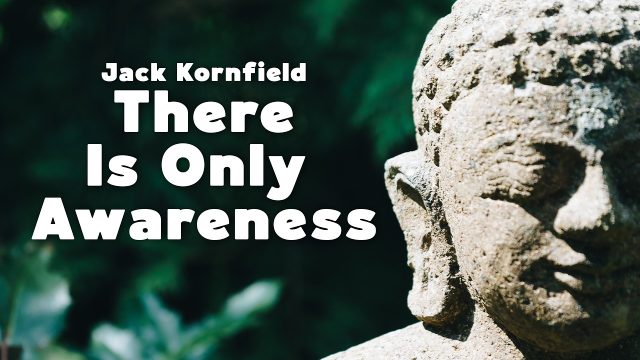
Jack Kornfield reframes enlightenment not as a future achievement to chase, but as developing genuine intimacy with what is already present in this moment. Rather than viewing spiritual progress as climbing toward a distant peak, Kornfield suggests the path involves deepening our capacity to be fully present and intimate with reality as it manifests right now—in our bodies, minds, relationships, and surroundings. This shift in perspective fundamentally changes how practitioners approach their spiritual work.

読む · 7セクション

What Does It Mean to Be Intimate With What's Here?

At the center of Jack Kornfield's teaching is a radical reorientation: enlightenment is not something to obtain somewhere else, but rather a quality of presence and intimacy with the present moment. When Kornfield says "enlightenment is to be intimate with what's here," he is pointing to a fundamental misunderstanding that many spiritual seekers carry—the belief that awakening means transcending or leaving behind the ordinary world.

Intimacy, in this context, means more than casual awareness. It refers to a deep, direct, non-resistant relationship with experience as it unfolds. To be intimate with what's here means to meet your body, emotions, thoughts, and surroundings without the filter of judgment, fear, or the constant push toward something different. It means recognizing that the very experience you're having right now—the sensations, the feelings, the moment itself—is already the field where enlightenment can unfold.

This teaching directly challenges the common spiritual narrative in which practitioners believe they must transcend the body, emotions, or ordinary life to find truth. Instead, Kornfield points to the paradox that the deepest freedom comes through full engagement with what is, rather than resistance to it.

How Is Spiritual Progress Actually Measured?

A key question that arises from this framing is: how do we recognize progress if the destination is not somewhere else? Kornfield's answer implies that spiritual maturation is measured by the quality of our presence and the depth of our intimacy with experience, not by special experiences or superpowers.

Progress along the spiritual path might look like:

  • An increased capacity to be present with difficulty, pain, or discomfort without immediately reaching for distraction or escape
  • Greater warmth, authenticity, and genuine connection in relationships—a sign that you are meeting others with real intimacy rather than projection
  • A reduction in the constant mental commentary and judgment that creates distance between awareness and direct experience
  • The ability to rest more fully in the ordinary moments: a meal, a conversation, a breath, a walk
  • Increased equanimity and inner stability even as external circumstances change

This means that spiritual progress is not about acquiring something new but about removing the layers of habitual contraction, fear, and resistance that prevent intimacy. It is a process of deepening and opening rather than achieving and accumulating.

Why Do Spiritual Seekers Often Misunderstand the Goal?

The confusion about what enlightenment actually is runs deep in spiritual culture. Many practitioners arrive at meditation practice or spiritual teaching with the unconscious belief that they need to fix themselves, transcend their humanity, or reach a permanent state of bliss that never changes. This goal-oriented framework, while understandable, fundamentally misses what liberation actually points to.

Kornfield's teaching addresses this by suggesting that the seeking itself can become an obstacle. When you are constantly looking for enlightenment somewhere else—in a future realization, a special experience, or a permanent state—you miss the aliveness and presence available right now. The seeking becomes a way of running from intimacy rather than toward it.

Many spiritual practitioners report that the moment they stopped straining and started actually paying attention to what was already present, something shifted. Not because a new insight arrived, but because the resistance to what is had begun to relax.

Where Is the Spiritual Path Actually Leading?

A profound implication of Kornfield's teaching is contained in the subtitle of his full talk: "Where We're Going is Here." This is not poetic metaphor but precise instruction. The direction of the spiritual path is not outward into some transcendent realm, but inward and downward into the actual texture of this life, this body, this moment.

This reframing has practical significance. It means you don't need to wait for perfect conditions to practice presence. You don't need to retreat to a monastery or achieve a certain level of mental purity. The spiritual path is available right now in whatever circumstances you find yourself—at work, in traffic, with your family, in your own difficult emotions.

This also suggests that enlightenment is not rare or reserved for special people. The capacity for intimacy with what's here is available to anyone willing to turn their attention toward it, to notice the resistance they habitually bring to experience, and to practice opening instead of contracting.

What Role Does Practice Play in Developing Intimacy?

Understanding that enlightenment is intimacy with what's here doesn't mean passivity or acceptance of unconscious patterns. Kornfield, as a longtime meditation teacher, emphasizes that practice remains essential—but practice shifts in nature when reoriented toward presence rather than achievement.

Meditation, in this context, becomes a laboratory for developing intimacy. In sitting practice, you meet your own mind directly. You notice the patterns of resistance, craving, and aversion that normally run on autopilot. You develop the capacity to observe thoughts and emotions without being swept away by them. You practice returning again and again to what's actually happening, without demanding that it be different.

This kind of practice naturally extends beyond formal meditation into daily life. Eating becomes a practice in intimacy with taste, texture, and nourishment. Walking becomes a practice in intimacy with the body and the environment. Conversations become opportunities to be genuinely present with another person rather than lost in your own mental narrative about them.

How Does Intimacy With Pain and Difficulty Fit Into This Path?

One of the deepest tests of the teaching "enlightenment is to be intimate with what's here" is what happens when what's here is suffering—physical pain, emotional difficulty, or existential challenge. The tendency is to see these experiences as obstacles to enlightenment, as signs that something has gone wrong.

Kornfield's perspective suggests something different: these difficult experiences are not separate from the path; they are invitations to deepen intimacy. The capacity to meet pain with presence rather than resistance, to stay with grief rather than numb it, to allow difficult emotions to exist without being controlled by them—this is where profound transformation often occurs.

This is not endorsement of suffering or spiritual masochism. Rather, it is recognition that suffering diminishes in power when met with full presence and acceptance, and that many seekers report that their greatest spiritual openings came through their greatest difficulties.

Where to Go From Here

The teaching that enlightenment is intimacy with what's here invites a fundamental reset in how you approach your spiritual life. Rather than asking "What do I need to achieve?" or "When will I finally get there?", ask instead: "What is present right now that I'm not fully meeting?" and "Where am I resisting reality and how might I soften?"

This might begin with a simple practice: in conversation, can you be more fully present with the other person? In a meal, can you actually taste what you're eating? In your body, can you notice sensations without judgment? In your emotions, can you allow them to exist without trying to change them?

The path, Kornfield teaches, is not somewhere you're going. Where you're going is here. The entire journey is an invitation to come home to what's already present.

コメント

会話を読み込み中…

この記事のアーティスト

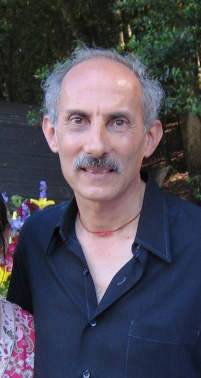
Jack Kornfield

Jack Kornfield

Meditation Teacher

Jack Kornfield, Ph.D.

プロフィールを見る
Ram Dass

Ram Dass

Spiritual Teacher

Ram Dass (born Richard Alpert, 1931-2019) was an American spiritual teacher, psychologist, and author whose 1971 book Be Here Now helped popularize Eastern spirituality in the West. A Harvard psychologist turned Hindu devotee, he bridged psychedelic research, yoga, and conscious living for millions.

プロフィールを見る
トピックを見る
EnlightenmentSpiritual progressPresenceMeditationIntimacy consciousness
よくある質問

よくある質問

Kornfield teaches that enlightenment is not a distant state to achieve but a quality of deep, non-resistant presence with whatever is actually occurring right now—your body, emotions, surroundings, and experience. Rather than transcending reality, it involves meeting reality with full attention and openness.

Spiritual progress isn't measured by special experiences but by increasing capacity to be present with difficulty without escaping, greater authenticity in relationships, reduced mental judgment, and more ease resting in ordinary moments. It's about deepening intimacy with what's here rather than acquiring something new.

Enlightenment as intimacy is available in all moments—while eating, working, conversing, or walking. Meditation provides a laboratory for developing this capacity, but the actual practice extends into how you meet every experience throughout your day.

Rather than seeing suffering as an obstacle to enlightenment, Kornfield suggests that difficult experiences are invitations to deepen intimacy. Meeting pain with presence rather than resistance, and allowing emotions to exist without fighting them, often leads to profound transformation.

The teaching points to something different: it's about removing the layers of resistance and contraction that prevent intimacy with what is. As you open to reality more fully, qualities like authenticity, warmth, and wisdom naturally emerge—not as goals to chase, but as expressions of deeper presence.

Seeking enlightenment often creates distance from the present by treating it as a stepping stone to somewhere else. Being intimate with the present means actually engaging with this moment fully, which paradoxically is where awakening happens. The seeking itself can be an obstacle to the opening you're after.

こちらもおすすめ

すべて表示
Creating Inner Peace During Conflict and War
Inspire

Creating Inner Peace During Conflict and War

Learn how to maintain an open heart and inner peace even amid external war and suffering. A Buddhist teacher's guidance on compassion and re…

7 min read
Buddhist Psychology: Awareness as the Foundation of Mind
Inspire

Buddhist Psychology: Awareness as the Foundation of Mind

Buddhist psychology teaches that awareness is ever-present and foundational to our experience. By quieting the mind and opening the heart, w…

8 min read
Chanting in the King's Chamber: Sound Inside the Great Pyramid
Inspire

Chanting in the King's Chamber: Sound Inside the Great Pyramid

Steven Halpern's four-minute video layers a 1981 chant recorded inside the Great Pyramid's King's Chamber with a studio crystal bowl. Here i…

5 min read
Can AI Become Conscious? A Close Reading of One Teacher's Answer
Inspire

Can AI Become Conscious? A Close Reading of One Teacher's Answer

Eckhart Tolle says AI is not conscious the way humans are, and that a machine could only become a medium for consciousness. Here is what his…

9 min read
すべて見るこちらもおすすめ→

旅をつづける

BrightStarのディレクトリから、さらなる智慧と集いを。

もっと記事を読む

教え、インタビュー、ガイドのライブラリ全体をご覧ください。

すべての記事に戻る →

講師とアーティスト

コンシャスな世界の系譜、音楽家、導き手を探しましょう。

アーティストを探す →

イベントを見つける

キルタン、リトリート、サウンドバス、ブレスワーク、フェスティバル — まもなく開かれます。

イベントを見る →