BrightStar
ブログマイチケット
ブログマイチケット
Saved events
ヘルプ・お問い合わせ新規登録ログイン
イベント
  • すべてのイベントを見る
  • 探求者向け
  • ヨガ
  • 瞑想
  • ブレスワーク
  • 気功
  • 聖なる音楽
  • ワールドミュージック
  • メディスンミュージック
  • サウンドヒーリング
  • エクスタティックダンス
  • セレモニー
  • プラントメディスン
  • エネルギーヒーリング
  • サットサンと智慧
  • タントラ
  • リトリート
  • すべてのカテゴリ →
目的地
  • Bali
  • Sedona
  • Los Angeles
  • Costa Rica
  • Tulum
  • Byron Bay
  • San Francisco
  • Austin
  • New York
  • San Diego
  • Seattle
  • Portland
  • Miami
  • London
  • Maui
  • Boulder
  • Oakland
  • すべての都市 →
プラットフォーム
  • 無料でイベントを掲載
  • Autopilot
  • ムーブメントに参加
  • Sell Globally
  • クリエイター向け
  • チーム向け
  • ライター向け
  • 講師向け
  • キルタンアーティスト向け
  • スタジオ向け
  • フェスティバル向け
  • リトリートセンター向け
  • 非営利団体向け
  • ブランドアンバサダー
  • 無料チケット販売
  • Elevate
  • Amplify
  • エコシステム
機能

チケット販売と購入

  • Ticket categories
  • Assigned seating
  • Custom questions
  • Coupon codes
  • Smart pricing
  • Ticket sharing
  • Waitlist
  • Flexible refunds
  • Digital waivers
  • Tip jar
  • Donations and sliding scale
  • Embed widget
  • Mindful checkout
  • Recurring events
  • Private sessions
  • Online courses
  • Summits
  • Rooms and stays
  • Ticket scanner

マーケティングと成長

  • Abandoned cart recovery
  • Visitor recovery
  • Upsells and add-ons
  • Affiliate engine
  • Upsell affiliate network
  • Brand ambassador
  • Meta retargeting
  • Verified buyer network
  • Outbound email marketing
  • Email sequences
  • SMS and WhatsApp
  • Event upsell network
  • Direct mail campaigns
  • SEO engine
  • Syndication
  • Event sharing
  • Custom event pages
  • Artist profiles
  • Link in bio
  • Event blog
  • Blog newsletter

決済

  • Payments, powered by Stripe
  • Buy now, pay later
  • Apple Wallet
  • Multi currency

データと運営

  • Team access
  • Message center
  • Reports
  • Analytics reporting
  • Performance reporting
  • Customer data
  • Integrations
  • Switch from another platform

AI

  • Maestro
  • AI FAQ assistant
  • すべての機能 →
会社
  • 概要
  • よくある質問
  • お問い合わせ
  • ブログ
  • 用語集
  • インスピレーション
  • ヘルプセンター
  • APIドキュメント
  • ブランドアセット
  • プレス
  • 利用規約
  • プライバシーポリシー

イベント

  • すべてのイベントを見る
  • 探求者向け
  • ヨガ
  • 瞑想
  • ブレスワーク
  • 気功
  • 聖なる音楽
  • ワールドミュージック

目的地

  • Bali
  • Sedona
  • Los Angeles
  • Costa Rica
  • Tulum
  • Byron Bay
  • San Francisco
  • Austin

プラットフォーム

  • 無料でイベントを掲載
  • Autopilot
  • ムーブメントに参加
  • Sell Globally
  • クリエイター向け
  • チーム向け
  • ライター向け
  • 講師向け

機能

  • コミュニティネットワーク
  • カート放棄リカバリー
  • チケットカテゴリ
  • 定期イベント
  • 座席指定
  • アフィリエイトシステム
  • ウェイトリスト / 通知
  • すべての機能 →

会社

  • 概要
  • よくある質問
  • お問い合わせ
  • ブログ
  • 用語集
  • インスピレーション
  • 利用規約
  • プライバシーポリシー
続きを読む

イベント

  • メディスンミュージック
  • サウンドヒーリング
  • エクスタティックダンス
  • セレモニー
  • プラントメディスン
  • エネルギーヒーリング
  • サットサンと智慧
  • タントラ
  • リトリート
  • すべてのカテゴリ →

目的地

  • New York
  • San Diego
  • Seattle
  • Portland
  • Miami
  • London
  • Maui
  • Boulder
  • Oakland
  • すべての都市 →

プラットフォーム

  • キルタンアーティスト向け
  • スタジオ向け
  • フェスティバル向け
  • リトリートセンター向け
  • 非営利団体向け
  • ブランドアンバサダー
  • 無料チケット販売
  • Elevate
  • Amplify
  • エコシステム

会社

  • ヘルプセンター
  • APIドキュメント
  • ブランドアセット
  • プレス

チケット販売と購入

  • Ticket categories
  • Assigned seating
  • Custom questions
  • Coupon codes
  • Smart pricing
  • Ticket sharing
  • Waitlist
  • Flexible refunds
  • Digital waivers
  • Tip jar
  • Donations and sliding scale
  • Embed widget
  • Mindful checkout
  • Recurring events
  • Private sessions
  • Online courses
  • Summits
  • Rooms and stays
  • Ticket scanner

マーケティングと成長

  • Abandoned cart recovery
  • Visitor recovery
  • Upsells and add-ons
  • Affiliate engine
  • Upsell affiliate network
  • Brand ambassador
  • Meta retargeting
  • Verified buyer network
  • Outbound email marketing
  • Email sequences
  • SMS and WhatsApp
  • Event upsell network
  • Direct mail campaigns
  • SEO engine
  • Syndication
  • Event sharing
  • Custom event pages
  • Artist profiles
  • Link in bio
  • Event blog
  • Blog newsletter

決済

  • Payments, powered by Stripe
  • Buy now, pay later
  • Apple Wallet
  • Multi currency

データと運営

  • Team access
  • Message center
  • Reports
  • Analytics reporting
  • Performance reporting
  • Customer data
  • Integrations
  • Switch from another platform

AI

  • Maestro
  • AI FAQ assistant
アプリを入手
App StoreからApp StoreGoogle Playで手に入れようGoogle Play
© 2026 BrightStar. 全著作権所有. 写真クレジット ·
Inspiration

Rest Is Resistance: Rejecting Capitalist Conditioning

Thich Nhat Hanh
Thich Nhat Hanh
Feb 18, 2026
読了 約5分

出典:Plum Village

視聴 · 3

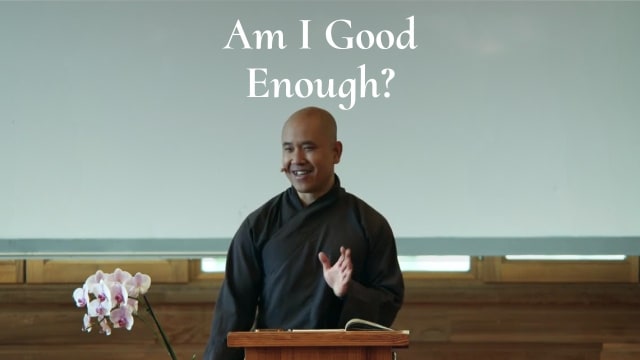
In this brief but potent reflection from Plum Village's Zen and the Art of Saving the Planet course, Sister Peace and Dr. Larry Ward reframe rest not as laziness or indulgence, but as an act of political resistance. When we rest, we interrupt the capitalist conditioning that compels us toward endless consumption, shopping, and productivity—a system that extracts value from both our inner worlds and the lives of those most harmed by exploitation. Rest becomes a practice of refusal: a rejection of the mindset that our worth is measured by what we produce or consume.

読む · 6セクション

What does it mean to call rest "resistance"?

In mainstream capitalist culture, rest is often framed as a luxury, a reward for productivity, or something to feel guilty about. Rest is resistance rejects this framing entirely. Instead, rest is positioned as an active choice to step out of the system that demands constant consumption and output. When we rest, we withdraw our participation from the machinery of perpetual spending and achievement. This withdrawal is not passive—it is a deliberate refusal.

Sister Peace and Dr. Larry Ward emphasize that this resistance operates on multiple levels. First, rest resists the psychological conditioning that tells us we must always be doing, buying, or pursuing. The modern consumer-oriented world has trained us to fill empty time with consumption: shopping, scrolling, acquiring. Rest interrupts that loop. It says: I will be still. I will not spend. I will not hustle. In doing so, the resting person becomes a small but real obstacle to the system that profits from their constant motion.

How does capitalist conditioning colonize our relationship to rest?

The conditioning described in this teaching is not accidental—it is systematic. Capitalist economies depend on consumption and productivity. They need us to feel that our value lies in what we produce and what we buy. From childhood onward, we are trained to believe that leisure time should be filled with purchases, that success means constant activity, that stopping is wasteful or selfish.

This conditioning becomes so normalized that many people experience genuine anxiety when they rest. Rest triggers guilt, restlessness, or the compulsive urge to fill the silence with shopping, entertainment, or work. The system has colonized not just our time but our psychology. We believe that rest is something we have not earned, or that it is time wasted that could be spent making money or acquiring things.

The teaching suggests that to simply rest—without guilt, without rushing to fill the void—is already an act of defiance. It breaks the spell that tells us our worth is conditional on constant productivity and consumption.

Who benefits from keeping us in constant motion?

The framework offered here connects personal rest to systemic harm. The capitalist mindset that demands our constant productivity and consumption does not affect everyone equally. Those most exploited by "systems of harm and extraction"—workers in supply chains, communities living near extractive industries, marginalized populations bearing the costs of overconsumption—experience the burden of this system most severely.

When we rest, we also withdraw from participating in the extraction that sustains consumer culture. We step out of a machine that depends on the labor and resources of others to fuel endless consumption. The practice of rest, then, carries a dimension of solidarity: by refusing to consume compulsively, we reduce demand for goods produced through exploitation.

How does rest relate to inner peace and mindfulness?

This teaching emerges from Plum Village, a monastic community rooted in Thich Nhat Hanh's engaged Buddhism. In that tradition, rest and mindfulness are inseparable. True rest is not unconsciousness or escape—it is mindful presence. When we rest mindfully, we are fully there, not ruminating about what we should be doing or what we should buy next. We are present to our breath, our body, the moment itself.

This quality of rest cultivates inner peace. It is peace not built on the fantasy that we have "earned" it through productivity, but peace that arises simply from stopping, from allowing ourselves to be. This peace is radical because it does not depend on the system; it does not require consumption or achievement to feel valid.

What does "taking mindful action for our Earth" have to do with rest?

The larger course context—Zen and the Art of Saving the Planet—suggests that rest and environmental action are linked. To take mindful action for the Earth requires clarity, energy, and vision that cannot be maintained in a state of burnout. Activists and engaged people often work themselves to exhaustion, replicating the very culture of overwork and extraction they are trying to heal. Rest becomes necessary for sustainable action.

Moreover, mindful action for the Earth often means reducing consumption and resisting the pull to buy more, travel more, extract more. In this sense, rest—sitting quietly, finding contentment without new purchases, refusing the siren song of constant productivity—is itself a form of Earth action. It models and practices the restraint, sufficiency, and care that a healthier relationship with our planet requires.

Where to go from here

To explore these ideas more deeply, consider registering for Plum Village's full online course, Zen and the Art of Saving the Planet (ZASP), where Sister Peace and Dr. Larry Ward offer extended teachings on rest, mindfulness, and engaged action. The course site (plumvillage.org/courses/zen-and-the-art-of-saving-the-planet) provides registration details and further resources.

On a personal level, you might experiment with rest as a practice: designate a period—an hour, an afternoon, a day—where you deliberately refrain from consumption, shopping, or productivity-oriented activity. Notice the urges that arise. Notice the narratives about guilt, laziness, or wasted time. Simply observe them. In that observation and refusal to act on the urge to consume or produce, you are practicing exactly what this teaching describes. Rest becomes both a contemplative practice and a small political act.

コメント

会話を読み込み中…

Transcript

[0:00] Rest is resistance. When we rest,

[0:03] >> we are resisting the the the

[0:06] >> the urge to uh

[0:08] >> consume.

[0:09] >> Oh yeah.

[0:10] >> To shop.

[0:11] >> All these things we habitually been

[0:14] conditioned to especially by the modern

[0:17] >> consumeroriented

[0:19] world.

この記事のアーティスト

Thich Nhat Hanh

Thich Nhat Hanh

Mindfulness Teacher

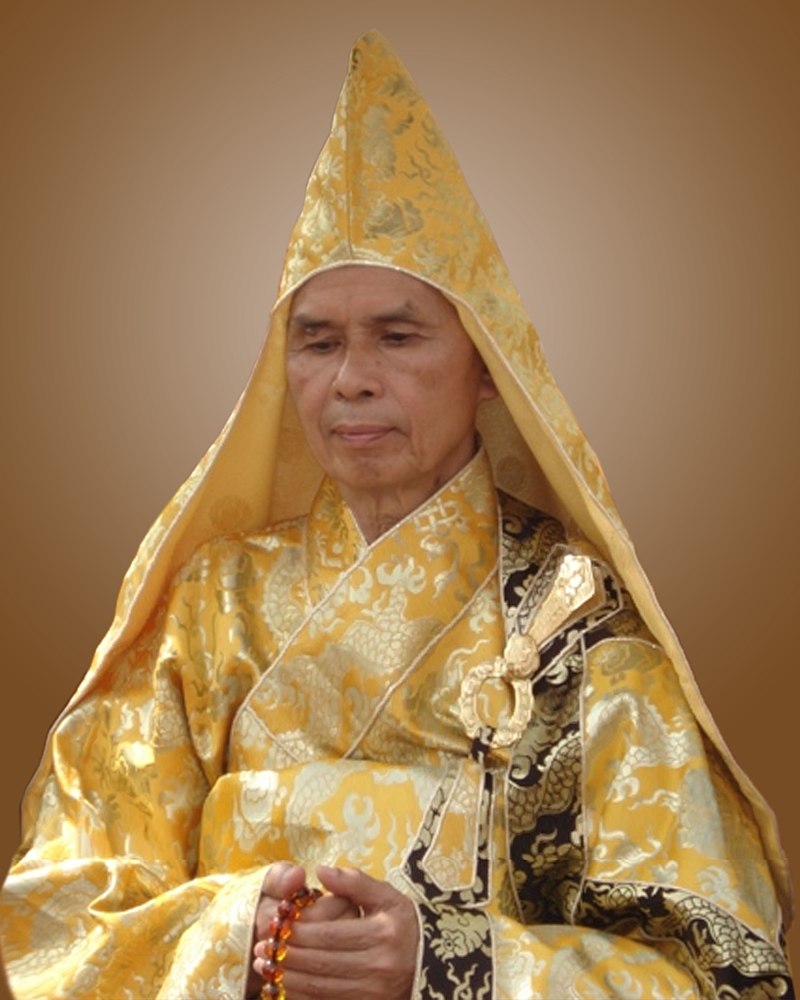
Thich Nhat Hanh (1926–2022) was a Vietnamese Zen master, author and peace activist who founded the Plum Village Tradition and taught mindfulness as a path to understanding, compassion and engaged action.

プロフィールを見る
トピックを見る
Rest resistanceCapitalism critiqueMindfulness actionEngaged buddhismConsumption
よくある質問

よくある質問

Yes, according to this teaching. When you rest, you refuse to participate in the capitalist cycle of constant consumption and productivity. You withdraw your labor and spending from a system that profits from your motion, making rest an active choice to step outside the machinery rather than a passive absence of activity.

Rest reduces consumption—you are not shopping, traveling, or demanding resources—which directly lowers your footprint. Additionally, sustainable environmental action requires activists who are not burned out. Rest enables the clarity and energy needed for meaningful, long-term engagement with Earth-centered work.

Capitalist culture conditions us to believe our worth depends on productivity and consumption. That guilt is the internalized voice of the system telling you to keep moving. Recognizing this conditioning is the first step to practicing rest without shame and seeing guilt itself as evidence of how deeply the system has shaped us.

Rest is conscious, intentional, and often involves mindful presence. Laziness is typically avoidance or unconsciousness. Rest practiced with awareness—fully being present without distraction—is an active choice that builds inner peace and cultivates clarity, not escapism.

The system that demands constant productivity and consumption depends on exploiting workers in supply chains and extractive industries. When you rest and refuse to compulsively consume, you reduce demand for goods made through exploitation, creating a link between personal rest and solidarity with those harmed by extraction.

Yes. You do not need to abandon society to practice rest as resistance. Even small acts—resting without guilt, finding contentment without purchases, refusing to fill every moment with productivity—interrupt the system's hold on you and model an alternative way of being.

こちらもおすすめ

すべて表示
Liberation Through Grief and Self-Worth in Buddhist Practice
Inspire

Liberation Through Grief and Self-Worth in Buddhist Practice

Br. Phap Huu explores how recognizing our inherent goodness and learning to grieve openly within community liberates us from suffering and s…

11 min read
Living Gems Archive: Preserving Thích Nhất Hạnh's Dharma for the World
Inspire

Living Gems Archive: Preserving Thích Nhất Hạnh's Dharma for the World

Living Gems is a searchable digital archive of Thích Nhất Hạnh's teachings, built by Plum Village to preserve and share the dharma globally …

10 min read
Monastic Life as Energy Practice: Lessons for Novices and Practitioners
Inspire

Monastic Life as Energy Practice: Lessons for Novices and Practitioners

Sister Thuan Nghiem guides new monastics on using schedule, simplicity, and sangha to harness energy for transformation and service.…

8 min read
Rains Retreat Teaching: Transforming the Discriminating Mind
Inspire

Rains Retreat Teaching: Transforming the Discriminating Mind

Sister Hoi Nghiem opens the 2026 Rains Retreat at Plum Village with a teaching on the five aggregates, right diligence, and the mind of disc…

9 min read
すべて見るこちらもおすすめ→

旅をつづける

BrightStarのディレクトリから、さらなる智慧と集いを。

もっと記事を読む

教え、インタビュー、ガイドのライブラリ全体をご覧ください。

すべての記事に戻る →

講師とアーティスト

コンシャスな世界の系譜、音楽家、導き手を探しましょう。

アーティストを探す →

イベントを見つける

キルタン、リトリート、サウンドバス、ブレスワーク、フェスティバル — まもなく開かれます。

イベントを見る →