BrightStar
ブログマイチケット
ブログマイチケット
Saved events
ヘルプ・お問い合わせ新規登録ログイン
イベント
  • すべてのイベントを見る
  • ヨガ
  • 瞑想
  • ブレスワーク
  • 気功
  • 聖なる音楽
  • ワールドミュージック
  • メディスンミュージック
  • サウンドヒーリング
  • エクスタティックダンス
  • セレモニー
  • プラントメディスン
  • エネルギーヒーリング
  • サットサンと智慧
  • タントラ
  • リトリート
  • すべてのカテゴリ →
目的地
  • Bali
  • Sedona
  • Los Angeles
  • Costa Rica
  • Tulum
  • Byron Bay
  • San Francisco
  • Austin
  • New York
  • San Diego
  • Denver
  • Seattle
  • Portland
  • Miami
  • London
  • Maui
  • Boulder
  • すべての都市 →
プラットフォーム
  • 主催者向け
  • ムーブメントに参加
  • Sell Globally
  • クリエイター向け
  • チーム向け
  • ライター向け
  • 講師向け
  • キルタンアーティスト向け
  • スタジオ向け
  • フェスティバル向け
  • リトリートセンター向け
  • 非営利団体向け
  • ブランドアンバサダー
  • 無料チケット販売
  • Pro
  • Amplify
  • エコシステム
機能

チケット販売と購入

  • Ticket categories
  • Assigned seating
  • Custom questions
  • Coupon codes
  • Smart pricing
  • Ticket sharing
  • Waitlist
  • Flexible refunds
  • Digital waivers
  • Tip jar
  • Donations and sliding scale
  • Embed widget
  • Mindful checkout
  • Recurring events
  • Private sessions
  • Online courses
  • Summits
  • Rooms and stays
  • Ticket scanner

マーケティングと成長

  • Abandoned cart recovery
  • Visitor recovery
  • Upsells and add-ons
  • Affiliate engine
  • Upsell affiliate network
  • Brand ambassador
  • Meta retargeting
  • Verified buyer network
  • Outbound email marketing
  • Email sequences
  • SMS and WhatsApp
  • Event upsell network
  • Direct mail campaigns
  • SEO engine
  • Syndication
  • Event sharing
  • Custom event pages
  • Artist profiles
  • Link in bio
  • Event blog
  • Blog newsletter

決済

  • Payments, powered by Stripe
  • Buy now, pay later
  • Apple Wallet
  • Multi currency

データと運営

  • Team access
  • Message center
  • Reports
  • Analytics reporting
  • Performance reporting
  • Customer data
  • Integrations
  • Switch from another platform

AI

  • Assistant
  • AI FAQ assistant
  • すべての機能 →
会社
  • 概要
  • よくある質問
  • お問い合わせ
  • ブログ
  • 用語集
  • Guides
  • インスピレーション
  • ヘルプセンター
  • APIドキュメント
  • ブランドアセット
  • プレス
  • 利用規約
  • プライバシーポリシー

イベント

  • すべてのイベントを見る
  • ヨガ
  • 瞑想
  • ブレスワーク
  • 気功
  • 聖なる音楽
  • ワールドミュージック
  • メディスンミュージック

目的地

  • Bali
  • Sedona
  • Los Angeles
  • Costa Rica
  • Tulum
  • Byron Bay
  • San Francisco
  • Austin

プラットフォーム

  • 主催者向け
  • ムーブメントに参加
  • Sell Globally
  • クリエイター向け
  • チーム向け
  • ライター向け
  • 講師向け
  • キルタンアーティスト向け

機能

  • コミュニティネットワーク
  • カート放棄リカバリー
  • チケットカテゴリ
  • 定期イベント
  • 座席指定
  • アフィリエイトシステム
  • ウェイトリスト / 通知
  • すべての機能 →

会社

  • 概要
  • よくある質問
  • お問い合わせ
  • ブログ
  • 用語集
  • Guides
  • 利用規約
  • プライバシーポリシー
続きを読む

イベント

  • サウンドヒーリング
  • エクスタティックダンス
  • セレモニー
  • プラントメディスン
  • エネルギーヒーリング
  • サットサンと智慧
  • タントラ
  • リトリート
  • すべてのカテゴリ →

目的地

  • New York
  • San Diego
  • Denver
  • Seattle
  • Portland
  • Miami
  • London
  • Maui
  • Boulder
  • すべての都市 →

プラットフォーム

  • スタジオ向け
  • フェスティバル向け
  • リトリートセンター向け
  • 非営利団体向け
  • ブランドアンバサダー
  • 無料チケット販売
  • Pro
  • Amplify
  • エコシステム

会社

  • インスピレーション
  • ヘルプセンター
  • APIドキュメント
  • ブランドアセット
  • プレス

チケット販売と購入

  • Ticket categories
  • Assigned seating
  • Custom questions
  • Coupon codes
  • Smart pricing
  • Ticket sharing
  • Waitlist
  • Flexible refunds
  • Digital waivers
  • Tip jar
  • Donations and sliding scale
  • Embed widget
  • Mindful checkout
  • Recurring events
  • Private sessions
  • Online courses
  • Summits
  • Rooms and stays
  • Ticket scanner

マーケティングと成長

  • Abandoned cart recovery
  • Visitor recovery
  • Upsells and add-ons
  • Affiliate engine
  • Upsell affiliate network
  • Brand ambassador
  • Meta retargeting
  • Verified buyer network
  • Outbound email marketing
  • Email sequences
  • SMS and WhatsApp
  • Event upsell network
  • Direct mail campaigns
  • SEO engine
  • Syndication
  • Event sharing
  • Custom event pages
  • Artist profiles
  • Link in bio
  • Event blog
  • Blog newsletter

決済

  • Payments, powered by Stripe
  • Buy now, pay later
  • Apple Wallet
  • Multi currency

データと運営

  • Team access
  • Message center
  • Reports
  • Analytics reporting
  • Performance reporting
  • Customer data
  • Integrations
  • Switch from another platform

AI

  • Assistant
  • AI FAQ assistant
アプリを入手
App StoreからApp StoreGoogle Playで手に入れようGoogle Play
© 2026 BrightStar. 全著作権所有. BrightStar Selection · 写真クレジット · 変更履歴 ·
Inspiration

Nostalgia, Memory & Trust in Life's Cycles

Sam Garrett
Sam Garrett
Jan 1, 2026
読了 約6分

出典:Sam Garrett

視聴 · 7

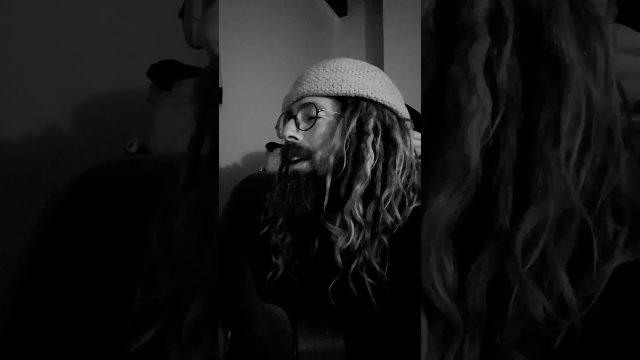
In this brief meditative piece, Sam Garrett weaves together reflections on nostalgia, memory, and the human tendency to hold onto moments from the past. Through poetic language and sonic exploration, he examines how memories of "old moments" and "years gone by with the wind" shape our emotional landscape, while simultaneously exploring themes of trust, the alternation between good and difficult periods, and the inherent cycle of life that "goes, comes, and repairs" itself.

読む · 6セクション

What Is Nostalgia and Why Does It Hold Such Power?

Nostalgia—a sentimental longing for the past—forms the opening premise of Garrett's reflection. At the outset of the piece (11s), he directly names nostalgia as the subject, calling it "nostalgia for the past, for old moments, for years gone by with the wind." This phrasing is significant: the image of years moving "with the wind" suggests that time carries our past moments away from us, making them distant, ethereal, and paradoxically more precious precisely because they are gone.

Garrett does not treat nostalgia as mere sentimental weakness. Instead, he acknowledges it as a genuine dimension of human experience. The memories he invokes are not abstract; they are concrete: "smiles, memories, beautiful feelings" (18s). By grounding nostalgia in sensory and emotional specificity, he validates the impulse to revisit what has already passed. This stands in contrast to many modern frameworks that encourage us to "stay present" and dismiss backward-looking as unhealthy or stuck.

How Does Sound and Sensation Connect Us to Memory?

A distinctive element of Garrett's approach is his use of sound itself as a vehicle for exploring memory. He states, "I made sound for you to [music] errer. I heard it by the sea" (21s, 26s). The reference to the sea—a boundary between past and present, a place where time seems both cyclical and eternal—suggests that memory is not purely mental but embodied and sensory. The sound he creates is meant to evoke, to stir, to make the listener *feel* the texture of what has been.

This sonic approach reflects a deeper truth: nostalgia operates through the body and the senses, not only through thought. A song, a smell, a sound can transport us more completely than any conscious reflection. By positioning himself as a sound-maker serving the listener's memory, Garrett suggests that art and music have a specific role in tending to our relationship with the past.

What Does It Mean That Life Moves Like a Headwind of Time?

Garrett describes time as "a headwind of [music] time" (28s), an evocative metaphor. A headwind pushes against you; it creates resistance. This characterization moves beyond the cliché of time as a linear river flowing forward. Instead, time is something that presses against us, that we must move through with effort. This resonates with the felt experience of loss: the past does not recede gently; it resists our attempts to hold it, and the holding itself requires emotional labor.

Within this difficult relationship with time, Garrett observes that "it's life in a good [music] moment of love and a bad one" (31s, 35s). This juxtaposition—good and bad, love and difficulty—is not presented as a problem to be solved but as the fundamental texture of existence. Life contains both. Neither negates the other. This echoes classical wisdom traditions that recognize duality as intrinsic to embodied existence.

How Does Trust Emerge When People Contain Contradiction?

One of the most profound observations in the piece concerns trust and human nature. Garrett states: "But there are good people, and there are both, who are even easier to trust" (35s, 38s). The phrase "there are both"—people who contain both good and difficult qualities—suggests a mature, non-idealized view of human character. The striking claim that such people are "even easier to trust" inverts conventional wisdom.

Typically, we might assume that people who are purely, consistently "good" are more trustworthy. But Garrett suggests the opposite: people who are conscious of their own contradiction, who acknowledge they contain both capacities, may actually be more trustworthy. This reflects a psychological truth: people who are aware of their shadow side are less likely to be blindsided by their own unconscious impulses, and thus more capable of genuine reliability. They do not labor under the burden of a false, unsustainable persona.

What Is the Cyclical Nature of Life That Garrett Describes?

The closing image brings the piece to a gentle resolution: "Life goes, comes, and repairs" (42s, 45s, 47s). This triad—goes, comes, repairs—presents life not as linear progress but as cycles. Things leave; things return; things mend. This cyclical view offers a kind of comfort: nothing is final. Loss is not permanent erasure. The past that seemed to slip away with the wind can, in some form, come again. And even what breaks can repair itself.

This cyclical perspective differs sharply from progress-based narratives that dominate modern culture. In those frameworks, the past is something to overcome and transcend. Here, the past is something that cycles back, that can be revisited, that informs the present. The repairs Garrett mentions are not a return to an earlier pristine state, but a healing that acknowledges what has broken and integrates that awareness.

Where to Go From Here

If this reflection on nostalgia, trust, and life's cycles resonates with you, consider exploring how your own relationship with the past shapes your present. What memories hold particular sentiency for you? What sensory details—a song, a smell, a location—bring those memories alive in your body? How might you honor nostalgia not as weakness, but as a legitimate way of knowing and feeling?

Additionally, reflect on Garrett's insight about trust and contradiction: in your own life, whom do you trust most easily? Are those people the ones who claim to be fully consistent and "good," or are they people who have integrated awareness of their own complexity? This inversion may reshape how you evaluate trustworthiness in those around you and in yourself.

Finally, experiment with the cyclical view of time that Garrett offers. Rather than experiencing loss as final, ask: how does what I've lost come back to me in new forms? How does repair happen, not through erasing the past, but through integrating it?
コメント

会話を読み込み中…

Transcript

[0:01] [music]

[0:11] [music] Nostalgia for the past, for old

[0:13] moments, for years gone by

[0:16] with the wind. [music]

[0:18] Smiles, memories, beautiful feelings.

[0:21] I made sound for you to [music] errer.

[0:26] I heard it by the sea. It's a

[0:28] headwind of [music] time. It's life in a

[0:31] good [music] moment of love and a

[0:35] bad one. But there are good people, and there are

[0:38] both, who are even easier to trust.

[0:42] [music]

[0:42] Life goes,

[0:45] comes, and

[0:47] repairs.

[0:50] [music]

[0:52] C.

この記事のアーティスト

Sam Garrett

Sam Garrett

Musician

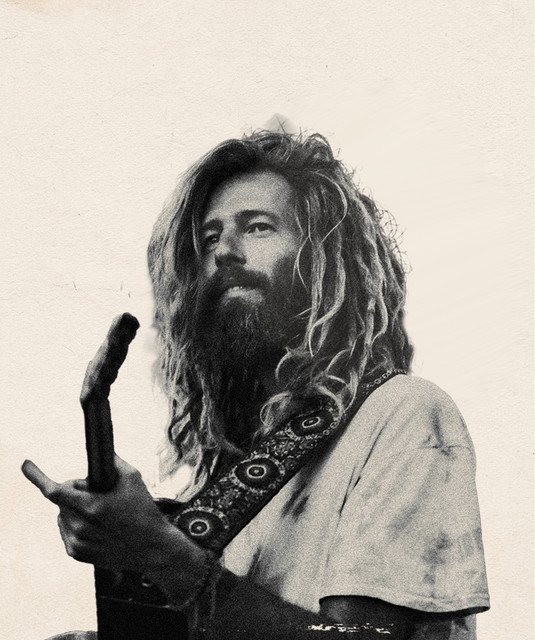
Brighton-born folk-soul musician who weaves spiritual themes, mantra, and world music influences into transformative performances that inspire self-discovery and healing.

プロフィールを見る
トピックを見る
NostalgiaMemoryTrustTime cyclesEmbodied experience
よくある質問

よくある質問

According to Garrett's perspective, nostalgia is not weakness but a genuine dimension of human experience. He validates it as a legitimate way of connecting to 'smiles, memories, beautiful feelings.' Rather than dismissing backward-looking as stuck, he suggests that the past—carried by time like moments on the wind—deserves conscious attention and can be accessed through sound, sensation, and embodied memory.

Garrett suggests a counterintuitive insight: people who acknowledge and integrate their own contradictions—who 'contain both' good and difficult qualities—are actually easier to trust than those claiming to be purely good. This is because self-aware people are less likely to be blindsided by their own shadow impulses, making them more reliably capable of genuine accountability.

Garrett presents life as cyclical rather than linear. Things leave but return in new forms; what breaks can heal through integration. This contrasts with progress-based narratives that treat the past as something to overcome, instead positioning loss as temporary and repair as possible through acknowledgment, not erasure.

Garrett treats sound as a vehicle for accessing memory and nostalgia. By creating 'sound for you,' he suggests that music and sonic experience can transport us to the past more completely than thought alone, engaging the body and senses in ways that intellectual reflection cannot.

Rather than describing time as a smooth river flowing forward, Garrett uses 'headwind' to suggest that time resists us, pushes against us, and requires effort to move through. This reflects the felt experience of loss: the past does not recede gently, and holding onto it requires emotional labor.

Garrett's approach suggests engaging nostalgia through sensory and embodied means—seek songs, smells, or places that evoke memories. Rather than resisting the pull toward the past, honor it as valid, and trust that life's cyclical nature means what has gone may return in new forms or be repaired through integration.

こちらもおすすめ

すべて表示
Paris Jam Session: Live Moments From Sam Garrett's European Tour
Inspire

Paris Jam Session: Live Moments From Sam Garrett's European Tour

Watch an impromptu live jam from Paris on the final night of Sam Garrett's European tour through the Netherlands, Brussels, England and beyo…

5 min read
Finding Light Within Loss: A Song on Presence and Connection
Inspire

Finding Light Within Loss: A Song on Presence and Connection

Sam Garrett releases a new original song exploring themes of inner light, emotional resilience, and non-attached love through metaphor and m…

6 min read
Medicine Buddha Practice: Feeling Beneath the Thinking
Inspire

Medicine Buddha Practice: Feeling Beneath the Thinking

Lama Rod Owens opens a Monday-night Medicine Buddha session six years into the practice, teaching how to feel an experience instead of think…

10 min read
We Are All Visitors to This Material World: A Gita Reflection
Inspire

We Are All Visitors to This Material World: A Gita Reflection

In a 22-second clip, Radhika Das frames human life as a temporary visit, not a permanent residence. The idea draws on Bhagavad-gītā 8.15 and…

3 min read
すべて見るこちらもおすすめ→

旅をつづける

BrightStarのディレクトリから、さらなる智慧と集いを。

もっと記事を読む

教え、インタビュー、ガイドのライブラリ全体をご覧ください。

すべての記事に戻る →

講師とアーティスト

コンシャスな世界の系譜、音楽家、導き手を探しましょう。

アーティストを探す →

イベントを見つける

キルタン、リトリート、サウンドバス、ブレスワーク、フェスティバル — まもなく開かれます。

イベントを見る →