BrightStar

すべてのEventsを見る

意識ある集いに出会う

events

Yoga
Meditation
Breathwork
Qigong
Tai Chi
Sacred Music
World Music
Medicine Music
Sound Healing
Ecstatic Dance
人気の目的地
BaliSedonaLos AngelesCosta RicaNew YorkSan FranciscoAustinMiamiJoshua TreeTulum
すべてのカテゴリを見るすべての目的地を見る

すべての機能を探索

イベントを成長させる強力なツール

プラットフォーム機能

スマートダイナミックプライシング
チケットカテゴリ
座席指定
カート放棄リカバリー
訪問者リカバリー
寄付とスライディングスケール
アフィリエイトシステム
チケットスキャナー
クーポンコード
カスタム質問
チケット共有
アップセルとアドオン
分析とレポート
メールシーケンス
ウェイトリスト / 通知 / リマインダー
人と場所
Artists & TeachersEvent OrganizersVenues & StudiosKnowledge BaseGlossaryInspiration
すべての機能を見る私たちについて
料金ブログ
Language
Saved events
すべてのイベントを見る

events

YogaMeditationBreathworkQigongTai ChiSacred MusicWorld MusicMedicine Music

人気の目的地

BaliSedonaLos AngelesCosta RicaNew YorkSan Francisco

人と場所

Artists & TeachersEvent OrganizersVenues & StudiosKnowledge BaseGlossaryInspiration

プラットフォーム機能

スマートダイナミックプライシングチケットカテゴリ座席指定カート放棄リカバリー訪問者リカバリー寄付とスライディングスケールアフィリエイトシステムチケットスキャナークーポンコードカスタム質問チケット共有アップセルとアドオン分析とレポートメールシーケンスウェイトリスト / 通知 / リマインダー
すべての機能を見る私たちについて
料金ブログ
ログイン探求者クリエイター
  • すべてのイベントを見る
  • 探求者向け
  • ヨガ
  • 瞑想
  • ブレスワーク
  • 気功
  • 太極拳
  • 聖なる音楽
  • ワールドミュージック
  • メディスンミュージック
  • サウンドヒーリング
  • エクスタティックダンス
  • リトリート
  • ワークショップ
  • すべてのカテゴリ →
  • Bali
  • Sedona
  • Los Angeles
  • Costa Rica
  • Tulum
  • Byron Bay
  • San Francisco
  • Austin
  • New York
  • San Diego
  • Denver
  • Seattle
  • Portland
  • Miami
  • すべての都市 →
  • Join the Movement
  • Why we list
  • Sell Globally
  • クリエイター向け
  • チーム向け
  • ライター向け
  • 講師向け
  • キルタンアーティスト向け
  • スタジオ向け
  • フェスティバル向け
  • リトリートセンター向け
  • 非営利団体向け
  • ブランドアンバサダー
  • 無料チケット販売
  • Elevate
  • Amplify
  • 50万人以上のバイヤーネットワーク
  • カート放棄リカバリー
  • スマートダイナミックプライシング
  • チケットカテゴリ
  • 定期イベント
  • 座席指定
  • アフィリエイトシステム
  • ウェイトリスト / 通知
  • チケットスキャナー
  • 埋め込みウィジェット
  • イベント配信
  • メッセージセンター
  • インテグレーション
  • レポート
  • すべての機能 →
  • 概要
  • エコシステム
  • ブログ
  • 用語集
  • インスピレーション
  • ヘルプセンター
  • お問い合わせ
  • APIドキュメント
  • ブランドアセット
  • 採用
  • プレス
  • 利用規約
  • プライバシーポリシー

イベント

  • すべてのイベントを見る
  • 探求者向け
  • ヨガ
  • 瞑想
  • ブレスワーク
  • 気功
  • 太極拳
  • 聖なる音楽
  • ワールドミュージック
  • メディスンミュージック
  • サウンドヒーリング
  • エクスタティックダンス
  • リトリート
  • ワークショップ
  • すべてのカテゴリ →

目的地

  • Bali
  • Sedona
  • Los Angeles
  • Costa Rica
  • Tulum
  • Byron Bay
  • San Francisco
  • Austin
  • New York
  • San Diego
  • Denver
  • Seattle
  • Portland
  • Miami
  • すべての都市 →

クリエイター向け

  • Join the Movement
  • Why we list
  • Sell Globally
  • クリエイター向け
  • チーム向け
  • ライター向け
  • 講師向け
  • キルタンアーティスト向け
  • スタジオ向け
  • フェスティバル向け
  • リトリートセンター向け
  • 非営利団体向け
  • ブランドアンバサダー
  • 無料チケット販売
  • Elevate
  • Amplify

機能

  • 50万人以上のバイヤーネットワーク
  • カート放棄リカバリー
  • スマートダイナミックプライシング
  • チケットカテゴリ
  • 定期イベント
  • 座席指定
  • アフィリエイトシステム
  • ウェイトリスト / 通知
  • チケットスキャナー
  • 埋め込みウィジェット
  • イベント配信
  • メッセージセンター
  • インテグレーション
  • レポート
  • すべての機能 →

会社

  • 概要
  • エコシステム
  • ブログ
  • 用語集
  • インスピレーション
  • ヘルプセンター
  • お問い合わせ
  • APIドキュメント
  • ブランドアセット
  • 採用
  • プレス
  • 利用規約
  • プライバシーポリシー
BrightStar
アプリを入手
App StoreからApp StoreGoogle Playで手に入れようGoogle Play
© 2026 BrightStar. 全著作権所有.
Inspiration

Happiness as a Daily Choice: A Morning Meditation Guide

Amanda Sellers
Amanda Sellers
Sep 3, 2020
読了 約10分
視聴 · 8

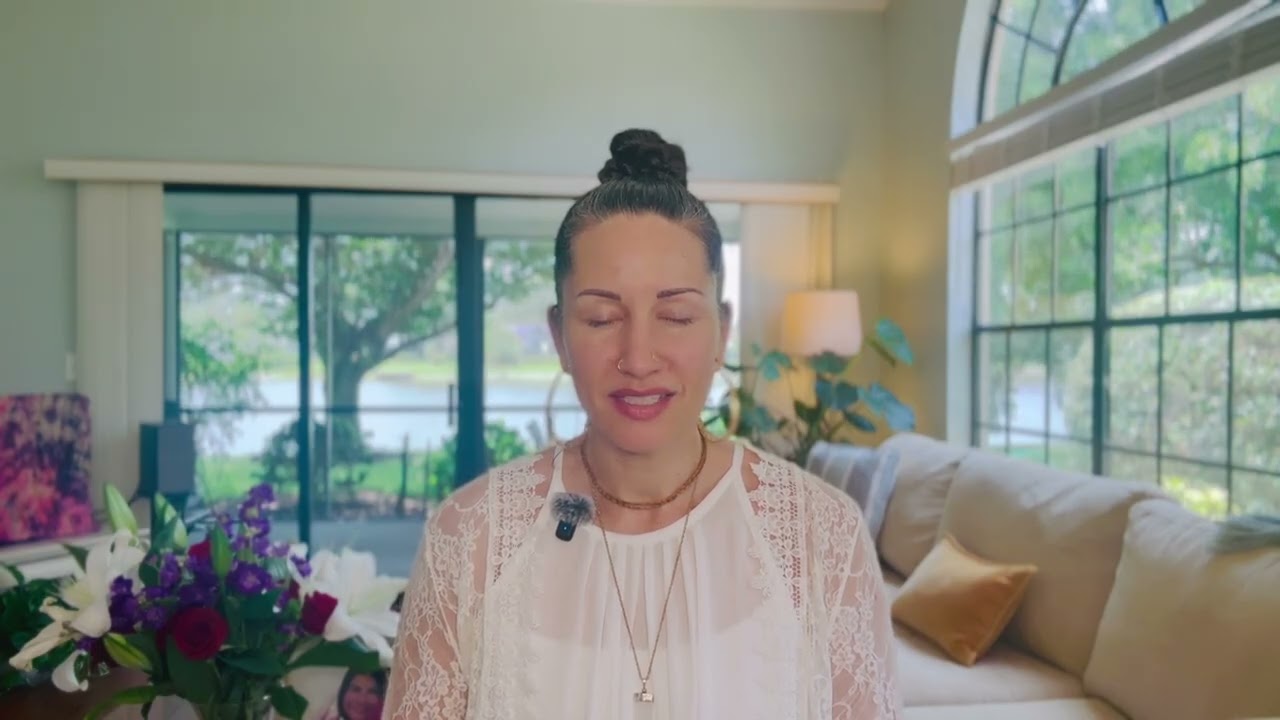
Most people wake up and let the day decide their mood. An inbox fills, a child refuses breakfast, a bill arrives, and the emotional weather follows. A short guided meditation from Amanda Sellers takes the opposite approach. Its premise, stated plainly in the first few minutes, is that happiness is something you choose and then rehearse, not a condition you wait to receive. Over roughly eight and a half minutes, the practice moves from breath and a smile, to a picture of the person you are meant to become, to a deliberate walk through the irritations the day will likely bring, each one met in advance with gratitude. It ends with a reminder that the day is finite and a full-body grin before the eyes open. What follows explains how the piece is built, why its sequence matters, and how to use it as a daily practice.

読む · 8セクション

What is this "be happy" morning meditation, really?

The recording opens with a greeting that doubles as an intention: "Welcome to your 'be happy' morning meditation. We are going to have a very happy day." (0:05) It is a guided practice in the plain sense of the phrase. There is no mantra to repeat in Sanskrit, no instrument, no lengthy silence. A voice leads, pauses, and invites. Listeners are told they can be lying down with hands at their sides or sitting cross-legged, and the first instruction is simply to breathe deeply, with a brief pause in the recording to let that happen.

That plainness is part of the design. The practice asks for no special equipment or belief system. Its ingredients are ordinary: a breath, a posture, a few sentences of encouragement, and a set of images. The description accompanying the video suggests a daily habit of about eight minutes, taken at the start of the day, and that framing shapes everything else. It is meant to be repeated, the way a warm-up is repeated, until the words start to arrive on their own.

Why does the meditation insist that happiness is a choice?

The central claim arrives early and is repeated. "Happiness is a choice that we make. We decide which emotion we're going to give permission to dominate our day." (2:02) The sentence is worth slowing down on, because it carries an assumption that many people never examine: that emotions arrive uninvited and then rule us. Sellers reframes that. The emotion is still felt, but the meditation proposes that we have some say over which feelings we allow to set the tone.

She then makes the choice concrete. "Let's choose the good emotions that we know are going to make us feel good. Let's choose peace, joy. Let's choose happiness." (2:21) The repetition is deliberate. Rather than asking the listener to produce a feeling on demand, the practice asks them to name the feelings they want and to commit to them. In practice, that means the meditation functions less as a mood generator and more as a declaration made before the day tests it.

It helps to be honest about what this does and does not claim. The meditation does not tell listeners that difficult emotions are illusions or that a bad day can be argued away. It says the opposite in its later sections: situations will make people "cringe," stress will arrive, and the job is to decide how to meet them. The choice is about response and orientation, not about pretending the friction is absent.

How do you visualize the person you're meant to be?

After the opening breath and the first affirmations, the practice asks the listener to picture a version of themselves. "Visualize the person you know you're meant to be. What do they look like? What do they act like? How do they respond to tough situations? What choices do they make?" (1:15) The four questions are the core of the exercise, and they move from the visual to the behavioral to the ethical. Appearance comes first, then manner, then conduct under pressure, and finally the decisions that person makes.

This is a useful sequence because it turns an abstract wish into a portrait. "Be happier" is hard to act on. "Respond to a tough situation the way that person would" is something you can actually carry into a 9 a.m. meeting. The questions also invite the listener to notice that their ideal self is already somewhat familiar. The meditation later calls this figure "the fierce, light, beautiful, amazing you" and tells listeners, "There's no one like you." (7:21) The image is not presented as a stranger to become, but as something already present that needs room to show up.

For a reader trying this on their own, a practical approach is to keep the portrait consistent across days. Choose a few concrete details about how this person speaks to colleagues, how they handle a letter from a landlord, what they do with an evening that did not go well. Revisiting the same person each morning builds familiarity, and familiarity is what makes the image useful when the day gets complicated.

What happens when you rehearse a bad email before it arrives?

The most distinctive part of the practice is its anticipatory rehearsal. The speaker asks the listener to imagine the specific irritations the day might hold and to meet each one in advance. "Let's think of some situations today that might make us feel less than happy. You get client emails or boss emails that normally might kind of make you cringe." (3:30) Then comes the reframe: "Change your attitude. Look at them with gratitude, excitement. Be thankful for your job. Be thankful for your opportunities. Give thanks to every email encounter, even the bad ones. That's their problem, not yours." (3:46)

Two things are happening in that passage. The first is that the listener is not asked to feel grateful about a difficult email in a vacuum. They are asked to connect the email to something they already have, a job and its opportunities, and to let that larger frame set the emotional tone. The second is the line that a difficult message can be someone else's problem. It is a short boundary, offered without elaboration, that separates the sender's state from the recipient's response.

The practice treats the rehearsal as preparation rather than denial. Because the difficult moment has already been imagined and assigned a response, it is less likely to take over unexpectedly. This is the quiet logic of a morning practice: the goal is not to be surprised into a bad mood at 10 a.m., but to have already decided how the day will be met.

Can gratitude actually help with money stress and family strain?

The meditation applies the same method to two of the most common sources of daily pressure. On family, it addresses the parent who is worn down: "Are your kids driving you crazy? One day they won't want you around as much. Cherish these moments. Lighten up, let it go. Get on the ground, play with them. Show them you aren't all business and to-do's." (4:25) The suggestion is physical and immediate. Stop managing the children and get down to their level. The reminder that the closeness will not last is not a guilt trip. It is a perspective shift.

On money, the passage is more reassuring in tone: "Is money stressing you out? Think about it, you've made it this far, all the worrying and stress you put upon yourself doesn't help anything. You will be OK." (5:00) The argument is that past survival is evidence, and that worry adds cost without adding solutions. The speaker then offers a set of affirmations: "The universe is supporting you. The universe is abundant. You will always be taken care of. Feel peace with your finances. You're safe. You're secure." (5:19)

Listeners should note what kind of claim this is. The meditation is not offering a financial plan, and it does not promise any particular outcome. It is working on the emotional load that money worry creates. Whether one finds the language of abundance and the universe persuasive is a matter of personal belief, but the practical instruction underneath is portable: list what you already have. "Give thanks for the things that you do have. What do you have in your life that's so amazing? There are so many things." (5:39)

Why does a morning meditation bring up death?

Around the seven-minute mark, the tone shifts to something more sobering. "On this day, someone is taking their last breath. One day that will be us. Do not take these moments for granted. Live for today." (7:02) In a practice about happiness, this can seem like a jarring turn. But it is an old and recognizable device in contemplative traditions: remembering mortality in order to take ordinary days seriously.

The effect here is to restore proportion. Once a person has imagined a difficult email, a stressful bill, and an irritable child, a reminder that time is limited can put those in perspective. The meditation does not ask listeners to dwell on death. It uses it briefly, as a hinge back toward the present. The next lines return to action: move the body, exercise, "get those endorphins flowing," eat foods that "fuel your body." (6:26)

The final physical instructions broaden the practice from inner state to outward conduct. Listeners are asked to look for ways to lighten someone else's day: "Hold the door open, smile, ask someone how they're doing and really listen. Be that person who enters the room and people can feel your positive presence." (6:59) The sequence suggests that a settled mind tends to show up in small, observable acts of care, and that these acts are how the inner choice becomes visible to others.

How do you end a morning meditation well?

The close is deliberately physical. "Now I want you to smile, as big and crazy as you can. Feel the light and the joy going through your body. You're going to keep on smiling." (7:50) Then the eyes open: "Don't stop smiling. Look around. You got this. Shine your light." The instruction to keep smiling after opening the eyes is a small, useful bridge. It asks the listener to carry the state out of the session and into the room, rather than leaving it on the cushion or the bed.

The final words, "You are one of a kind incredible," are affirmation in its most direct form. Whatever one makes of the spiritual vocabulary around the practice, the structure is clear and repeatable: breathe, picture the best version of yourself, name the emotions you choose, rehearse the difficult moments with a grateful frame, remember that time is limited, move the body, and smile on the way out.

Where to go from here

The most useful way to approach this meditation is as a template rather than a script. Try it at the same time each morning for a week and notice which sections land. Some listeners may find the visualization of their best self the most generative; others may find the rehearsal of difficult emails the most practical. Keep a short note of the irritations that come up during the day and check whether the morning rehearsal had anything to do with how you met them.

The video description points to a longer 10-day meditation course offered by the same teacher, for those who want a more structured sequence after this single session. For anyone who finds the affirmations hard to say with conviction, a reasonable step is to keep the structure and adjust the language until it sounds like something you would actually believe. The point of the practice, as the recording puts it, is to decide which emotion gets to dominate your day, and then to keep making that decision, morning after morning.


Comments

Loading the conversation…

Transcript

[0:05] Welcome to your "be happy" morning meditation.

[0:10] We are going to have a very happy day.

[0:14] Get yourself comfortable

[0:17] whether you're lying down, hands by your side

[0:21] or maybe sitting cross-legged, start to take deep breaths.

[0:30] (Breath) Just feel the tension

[0:34] melting away, feel lightness.

[0:40] Put a little smile on your face.

[0:46] It's going to be an awesome day.

[0:54] Today is such a good day.

[0:59] Another day we get to be alive, another day here.

[1:06] Another day to be the best to you you can be.

[1:15] Visualize the person you know you're meant to be.

[1:22] What do they look like?

[1:24] What do they act like?

[1:43] How do they respond to tough situations?

[1:48] What choices do they make?

[2:02] Happiness is a choice that we make.

[2:09] We decide which emotion we're going to give permission to dominate our day.

[2:16] Let's choose the good emotions that we know are going to make us feel good.

[2:21] Let's choose peace,

[2:24] joy.

[2:27] Let's choose happiness.

[2:40] I want you to feel a lightness

[2:44] throughout your body.

[2:48] And energy of white,

[2:50] a ball,

[2:52] a ball of joy all around you,

[2:57] a ball of peace.

[3:09] So much love surrounding you,

[3:13] so much lightness,

[3:17] contentment...

[3:20] life is good.

[3:25] Today is going to be a great day.

[3:30] Let's think of some situations today that might make us feel less than happy.

[3:37] You get client emails or boss emails that normally might kind of make you cringe...

[3:46] Change your attitude.

[3:49] Look at them with gratitude, excitement.

[3:54] Be thankful for your job.

[3:57] Be thankful for your opportunities.

[4:02] Give thanks to every email encounter,

[4:07] even the bad ones.

[4:08] That's their problem, not yours.

[4:12] Just keep shining your light.

[4:25] Are your kids driving you crazy?

[4:29] One day they won't want you around as much.

[4:32] Cherish these moments.

[4:35] Lighten up, let it go.

[4:38] Get on the ground, play with them.

[4:46] Show them you aren't all business and to-do's.

[5:00] Is money stressing you out?

[5:04] Think about it, you've made it this far,

[5:08] all the worrying and stress you put upon yourself

[5:13] doesn't help anything.

[5:16] You will be OK.

[5:19] The universe is supporting you.

[5:22] The universe is abundant.

[5:25] You will make it.

[5:27] You will always be taken care of.

[5:31] Feel peace with your finances.

[5:34] You're safe.

[5:36] You're secure.

[5:39] Give thanks for the things that you do have.

[5:43] What do you have in your life that's so amazing?

[5:46] There are so many things.

[5:52] I want you to walk through this day and think of all those situations

[5:57] That could stress you out.

[5:59] Think about how you are going to rise above.

[6:05] You are going to handle every situation with peace, love, gratitude, joy.

[6:15] You are going to be the person you know you are meant to be.

[6:26] You're going to move your body, exercise, get those endorphins flowing,

[6:33] eat the nutritious foods that you know will fuel your body.

[6:39] Look for situations to lighten someone else's day.

[6:43] Hold the door open,

[6:45] smile,

[6:48] ask someone how they're doing

[6:50] and really listen.

[6:54] Be that person who enters the room and people can feel your positive presence.

[7:02] You know, on this day,

[7:05] someone is taking their last breath.

[7:08] One day to

[7:10] that will be us,

[7:13] do not take these moments for granted.

[7:16] Live for today.

[7:21] I want you to think about the you that you are meant to be the you it is there.

[7:28] The fierce, light, beautiful,

[7:33] amazing you. There's no one like you.

[7:39] You are here to make your mark on this world.

[7:45] You know what you need to do.

[7:50] Now I want you to smile, as big and crazy as you can.

[7:56] Feel the light and the joy going through your body.

[8:02] You're going to keep on smiling.

[8:06] Now open your eyes.

[8:08] Don't stop smiling.

[8:11] Look around.

[8:14] You got this. Shine your light. You are one of a kind incredible.

[8:24] Thank you so much for joining this "be happy meditation". Peace and blessings.

Amanda Sellers
ArtistAmanda Sellers

Full-time voice actor and meditation teacher, three-time Voice Arts Awards nominee, and self-described light seeker and "possibilitarian" who helps others break free from limiting…

プロフィールを見るウェブサイト
トピックを見る
Morning-meditationHappiness-as-choiceGuided-meditationGratitude-practiceVisualization

ご質問はありますか?

よくある質問

This eight-minute guided practice begins with deep breathing, then asks you to picture the person you are meant to be and to choose emotions like peace, joy, and happiness. It closes with a full-body smile before you open your eyes. The description suggests doing it daily at the start of the morning.
The meditation says that happiness is a choice we make, because we decide which emotion we give permission to dominate our day. It does not claim that difficult feelings disappear. It frames the choice as how you respond and which emotional tone you commit to.
The meditation suggests imagining those emails before they arrive and meeting them with gratitude and excitement, such as being thankful for your job and opportunities. It also advises remembering that a hostile message is the sender's problem, not yours. The aim is to decide your response in advance.
This practice addresses money worry by pointing out that you have made it this far and that worry does not solve anything. It offers affirmations of safety and asks you to list what you already have. It works on the emotional weight of financial stress rather than offering a financial plan.
Around the middle of the practice, it reminds listeners that someone is taking their last breath and that this will one day be true for everyone. The purpose is to encourage you not to take ordinary days for granted and to live for today. It then returns to practical actions like moving your body and treating others kindly.
The video runs about eight and a half minutes, and the description suggests setting aside around eight minutes daily. Doing it consistently at the same time each morning is presented as the way to build the habit.

読みつづける

More from Amanda

すべて表示
Race Day Meditation: A Visualization Practice for Runners
Inspire

Race Day Meditation: A Visualization Practice for Runners

A nine-minute guided meditation walks runners through breath, race-day visualization, affirmations, and a countdown back into the body. Here…

1 min read
I Am Enough Meditation: The Ten-Minute Script, Line by Line
Inspire

I Am Enough Meditation: The Ten-Minute Script, Line by Line

A close-listening guide to a ten-minute "I am enough" meditation, tracing how its lines move from breath and gratitude through forgiveness t…

1 min read
Yoga Nidra for Wholeness: Sankalpa and Body Scan Guide
Inspire

Yoga Nidra for Wholeness: Sankalpa and Body Scan Guide

A 35-minute guided Yoga Nidra rest that moves from breath to sankalpa to a full body scan and back to waking. Here is how its structure work…

1 min read
This Belongs: The Ocean Meditation for Meeting Every Wave
Inspire

This Belongs: The Ocean Meditation for Meeting Every Wave

Tara Brach's guided meditation "Everything Belongs" turns a body scan into an ocean metaphor and a two-word practice. Here is how "This belo…

1 min read

探索を続ける

旅をつづける

BrightStarのディレクトリから、さらなる智慧と集いを。

もっと記事を読む

教え、インタビュー、ガイドのライブラリ全体をご覧ください。

すべての記事に戻る →

講師とアーティスト

コンシャスな世界の系譜、音楽家、導き手を探しましょう。

アーティストを探す →

イベントを見つける

キルタン、リトリート、サウンドバス、ブレスワーク、フェスティバル — まもなく開かれます。

イベントを見る →