BrightStar

すべてのEventsを見る

意識ある集いに出会う

events

Yoga
Meditation
Breathwork
Qigong
Tai Chi
Sacred Music
World Music
Medicine Music
Sound Healing
Ecstatic Dance
人気の目的地
BaliSedonaLos AngelesCosta RicaNew YorkSan FranciscoAustinMiamiJoshua TreeTulum
すべてのカテゴリを見るすべての目的地を見る

すべての機能を探索

イベントを成長させる強力なツール

プラットフォーム機能

スマートダイナミックプライシング
チケットカテゴリ
座席指定
カート放棄リカバリー
訪問者リカバリー
寄付とスライディングスケール
アフィリエイトシステム
チケットスキャナー
クーポンコード
カスタム質問
チケット共有
アップセルとアドオン
分析とレポート
メールシーケンス
ウェイトリスト / 通知 / リマインダー
人と場所
Artists & TeachersEvent OrganizersVenues & StudiosKnowledge BaseGlossaryInspiration
すべての機能を見る私たちについて
料金ブログ
Language
Saved events
すべてのイベントを見る

events

YogaMeditationBreathworkQigongTai ChiSacred MusicWorld MusicMedicine Music

人気の目的地

BaliSedonaLos AngelesCosta RicaNew YorkSan Francisco

人と場所

Artists & TeachersEvent OrganizersVenues & StudiosKnowledge BaseGlossaryInspiration

プラットフォーム機能

スマートダイナミックプライシングチケットカテゴリ座席指定カート放棄リカバリー訪問者リカバリー寄付とスライディングスケールアフィリエイトシステムチケットスキャナークーポンコードカスタム質問チケット共有アップセルとアドオン分析とレポートメールシーケンスウェイトリスト / 通知 / リマインダー
すべての機能を見る私たちについて
料金ブログ
ログイン探求者クリエイター
  • すべてのイベントを見る
  • 探求者向け
  • ヨガ
  • 瞑想
  • ブレスワーク
  • 気功
  • 太極拳
  • 聖なる音楽
  • ワールドミュージック
  • メディスンミュージック
  • サウンドヒーリング
  • エクスタティックダンス
  • リトリート
  • ワークショップ
  • すべてのカテゴリ →
  • Bali
  • Sedona
  • Los Angeles
  • Costa Rica
  • Tulum
  • Byron Bay
  • San Francisco
  • Austin
  • New York
  • San Diego
  • Denver
  • Seattle
  • Portland
  • Miami
  • すべての都市 →
  • Join the Movement
  • Why we list
  • Sell Globally
  • クリエイター向け
  • チーム向け
  • ライター向け
  • 講師向け
  • キルタンアーティスト向け
  • スタジオ向け
  • フェスティバル向け
  • リトリートセンター向け
  • 非営利団体向け
  • ブランドアンバサダー
  • 無料チケット販売
  • Elevate
  • Amplify
  • 50万人以上のバイヤーネットワーク
  • カート放棄リカバリー
  • スマートダイナミックプライシング
  • チケットカテゴリ
  • 定期イベント
  • 座席指定
  • アフィリエイトシステム
  • ウェイトリスト / 通知
  • チケットスキャナー
  • 埋め込みウィジェット
  • イベント配信
  • メッセージセンター
  • インテグレーション
  • レポート
  • すべての機能 →
  • 概要
  • エコシステム
  • ブログ
  • 用語集
  • インスピレーション
  • ヘルプセンター
  • お問い合わせ
  • APIドキュメント
  • ブランドアセット
  • 採用
  • プレス
  • 利用規約
  • プライバシーポリシー

イベント

  • すべてのイベントを見る
  • 探求者向け
  • ヨガ
  • 瞑想
  • ブレスワーク
  • 気功
  • 太極拳
  • 聖なる音楽
  • ワールドミュージック
  • メディスンミュージック
  • サウンドヒーリング
  • エクスタティックダンス
  • リトリート
  • ワークショップ
  • すべてのカテゴリ →

目的地

  • Bali
  • Sedona
  • Los Angeles
  • Costa Rica
  • Tulum
  • Byron Bay
  • San Francisco
  • Austin
  • New York
  • San Diego
  • Denver
  • Seattle
  • Portland
  • Miami
  • すべての都市 →

クリエイター向け

  • Join the Movement
  • Why we list
  • Sell Globally
  • クリエイター向け
  • チーム向け
  • ライター向け
  • 講師向け
  • キルタンアーティスト向け
  • スタジオ向け
  • フェスティバル向け
  • リトリートセンター向け
  • 非営利団体向け
  • ブランドアンバサダー
  • 無料チケット販売
  • Elevate
  • Amplify

機能

  • 50万人以上のバイヤーネットワーク
  • カート放棄リカバリー
  • スマートダイナミックプライシング
  • チケットカテゴリ
  • 定期イベント
  • 座席指定
  • アフィリエイトシステム
  • ウェイトリスト / 通知
  • チケットスキャナー
  • 埋め込みウィジェット
  • イベント配信
  • メッセージセンター
  • インテグレーション
  • レポート
  • すべての機能 →

会社

  • 概要
  • エコシステム
  • ブログ
  • 用語集
  • インスピレーション
  • ヘルプセンター
  • お問い合わせ
  • APIドキュメント
  • ブランドアセット
  • 採用
  • プレス
  • 利用規約
  • プライバシーポリシー
BrightStar
アプリを入手
App StoreからApp StoreGoogle Playで手に入れようGoogle Play
© 2026 BrightStar. 全著作権所有.
Inspiration

Body Scan Meditation for Sleep: How the Practice Works

Jud Brewer, MD PhD
Jud Brewer, MD PhD
Mar 24, 2020
読了 約10分
視聴 · 7

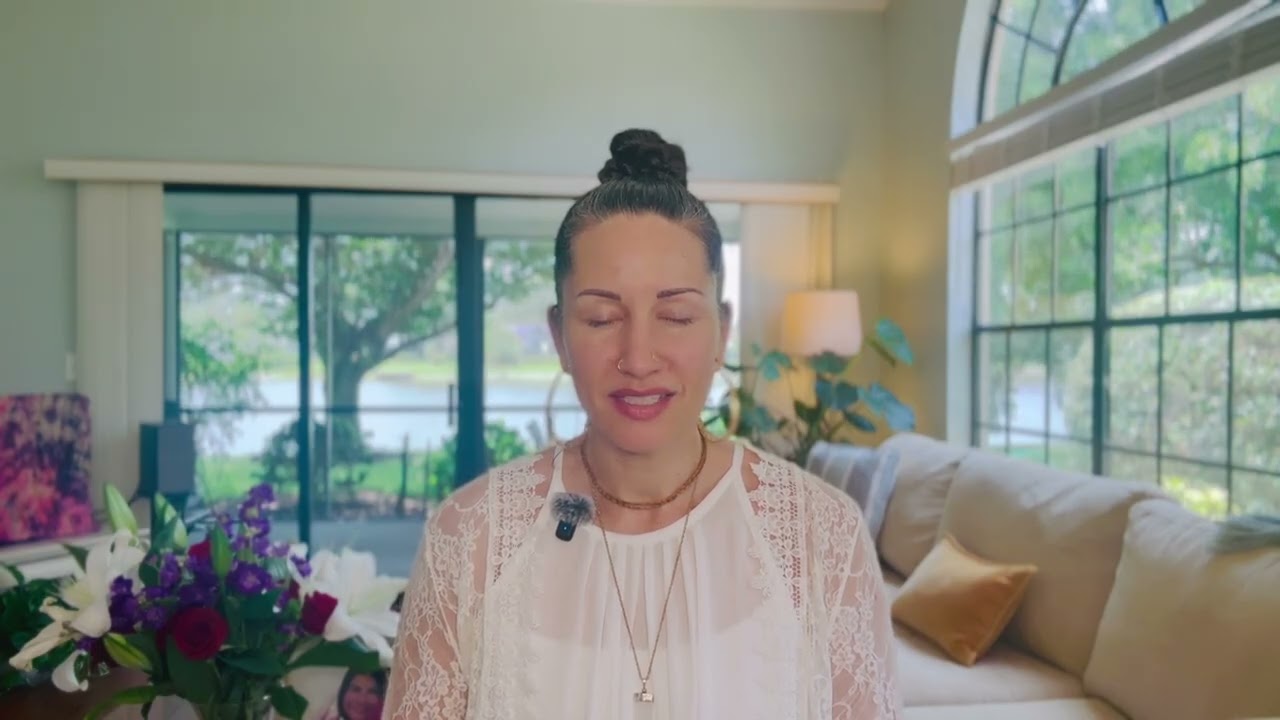
Lie back, or settle into a chair, and let your eyes close. Within the first minute of this guided body scan, a calm voice asks you to do something most adults haven't done since childhood: notice the sensations in your left toes. Not what they look like, not what you think about them, but what they feel like right now, where they meet the floor or the chair. That is the whole engine of the practice. Dr. Jud Brewer, MD PhD, leads the listener through a ten-minute, thirteen-second session that moves attention from the breath to the feet, up through the legs, belly, chest, arms, and face, and finally to the crown of the head. In the video's description, Brewer calls the body scan a "classic" meditation for building concentration and awareness, and says he teaches it to his clinic patients to help them sleep. This article looks at how the script is built, what the instructions actually ask of you, why the mind's wandering is part of the design, and what the practice offers beyond a single night's rest.

読む · 7セクション

What does a body scan actually ask you to do?

The instructions are plainer than the effect they tend to produce. Early in the session the voice sets the terms: "The intention of this practice is as best you can to simply bring awareness to any sensations you feel as you focus your attention on each part of your body." That sentence contains the entire method. There is no goal of relaxation to achieve, no visualization to hold, no mantra to repeat. You are asked to observe.

Observation, though, is harder than it sounds. The script gives you a vocabulary to work with rather than a destination. Around the toes, the voice suggests you might find "a sense of tingling warm pressure pulsing or maybe no particular sensation." That last option matters. The video explicitly tells you that if there are areas you can't feel, you should keep your focus there and notice whatever you can about that area. Numbness, in other words, is not a failure of the practice. It is one more result to register with the same gentle curiosity you would bring to warmth or pressure.

Breath is the other anchor. The session opens by asking you to notice the movement of the breath, and it returns to breath repeatedly, asking you to "let go of any tension" on each out-breath. Think of the breath as the metronome underneath the piece. The body scan is not a rhythm you drop in and out of; it keeps time with the inhale and exhale throughout.

Why does the scan move from the toes to the crown in this order?

The route is deliberate, and it is worth following closely, because the sequence is part of what makes the practice hold together. The scan begins at the body's far edge, the toes of the left foot, and works methodically through the sole, the top of the foot, the ankle, the calf, the knee, and the thigh. It then crosses over and repeats the sequence on the right side: toes, sole, top of foot, ankle, calf, knee, thigh. Only after both legs does the attention travel to the hips, the abdomen, and the chest.

That mirrored structure does real work. It gives the mind a predictable path, so that once you know the next step, your energy can go to the sensations rather than to planning. The left-then-right pattern repeats in the hands and arms too, with the left fingers, wrist, forearm, elbow, and upper arm followed by the same progression on the right, before the attention climbs into the shoulders, neck, back of the head, ears, jaw, teeth, tongue, cheeks, nose, eyes, forehead, and finally the top of the head.

The video also offers a useful image for how to move through this terrain. In the middle of the leg section, the narrator suggests thinking of your awareness "as a spotlight moving slowly through your body, bringing into awareness any sensations in that area." The spotlight is a good metaphor for what the scan asks you to avoid: rushing. You don't sweep. You linger on one region long enough for something to show up, then you let the light drift to the next.

Notice, too, where the session starts. Before the toes, it asks you to "bring your attention to the physical sensations in your abdomen." The belly is a quiet hinge in the piece, a place to settle before the scan begins its descent and its ascent. It is also the spot where the breath is most easily felt, which keeps the practice rooted even as it travels.

Why does the mind wander, and what do you do when it does?

Every good meditation teacher knows the mind will leave, and this script says so plainly. "If you find your mind wandering just gently bring it back to the awareness of your body," the voice says early on. Later, it goes further: "your mind will inevitably wander, it will wander away from your body from time to time, this is entirely normal, it's what minds do." The narration at about the 3:20 mark frames the drift as an ordinary event rather than an error. (video, 3:20)

What the script asks for next is a small, precise act. When you notice the drift, you name what you noticed and return. The video's instruction is to note wandering "as thinking or sound or restlessness," then to "gently guide your awareness back to the sensations." The labeling is not a judgment. It is a way of marking the moment you came back. Each return is the repetition that the practice is built on, the way a musician who keeps dropping back to the same figure eventually owns it. The point is not to arrive at a perfectly quiet mind. The point is the return.

There is a second, subtler instruction layered into this one. When the scan reaches a place of discomfort, the script does not tell you to escape it. "If you feel any pain or discomfort in any of these areas just be aware of it and as best you can let the sensations be there as they are," the voice says, adding, "don't try to change them, don't try to distract yourself." For a practice that many people approach hoping to feel better, this is a notable discipline. You are being asked to stay with what is present, without trying to edit it.

Why would a physician teach a body scan for sleep?

Brewer's own description of the practice is refreshingly practical. In the description, he writes that he teaches the body scan to his clinic patients to help them sleep, and that "they love it." He adds that patients "don't need a prescription or get side effects from medications and it's free." He also notes that people who use his app-based Unwinding Anxiety program find the body scan especially useful "when they wake up in the middle of the night and can't get back to sleep."

Those are claims about experience, not a mechanism, and the video itself does not walk through the physiology of why a body scan might ease the transition into sleep. What the script does offer is a structure that gives the mind something specific to do, slowly, for ten minutes. For someone lying awake with a racing head, a practice that asks them to track the texture of their left ankle and then the weight of their right thigh is a way of moving attention out of the loop of rumination and into the body. Whether that works for you is something the video invites you to test rather than take on faith.

The description's closing request is useful here: "try it out tonight, and see if it helps you," it says, adding an invitation to post a comment and share what you discover. Treat it as an experiment. Use the same script for several nights. Notice whether the sensations change, whether your mind settles faster, whether a particular part of the scan is harder to stay with.

What do you notice at the end of the scan?

The later stretches of the session are where the practice becomes more intimate. Around the face, the narration becomes almost tender. "For many of us we've never paid attention to what our eyes feel like," the voice says, asking you to notice the muscles around them. (video, 9:09) It is a striking admission, and a fair one. Most people spend the whole day looking through their eyes without ever feeling them from the inside.

The scan's closing instruction pulls the threads together. Rather than pushing toward one point of focus, the script asks you to "spend a few moments resting an awareness of your entire body as a whole," and to notice "how effortless it is just to rest an awareness." (video, 9:52) That phrase carries the spirit of the whole practice. After ten minutes of working through fragments, the final move is to hold the body as a single field of sensation. The effort of scanning dissolves into a simpler kind of attention.

The session then ends with a gentle return. You are asked to open your eyes slowly and "allow your awareness to expand to include the room." It is a useful transition, especially for listeners who are tempted to bolt upright from the stillness. The practice is designed to end in the same open, attentive state it began in, not in a sudden rush back into the day.

How does this practice connect to Brewer's Unwinding Anxiety program?

The video's description links the body scan to Brewer's Unwinding Anxiety program, which he describes as an app-based, evidence-based program. The description states that the program is "proven to reduce anxiety by 67% after 2 months of use," and lists daily lessons, mindfulness exercises, a supportive community, and anxiety tools as components. That figure is the program's own claim as presented in the video's description; this article has not independently verified it, and readers should weigh it accordingly. The description also notes that the program includes mindfulness exercises similar to the body scan, for anyone who wants a longer guided path than a single ten-minute recording.

For a reader who has never tried a body scan, the practical takeaway is simple. You need no equipment, no prescription, and no special posture beyond sitting or lying down somewhere quiet. You need only the willingness to pay attention to what is already there, one region at a time, and to come back each time you drift.

Where to go from here

Start tonight with the video itself. Lie down in a quiet place, play the session through once, and resist the urge to judge how well you did. Afterward, notice what you remember: which region was easiest to feel, which was blank, where the mind went most often. Those observations are the real output of the practice, and they will sharpen over repeated nights.

If the body scan clicks, consider exploring the rest of Brewer's material. The description points to his website, drjud.com, as well as his social channels, and to a playlist of related relaxation and mental-health videos. Treat the scan as a starting point rather than an endpoint. The script's central instruction, to notice without trying to change what you find, is a skill that travels well beyond bedtime.

Comments

Loading the conversation…

Transcript

[0:00] sit or lie down in a comfortable quiet

[0:03] spot allow your eyes to close gently and

[0:08] take a few moments just to notice the

[0:11] movement of your breath now when you're

[0:18] ready bring your attention to the

[0:20] physical sensations in your body

[0:21] especially to the sensations of touch or

[0:24] pressure where your body makes contact

[0:27] with the chair or the floor on each out

[0:31] breath allow yourself to let go of any

[0:34] tension that you might be holding in

[0:35] your body the intention of this practice

[0:42] is as best you can to simply bring

[0:44] awareness to any sensations you feel as

[0:46] you focus your attention on each part of

[0:49] your body if you find your mind

[0:51] wandering just gently bring it back to

[0:54] the awareness of your body now take a

[0:59] moment and just thank yourself for

[1:00] making the effort to be here right now

[1:03] notice what this feels like in your body

[1:08] now bring your awareness to the physical

[1:10] sensations in your abdomen becoming

[1:13] aware of the sensations there as you

[1:14] breathe in

[1:15] and as you breathe out having connected

[1:21] with the sensations in the abdomen

[1:22] invite your focus of your awareness to

[1:25] the toes of your left foot focus on each

[1:29] of the toes of the left foot in turn

[1:30] bringing a gentle curiosity to the

[1:33] quality of sensations you find just

[1:36] silently noting to yourself what they

[1:38] feel like perhaps a sense of tingling

[1:40] warm pressure pulsing or maybe no

[1:45] particular sensation if there are areas

[1:48] you can't feel just keep your focus that

[1:50] are noticing whatever you can about what

[1:53] that area feels like when you're ready

[1:57] let go of awareness of the toes and

[1:58] invite your awareness to notice the

[2:00] sensations on the bottom of your left

[2:03] foot bring a gentle curious awareness to

[2:06] the sole of the foot feeling all the

[2:08] sensations there now invite your

[2:12] attention to the top of your left foot

[2:16] now to the ankle

[2:20] now moving it up to the calf what is

[2:24] your calf feel like and now your knee

[2:29] what does your knee feel like right now

[2:34] just notice and simply note as best you

[2:37] can all the sensations in this area you

[2:42] might think of your awareness as a

[2:43] spotlight moving slowly through your

[2:46] body bringing into awareness any

[2:49] sensations in that area and again if

[2:53] there are areas where it's difficult to

[2:55] detect sensations just feel as much as

[2:57] you can now invite your attention to the

[3:02] left thigh what are all the sensations

[3:05] in your thigh what do they feel like

[3:07] right now maybe you feel pressure of

[3:10] your legs against the chair or the floor

[3:12] just note this is pressure and

[3:18] throughout this exercise your mind will

[3:19] inevitably wander it will wander away

[3:22] from your body from time to time this is

[3:25] entirely normal

[3:26] it's what Minds do when you notice this

[3:30] gently acknowledge it noticing where the

[3:32] mind has gone off to maybe it's a

[3:35] thought or a sound and then gently

[3:37] return your attention to your body now

[3:43] invite your attention down to the right

[3:44] foot and to the right toes continue to

[3:48] bring awareness in a gentle curiosity to

[3:51] the physical sensations allowing

[3:53] whatever sensations are here right now

[3:55] to just be here as they are notice now

[4:01] what you feel in the bottom of your

[4:02] right foot now in the top of your right

[4:05] foot and the ankle just noticing the

[4:10] physical sensations whether they're

[4:11] pulsing pressure or tingling warmth cool

[4:15] illness or anything else now invite your

[4:20] awareness up in your calf and notice any

[4:22] sensations there

[4:25] now to your knee if you feel any pain or

[4:30] discomfort in any of these areas just be

[4:33] aware of it and as best you can let the

[4:36] sensations be there as they are don't

[4:39] try to change them don't try to distract

[4:41] yourself now gently guide your awareness

[4:44] into your right thigh notice any

[4:48] sensations there now move your awareness

[4:53] into your hips maybe feel the weight on

[4:58] the chair or the floor we're noticing

[5:01] any other sensations there even becoming

[5:06] fascinated

[5:07] what are these sensations that make up

[5:09] your experience right now now move your

[5:17] awareness slowly up into your abdomen

[5:19] where does it feel like maybe feeling it

[5:23] rising and falling with each breath you

[5:27] can even start with your skin noticing

[5:29] the sensations there and then move your

[5:32] attention inside to your internal organs

[5:34] any physical sensations that are there

[5:37] right now now invite your awareness into

[5:43] your test just feel as many sensations

[5:46] as you can you might note pulsing if you

[5:50] notice your heart beating or movement

[5:53] when you notice the movement of your

[5:55] ribs when you breathe see if you can

[5:58] bring a childlike fascination to these

[6:00] sensations as if you're exploring them

[6:02] for the first time if you notice your

[6:07] thoughts wandering or if you become

[6:09] distracted by a sound or you feel

[6:11] Restless just note these as thinking or

[6:14] sound or restlessness and gently guide

[6:17] your awareness back to the sensations in

[6:20] your chest

[6:23] now guide your attention to the fingers

[6:25] of your left hand feel each finger in

[6:30] the places where they contact the chair

[6:32] or the body or the floor what happens

[6:36] when you pay attention to your whole

[6:37] hand at once just resting an awareness

[6:40] of it now move your awareness to your

[6:44] wrist and forearm noticing all the

[6:47] sensations there now open to the elbow

[6:54] up into the upper arm up into the

[6:59] shoulder just noticing any sensations

[7:03] tightness tension warmth now gently

[7:09] invite your awareness to the fingers of

[7:11] your right hand feeling each finger

[7:14] separately there's a semi tingling or

[7:20] any urges to move them noticing if there

[7:24] any fingers that you're unable to feel

[7:26] as well as you can feel others

[7:30] now guiding your attention to the palm

[7:33] of your hand to your wrist to your

[7:39] forearm now into your elbow

[7:48] now gently invite your awareness up into

[7:50] your upper arm what does it feel like

[7:52] right now move your attention up into

[7:57] your shoulders where do they feel like

[8:02] now let your awareness come into your

[8:04] neck and just if there's any tightness

[8:07] or tension and just note that perhaps is

[8:09] pressure tightness tension heat or

[8:12] whatever sensation is most predominant

[8:18] now bring your awareness up to the back

[8:21] of your head see if you can even feel

[8:24] the hair on your head now bring your

[8:29] awareness to your left ear and then to

[8:33] the right ear then move your - attention

[8:38] into your jaw and your chin numbering

[8:44] your awareness to your teeth

[8:45] what are your teeth feel like right now

[8:49] what does your tongue feel like just be

[8:52] curious what are your cheeks feel like

[8:58] where does your nose feel like

[9:06] now pay attention to your eyes and the

[9:09] muscles around your eyes what do they

[9:11] feel like right now for many of us we've

[9:14] never paid attention to what our eyes

[9:17] feel like now bring your awareness up

[9:23] into your forehead whether your forehead

[9:27] feel like right now be curious bring

[9:31] that childlike fascination to each part

[9:35] numbering your awareness to the very top

[9:38] of your head and now after you've

[9:44] scanned the entire body in this way just

[9:46] spend a few moments resting and

[9:48] awareness of your entire body as a whole

[9:52] notice how effortless it is just to rest

[9:55] an awareness now very slowly and gently

[10:02] while still maintaining an awareness of

[10:04] your body when you're ready gently open

[10:07] your eyes and allow your awareness to

[10:09] expand to include the room

Jud Brewer, MD PhD
ArtistJud Brewer, MD PhD

Psychiatrist, neuroscientist and best-selling author at Brown University's Mindfulness Center, Dr. Jud Brewer studies how habits and addictions form and teaches mindfulness-based w…

プロフィールを見るウェブサイト
トピックを見る
Body-scan-meditationGuided-meditationSleep-meditationJud-brewerMindfulness

ご質問はありますか?

よくある質問

The video runs ten minutes and thirteen seconds. It guides you from the breath and abdomen down through the left and right legs, up through the torso and arms, and finally across the face and head before a closing rest.
In the video's description, Dr. Jud Brewer says he teaches the body scan to his clinic patients to help them sleep, and that people who wake in the night and can't get back to sleep find it helpful. He presents this as experience rather than a guaranteed result, so it is best treated as something to test for yourself.
The script says wandering is normal and expected. Gently note where your attention went, labeling it as thinking, a sound, or restlessness, and then return your focus to the sensations in your body.
The narration advises that if there are areas you can't feel, you should keep your focus there and notice whatever you can about that area. Lack of sensation is treated as one more thing to observe with curiosity rather than as a failure.
The video begins by inviting you to sit or lie down in a comfortable, quiet spot. Choose whichever position lets you stay awake and attentive, since the practice is built around noticing sensations as you move through them.
The video's description states that the Unwinding Anxiety program is proven to reduce anxiety by 67% after two months of use. That is the program's own claim as presented in the description, and this article has not independently verified it.
No. The description emphasizes that the body scan is free and requires no prescription. All you need is a comfortable, quiet place and the willingness to follow the spoken instructions.

読みつづける

More from Jud

すべて表示
Five-Finger Breathing: Reset Anxious Working Memory
Inspire

Five-Finger Breathing: Reset Anxious Working Memory

Breath work fails when anxiety fills the mind. Dr. Jud Brewer's five-finger breathing trades one sense for many, using multi-sensory awarene…

1 min read
How to Sleep When Anxious: 3 Practical Body-Scan Tips
Inspire

How to Sleep When Anxious: 3 Practical Body-Scan Tips

Anxiety wrecks sleep, and bad sleep feeds anxiety. Neuroscientist Jud Brewer walks through the questions he asks patients, why worry keeps y…

1 min read
Yoga Nidra for Wholeness: Sankalpa and Body Scan Guide
Inspire

Yoga Nidra for Wholeness: Sankalpa and Body Scan Guide

A 35-minute guided Yoga Nidra rest that moves from breath to sankalpa to a full body scan and back to waking. Here is how its structure work…

1 min read
This Belongs: The Ocean Meditation for Meeting Every Wave
Inspire

This Belongs: The Ocean Meditation for Meeting Every Wave

Tara Brach's guided meditation "Everything Belongs" turns a body scan into an ocean metaphor and a two-word practice. Here is how "This belo…

1 min read

探索を続ける

旅をつづける

BrightStarのディレクトリから、さらなる智慧と集いを。

もっと記事を読む

教え、インタビュー、ガイドのライブラリ全体をご覧ください。

すべての記事に戻る →

講師とアーティスト

コンシャスな世界の系譜、音楽家、導き手を探しましょう。

アーティストを探す →

イベントを見つける

キルタン、リトリート、サウンドバス、ブレスワーク、フェスティバル — まもなく開かれます。

イベントを見る →