BrightStar
ブログマイチケット
ブログマイチケット
Saved events
ヘルプ・お問い合わせ新規登録ログイン
イベント
  • すべてのイベントを見る
  • ヨガ
  • 瞑想
  • ブレスワーク
  • 気功
  • 聖なる音楽
  • ワールドミュージック
  • メディスンミュージック
  • サウンドヒーリング
  • エクスタティックダンス
  • セレモニー
  • プラントメディスン
  • エネルギーヒーリング
  • サットサンと智慧
  • タントラ
  • リトリート
  • すべてのカテゴリ →
目的地
  • Bali
  • Sedona
  • Los Angeles
  • Costa Rica
  • Tulum
  • Byron Bay
  • San Francisco
  • Austin
  • New York
  • San Diego
  • Denver
  • Seattle
  • Portland
  • Miami
  • London
  • Maui
  • Boulder
  • すべての都市 →
プラットフォーム
  • 主催者向け
  • ムーブメントに参加
  • Sell Globally
  • クリエイター向け
  • チーム向け
  • ライター向け
  • 講師向け
  • キルタンアーティスト向け
  • スタジオ向け
  • フェスティバル向け
  • リトリートセンター向け
  • 非営利団体向け
  • ブランドアンバサダー
  • 無料チケット販売
  • Pro
  • Amplify
  • エコシステム
機能

チケット販売と購入

  • Ticket categories
  • Assigned seating
  • Custom questions
  • Coupon codes
  • Smart pricing
  • Ticket sharing
  • Waitlist
  • Flexible refunds
  • Digital waivers
  • Tip jar
  • Donations and sliding scale
  • Embed widget
  • Mindful checkout
  • Recurring events
  • Private sessions
  • Online courses
  • Summits
  • Rooms and stays
  • Ticket scanner

マーケティングと成長

  • Abandoned cart recovery
  • Visitor recovery
  • Upsells and add-ons
  • Affiliate engine
  • Upsell affiliate network
  • Brand ambassador
  • Meta retargeting
  • Verified buyer network
  • Outbound email marketing
  • Email sequences
  • SMS and WhatsApp
  • Event upsell network
  • Direct mail campaigns
  • SEO engine
  • Syndication
  • Event sharing
  • Custom event pages
  • Artist profiles
  • Link in bio
  • Event blog
  • Blog newsletter

決済

  • Payments, powered by Stripe
  • Buy now, pay later
  • Apple Wallet
  • Multi currency

データと運営

  • Team access
  • Message center
  • Reports
  • Analytics reporting
  • Performance reporting
  • Customer data
  • Integrations
  • Switch from another platform

AI

  • Assistant
  • AI FAQ assistant
  • すべての機能 →
会社
  • 概要
  • よくある質問
  • お問い合わせ
  • ブログ
  • 用語集
  • Guides
  • インスピレーション
  • ヘルプセンター
  • APIドキュメント
  • ブランドアセット
  • プレス
  • 利用規約
  • プライバシーポリシー

イベント

  • すべてのイベントを見る
  • ヨガ
  • 瞑想
  • ブレスワーク
  • 気功
  • 聖なる音楽
  • ワールドミュージック
  • メディスンミュージック

目的地

  • Bali
  • Sedona
  • Los Angeles
  • Costa Rica
  • Tulum
  • Byron Bay
  • San Francisco
  • Austin

プラットフォーム

  • 主催者向け
  • ムーブメントに参加
  • Sell Globally
  • クリエイター向け
  • チーム向け
  • ライター向け
  • 講師向け
  • キルタンアーティスト向け

機能

  • コミュニティネットワーク
  • カート放棄リカバリー
  • チケットカテゴリ
  • 定期イベント
  • 座席指定
  • アフィリエイトシステム
  • ウェイトリスト / 通知
  • すべての機能 →

会社

  • 概要
  • よくある質問
  • お問い合わせ
  • ブログ
  • 用語集
  • Guides
  • 利用規約
  • プライバシーポリシー
続きを読む

イベント

  • サウンドヒーリング
  • エクスタティックダンス
  • セレモニー
  • プラントメディスン
  • エネルギーヒーリング
  • サットサンと智慧
  • タントラ
  • リトリート
  • すべてのカテゴリ →

目的地

  • New York
  • San Diego
  • Denver
  • Seattle
  • Portland
  • Miami
  • London
  • Maui
  • Boulder
  • すべての都市 →

プラットフォーム

  • スタジオ向け
  • フェスティバル向け
  • リトリートセンター向け
  • 非営利団体向け
  • ブランドアンバサダー
  • 無料チケット販売
  • Pro
  • Amplify
  • エコシステム

会社

  • インスピレーション
  • ヘルプセンター
  • APIドキュメント
  • ブランドアセット
  • プレス

チケット販売と購入

  • Ticket categories
  • Assigned seating
  • Custom questions
  • Coupon codes
  • Smart pricing
  • Ticket sharing
  • Waitlist
  • Flexible refunds
  • Digital waivers
  • Tip jar
  • Donations and sliding scale
  • Embed widget
  • Mindful checkout
  • Recurring events
  • Private sessions
  • Online courses
  • Summits
  • Rooms and stays
  • Ticket scanner

マーケティングと成長

  • Abandoned cart recovery
  • Visitor recovery
  • Upsells and add-ons
  • Affiliate engine
  • Upsell affiliate network
  • Brand ambassador
  • Meta retargeting
  • Verified buyer network
  • Outbound email marketing
  • Email sequences
  • SMS and WhatsApp
  • Event upsell network
  • Direct mail campaigns
  • SEO engine
  • Syndication
  • Event sharing
  • Custom event pages
  • Artist profiles
  • Link in bio
  • Event blog
  • Blog newsletter

決済

  • Payments, powered by Stripe
  • Buy now, pay later
  • Apple Wallet
  • Multi currency

データと運営

  • Team access
  • Message center
  • Reports
  • Analytics reporting
  • Performance reporting
  • Customer data
  • Integrations
  • Switch from another platform

AI

  • Assistant
  • AI FAQ assistant
アプリを入手
App StoreからApp StoreGoogle Playで手に入れようGoogle Play
© 2026 BrightStar. 全著作権所有. BrightStar Selection · 写真クレジット · 変更履歴 ·

Ashtanga Primary Series with Pattabhi Jois: Full Practice Guide

AW
Adam Wade
Mar 4, 2012
読了 約8分

出典:Adam Wade

Filmed in 1993 by Yoga Works Productions, this 78-minute video captures Sri K. Pattabhi Jois — the founder of the Ashtanga Vinyasa Yoga system and head of the Krishnamacharya Pattabhi Jois Ashtanga Yoga Institute (KPJAYI) in Mysore, India — leading a full, counted led Primary Series class. The students are six of the most influential Western Ashtanga teachers of their generation: Chuck Miller, Maty Ezraty, Eddie Stern, Tim Miller, Richard Freeman, and Karen Haberman. The recording is one of the clearest surviving documents of how Jois himself called the practice in a led format: Sanskrit vinyasa counts, fixed breath ratios, precise dristis (gazing points), and the unbroken sequential architecture of the Primary Series, known in Sanskrit as Yoga Chikitsa — "yoga therapy."

読む · 8セクション

What Is the Ashtanga Primary Series?

The Primary Series is the first of six series in the Ashtanga Vinyasa system. Its Sanskrit name, Yoga Chikitsa, translates roughly as "yoga therapy," reflecting the traditional teaching that the sequence systematically cleanses and realigns the physical body before subtler practices become accessible. The sequence is fixed — every posture appears in the same order every time it is practiced — and is linked by a specific breathing and movement system called vinyasa.

The series moves through: an opening Surya Namaskara (Sun Salutation) section in two forms — Surya Namaskara A and B — a standing sequence, a long seated sequence of forward bends, hip openers, and twists, and a closing sequence of inversions and finishing postures. The entire practice concludes with Savasana.

In Jois's system, the Primary Series is not considered a beginner's sequence so much as a foundational one — a complete practice in its own right that many senior practitioners return to daily throughout their lives.

How Does Pattabhi Jois Count the Vinyasa?

One of the most instructive aspects of this video is hearing Jois call the vinyasa count in Sanskrit. Each movement within the system has a numbered position — ekam (one), dve (two), trini (three), catvari (four), panca (five), sat (six), sapta (seven), astau (eight), nava (nine), dasa (ten) — and the breath is assigned to each count. An inhale lifts, an exhale folds or lowers. This is not decoration; in Jois's teaching, the synchronisation of breath and movement is the practice itself.

Throughout the video Jois gives instructions such as "inhale hands up," "exhale," "head up," "jump back," "inhale," "exhale" in a consistent, metronomic rhythm. Students hold each posture for a minimum of five breaths, counted aloud. The five-breath minimum is a structural rule across the entire series; Jois counts: "one, two, three, four, five" before calling the exit vinyasa. This means the pace of the class is not set by a clock but by the accumulation of breaths — a fundamentally different relationship to time than most Western exercise.

What Is the Role of Drishti in the Primary Series?

Jois gives specific gazing-point instructions throughout the video — "look your navel," "look your toes," "head up," "look I center" (meaning the space between the eyebrows, brumadhya drishti). These are the nine classical dristis of Ashtanga practice, each assigned to a specific posture.

Drishti is not simply about where the eyes point. In the Ashtanga framework, fixing the gaze steadies the mind by reducing the flow of sensory information from the periphery. Combined with the breath count and the physical alignment of the posture, drishti forms the third element of what Jois called the tristhana — the three-point attention system of posture (asana), breathing (pranayama through ujjayi), and gazing point. Practicing all three simultaneously is what Jois described as the core method of purifying the nervous system.

What Is the Significance of the 1993 Yoga Works Video?

By 1993, Jois had been teaching Western students for roughly two decades, but high-quality video documents of his led classes were rare. This Yoga Works Productions recording brings together six students who were, collectively, responsible for spreading Ashtanga practice across North America. Chuck Miller and Maty Ezraty co-founded Yoga Works in Los Angeles, which became one of the most influential yoga studios in the Western world. Richard Freeman founded the Yoga Workshop in Boulder, Colorado, and is widely regarded as one of the most philosophically sophisticated interpreters of Ashtanga outside India. Tim Miller was among the earliest American students to study directly with Jois in Mysore and founded the Ashtanga Yoga Center in Carlsbad, California. Eddie Stern went on to found Ashtanga Yoga New York and has written and spoken extensively on the tradition's classical roots.

Having these six practitioners demonstrate while Jois calls the count creates a unique pedagogical document: the teacher's voice and the students' embodied knowledge appear together in the same frame. For a system transmitted primarily through direct observation and physical adjustment, the video carries unusual authority.

How Does a Led Primary Series Class Differ from Mysore-Style Practice?

Ashtanga is most commonly practiced today in the "Mysore style" — a self-directed format in which each student practices the memorised sequence at their own pace while a teacher moves through the room offering hands-on adjustments. In a led class, by contrast, the teacher calls every vinyasa count aloud and all students move together on the same breath. This video is a led class.

The led format serves a different function than Mysore practice. It trains students in the exact timing of the breath-to-movement ratio, corrects tendencies to rush certain transitions, and reinforces the precise count of each posture. Jois used to teach led Primary Series on Fridays and Sundays in Mysore; it was considered complementary to, not a replacement for, daily Mysore practice.

In the video, the relentlessness of Jois's count — the way one posture flows into the next without editorial comment — conveys something important about the internal logic of the system. It is designed to be unbroken. The vinyasa between postures is not rest; it is part of the practice.

What Are the Major Sections of the Primary Series in This Video?

The video moves through the canonical Primary Series structure:

  • Surya Namaskara A and B: The opening salutations, performed multiple times. Jois counts each of the nine and seventeen vinyasas respectively, establishing the breath rhythm for the entire practice.
  • Standing sequence: From Padangusthasana through Virabhadrasana, the standing poses build strength, balance, and hip mobility. Jois directs students with cues like "straight back," "tight," and specific degree angles for postures such as Utthita Trikonasana.
  • Seated sequence: The long middle of the Primary Series — Dandasana through Setu Bandhasana — contains the series' most demanding forward bends, hip openers, and the Marichyasana group of twists and binds. Jois instructs students to "take your chin," "touch your heel," and "look opposite position," giving precise physical targets.
  • Finishing sequence: Beginning with Salamba Sarvangasana (shoulderstand) and moving through Halasana, Karnapidasana, Urdhva Padmasana, Pindasana, Matsyasana, and Uttana Padasana, before arriving at Sirsasana (headstand). Jois counts each posture to ten, then progressively to twenty-five for Sirsasana, calling out the numbers steadily.
  • Yoga Mudra, Padmasana, and Tolasana: The final seated postures before the practice concludes.
  • Savasana: Jois instructs students to "lay down, finish" — the formal close of the practice.

What Can Students Learn from Watching Jois Teach?

Beyond the physical sequence, the video reveals several key principles of how Jois transmitted the practice. First, his instructions are economical — he rarely explains why a posture is done, only how. The system is taught through demonstration and count, not through philosophical lecture during the asana itself. Second, his corrections are direct and specific: "straight arm," "close your fingers," "don't press your head down," "don't hurry." These small cues carry diagnostic precision about common errors. Third, the pace he sets treats breath as the non-negotiable unit of measurement; he does not pause the count for struggle.

This pedagogical style reflects a classical Indian guru-parampara (lineage) model, in which the student's job is to do the practice as given, and understanding accumulates through repetition over years. Jois famously said, "practice, and all is coming" — a phrase that this video makes tactile. The count goes on; the student follows.

Where to Go from Here

For practitioners who want to deepen their engagement with the Primary Series as Jois taught it, the video itself can be purchased at kpjashtanga.com. Instructional DVDs from KPJAYI are available at kpjayi.org. Several of the students featured in this video — Tim Miller, Richard Freeman, Eddie Stern, and Chuck Miller — continue to teach and have produced their own instructional resources. The Ashtanga Yoga Confluence in San Diego brings many of these senior teachers together annually. For those new to the system, finding a certified Ashtanga teacher for in-person instruction is strongly recommended: the vinyasa count and physical adjustments in a Mysore or led class are difficult to replicate from video alone.

コメント

会話を読み込み中…

Transcript

[1:27] sast

[1:29] the

[1:36] [Music]

[1:43] [Music]

[1:59] oh

[2:00] [Music]

[2:13] [Music]

[2:29] sh

[2:41] oh

[2:45] inhale D

[2:51] exhale three knee inhale head up CH jump

[2:59] back pun

[3:03] inhale sh

[3:09] exhale breathe look your

[3:16] navl

[3:23] one

[3:29] two

[3:44] 3

[3:54] 4 five sapta jump

[3:59] inhale as

[4:04] exhale now inhale hands

[4:15] up

[4:19] inhale D

[4:25] exhale three KN inhale head up ch come

[4:33] back P

[4:36] inhale shut

[4:43] exhale

[4:52] one

[4:59] 2

[5:08] 3

[5:18] 4 five sapta jump

[5:23] inhale ASO

[5:28] exhale now inhale hands up close your

[5:38] fingers

[5:44] inhale

[5:49] exhale inhale head

[5:53] up jump

[5:57] back P inhale

[6:01] sh

[6:08] exhale

[6:15] one

[6:23] 2

[6:28] 3

[6:43] 4 five sap jump

[6:48] inhale asto

[6:53] exhale n inhale hands

[6:58] up SAS

[7:03] second

[7:04] one

[7:09] inhale

[7:13] exhale three inhale head up CH jump

[7:21] back P

[7:24] inhale sh

[7:28] exhale sap right leg inhale hands

[7:36] up as

[7:41] exhale now

[7:44] inhale Dasha

[7:48] exhale aadha left inhale hands

[7:55] up dadha

[7:58] exhale

[8:02] trha

[8:04] inhale chha

[8:08] exhale again look your nav five

[8:11] breathing

[8:19] one

[8:27] 2 3

[8:44] 4 five padha jump

[8:49] inhale should

[8:54] exhale sapha inhale hands

[8:58] up

[9:09] inhale the

[9:14] exhale three inhale head up CH jump

[9:21] back P

[9:25] inhale shut

[9:28] exhale

[9:30] sap right leg inhale hands

[9:36] up asto

[9:41] exhale now

[9:44] inhale Dasha

[9:48] exhale aadha left inhale hands

[9:55] up DHA

[9:58] exhale

[10:02] TR Dasha

[10:04] inhale chat Dasha

[10:11] exhale

[10:17] one

[10:24] 2

[10:28] 3

[10:39] 4 five P jump

[10:44] inhale should

[10:49] exhale sapha inhale hands

[10:58] upas

[11:00] come last one

[11:05] inhale

[11:10] exhale

[11:13] inhale J

[11:17] back P

[11:21] inhale sh

[11:25] exhale sap right leg inhale hands up

[11:33] uh

[11:37] exhale na

[11:40] inhale Dasha

[11:45] exhale left inhale hands

[11:52] up

[11:58] exhale in

[12:00] inhale chat Dasha

[12:04] exhale

[12:06] breathe

[12:12] 1

[12:18] 2

[12:25] 3

[12:28] 4

[12:33] five pad jump

[12:38] inhale shha

[12:42] exhale sapha

[12:47] inhale

[12:58] SAS

[13:02] the

[13:05] exhale

[13:10] one

[13:16] 2

[13:22] 3

[13:28] 4

[13:32] five three knee

[13:35] inhale

[13:39] exhale inhale head

[13:42] up

[13:46] exhale

[13:52] 1

[13:58] 2

[14:05] 3

[14:12] 4 five three

[14:16] inhale

[14:20] exhale close your

[14:24] feet

[14:28] only

[14:31] inhale D

[14:36] exhale

[14:38] H

[14:43] one

[14:49] 2

[14:55] 3

[14:58] four

[15:02] five three

[15:05] inhale CH

[15:12] exhale

[15:18] one

[15:25] 2

[15:28] 3

[15:38] 4 five P

[15:42] inhale b d

[15:46] exhale straight

[15:50] arm

[15:56] one

[15:58] two

[16:06] 3

[16:11] 4 five three

[16:16] inhale chatari

[16:24] exhale

[16:28] one

[16:35] 2

[16:41] 3

[16:47] 4 five P

[16:57] inhale

[17:01] tight

[17:04] inhale

[17:09] exhale

[17:15] one

[17:21] 2

[17:27] 3 4

[17:33] five three

[17:36] inhale chatari

[17:43] exhale

[17:48] one

[17:53] 2

[17:57] 3

[18:03] 4 five P

[18:17] inhale

[18:20] inhale D exhale hands only head up

[18:26] inhale three knee exhale

[18:30] head

[18:32] Center

[18:37] one

[18:43] 2

[18:52] 3

[18:57] 4

[19:02] five chatari inhale head

[19:05] up

[19:08] exhale P

[19:12] inhale

[19:13] B

[19:16] inhale D

[19:20] exhale again

[19:23] inhale three knee

[19:26] exhale head Center

[19:35] one

[19:42] 2

[19:48] 3

[19:56] 4 five Che

[20:01] inhale

[20:03] exhale

[20:05] C

[20:08] inhale the

[20:12] exhale again

[20:14] inhale three knee

[20:19] exhale

[20:25] 1

[20:27] 2

[20:36] 3

[20:44] 4 five chatari

[20:49] inhale

[20:51] exhale

[20:52] D

[20:55] inhale exhale take your toes head up

[21:00] inhale three knee

[21:06] exhale

[21:13] 1

[21:19] 2

[21:26] 3 4

[21:36] five CH inhale head up

[21:39] exhale P

[21:55] inhale

[21:56] St inhale

[22:00] D

[22:06] exhale

[22:12] 1

[22:18] 2

[22:25] 3

[22:27] 4

[22:33] five three KN

[22:37] inhale left side chatari

[22:46] exhale

[22:53] 1

[22:57] 2

[23:11] 3

[23:23] four five P

[23:27] inhale

[23:37] stud

[23:43] St

[23:45] exale

[23:49] 1

[23:52] 2

[23:56] 3 4

[24:01] five three

[24:03] inhale chat

[24:06] exhale

[24:09] 1

[24:14] 2

[24:17] 3

[24:20] 4 5 pun inhale shut exhale touch

[24:27] again sap head up take your

[24:31] here

[24:34] one

[24:36] 2

[24:39] 3

[24:42] 4 5 I

[24:44] to now left leg

[24:48] ready tight one

[24:52] KN

[24:55] 1

[24:57] 2

[25:01] 3

[25:04] 4 5 theha head up aadha

[25:09] exhale

[25:12] one

[25:15] 2

[25:19] 3

[25:23] 4 five DHA

[25:26] inhale trha

[25:29] exhale chha head up take back your

[25:34] hands

[25:37] one

[25:40] 2

[25:42] 3

[25:57] 4

[26:01] d

[26:05] exale

[26:09] 1

[26:13] 2

[26:17] 3

[26:22] 4 five three

[26:25] inhale exhale

[26:28] inhale come

[26:31] up P

[26:34] exhale sh left

[26:39] side quick

[26:45] quick

[26:51] exale

[26:55] one

[26:57] 2

[27:02] 3

[27:08] 4 five now inhale

[27:13] exhale

[27:22] inhale

[27:25] inhale D exhale

[27:33] inhale head

[27:35] up jum

[27:38] back P

[27:42] inhale

[27:50] exhale hands up head back one close your

[27:55] finger two

[28:02] 3

[28:06] 4 five

[28:13] up don't hurry Dasha

[28:17] inhale aadha

[28:21] exhale

[28:26] vadas

[28:30] one

[28:32] an

[28:36] 2

[28:39] 3

[28:43] 4 five as to left

[28:50] side

[28:54] one

[28:56] two

[29:00] 3

[29:04] 4 5 now

[29:08] inhale

[29:13] one

[29:18] 2

[29:24] 3

[29:26] 4

[29:31] five Dasha

[29:36] exhale

[29:40] 1

[29:46] 2

[29:49] 3

[29:53] 4

[29:55] five up

[30:03] right

[30:06] inhale

[30:11] exhale

[30:15] through five

[30:19] breathing one straight

[30:24] back

[30:26] two

[30:33] 3

[30:41] 4 five I to

[30:45] inhale exhale take your

[30:48] toes head up

[30:51] inhale now

[30:56] exhale one

[31:01] 1

[31:06] 2

[31:11] 3

[31:17] 4 five Dasha

[31:20] inhale exhale lock your hands head up

[31:26] inhale now

[31:30] exhale

[31:34] 1

[31:40] 2

[31:46] 3

[31:53] 4 five Dasha

[31:56] inhale exhale

[31:59] up

[32:05] inhale

[32:08] inhale

[32:13] exhale

[32:18] through

[32:21] inhale

[32:25] one 2

[32:31] 3

[32:36] 4 five now

[32:38] exhale Dasha

[32:46] up

[32:49] inhale

[32:56] exhale

[32:58] take

[33:05] rightly head

[33:07] up a to

[33:11] Exhale

[33:14] one

[33:18] 2

[33:23] 3

[33:26] 4

[33:30] inhale exhale

[33:38] up

[33:41] inhale

[33:44] exhale chha left

[33:55] side p exhale touch your chin look your

[34:01] toes

[34:03] 1

[34:07] 2

[34:11] 3

[34:17] 4 five should

[34:20] inhale

[34:23] exhale up

[34:26] inhale

[34:32] inhale

[34:35] [Music]

[34:42] exhale head up

[34:44] inhale as

[34:48] exhale

[34:52] one

[34:56] two

[35:01] 3

[35:07] 4 five no inhale exhale aadha

[35:17] up

[35:20] in

[35:26] exale take here head

[35:29] up padha

[35:33] exhale

[35:37] one

[35:41] 2

[35:46] 3

[35:52] 4 five should inhale exhale

[36:13] exhale 90° take back your knee head up

[36:19] inhale as

[36:23] Exel

[36:26] one

[36:31] 2

[36:35] 3

[36:41] 4 five now

[36:44] inhale exhale Dasha

[36:50] upad DHA

[36:53] inhale trha exhale

[36:57] chat Dasha left

[37:04] side head up

[37:07] inhale padha

[37:10] exhale

[37:14] one

[37:18] 2

[37:23] 3

[37:26] 4

[37:29] five should inhale

[37:32] exhale

[37:42] up

[37:49] ex 85 Degrees you take your

[37:53] knee

[37:55] up as

[37:59] exhale

[38:03] 1

[38:07] 2

[38:12] 3

[38:19] four five no

[38:22] inhale exhale

[38:26] up

[38:29] DHA

[38:31] inhale trha

[38:34] exhale chha left

[38:46] side padha

[38:50] exhale

[38:54] 1

[38:56] 2

[39:04] 3

[39:11] 4 5

[39:14] inhale exhale

[39:19] up

[39:22] exhale

[39:25] inhale exhale

[39:32] J

[39:41] 45° as to

[39:45] Exhale

[39:49] 1

[39:55] 2

[40:02] 3

[40:10] 4 five now inhale exhale

[40:20] upha

[40:22] inhale trha

[40:25] exhale chat Dasha left

[40:36] side head

[40:44] up padha

[40:48] exale

[40:52] one

[40:55] two

[41:02] 3

[41:09] 4 five should inhale

[41:19] exhale

[41:23] inhale

[41:25] exhale

[41:34] head

[41:36] up as to

[41:39] Exhale

[41:42] one

[41:46] 2

[41:49] 3

[41:53] 4 five now inhale straight back

[41:57] exhale up

[42:04] inhale

[42:06] inhale

[42:09] exhale chha left

[42:16] side

[42:19] up punha

[42:23] exhale

[42:25] one

[42:33] 2

[42:39] 3

[42:46] 4 five should inhale

[42:51] exhale up

[42:55] inhale

[43:00] [Music]

[43:01] inh

[43:15] exhale head up

[43:19] inhale a

[43:22] exhale

[43:25] one

[43:30] 2

[43:34] 3

[43:40] 4 five now

[43:44] inhale

[43:50] up DHA

[43:53] inhale trha exhale

[43:57] chha left

[44:09] side padha

[44:13] exale

[44:15] 1

[44:20] 2

[44:24] 3 4

[44:31] five should inhale

[44:41] exhale

[44:44] inhale

[44:48] [Music]

[44:55] exhale

[45:02] [Music]

[45:05] one

[45:10] 2

[45:14] 3

[45:19] 4 five as to

[45:25] inhale

[45:30] n

[45:33] inhale

[45:35] exhale dadha left

[45:47] side

[45:50] one

[45:54] 2 3

[46:04] 4

[46:06] five up

[46:10] inhale

[46:12] back P

[46:15] inhale should

[46:19] exhale B

[46:25] sapta

[46:34] yes

[46:37] one

[46:39] par

[46:43] 2

[46:47] 3

[46:51] 4 five I to inhale up now

[46:57] jump

[46:59] back

[47:03] inhale

[47:05] exhale dadha left

[47:20] side

[47:24] 1 2

[47:29] [Music]

[47:32] 3

[47:38] 4 five

[47:42] up J

[47:46] back

[47:48] inhale should

[47:52] exhale nasana

[47:55] sap

[47:56] straight

[47:58] knee

[48:01] 1

[48:03] 2

[48:06] 3

[48:08] 4 5 as to inhale up sub

[48:14] again

[48:17] 1

[48:20] 2

[48:22] 3

[48:25] 4 five

[48:28] inhale

[48:30] again to point

[48:34] one

[48:37] 2

[48:39] 3

[48:42] 4 five as inhale up sa

[48:48] again

[48:51] one

[48:53] 2 3

[48:58] four five as inhale up last one

[49:06] sapta

[49:08] 1

[49:11] 2

[49:14] 3

[49:16] 4 five

[49:19] up jump

[49:22] back Dasha

[49:25] inhale

[49:35] exhale head up

[49:38] inhale exhale touch your chin look I

[49:43] Center

[49:46] 1

[49:49] 2

[49:51] 3

[49:54] 4 5 now

[49:59] inhale take

[50:03] back

[50:06] back

[50:09] inhale

[50:16] exhale sit

[50:18] down

[50:21] spread

[50:24] one 2

[50:27] 2

[50:30] 3

[50:34] 4

[50:38] five

[50:43] take take your chin take your

[50:48] hand

[50:50] look

[50:53] one 2

[51:02] 3

[51:07] 4 five Dasha

[51:21] upha

[51:23] inhale chha exhale

[51:29] G JP through straight

[51:40] leg take your

[51:48] ear

[51:50] one head up

[51:54] 2 3

[51:57] 3

[51:59] 4 five take your head head Bend

[52:05] turn go back

[52:08] one inhale exhale

[52:11] 2

[52:14] 3

[52:21] 4

[52:24] five head up

[52:28] 1

[52:31] 2

[52:34] 3

[52:36] four five now up take

[52:44] up jump

[52:47] back

[52:49] inhale DHA

[52:52] exhale

[52:54] B

[53:06] up to Exhale touch your

[53:12] chin

[53:16] one

[53:19] 2

[53:23] 3

[53:24] 4

[53:28] five n

[53:30] inhale exhale Dasha

[53:41] up

[53:47] exhale spread your legs take Side

[53:53] Up touch your ch

[53:59] 1

[54:03] 2

[54:08] 3

[54:14] 4 five now inhale head up

[54:19] exhale inhale take it

[54:22] up one head back

[54:27] an

[54:31] two

[54:34] 3

[54:38] four

[54:39] five

[54:46] up

[54:49] inhale

[54:54] exhale lay

[54:58] down as to inhale take both legs take

[55:03] your

[55:05] toes five

[55:07] breathing

[55:11] one

[55:14] 2

[55:18] 3

[55:22] 4 five now inhale

[55:26] exhale touch your

[55:29] head

[55:31] inhale

[55:33] exhale up

[55:39] inhale

[55:42] inhale

[55:47] ex lay

[55:52] down as to right leg

[56:00] inhale now exhale touch your

[56:03] chin

[56:05] 1

[56:08] 2

[56:12] 3

[56:16] four five Dasha

[56:20] inhale aadha

[56:24] exhale

[56:26] one TCH your heel

[56:28] down

[56:33] two

[56:38] 3

[56:43] 4 five DHA

[56:48] inhale

[56:50] exhale chha inhale head

[56:53] down padha

[56:57] exhale should left

[57:01] side sap Dasha

[57:05] exhale

[57:08] 1

[57:12] 2

[57:15] 3

[57:19] 4 five inhale head

[57:24] down

[57:26] exhale look opposite position

[57:31] one

[57:35] 2

[57:38] 3

[57:43] 4

[57:44] five

[57:48] inhale exale your

[57:52] head inhale head down

[58:07] exale

[58:10] in

[58:16] exale lay

[58:20] down as inhale take it both legs take

[58:25] your

[58:29] toes now

[58:36] inhale take back your

[58:39] head

[58:43] one

[58:46] 2

[58:50] 3

[58:54] 4

[58:56] five

[59:02] up

[59:05] inhale

[59:11] exhale lay

[59:16] down inhale take

[59:20] both

[59:21] exhale take near the

[59:24] he

[59:25] now

[59:28] inhale St

[59:30] St to point to

[59:35] point Dasha exhale touch your head

[59:41] one

[59:44] 2

[59:48] 3

[59:52] 4 five up

[1:00:04] inhale

[1:00:08] exale through lay

[1:00:18] down prepare head

[1:00:21] back take your hand

[1:00:24] up

[1:00:27] now inhale rise straight

[1:00:31] knee

[1:00:35] one

[1:00:38] 2

[1:00:43] 3

[1:00:48] 4 five

[1:00:54] exhale

[1:01:00] dadha

[1:01:03] inhale

[1:01:08] ex through lay

[1:01:17] down as bend

[1:01:23] knee now inhale rise inhale head back

[1:01:31] one

[1:01:34] 2

[1:01:37] 3

[1:01:40] 4 five Dasha

[1:01:43] exhale now

[1:01:47] inhale

[1:01:50] one

[1:01:53] 2 3

[1:01:56] 3

[1:02:00] 4 five the

[1:02:03] exhale again one more now

[1:02:07] inhale

[1:02:10] one

[1:02:13] 2

[1:02:16] 3

[1:02:21] 4 five Dasha exhale come down

[1:02:35] inhale

[1:02:40] exhale through straight legs

[1:02:43] down as take your hands head up now

[1:02:51] exale

[1:02:53] one

[1:03:00] 2

[1:03:06] 3

[1:03:13] 4 five aadha head up inhale

[1:03:18] exhale

[1:03:20] sasana lay down

[1:03:23] breathe one

[1:03:27] 1

[1:03:32] 2

[1:03:36] 3

[1:03:43] 4 five n

[1:03:46] inhale TOS

[1:03:52] point

[1:03:53] one

[1:04:00] 2

[1:04:05] 3

[1:04:10] 4

[1:04:15] 5

[1:04:19] 6

[1:04:23] 7

[1:04:28] 8

[1:04:34] 9 10 halasana A

[1:04:38] exale to

[1:04:40] point

[1:04:45] 1

[1:04:49] 2

[1:04:53] 3

[1:04:58] 4

[1:05:03] 5

[1:05:07] 6

[1:05:14] 7

[1:05:17] exhale

[1:05:22] 1 2

[1:05:31] 3

[1:05:36] 4

[1:05:41] 5

[1:05:44] 6

[1:05:49] 7

[1:05:53] y okay take

[1:06:00] that

[1:06:04] one

[1:06:08] 2

[1:06:13] 3

[1:06:17] 4

[1:06:22] 5 6

[1:06:33] seven eight pindasana no

[1:06:40] exhale

[1:06:44] 1

[1:06:49] 2

[1:06:53] 3

[1:06:57] 4

[1:07:01] 5

[1:07:04] 6

[1:07:09] 7 8 Matas

[1:07:21] exhale

[1:07:23] one

[1:07:31] 2

[1:07:36] 3

[1:07:42] 4

[1:07:47] 5

[1:07:51] 6

[1:07:53] 7

[1:08:01] to point

[1:08:05] 1

[1:08:10] 2

[1:08:14] 3

[1:08:18] 4

[1:08:23] five

[1:08:28] 6

[1:08:38] 7

[1:08:42] inhale

[1:08:45] exhale

[1:08:48] sh sit

[1:08:53] down

[1:08:59] as inhale

[1:09:06] slowly don't press your head

[1:09:09] down

[1:09:11] close one close

[1:09:15] SP

[1:09:20] 2

[1:09:23] three

[1:09:31] 4

[1:09:37] 5

[1:09:42] 6

[1:09:48] 7

[1:09:53] y

[1:10:00] 9

[1:10:05] 10

[1:10:10] 11

[1:10:15] 12

[1:10:20] 13

[1:10:23] 14

[1:10:30] 15

[1:10:35] 16

[1:10:40] 17

[1:10:46] 18

[1:10:53] 19

[1:11:00] 20

[1:11:05] 21

[1:11:10] 22

[1:11:15] 23

[1:11:20] 24 25 half Bend exale

[1:11:28] 1 TOS Point

[1:11:32] 2

[1:11:36] 3

[1:11:40] 4

[1:11:44] 5

[1:11:47] 6

[1:11:51] 7 8

[1:11:59] 9 10 Das

[1:12:04] inhale

[1:12:06] exhale come down come down slowly both

[1:12:11] legs don't take it your head 2 minutes

[1:12:22] wait

[1:12:44] chatari jump

[1:12:49] back P

[1:12:51] inhale sh exhale

[1:12:58] through lay

[1:13:10] down head up

[1:13:13] inhale y mudra exhale touch your chin

[1:13:17] look I

[1:13:19] Center

[1:13:22] one

[1:13:29] 2

[1:13:34] 3

[1:13:40] 4

[1:13:45] 5

[1:13:51] 6

[1:13:52] 7

[1:13:59] y

[1:14:04] 9 10 Dasha

[1:14:08] inhale take your

[1:14:11] hand head down no Center you

[1:14:16] look

[1:14:22] one

[1:14:31] two

[1:14:35] 3

[1:14:45] 4

[1:14:52] five

[1:15:14] six

[1:15:22] 7even

[1:15:43] y

[1:15:52] mine

[1:16:09] 10 aadha up

[1:16:14] inhale

[1:16:16] 1

[1:16:18] 2

[1:16:20] 3

[1:16:22] 4

[1:16:25] 5

[1:16:27] 6

[1:16:29] 7

[1:16:31] 8

[1:16:33] 9

[1:16:35] 10

[1:16:37] 11

[1:16:39] 12

[1:16:41] 13

[1:16:43] 14

[1:16:46] 15

[1:16:48] 16

[1:16:50] 17

[1:16:52] 18 19

[1:16:54] 19

[1:16:56] 20

[1:16:58] 21

[1:17:00] 22

[1:17:02] 23

[1:17:04] 24 25 jump

[1:17:09] back P

[1:17:12] inhale sh

[1:17:16] exhale jump through lay

[1:17:21] down lay down

[1:17:52] finish

Adam Wade

アーティスト

Watch more from Adam Wade on YouTube.

トピックを見る
Ashtanga yogaPrimary seriesVinyasaTristhanaDrishti
よくある質問

よくある質問

The Ashtanga Primary Series, known as Yoga Chikitsa, is a fixed sequence of postures linked by breath-synchronised movements called vinyasas. A full led practice, as demonstrated in the 1993 Jois video, runs approximately 75–90 minutes, though Mysore-style self-paced practice times vary by level.

Jois counted each movement in the Ashtanga sequence using Sanskrit numbers — ekam, dve, trini, catvari, and so on — with each number corresponding to a specific breath and body position. The count is fixed and non-negotiable in the led format, training students in the precise ratio of breath to movement that underlies the entire system.

Drishti refers to the assigned gazing point for each posture in the Ashtanga sequence — for example, the navel in downward dog, the toes in forward folds, or the space between the eyebrows in certain seated poses. Jois taught drishti as one of the three elements of tristhana, alongside posture and ujjayi breathing, with the function of steadying the mind by limiting peripheral sensory distraction.

The six students are Chuck Miller, Maty Ezraty, Eddie Stern, Tim Miller, Richard Freeman, and Karen Haberman — all of whom became senior Ashtanga teachers in the West. Miller and Ezraty co-founded Yoga Works; Freeman founded the Yoga Workshop in Boulder; Stern founded Ashtanga Yoga New York; and Tim Miller founded the Ashtanga Yoga Center in California.

In a led class, the teacher calls every vinyasa count aloud and all students move together on the same breath, as Jois does throughout this video. In Mysore-style practice, each student works through the memorised sequence at their own pace while a teacher circulates to give individual adjustments. Jois traditionally taught both formats, with led classes serving to calibrate breath timing and Mysore practice allowing individualised progression.

The minimum hold is five breaths per posture, which Jois counts aloud as 'one, two, three, four, five' before calling the exit vinyasa. Some finishing postures — particularly Sirsasana (headstand) — are held for longer counts, up to twenty-five breaths in the closing sequence of the video.

Yoga Chikitsa means 'yoga therapy' in Sanskrit, and it is the traditional name for the Ashtanga Primary Series. The name reflects the teaching that the sequence systematically purifies and realigns the physical body — working on the musculoskeletal structure, the digestive system, and the nervous system — before subtler levels of the practice become accessible.

The 1993 Yoga Works Productions video of Pattabhi Jois leading the Primary Series can be purchased at kpjashtanga.com. Additional instructional DVDs authorised by the Krishnamacharya Pattabhi Jois Ashtanga Yoga Institute (KPJAYI) are available at kpjayi.org/resources/dvds.

こちらもおすすめ

すべて表示
Voice Temple Kirtan in Pisac: A Farewell Night of Call and Response
Inspire

Voice Temple Kirtan in Pisac: A Farewell Night of Call and Response

Franko Heke's five-minute highlight reel from a Voice Temple kirtan at Kula Café in Pisac, Peru. What the footage shows and what the call-an…

6 min read
Sacred Kirtan at Radha Madan Mohan Temple, Vrindavan
Inspire

Sacred Kirtan at Radha Madan Mohan Temple, Vrindavan

A 31-second glimpse of sacred kirtan sung at Sri Sri Radha Madan Mohan temple in Vrindavan. Here is what the practice is and why its setting…

2 min read
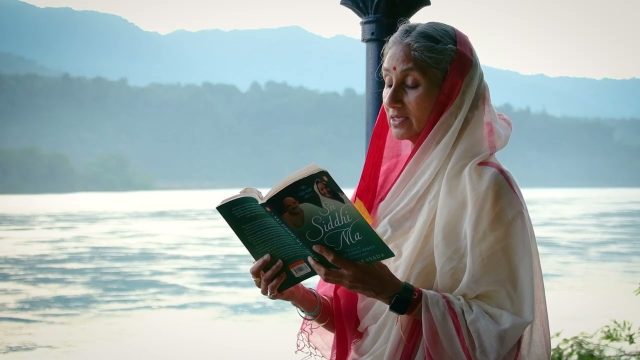
Ganga Is a Mother to Us All: A Story From Sri Siddhi Ma
Inspire

Ganga Is a Mother to Us All: A Story From Sri Siddhi Ma

A holy dip at Har Ki Pauri turns into a revelation in Sri Siddhi Ma. Nina Rao reads Jaya Prasada's Ganga passage beside the river.…

9 min read
The Heart Space Where All Is Welcome: A Guided Meditation
Inspire

The Heart Space Where All Is Welcome: A Guided Meditation

Tara Brach's guided meditation starts with a smile spreading across an open sky. Here is how its softening, expanding awareness and return t…

9 min read
すべて見るこちらもおすすめ→

旅をつづける

BrightStarのディレクトリから、さらなる智慧と集いを。

もっと記事を読む

教え、インタビュー、ガイドのライブラリ全体をご覧ください。

すべての記事に戻る →

講師とアーティスト

コンシャスな世界の系譜、音楽家、導き手を探しましょう。

アーティストを探す →

イベントを見つける

キルタン、リトリート、サウンドバス、ブレスワーク、フェスティバル — まもなく開かれます。

イベントを見る →