

Everett Considine
Meditation Teacher
紹介
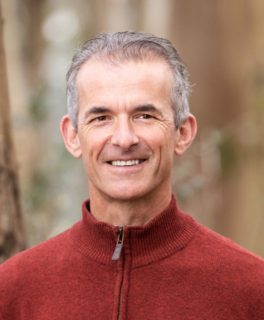
Everett Considine is a meditation teacher, healer and coach whose work centers on Internal Family Systems (IFS), often called "parts work." He describes himself as a heart-centered systems thinker, someone who can break down complex systems and explain them with ease. His background spans technology, business, spirituality and psychology.
Everett Considine is a meditation teacher, healer and coach whose work centers on Internal Family Systems (IFS), often called "parts work." He describes himself as a heart-centered systems thinker, someone who can break down complex systems and explain them with ease. His background spans technology, business, spirituality and psychology.
He has practiced meditation and mindfulness for over 30 years and has taught classes on both for just as long. He found IFS to be the missing piece of that path, a nuanced language for relating to oneself that reaches emotional issues other forms of personal growth can bypass. He has worked with IFS for 11 years and has taught it for the last 8. He is a Level 3 Certified IFS Practitioner and uses it as the primary modality in his one-on-one work.
His other training includes 15 years of Buddhist study, during which he was initiated as a Buddhist monk and teacher. He is also trained in cross-cultural Shamanism and certified to perform Soul Retrievals, House Blessings and Intuitive Readings. He weaves parts work and core emotion work into a non-denominational spiritual approach, aimed at helping people heal the wounds that keep them from making healthy lifestyle choices.
Everett is the originator of The Peaceful Eating Way™, which applies IFS-based parts work to people's relationship with food. He says more than seven thousand people have been through his trainings. He is co-author, with Susan Peirce Thompson, of "Rezoom: The Powerful Reframe to End the Crash-and-Burn Cycle of Food Addiction," and has worked with Bright Line Eating for six years.
よくある質問
Questions
Everett Considine is a Meditation Teacher, Healer and Coach whose work is built around Internal Family Systems (IFS), the therapeutic model often called parts work. He describes himself as a heart-centered systems thinker, and that framing shows up in how he explains things: he takes a complicated inner structure and makes it legible without flattening it. His background crosses technology, business, psychology and spirituality, which is unusual for someone teaching meditation. He has practiced meditation and mindfulness for more than 30 years and has taught both for just as long, so his interest is a long arc rather than a recent turn. Serious students are drawn to his treatment of IFS as the missing piece of a contemplative path, a precise vocabulary for relating to oneself that can reach emotional material other personal growth methods tend to step around. Anyone wanting his work in its most concentrated form should look at his one-on-one practice, where IFS is the primary modality.
Everett Considine's work draws on two main streams that he brings together: Buddhism and Internal Family Systems. He has spent 15 years in Buddhist study, during which he was initiated as a Buddhist monk and teacher, and his meditation practice rests on that contemplative foundation. The IFS strand is a Western psychotherapy model developed by Richard Schwartz, which Everett has worked with for 11 years and taught for the last 8, and he holds Level 3 Certified IFS Practitioner status. Alongside these he has trained in cross-cultural Shamanism and is certified to perform Soul Retrievals, House Blessings and Intuitive Readings. He describes the resulting approach as non-denominational, so it is not presented as the doctrine of any one sect, though its Buddhist roots are visible in its attention to inner states. The profile does not name a specific Buddhist school or lineage teacher, so anyone seeking a formal monastic genealogy should ask him directly through his website.
The profile does not catalog a sequence of courses, so a newcomer should begin with the two strands that anchor his work: parts work and mindfulness. The most accessible public entry point listed is his YouTube channel at youtube.com/user/everettconsidine, which lets a viewer hear his explanations of IFS in his own voice before committing to anything. From there, his website at everettconsidine.com is the place to look for trainings and one-on-one work, since that is where IFS is applied as his primary modality. Readers interested in the food side of his practice can turn to Rezoom, the book he co-wrote with Susan Peirce Thompson, which frames parts work around the crash-and-burn cycle of food addiction. Newcomers who expect a retreat-style guide may find the material more structured and vocabulary-driven than the word meditation suggests. A practical approach is to learn the IFS terms first and move to applied work once they feel familiar.
What separates Everett Considine from many meditation teachers is that he builds the practice on a psychotherapy model rather than on breath or devotion alone. His more than 30 years of meditation and mindfulness, combined with 15 years of Buddhist study, give the contemplative side real depth, while IFS supplies a structured map of the internal system. Many teachers offer relief through stillness; he positions IFS as the layer that reaches emotional wounds other personal growth approaches can bypass. His background in technology and business shows in his self-description as a systems thinker who explains complicated structures with ease, which suits students who want reasons as well as experiences. He also applies parts work to eating through The Peaceful Eating Way, a method he originated, and says more than seven thousand people have been through his trainings. The distinction lies less in the meditation itself than in the diagnostic language layered on top of it and in his focus on healing the wounds that drive unhealthy lifestyle choices.
Everett Considine's work is not well suited to people looking for pure contemplative silence or devotional practice without a psychological framework. Students who want Buddhist ritual or retreat-style instruction in a traditional monastic form may find his approach too therapeutic in its language. His non-denominational stance means he does not offer the doctrinal depth a student of a specific school might expect. Because IFS is his primary modality, one-on-one work asks for emotional openness and tolerance for examining inner conflict, which can feel confrontational to someone who prefers distance from feelings. People in acute crisis, or those who need clinical treatment for trauma or eating disorders, should work with a licensed mental health professional, since his practice is presented as healing and coaching rather than a substitute for that care. Readers who come for The Peaceful Eating Way should expect a food-focused framework rather than general nutrition advice. For many seekers that specificity is the appeal, but it is a boundary worth weighing before committing.
The current crawl returned no dated tour stops, workshops, or retreats for Everett Considine, so there is no verified schedule to list here. The most reliable place to follow trainings, one-on-one availability and announcements is his website at everettconsidine.com, the official hub for the work. His YouTube channel at youtube.com/user/everettconsidine is the other primary public channel and is a likely place for new explanatory material to appear. Because the bio describes trainings in The Peaceful Eating Way and a six-year working relationship with Bright Line Eating, students of those programs should watch for enrollment news through those channels as well. No Spotify or Apple Music links appear in the profile, so streaming-based release updates are not currently available. Anyone wanting the most current picture should check the website directly rather than relying on third-party listings, which may lag behind his own schedule.
Everett Considine's primary teaching format in the profile is one-on-one work using Internal Family Systems, which he uses as his main modality with individual clients. IFS sessions are typically conversational and inquiry-driven, with the practitioner helping a person notice and speak with protective and wounded parts while accessing a core sense of self. The feel is closer to guided reflection than to a silent sit. He also leads group trainings, including The Peaceful Eating Way, and the figure of more than seven thousand participants points to a structured curriculum rather than one-off workshops. Having taught meditation and mindfulness for over 30 years, he likely draws on contemplative practice alongside the parts language in group settings. Students expecting long silent periods, chanting, or ritual may find the pace more analytical and dialogue-heavy than they anticipated. The profile does not describe retreat logistics, group size, or pricing, so prospective students should ask directly through his website.
The central theme across Everett Considine's teaching is that inner parts, rather than willpower alone, drive much unhealthy behavior, and that those parts can be understood rather than suppressed. He returns repeatedly to parts work and core emotion work, treating emotional wounds as the root beneath habits people try to fix through discipline. A second theme is self-relationship: he presents IFS as a nuanced way of relating to oneself and as the missing element after decades of meditation. A third thread is healing as the path to healthy lifestyle choices, with his non-denominational approach aimed at the wounds that keep people from making them. The Peaceful Eating Way and Rezoom apply the same logic to food, framing the crash-and-burn cycle as something to reframe rather than endure through sheer effort. Running through all of it is systems thinking, the habit of breaking complicated internal dynamics into parts and relationships that can be explained plainly.
The profile links a YouTube channel at youtube.com/user/everettconsidine, which is the most direct place to look for recorded talks or explanatory videos by Everett Considine. The data does not itemize specific titles, series, or episode counts, so readers should browse the channel to see what is currently available rather than relying on a fixed list here. Independent study of IFS is well served by the vocabulary in his public materials, but a video explains a method and does not replace a trained practitioner's guidance in working with one's own parts. Because IFS is his primary modality in one-on-one work, recorded material is best seen as an introduction to the framework he applies live. Anyone wanting structured written study should consider Rezoom, which he co-authored with Susan Peirce Thompson and which applies parts work to food addiction. Listeners with a background in psychology will likely find the terminology familiar, while newcomers may want to pair videos with a slow reading of the book.
The profile lists no formal prerequisite for following Everett Considine's teaching, but the material is easier to absorb with a basic grasp of mindfulness and some comfort with reflective self-inquiry. His own framing assumes interest in understanding inner experience, since he describes IFS as a language for relating to oneself. Newcomers without meditation experience can still follow the parts-work concepts, though the Buddhist-derived attention in his teaching is more meaningful to students who already sit regularly. Readers approaching his food-focused work should be ready to examine their relationship with eating in a personal way, since The Peaceful Eating Way treats emotional patterns as central. People currently in psychological crisis should involve a licensed clinician alongside any coaching or IFS work, because the method can surface difficult material. A practical first step is to watch some of his public explanations before booking one-on-one work, to test whether the vocabulary and pace suit you.




ご本人ですか? このページを登録 ›
There's more where this came from.
BrightStar is the global directory of artists, teachers, and healers in the wellness and spiritual movement. Find your next experience — or add yourself.
Discover More Artists
Browse 14,000+ curated profiles across kirtan, yoga, meditation, and beyond.
Explore directory →Find an Event Near You
Kirtan, retreats, sound baths, breathwork, ceremonies — happening this week.
Browse events →Add Your Profile
Are you an artist, teacher, or healer? Get listed — free, AI-assisted, live in minutes.
Get started →