

Dr Shannon Wong Lerner
Meditation Teacher
紹介
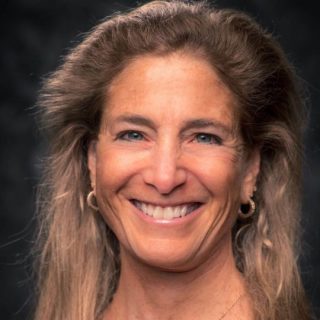
Dr. Shannon Wong Lerner (she/they) is a communication coach, consultant, keynote speaker and meditation teacher based in Sacramento, California. Their work draws on a whole-person approach that takes in who someone is, where they come from, how they process information and think, and how they identify, so that people sound like a better version of themselves rather than a version of someone else.
Dr. Shannon Wong Lerner (she/they) is a communication coach, consultant, keynote speaker and meditation teacher based in Sacramento, California. Their work draws on a whole-person approach that takes in who someone is, where they come from, how they process information and think, and how they identify, so that people sound like a better version of themselves rather than a version of someone else.
Shannon earned a doctorate in Performance Studies and Communication Studies from the University of North Carolina at Chapel Hill in May 2017. Their training also includes a Ph.D. in Rhetoric and Technical Communication from Michigan Technological University, an M.S. in English: Creative Writing from San Francisco State University, a B.A. in Applied Voice (classical and jazz) from American River College, and a CELTA TESOL certification. They studied at the Sivananda Yoga Farm Ashram in Grass Valley, studied opera and voice with Monifa Harris, and have held seminars and collaborations with the philosopher Luce Irigaray. Their work as a scholar, industry leader and performing artist spans the United States, Europe and Asia.
Shannon has used meditation and a breath-based approach in communication and executive coaching, non-profits and higher education for over 20 years. They founded the Queer Home Meditation online community, which supports LGBTQIA+ individuals with stress, anxiety and trauma. They also host The Intersection: Diverse Folk Converse, made by and for QPoC and GNC individuals, along with Communication Tutorials for Diverse People and the Life=Art Embodiment Series.
Their writing includes a chapter on Beyoncé and the national voice in Media Ventriloquism (Oxford University Press, 2021), which they co-edited with Jennifer Fleeger and Jaimie Baron. Shannon also speaks and trains on DEI and change management, and describes their story as one of stepping out of the closet, letting go of bad feelings toward themselves, and finding their voice.
よくある質問
Questions
Dr Shannon Wong Lerner is a Sacramento-based communication coach, consultant, keynote speaker and meditation teacher who has used breath-based practice in communication and executive coaching, non-profits and higher education for over 20 years. What sets Shannon apart from a typical wellness teacher is the academic foundation, which includes a doctorate in Performance Studies and Communication Studies from the University of North Carolina at Chapel Hill (May 2017), a Ph.D. in Rhetoric and Technical Communication from Michigan Technological University, and a B.A. in Applied Voice (classical and jazz) from American River College. Their whole-person method asks how someone thinks, where they come from, and how they identify, with the aim that people sound like a better version of themselves rather than an imitation of someone else. Listeners and students tend to follow the work because it treats voice, breath and meditation as one practice rather than three separate skills. Shannon also founded the Queer Home Meditation online community, which supports LGBTQIA+ individuals dealing with stress, anxiety and trauma. The result is a teacher whose credibility rests on scholarship and performance as much as on contemplative practice.
Shannon's lineage is best described as an integrated practice that joins yogic breath training with performance-based voice work, rather than a single named meditation school. Shannon studied at the Sivananda Yoga Farm Ashram in Grass Valley, California, which anchors the breath work in a classical yoga setting. Voice and opera training came through study with Monifa Harris, and the classical and jazz background from the B.A. in Applied Voice gives the teaching its vocal discipline. On the philosophical side, Shannon has held seminars and collaborations with the philosopher Luce Irigaray, which brings a critical lens to questions of who gets to speak and how. The doctoral training in Performance Studies and Communication Studies links this to rhetoric, media and the sounding of identity, a thread visible in the Oxford University Press volume Media Ventriloquism (2021), which Shannon co-edited with Jennifer Fleeger and Jaimie Baron. Because no formal lineage statement appears in the available material, it is more accurate to describe the tradition as a synthesis of yoga, voice and performance scholarship than to assign it to one school.
A complete newcomer should begin with the official site at drshannonwl.com and the YouTube channel at youtube.com/channel/UCh3uPCKXBRyYZckGx7XTkAw, since those are the most direct public entry points for Shannon's teaching. Anyone drawn to the meditation side should look first at the Queer Home Meditation community, which was built specifically for LGBTQIA+ individuals working through stress, anxiety and trauma. People whose interest is communication or voice should explore the breath-based communication coaching and the Communication Tutorials for Diverse People, which apply the whole-person approach to speaking rather than generic presentation polish. The Life=Art Embodiment Series is another option for those who want to experience the embodied, performance-rooted side of the method. The Intersection: Diverse Folk Converse is made by and for QPoC and GNC individuals, so it works as a community space rather than a lecture series. Newcomers should try one format, notice whether the breath-based approach suits them, and then move to the others. Because individual video titles were not available in the material provided, the YouTube channel is the best place to pick a specific starting video.
What separates Shannon from most meditation teachers is that the breath work sits alongside executive coaching, DEI and change management, and voice training rather than apart from them. Many meditation teachers work only in the contemplative register, while Shannon brings the same breath-based approach into non-profits, higher education and organizational settings, which gives the practice a practical, workplace-tested edge. The second difference is the identity focus, since the whole-person method explicitly accounts for who someone is, where they come from, how they process information and how they identify, instead of offering one template for every student. Shannon's own story, described as stepping out of the closet, letting go of bad feelings toward oneself and finding one's voice, shapes the teaching in a personal rather than generic way. Authority here rests on a doctorate in Performance Studies and Communication Studies, a second Ph.D. in Rhetoric and Technical Communication, and more than two decades of applied coaching work. The practical result is that sessions feel closer to coaching than to ceremony. Readers comparing options should decide whether they want a contemplative guide or a communication-minded one, because Shannon is clearly the latter as well.
Shannon's work is not a fit for anyone seeking a purely devotional meditation path with a single named lineage and a monastic structure, because the approach is deliberately integrated with coaching, scholarship and voice work. People who come to meditation to avoid questions of identity may find the whole-person framing uncomfortable, since the method asks students to account for who they are and how they identify. Those looking for a low-cost silent retreat should check current offerings carefully, as the material available does not list specific retreat formats. Listeners who want recorded chant or musical listening should know that the public footprint centers on teaching, coaching and community rather than albums. Organizations expecting a conventional DEI training firm may find the breath-based framing unusual, which is a deliberate tradeoff rather than a flaw. General wellness seekers may find the Queer Home Meditation community more specific to LGBTQIA+ experience than they expected. Anyone in acute crisis should seek clinical support first, because this work is coaching and community practice and not a substitute for therapy.
No upcoming events were crawled for Shannon at the time of writing, so there are no confirmed dates to list here. The most reliable place to track new work is the official site at drshannonwl.com, which serves as the primary web presence for Shannon's teaching, coaching and speaking. The YouTube channel at youtube.com/channel/UCh3uPCKXBRyYZckGx7XTkAw is the other public source for recorded material and new uploads. No Spotify or Apple Music presence is listed in the profile data, so there is no streaming release feed to follow. Subscribing to the YouTube channel is the simplest way to catch new recordings as they appear. Event listings will be added to this profile page as new dates are crawled, so it is worth checking back periodically.
Shannon's sessions use breath as the entry point to communication, so a coaching conversation often begins with how a person breathes before it reaches script, slides or content. The executive and communication coaching draws on more than 20 years of applied work in non-profits and higher education, which keeps the approach practical rather than abstract. Because Shannon trained in applied voice in classical and jazz, students should expect something closer to a voice lesson than a guided visualization. The whole-person intake covers who the student is, where they come from, how they process information and how they identify, and the coaching adapts from there. Public material points to an intimate, identity-aware atmosphere, especially in the LGBTQIA+ community spaces. The overall feel is focused and precise rather than ecstatic or exuberant. Because individual session formats and pricing are not detailed in the available material, prospective clients should confirm specifics through drshannonwl.com.
The most consistent theme is that a person should sound like a better version of themselves rather than like someone else, which runs through the coaching, speaking and meditation work alike. A second thread is the link between breath and voice, with breath treated as the foundation for speaking clearly under pressure. Identity is a third major theme, and the teaching accounts for how someone identifies, where they come from and how they process information instead of assuming a neutral student. Shannon's own story of stepping out of the closet, letting go of bad feelings toward oneself and finding one's voice appears as a motif of self-acceptance and reclaimed speech. The DEI and change management work applies the same breath-and-voice logic to organizational change. The LGBTQIA+ stress and trauma support, delivered through the Queer Home Meditation community, shows that the teaching is grounded in community care as much as in performance. Scholarly concern with whose voice gets heard, visible in the Media Ventriloquism volume (Oxford University Press, 2021), informs the teaching's attention to voice and national identity.
The clearest written record is the chapter on Beyoncé and the national voice in Media Ventriloquism (Oxford University Press, 2021), which Shannon co-edited with Jennifer Fleeger and Jaimie Baron. That volume is a serious academic text rather than an accessible talk, so readers should expect dense critical writing on performance and voice. For spoken material, the YouTube channel at youtube.com/channel/UCh3uPCKXBRyYZckGx7XTkAw is the place to look for recorded teaching. The Life=Art Embodiment Series and the Communication Tutorials for Diverse People are the most likely candidates for standalone study, though exact titles and formats were not in the material reviewed. Shannon also speaks and trains on DEI and change management, so keynote-style recordings may appear on the channel. Independent study works best when a listener pairs the breath-based exercises with the academic material, since the teaching assumes curiosity about how voice carries identity. Because the full list of uploaded titles was not available, the channel itself is the most accurate guide to what is currently published.
No prior meditation experience is required to begin, since the breath-based approach is built to work with beginners in both coaching and community settings. Familiarity with yogic practice helps given Shannon's training at the Sivananda Yoga Farm Ashram in Grass Valley, but it is not a prerequisite. Those coming for communication coaching benefit from a willingness to examine how they speak, because the method starts with the whole person rather than a presentation template. Readers who want the Media Ventriloquism chapters will get more from them with some grounding in performance studies or rhetoric, though the meditation teaching itself does not demand it. Anyone joining the Queer Home Meditation community should understand that the space is built for LGBTQIA+ individuals managing stress, anxiety and trauma, which shapes the conversation. The voice work assumes some comfort with speaking or singing aloud, drawing on the classical and jazz applied voice training. Overall the barrier is low for meditation and higher only for the scholarly writing.



ご本人ですか? このページを登録 ›
There's more where this came from.
BrightStar is the global directory of artists, teachers, and healers in the wellness and spiritual movement. Find your next experience — or add yourself.
Discover More Artists
Browse 14,000+ curated profiles across kirtan, yoga, meditation, and beyond.
Explore directory →Find an Event Near You
Kirtan, retreats, sound baths, breathwork, ceremonies — happening this week.
Browse events →Add Your Profile
Are you an artist, teacher, or healer? Get listed — free, AI-assisted, live in minutes.
Get started →