BrightStar
BlogMes billets
BlogMes billets
Saved events
Aide et contactS'inscrireConnexion
Événements
  • Parcourir tous les Événements
  • Yoga
  • Méditation
  • Breathwork
  • Qi gong
  • Musique sacrée
  • Musiques du monde
  • Musique médecine
  • Soins sonores
  • Danse extatique
  • Cérémonie
  • Médecine des plantes
  • Soin énergétique
  • Satsang et sagesse
  • Tantra
  • Retraites
  • Toutes les catégories →
Destinations
  • Bali
  • Sedona
  • Los Angeles
  • Costa Rica
  • Tulum
  • Byron Bay
  • San Francisco
  • Austin
  • New York
  • San Diego
  • Denver
  • Seattle
  • Portland
  • Miami
  • London
  • Maui
  • Boulder
  • Toutes les villes →
Plateforme
  • Pour les organisateurs
  • Rejoignez le mouvement
  • Sell Globally
  • Pour les créateurs
  • Pour les équipes
  • Pour les écrivains
  • Pour les enseignants
  • Pour les artistes de kirtan
  • Pour les studios
  • Pour les festivals
  • Pour les centres de retraite
  • Pour les associations
  • Ambassadeur de marque
  • Billetterie gratuite
  • Pro
  • Amplify
  • L'écosystème
Fonctionnalités

Billetterie et achat

  • Ticket categories
  • Assigned seating
  • Custom questions
  • Coupon codes
  • Smart pricing
  • Ticket sharing
  • Waitlist
  • Flexible refunds
  • Digital waivers
  • Tip jar
  • Donations and sliding scale
  • Embed widget
  • Mindful checkout
  • Recurring events
  • Private sessions
  • Online courses
  • Summits
  • Rooms and stays
  • Ticket scanner

Marketing et croissance

  • Abandoned cart recovery
  • Visitor recovery
  • Upsells and add-ons
  • Affiliate engine
  • Upsell affiliate network
  • Brand ambassador
  • Meta retargeting
  • Verified buyer network
  • Outbound email marketing
  • Email sequences
  • SMS and WhatsApp
  • Event upsell network
  • Direct mail campaigns
  • SEO engine
  • Syndication
  • Event sharing
  • Custom event pages
  • Artist profiles
  • Link in bio
  • Event blog
  • Blog newsletter

Paiements

  • Payments, powered by Stripe
  • Buy now, pay later
  • Apple Wallet
  • Multi currency

Données et opérations

  • Team access
  • Message center
  • Reports
  • Analytics reporting
  • Performance reporting
  • Customer data
  • Integrations
  • Switch from another platform

IA

  • Assistant
  • AI FAQ assistant
  • Toutes les fonctionnalités →
Entreprise
  • À propos
  • Questions fréquentes
  • Contact
  • Blog
  • Glossaire
  • Guides
  • Inspiration
  • Centre d'aide
  • Documentation API
  • Ressources de marque
  • Presse
  • Conditions d'utilisation
  • Politique de confidentialité

Événements

  • Parcourir tous les Événements
  • Yoga
  • Méditation
  • Breathwork
  • Qi gong
  • Musique sacrée
  • Musiques du monde
  • Musique médecine

Destinations

  • Bali
  • Sedona
  • Los Angeles
  • Costa Rica
  • Tulum
  • Byron Bay
  • San Francisco
  • Austin

Plateforme

  • Pour les organisateurs
  • Rejoignez le mouvement
  • Sell Globally
  • Pour les créateurs
  • Pour les équipes
  • Pour les écrivains
  • Pour les enseignants
  • Pour les artistes de kirtan

Fonctionnalités

  • Réseau communautaire
  • Récupération des paniers abandonnés
  • Catégories de billets
  • Événements récurrents
  • Places assignées
  • Système d'affiliation
  • Liste d'attente / Notifier
  • Toutes les fonctionnalités →

Entreprise

  • À propos
  • Questions fréquentes
  • Contact
  • Blog
  • Glossaire
  • Guides
  • Conditions d'utilisation
  • Politique de confidentialité
Lire la suite

Événements

  • Soins sonores
  • Danse extatique
  • Cérémonie
  • Médecine des plantes
  • Soin énergétique
  • Satsang et sagesse
  • Tantra
  • Retraites
  • Toutes les catégories →

Destinations

  • New York
  • San Diego
  • Denver
  • Seattle
  • Portland
  • Miami
  • London
  • Maui
  • Boulder
  • Toutes les villes →

Plateforme

  • Pour les studios
  • Pour les festivals
  • Pour les centres de retraite
  • Pour les associations
  • Ambassadeur de marque
  • Billetterie gratuite
  • Pro
  • Amplify
  • L'écosystème

Entreprise

  • Inspiration
  • Centre d'aide
  • Documentation API
  • Ressources de marque
  • Presse

Billetterie et achat

  • Ticket categories
  • Assigned seating
  • Custom questions
  • Coupon codes
  • Smart pricing
  • Ticket sharing
  • Waitlist
  • Flexible refunds
  • Digital waivers
  • Tip jar
  • Donations and sliding scale
  • Embed widget
  • Mindful checkout
  • Recurring events
  • Private sessions
  • Online courses
  • Summits
  • Rooms and stays
  • Ticket scanner

Marketing et croissance

  • Abandoned cart recovery
  • Visitor recovery
  • Upsells and add-ons
  • Affiliate engine
  • Upsell affiliate network
  • Brand ambassador
  • Meta retargeting
  • Verified buyer network
  • Outbound email marketing
  • Email sequences
  • SMS and WhatsApp
  • Event upsell network
  • Direct mail campaigns
  • SEO engine
  • Syndication
  • Event sharing
  • Custom event pages
  • Artist profiles
  • Link in bio
  • Event blog
  • Blog newsletter

Paiements

  • Payments, powered by Stripe
  • Buy now, pay later
  • Apple Wallet
  • Multi currency

Données et opérations

  • Team access
  • Message center
  • Reports
  • Analytics reporting
  • Performance reporting
  • Customer data
  • Integrations
  • Switch from another platform

IA

  • Assistant
  • AI FAQ assistant
Téléchargez l'app
Télécharger dans l'App StoreDisponible surGoogle Play
© 2026 BrightStar. Tous droits réservés. BrightStar Selection · Crédits photo · Journal des modifications ·
Inspiration

Coming Back Home to Yourself: A Guided Meditation

Jack Kornfield
Jack Kornfield
Nov 26, 2025
8 min de lecture

Source : Be Here Now Network

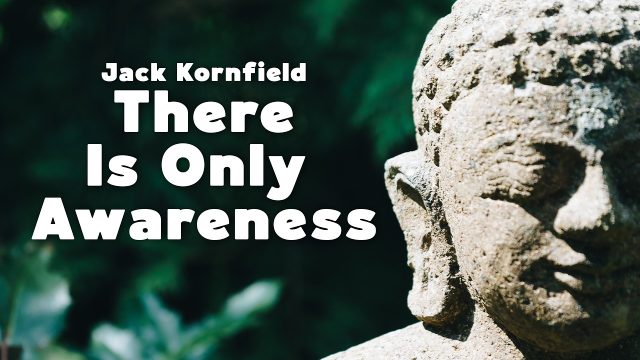
Jack Kornfield offers a foundational guided meditation practice centered on the simple but profound act of returning awareness to the breath, body, and heart. In a culture of constant complexity and busyness, Kornfield frames this basic meditation as an anchoring practice that addresses a deep longing many people carry—to come home to themselves. The meditation invites practitioners to quiet mental noise and establish direct contact with their own inner experience, grounding them in presence and embodied awareness rather than abstract spiritual concepts.

Lecture · 6 sections

Why We Long to Come Home to Ourselves

Kornfield opens with a recognition that many people in modern culture experience a particular kind of fragmentation. We live "such a complex and busy life," pulled in multiple directions by external demands, information streams, and social expectations. Yet within that busyness, Kornfield notes, "there is some part of us that knows, maybe even longs, for coming back to ourselves and listening." This longing is not a personal failing or spiritual aspiration grafted onto our nature—it is a natural impulse that gets buried under layers of distraction and activity.

The contemporary condition of complexity makes this return to simplicity radical. Most of what passes for personal development or self-improvement involves adding new tools, practices, or knowledge. Kornfield's approach inverts this: the unique offering is to simply stop, quiet the mind, and listen. This listening is not directed outward toward a teacher, a philosophy, or an external ideal. It is turned inward, toward the breath, the body's sensations, the quality of the heart, and the nature of mind itself as they exist in this moment.

The Core Practice: Listening to Breath, Body, and Heart

Kornfield's meditation rests on a deceptively simple instruction: attend to your own breath, body, heart, and mind. This is the foundation of Buddhist mindfulness practice, which Kornfield helped introduce to Western audiences after training as a monk in Thailand, India, and Burma under teachers including Ven. Ajahn Chah and Ven. Mahasi Sayadaw. The instruction is simple, but its implications are profound.

The breath serves as the anchor. Unlike thoughts, which arise unbidden and carry emotional charge, the breath is always present and relatively neutral. It moves in and out without requiring belief or interpretation. By placing attention on the breath, practitioners establish a stable reference point—something they can return to again and again when the mind wanders into planning, memory, worry, or distraction.

The body is the next layer of listening. Sensation—temperature, texture, tension, ease—occurs independently of the stories the mind generates. By developing sensitivity to bodily sensation, practitioners learn to distinguish between what is actually happening (a tightness in the chest, a tingling in the hands) and the narratives that overlay sensation (fear, inadequacy, excitement). This distinction is foundational to emotional clarity and genuine self-knowledge.

The heart, in Kornfield's language, refers to the emotional and relational dimension of being—the capacity to feel, to care, to respond with warmth or grief or compassion. Unlike thoughts that come and go, and sensations that shift continuously, the heart holds something more stable: the quality of presence and openness one brings to experience itself. Listening to the heart means noticing whether one is contracted or open, defended or receptive, in any given moment.

The mind, finally, is the space of awareness itself. Rather than trying to stop or control thoughts (which usually backfires, creating tension), the meditation invites practitioners to observe the mind—to notice thoughts arising and passing like clouds in sky, without grasping or rejecting them. This observing awareness is not produced by effort; it is what remains when one stops struggling against the mind's natural activity.

Why This Practice Matters in Modern Life

Kornfield frames this meditation as a direct response to the conditions of contemporary life. The culture offers endless options for distraction, productivity systems, self-optimization, and external achievement. What it does not typically offer is permission—or instruction—to simply be present with what is.

The act of sitting together to quiet the mind and listen is described as "a unique thing in this culture." This is not flattery of meditation practice; it is an observation about the radical scarcity of sustained, unstructured attention in daily life. Most activities are goal-oriented: we work to earn money, exercise to improve health, socialize to build relationships or status. Meditation reverses this. There is no goal other than presence itself. There is nothing to achieve, improve, or become. The practice is complete in any moment it occurs.

This goallessness is precisely why the practice resists the productivity culture's logic. A person cannot meditate "well" or "badly" in the way they can execute a project successfully or fail. They can sit more or less consistently; their mind can be more or less agitated; their attention can be steadier or more scattered. But the meditation itself—the act of listening—is the whole point. In this, Kornfield offers a subtle but crucial reframing: not that meditation leads to spiritual enlightenment (though it may), but that the act of coming home to oneself is valuable in itself, regardless of future outcomes.

How to Begin the Practice

The video provides guided instruction for practitioners new to meditation. The basic setup involves finding a comfortable seated position—upright enough that the body is alert, relaxed enough that physical discomfort does not become the focus. Eyes can be open or closed; many practitioners find a soft gaze, neither staring outward nor fully closed, helps maintain both alertness and inward attention.

Kornfield then walks practitioners through a simple progression: establishing awareness of the breath, expanding that awareness to include the whole body, noticing the quality of the heart, and finally resting in the openness of mind itself. The meditation is not rigid; if attention drifts, the instruction is simply to notice the drift—gently and without self-criticism—and return again to the breath, body, or heart.

One common misunderstanding is that meditation requires achieving a blank or peaceful mind. Kornfield's approach clarifies this: the mind will have thoughts, impulses, sensations arising. The practice is not suppression but awareness. By noticing thoughts without pushing them away or following them, a practitioner develops what Kornfield calls the "observing awareness"—the part of consciousness that can witness all these activities without being swept up in them.

The Long Arc of Returning Home

While the guided meditation in this video lasts roughly 30 minutes, Kornfield's broader teaching emphasizes that this practice can be integrated into a lifetime. The return to oneself is not a single achievement but a repeated gesture, done again and again across decades. Early in a meditation practice, returning to the breath might feel difficult—the mind seems to jump away constantly, and the body feels agitated. Over time, with patient repetition, returning becomes easier. More importantly, practitioners develop trust in the process: they begin to experience directly that the breath is always available, that the body always contains sensation, that the heart can always soften, and that awareness is always present.

This experiential knowing—distinct from intellectual understanding—is what Kornfield points toward. A person can read about meditation or hear a teacher describe it, but until they sit and experience the quiet that emerges when attention settles, until they feel the body relax, until they notice thoughts pass without grasping them, the teaching remains abstract. The video offers an opportunity to move from concept to experience, from knowing about meditation to meditating.

Where to Go From Here

This guided meditation is an entry point into a larger practice. Kornfield offers multiple pathways for deepening: his books, online courses through JackKornfield.com (including "Mindfulness Meditation Fundamentals," "Opening the Heart of Forgiveness," and "Walking the Eightfold Path"), and regular community gatherings through programs like "The Year of Awakening: A Monthly Journey with Jack Kornfield." For those interested in the historical and philosophical roots of this practice, exploring Kornfield's accounts of training in Thailand and Burma, as well as his co-founding of the Insight Meditation Society and Spirit Rock Center, provides context for how Buddhist mindfulness entered Western secular contexts.

The most direct next step, however, is simply to practice. Setting aside 10 to 20 minutes daily to return to the breath, body, and heart—using this video as guidance or developing your own sitting practice—embeds the teaching in lived experience. Over weeks and months, the effects become apparent: reduced reactivity to stress, increased emotional clarity, a steadier sense of presence even during busy activities. Most importantly, practitioners begin to recognize what Kornfield points to from the start: that coming home to oneself is not a distant achievement but something available right now, in the next breath.

Commentaires

Chargement de la conversation…

L'artiste de cet article

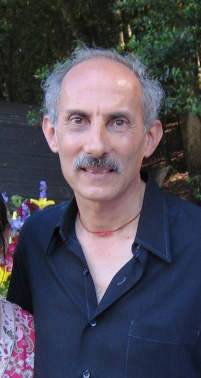
Jack Kornfield

Jack Kornfield

Meditation Teacher

Jack Kornfield, Ph.D.

Voir le profil
Explorer les thèmes
Breath awarenessMindfulness meditationGuided meditationComing homePresence
Questions fréquemment posées

Questions fréquemment posées

Rather than stopping the mind's wandering, Kornfield's approach is to notice when your attention drifts and gently return it to your breath, body, or heart. The mind will naturally have thoughts and impulses; the practice is developing awareness of these without fighting them. Each time you notice your mind has wandered and bring attention back, you're strengthening this observing awareness itself.

Meditation involves directed attention—intentionally listening to specific anchors like the breath, bodily sensation, and the heart. Simply sitting quietly may involve passive relaxation, while meditation develops active awareness and the capacity to observe your own experience without getting caught up in it. This focused listening is what makes meditation a distinct practice rather than just rest.

Kornfield's teaching suggests consistency matters more than duration. Even 10-20 minutes daily tends to show clearer benefits than longer occasional sessions. The practice works through repeated return to presence; regular practice embeds the habit of noticing your breath, body, and heart even during busy daily life, not just during formal sitting.

While Kornfield typically recommends an upright seated position to maintain alertness and avoid falling asleep, the core practice of listening to your breath and body can be adapted to other positions. The key is finding a posture that's both alert enough to sustain attention and comfortable enough that physical discomfort doesn't become the focus.

Not necessarily at first. When beginning meditation, the mind and body often feel more active, agitated, or busy—partly because you're now noticing what was always there. With continued practice, a natural quietness may emerge, but Kornfield's approach emphasizes honest observation of what's present rather than chasing a particular peaceful state.

It means returning awareness to your own direct experience—your breath, bodily sensations, emotional tone, and mental activity—rather than being lost in external demands, plans, or distractions. Coming home is recognizing that presence and self-awareness are always available, not something you need to acquire or achieve elsewhere.

This guided meditation is designed for practitioners at all levels, including complete beginners. Kornfield walks through the basic instructions step-by-step, making it accessible for anyone willing to sit and listen. The simplicity of the instructions—focusing on breath, body, heart, and mind—is the practice itself, regardless of how much experience you have.

Vous pourriez aussi aimer

Voir tout
Creating Inner Peace During Conflict and War
Inspire

Creating Inner Peace During Conflict and War

Learn how to maintain an open heart and inner peace even amid external war and suffering. A Buddhist teacher's guidance on compassion and re…

7 min read
Buddhist Psychology: Awareness as the Foundation of Mind
Inspire

Buddhist Psychology: Awareness as the Foundation of Mind

Buddhist psychology teaches that awareness is ever-present and foundational to our experience. By quieting the mind and opening the heart, w…

8 min read
The Heart Space Where All Is Welcome: A Guided Meditation
Inspire

The Heart Space Where All Is Welcome: A Guided Meditation

Tara Brach's guided meditation starts with a smile spreading across an open sky. Here is how its softening, expanding awareness and return t…

9 min read
Medicine Buddha Practice: Feeling Beneath the Thinking
Inspire

Medicine Buddha Practice: Feeling Beneath the Thinking

Lama Rod Owens opens a Monday-night Medicine Buddha session six years into the practice, teaching how to feel an experience instead of think…

10 min read
Tout voirVous pourriez aussi aimer→

Poursuis ton chemin

Plus de sagesse et de rassemblements dans tout l’annuaire BrightStar.

Plus d’articles

Parcours toute la bibliothèque d’enseignements, d’entretiens et de guides.

Retour à tous les articles →

Enseignants et artistes

Découvre les lignées, les musiciens et les guides du monde conscient.

Explorer les artistes →

Trouver un événement

Kirtan, retraites, bains sonores, breathwork, festivals — bientôt près de chez toi.

Parcourir les événements →