BrightStar
BlogMes billets
BlogMes billets
Saved events
Aide et contactS'inscrireConnexion
Événements
  • Parcourir tous les Événements
  • Yoga
  • Méditation
  • Breathwork
  • Qi gong
  • Musique sacrée
  • Musiques du monde
  • Musique médecine
  • Soins sonores
  • Danse extatique
  • Cérémonie
  • Médecine des plantes
  • Soin énergétique
  • Satsang et sagesse
  • Tantra
  • Retraites
  • Toutes les catégories →
Destinations
  • Bali
  • Sedona
  • Los Angeles
  • Costa Rica
  • Tulum
  • Byron Bay
  • San Francisco
  • Austin
  • New York
  • San Diego
  • Denver
  • Seattle
  • Portland
  • Miami
  • London
  • Maui
  • Boulder
  • Toutes les villes →
Plateforme
  • Pour les organisateurs
  • Rejoignez le mouvement
  • Sell Globally
  • Pour les créateurs
  • Pour les équipes
  • Pour les écrivains
  • Pour les enseignants
  • Pour les artistes de kirtan
  • Pour les studios
  • Pour les festivals
  • Pour les centres de retraite
  • Pour les associations
  • Ambassadeur de marque
  • Billetterie gratuite
  • Pro
  • Amplify
  • L'écosystème
Fonctionnalités

Billetterie et achat

  • Ticket categories
  • Assigned seating
  • Custom questions
  • Coupon codes
  • Smart pricing
  • Ticket sharing
  • Waitlist
  • Flexible refunds
  • Digital waivers
  • Tip jar
  • Donations and sliding scale
  • Embed widget
  • Mindful checkout
  • Recurring events
  • Private sessions
  • Online courses
  • Summits
  • Rooms and stays
  • Ticket scanner

Marketing et croissance

  • Abandoned cart recovery
  • Visitor recovery
  • Upsells and add-ons
  • Affiliate engine
  • Upsell affiliate network
  • Brand ambassador
  • Meta retargeting
  • Verified buyer network
  • Outbound email marketing
  • Email sequences
  • SMS and WhatsApp
  • Event upsell network
  • Direct mail campaigns
  • SEO engine
  • Syndication
  • Event sharing
  • Custom event pages
  • Artist profiles
  • Link in bio
  • Event blog
  • Blog newsletter

Paiements

  • Payments, powered by Stripe
  • Buy now, pay later
  • Apple Wallet
  • Multi currency

Données et opérations

  • Team access
  • Message center
  • Reports
  • Analytics reporting
  • Performance reporting
  • Customer data
  • Integrations
  • Switch from another platform

IA

  • Assistant
  • AI FAQ assistant
  • Toutes les fonctionnalités →
Entreprise
  • À propos
  • Questions fréquentes
  • Contact
  • Blog
  • Glossaire
  • Guides
  • Inspiration
  • Centre d'aide
  • Documentation API
  • Ressources de marque
  • Presse
  • Conditions d'utilisation
  • Politique de confidentialité

Événements

  • Parcourir tous les Événements
  • Yoga
  • Méditation
  • Breathwork
  • Qi gong
  • Musique sacrée
  • Musiques du monde
  • Musique médecine

Destinations

  • Bali
  • Sedona
  • Los Angeles
  • Costa Rica
  • Tulum
  • Byron Bay
  • San Francisco
  • Austin

Plateforme

  • Pour les organisateurs
  • Rejoignez le mouvement
  • Sell Globally
  • Pour les créateurs
  • Pour les équipes
  • Pour les écrivains
  • Pour les enseignants
  • Pour les artistes de kirtan

Fonctionnalités

  • Réseau communautaire
  • Récupération des paniers abandonnés
  • Catégories de billets
  • Événements récurrents
  • Places assignées
  • Système d'affiliation
  • Liste d'attente / Notifier
  • Toutes les fonctionnalités →

Entreprise

  • À propos
  • Questions fréquentes
  • Contact
  • Blog
  • Glossaire
  • Guides
  • Conditions d'utilisation
  • Politique de confidentialité
Lire la suite

Événements

  • Soins sonores
  • Danse extatique
  • Cérémonie
  • Médecine des plantes
  • Soin énergétique
  • Satsang et sagesse
  • Tantra
  • Retraites
  • Toutes les catégories →

Destinations

  • New York
  • San Diego
  • Denver
  • Seattle
  • Portland
  • Miami
  • London
  • Maui
  • Boulder
  • Toutes les villes →

Plateforme

  • Pour les studios
  • Pour les festivals
  • Pour les centres de retraite
  • Pour les associations
  • Ambassadeur de marque
  • Billetterie gratuite
  • Pro
  • Amplify
  • L'écosystème

Entreprise

  • Inspiration
  • Centre d'aide
  • Documentation API
  • Ressources de marque
  • Presse

Billetterie et achat

  • Ticket categories
  • Assigned seating
  • Custom questions
  • Coupon codes
  • Smart pricing
  • Ticket sharing
  • Waitlist
  • Flexible refunds
  • Digital waivers
  • Tip jar
  • Donations and sliding scale
  • Embed widget
  • Mindful checkout
  • Recurring events
  • Private sessions
  • Online courses
  • Summits
  • Rooms and stays
  • Ticket scanner

Marketing et croissance

  • Abandoned cart recovery
  • Visitor recovery
  • Upsells and add-ons
  • Affiliate engine
  • Upsell affiliate network
  • Brand ambassador
  • Meta retargeting
  • Verified buyer network
  • Outbound email marketing
  • Email sequences
  • SMS and WhatsApp
  • Event upsell network
  • Direct mail campaigns
  • SEO engine
  • Syndication
  • Event sharing
  • Custom event pages
  • Artist profiles
  • Link in bio
  • Event blog
  • Blog newsletter

Paiements

  • Payments, powered by Stripe
  • Buy now, pay later
  • Apple Wallet
  • Multi currency

Données et opérations

  • Team access
  • Message center
  • Reports
  • Analytics reporting
  • Performance reporting
  • Customer data
  • Integrations
  • Switch from another platform

IA

  • Assistant
  • AI FAQ assistant
Téléchargez l'app
Télécharger dans l'App StoreDisponible surGoogle Play
© 2026 BrightStar. Tous droits réservés. BrightStar Selection · Crédits photo · Journal des modifications ·
Inspiration

How to Handle Disrespect Without Taking It Personally

Jul 14, 2017
5 min de lecture

Source : Art of Living Retreat Center

À regarder · 4

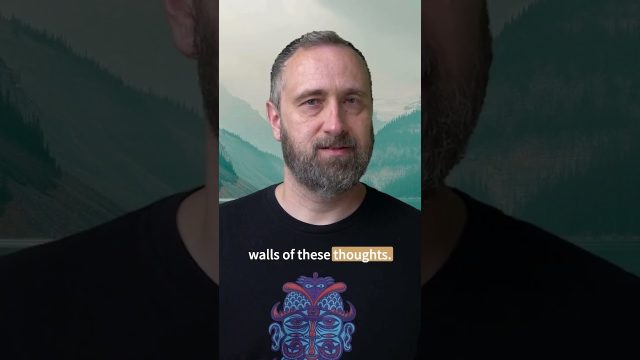
When someone treats you disrespectfully, that behavior is a direct result of their own stress, poor social skills, or lack of emotional awareness—not a reflection of who you are. The quality of how others treat you shows their character, not yours. By developing self-respect that cannot be taken away and by reframing disrespect as a sign of the other person's internal struggle, you can avoid internalizing their negativity and instead help them move toward better behavior.

Lecture · 6 sections

Why Do We Make Others' Disrespect About Ourselves?

Most people instinctively internalize disrespect. When someone treats you poorly, the common response is to believe their behavior reflects something about you—that you are not good enough, that you did something wrong, or that you need to "polish yourself" to become more worthy of respect. This self-blame creates unnecessary suffering and distorts your self-perception. Jai Dev Singh describes an "aha moment" where this pattern became clear: we naturally assume that if someone disrespects us, it must mean something is broken in us.

But this assumption reverses cause and effect. The way others treat you is entirely a product of their own mind, stress levels, and emotional tools. It has nothing to do with your inherent worth or character.

What Does Respectful Treatment Actually Reveal?

Singh shares a key insight: when someone treats you with respect, it shows the quality of their character, not yours. This distinction is fundamental. Your worth is not built by collecting respectful treatment from others; it already exists. Self-respect—true, unshakeable self-respect—is something no one can take away from you, no matter how they behave.

Conversely, when you treat others with respect and honor, that reveals the quality and integrity of your character. This reframe removes the dependency on external validation. You are not trying to earn respect by being treated well; instead, you practice respect as an expression of who you already are.

Why Do Disrespectful People Act That Way?

Singh's central teaching is that disrespectful or poor behavior is always rooted in the person's own stress. If someone treats you poorly, they are stressed. They may have poor social skills, unhelpful habits, or a lack of awareness about how their words affect others. Most critically, they may lack the emotional tools to release their stress in healthy ways.

Consider someone who has never learned breathing techniques, yoga, or other stress-management practices. Their body and mind remain flooded with unprocessed tension. When that pressure builds, they release it onto whoever is nearest—often you. This is not about you; it is about their own overwhelmed nervous system looking for an outlet.

Singh notes that this same person is "probably doing that negative behavior to everybody else in their life." Their disrespect is indiscriminate. It is a symptom of their internal state, not a judgment on your character or actions.

How Can You Stop Taking It Personally?

The practical path is threefold:

  • Know your inherent worth: Remind yourself that you are a worthy person who is loved. This is not earned through others' approval; it simply is.
  • Separate their behavior from your identity: When someone acts disrespectfully, say to yourself: "This is their stress expressing itself. This is not about me."
  • Remove the assumption of intention: Disrespectful people are often acting unconsciously, not out of deliberate malice. When you stop attributing hidden intention to their mistakes, you stop feeling personally targeted.

This shift in perspective is not passive acceptance of poor treatment. Rather, it is the cognitive move that makes genuine help possible. As long as you see their behavior as an attack on you, you remain defensive. The moment you see it as a sign of their own pain and lack of skills, you can respond with clarity instead of reactivity.

Can You Actually Help Someone Out of Negative Behavior?

Singh suggests that you can. If you do not make someone's disrespect about you, and if you can maintain your own centeredness and self-respect, you become a stable presence in their life. You refuse to mirror their stress back to them. You refuse to join their cycle of negativity.

This consistency—your calm, your respect, your non-reactivity—can be a model for them. Over time, they may begin to see that there is another way to be. You have not "fixed" them, but you have declined to reinforce their negative pattern and instead offered them a different relational experience.

Singh emphasizes: "If you cannot make it about you but realize it's about their own mind and their own stress you could actually turn it around and help them out of it." This is not about self-sacrifice or enabling; it is about not amplifying their pain through your own hurt feelings.

Where to Go From Here

The next time someone treats you disrespectfully, pause and ask: What might they be stressed about? What tools might they lack? Rather than spiraling into "What did I do wrong?", redirect your inquiry outward and backward—toward understanding their condition. This doesn't excuse the behavior, but it liberates you from the false belief that their disrespect defines you. You remain yourself. Your character, your worth, and your self-respect remain intact. From that grounded place, you can choose how to respond—with boundaries, with compassion, or with distance, depending on the situation—rather than from a place of wounded self-doubt.
Commentaires

Chargement de la conversation…

Transcript

[0:00] [Music]

[0:09] yeah I had an aha moment the other day I

[0:11] guess I could share that where

[0:14] um you know how if somebody treats you

[0:16] well or they treat you

[0:19] disrespectfully you end

[0:22] up you end up making it a reflection of

[0:24] you like oh they TR treated me

[0:27] disrespectfully I must not be a good

[0:29] person or I must have done something

[0:30] wrong or I need to like polish myself or

[0:33] something but I realized the other day

[0:37] after having interactions with different

[0:38] people and I realized I think some this

[0:41] is something sh said is

[0:44] that if someone treats you with respect

[0:47] it is a qu it shows the quality of their

[0:51] character not yours

[0:54] um and that if you have self-respect

[0:58] like no one could ever take that away

[1:01] and I realized you know when we all

[1:03] treat people other people with respect

[1:06] and honor it shows the quality of our

[1:08] character and the Integrity of our

[1:10] character so that was something I was

[1:12] really wowed by the other day when I

[1:15] you're in the same situation with

[1:16] totally different people and they react

[1:18] totally differently but I also um it's

[1:21] would your advice

[1:24] toone I would say any kind of behavior

[1:26] you get from

[1:28] people just realize that behavior is a

[1:32] result of their their own

[1:35] stress um if someone treats you poorly

[1:39] it mean it doesn't mean anything about

[1:41] you it means they're stressed and maybe

[1:44] they have some poor social skills or

[1:45] poor habits or they have a lack of

[1:47] awareness maybe they didn't learn the

[1:49] same breathing techniques in yoga as you

[1:50] got to learn so they don't have a way to

[1:52] release that stress so they take it out

[1:54] on you so my advice would be just know

[1:58] that

[2:00] you're worthy person and you're loved

[2:04] and no matter how people treat you it's

[2:06] a product of their own

[2:08] mind the way that they treat you and if

[2:12] you can step back from that and not see

[2:14] intention behind their mistakes then you

[2:16] could really help them get out of that

[2:20] negative thing because they're probably

[2:21] doing that negative behavior to

[2:23] everybody else in their life and if you

[2:25] cannot make it about you but realize

[2:27] it's about their own mind and their own

[2:29] stress you could actually turn it around

[2:31] and help them out of it

[2:34] [Music]

Explorer les thèmes
DisrespectSelf respectEmotional stressCharacterConflict resolution
Questions fréquemment posées

Questions fréquemment posées

Recognize that disrespectful behavior is a direct result of the other person's stress, poor emotional skills, or lack of awareness—not a reflection of your worth. Reframe their behavior as something happening within their own mind rather than something they are doing to you. Maintain the knowledge that your self-respect cannot be taken away, no matter how others treat you.

No. How someone treats you reveals the quality of their character, not yours. Your worth and character are shown by how *you* treat others with respect and honor. Someone's disrespect shows their stress and lack of emotional tools, not your inadequacy.

Disrespectful behavior is usually a symptom of the person's unprocessed stress. They may lack healthy ways to release tension—such as breathing techniques or emotional awareness—so they release it onto whoever is nearest to them. This pattern repeats with everyone in their life, not just you.

You can help indirectly by refusing to take their behavior personally and remaining calm and grounded in their presence. When you don't mirror their negativity back and maintain your own self-respect, you model a different way of being. Over time, this consistency can help them see an alternative to their negative patterns.

Self-respect is an internal knowing of your own worth that no one can take away. Needing others' respect ties your value to their behavior. True self-respect is independent of how others treat you; you maintain it whether someone respects you or disrespects you.

Understand that most disrespectful behavior is unconscious and automatic—a reflex of their stress, not a calculated attack. When you stop assuming they are deliberately trying to harm you, you remove the emotional sting and can respond with clarity instead of defensiveness.

Vous pourriez aussi aimer

Voir tout
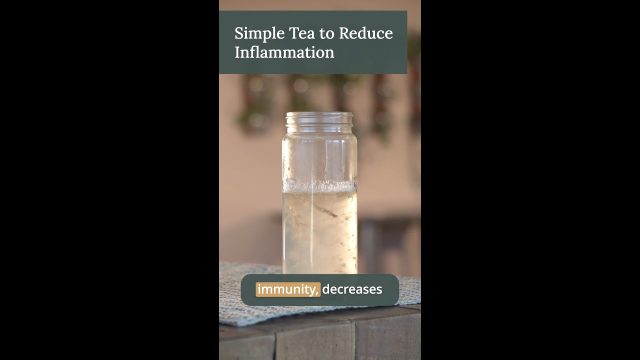
Lime Ginger Tea Recipe: Reduce Inflammation & Water Retention
Inspire

Lime Ginger Tea Recipe: Reduce Inflammation & Water Retention

A three-ingredient Ayurvedic tea that kindles digestion, calms inflammation, and grounds the body. Learn how to brew it and why each ingredi…

6 min read
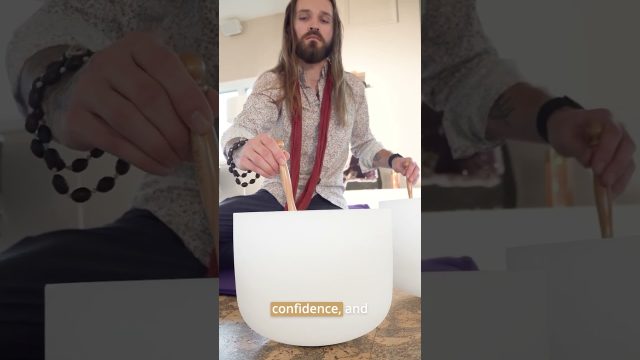
Solar Plexus Chakra Sound Bath: Restore Inner Confidence
Inspire

Solar Plexus Chakra Sound Bath: Restore Inner Confidence

A sound bath for the solar plexus chakra helps you reconnect with personal power, confidence, and decision-making ability. Learn how Manipur…

6 min read
Waking Up to True Nature: Start With Authentic Desire
Inspire

Waking Up to True Nature: Start With Authentic Desire

Dr. Angelo DiLullo reveals the first step in waking up: becoming deeply authentic about what you truly want, beyond words and thought.…

4 min read
Shirodhara: Ancient Ayurvedic Oil Therapy for Nervous System Healing
Inspire

Shirodhara: Ancient Ayurvedic Oil Therapy for Nervous System Healing

Shirodhara is an Ayurvedic treatment involving continuous warm oil pouring on the forehead. It addresses anxiety, depression, and supports p…

4 min read
Tout voirVous pourriez aussi aimer→

Poursuis ton chemin

Plus de sagesse et de rassemblements dans tout l’annuaire BrightStar.

Plus d’articles

Parcours toute la bibliothèque d’enseignements, d’entretiens et de guides.

Retour à tous les articles →

Enseignants et artistes

Découvre les lignées, les musiciens et les guides du monde conscient.

Explorer les artistes →

Trouver un événement

Kirtan, retraites, bains sonores, breathwork, festivals — bientôt près de chez toi.

Parcourir les événements →