BrightStar
BlogMes billets
BlogMes billets
Saved events
Aide et contactS'inscrireConnexion
Événements
  • Parcourir tous les Événements
  • Yoga
  • Méditation
  • Breathwork
  • Qi gong
  • Musique sacrée
  • Musiques du monde
  • Musique médecine
  • Soins sonores
  • Danse extatique
  • Cérémonie
  • Médecine des plantes
  • Soin énergétique
  • Satsang et sagesse
  • Tantra
  • Retraites
  • Toutes les catégories →
Destinations
  • Bali
  • Sedona
  • Los Angeles
  • Costa Rica
  • Tulum
  • Byron Bay
  • San Francisco
  • Austin
  • New York
  • San Diego
  • Denver
  • Seattle
  • Portland
  • Miami
  • London
  • Maui
  • Boulder
  • Toutes les villes →
Plateforme
  • Pour les organisateurs
  • Rejoignez le mouvement
  • Sell Globally
  • Pour les créateurs
  • Pour les équipes
  • Pour les écrivains
  • Pour les enseignants
  • Pour les artistes de kirtan
  • Pour les studios
  • Pour les festivals
  • Pour les centres de retraite
  • Pour les associations
  • Ambassadeur de marque
  • Billetterie gratuite
  • Pro
  • Amplify
  • L'écosystème
Fonctionnalités

Billetterie et achat

  • Ticket categories
  • Assigned seating
  • Custom questions
  • Coupon codes
  • Smart pricing
  • Ticket sharing
  • Waitlist
  • Flexible refunds
  • Digital waivers
  • Tip jar
  • Donations and sliding scale
  • Embed widget
  • Mindful checkout
  • Recurring events
  • Private sessions
  • Online courses
  • Summits
  • Rooms and stays
  • Ticket scanner

Marketing et croissance

  • Abandoned cart recovery
  • Visitor recovery
  • Upsells and add-ons
  • Affiliate engine
  • Upsell affiliate network
  • Brand ambassador
  • Meta retargeting
  • Verified buyer network
  • Outbound email marketing
  • Email sequences
  • SMS and WhatsApp
  • Event upsell network
  • Direct mail campaigns
  • SEO engine
  • Syndication
  • Event sharing
  • Custom event pages
  • Artist profiles
  • Link in bio
  • Event blog
  • Blog newsletter

Paiements

  • Payments, powered by Stripe
  • Buy now, pay later
  • Apple Wallet
  • Multi currency

Données et opérations

  • Team access
  • Message center
  • Reports
  • Analytics reporting
  • Performance reporting
  • Customer data
  • Integrations
  • Switch from another platform

IA

  • Assistant
  • AI FAQ assistant
  • Toutes les fonctionnalités →
Entreprise
  • À propos
  • Questions fréquentes
  • Contact
  • Blog
  • Glossaire
  • Guides
  • Inspiration
  • Centre d'aide
  • Documentation API
  • Ressources de marque
  • Presse
  • Conditions d'utilisation
  • Politique de confidentialité

Événements

  • Parcourir tous les Événements
  • Yoga
  • Méditation
  • Breathwork
  • Qi gong
  • Musique sacrée
  • Musiques du monde
  • Musique médecine

Destinations

  • Bali
  • Sedona
  • Los Angeles
  • Costa Rica
  • Tulum
  • Byron Bay
  • San Francisco
  • Austin

Plateforme

  • Pour les organisateurs
  • Rejoignez le mouvement
  • Sell Globally
  • Pour les créateurs
  • Pour les équipes
  • Pour les écrivains
  • Pour les enseignants
  • Pour les artistes de kirtan

Fonctionnalités

  • Réseau communautaire
  • Récupération des paniers abandonnés
  • Catégories de billets
  • Événements récurrents
  • Places assignées
  • Système d'affiliation
  • Liste d'attente / Notifier
  • Toutes les fonctionnalités →

Entreprise

  • À propos
  • Questions fréquentes
  • Contact
  • Blog
  • Glossaire
  • Guides
  • Conditions d'utilisation
  • Politique de confidentialité
Lire la suite

Événements

  • Soins sonores
  • Danse extatique
  • Cérémonie
  • Médecine des plantes
  • Soin énergétique
  • Satsang et sagesse
  • Tantra
  • Retraites
  • Toutes les catégories →

Destinations

  • New York
  • San Diego
  • Denver
  • Seattle
  • Portland
  • Miami
  • London
  • Maui
  • Boulder
  • Toutes les villes →

Plateforme

  • Pour les studios
  • Pour les festivals
  • Pour les centres de retraite
  • Pour les associations
  • Ambassadeur de marque
  • Billetterie gratuite
  • Pro
  • Amplify
  • L'écosystème

Entreprise

  • Inspiration
  • Centre d'aide
  • Documentation API
  • Ressources de marque
  • Presse

Billetterie et achat

  • Ticket categories
  • Assigned seating
  • Custom questions
  • Coupon codes
  • Smart pricing
  • Ticket sharing
  • Waitlist
  • Flexible refunds
  • Digital waivers
  • Tip jar
  • Donations and sliding scale
  • Embed widget
  • Mindful checkout
  • Recurring events
  • Private sessions
  • Online courses
  • Summits
  • Rooms and stays
  • Ticket scanner

Marketing et croissance

  • Abandoned cart recovery
  • Visitor recovery
  • Upsells and add-ons
  • Affiliate engine
  • Upsell affiliate network
  • Brand ambassador
  • Meta retargeting
  • Verified buyer network
  • Outbound email marketing
  • Email sequences
  • SMS and WhatsApp
  • Event upsell network
  • Direct mail campaigns
  • SEO engine
  • Syndication
  • Event sharing
  • Custom event pages
  • Artist profiles
  • Link in bio
  • Event blog
  • Blog newsletter

Paiements

  • Payments, powered by Stripe
  • Buy now, pay later
  • Apple Wallet
  • Multi currency

Données et opérations

  • Team access
  • Message center
  • Reports
  • Analytics reporting
  • Performance reporting
  • Customer data
  • Integrations
  • Switch from another platform

IA

  • Assistant
  • AI FAQ assistant
Téléchargez l'app
Télécharger dans l'App StoreDisponible surGoogle Play
© 2026 BrightStar. Tous droits réservés. BrightStar Selection · Crédits photo · Journal des modifications ·
Inspiration

Honoring Lineage While Seeking Freedom: Balancing Practice & Liberation

Ram Dass
Ram Dass
Sep 30, 2024
7 min de lecture

Source : Be Here Now Network

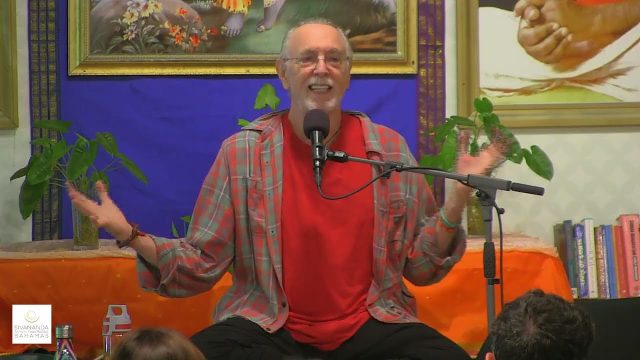
In a 1994 Q&A session, Ram Dass discusses the apparent paradox of honoring spiritual lineage while pursuing freedom—arguing that transmission of consciousness from teacher to student is precious, yet the ultimate goal is liberation from all forms, including lineage itself. He addresses the tension between devoted practice within a specific tradition and eclectic spiritual borrowing, offers perspective on the emerging rave and psychedelic culture of the early 1990s, and reflects on bringing heart-centered awareness into academic and institutional settings. The core insight is that form (including lineage structure) is necessary for practice, but freedom ultimately means not being bound by form.

Lecture · 7 sections

What Does It Mean to Honor a Lineage?

Ram Dass begins the session by addressing a central tension in contemporary Western spirituality: the difference between honoring lineage and becoming rigidly attached to it. He frames lineage not as a bureaucratic hierarchy or dogmatic requirement, but as the transmission of consciousness from individual to individual through specific teachings. This transmission, he emphasizes, represents something humans have valued for millennia—ways to become free.

The key distinction Ram Dass makes is subtle but crucial: honoring a lineage is not the same as the result of honoring a lineage, which is freedom. This freedom is not freedom from all form—an impossible condition—but rather freedom within form. You can be in a lineage and be free, as long as you understand that the lineage is a vehicle, not the destination. The teachings, the practices, the rituals, the community—these are all forms designed to point toward what is formless. Once you arrive, the form is still there, but you are no longer imprisoned by it.

This speaks directly to a question many Western practitioners face: Is it necessary to commit to a single lineage, or can you practice eclectically, drawing from multiple traditions? Ram Dass's answer is nuanced. He respects both approaches, but he emphasizes that different methods work best for different people. Some individuals thrive within the structure, discipline, and depth of a single lineage. Others may find their path through a more integrative approach. What matters is not the form you choose, but whether that form is serving your genuine development toward freedom and compassion.

Lineage Versus Eclecticism in Spiritual Practice

The tension between devotion to a single tradition and the appeal of drawing wisdom from many sources is perhaps more acute now than it was in 1994, but Ram Dass's perspective remains relevant. He acknowledges that the rave scene emerging at that time embodied a kind of eclectic spirituality—people seeking transcendence, community, and altered consciousness without necessarily committing to a formal tradition or guru.

Rather than dismissing this as superficial, Ram Dass sees potential in it. He recognizes that people in the rave scene were seeking genuine spiritual experience and connection. However, he also notes the risks: without guidance from an established lineage, without the wisdom of teachers who have walked the path, there is less protection against delusion, egoic distortion, or spiritual bypassing. A lineage provides what he calls "the transmission"—not just information about liberation, but the living embodiment of consciousness that has been refined and transmitted through generations.

This is where self-destructing methods come into the conversation. Ram Dass addresses this directly: some practices or approaches can harm rather than help if they are not properly contextualized within a tradition that includes safeguards, ethical frameworks, and experienced guidance. The lineage is, in part, a container of hard-won wisdom about what works and what can go wrong.

Psychedelics, Consciousness, and Politics in 1994

Ram Dass's reflections on the state of psychedelics in 1994 are grounded in his own history—he was a pioneer in bringing psychedelic consciousness into dialogue with Eastern philosophy and spiritual practice. In this session, he considers both the promise and the perils of the psychedelic renaissance emerging at that time, particularly in the context of rave culture.

He appears cautiously optimistic about the potential of psychedelics to awaken consciousness and crack open the boundaries of the ordinary mind. Yet he also stresses that psychedelics alone are not a path to liberation. They can open doors, but living through those doors—integrating the insight, applying it to daily life, developing compassion and service—requires sustained practice and often the guidance of a lineage.

His comments on politics and fundamentalism reveal a broader concern: when people become rigid about any belief system, whether religious, political, or even spiritual, they lose the flexibility and compassion that genuine freedom requires. He references the Clinton administration and the political climate of 1994, using it as an example of how fundamentalism—the refusal to hold beliefs lightly, to be curious rather than dogmatic—creates suffering. This applies equally to spiritual fundamentalism: the person who insists their teacher is the only true teacher, or their method is the only valid path, has missed the point of the teaching.

Bringing Heart Into Academia and Institutions

A significant portion of the Q&A focuses on how to bring a heart quality into academic settings. This is a practical question for many people: How do you practice spirituality and maintain compassion while working within institutions that often prioritize intellect, competition, and ego advancement?

Ram Dass's answer involves two movements. First, you honor the form you are in—if you are an academic, you learn your discipline well, you engage rigorously with ideas, you respect the rules and structures of that world. But simultaneously, you maintain an inner awareness of something larger. You do your work not for ego advancement, but as service. You bring kindness and presence to your colleagues. You notice moments of connection and beauty within the institutional setting. You remember that the person in front of you is not an obstacle to your success but a mirror of your own consciousness.

This is not about proselytizing or trying to force spiritual ideas onto others. It is about embodying a different quality of presence—one that is aware of the sacred within the ordinary, that responds to uncertainty and chaos with reflection rather than reaction, rather than reactive defensiveness or ambition.

Responding to Uncertainty and Chaos With Reflective Presence

Toward the end of the session, Ram Dass addresses the question of how to respond to the fundamental chaos and uncertainty of existence. Rather than react defensively—with fear, aggression, or grasping—he suggests developing the capacity to be reflective in the presence of uncertainty. This is a core teaching in many traditions: the ability to hold paradox without needing to resolve it, to sit with not-knowing without immediately grasping for certainty.

This reflective capacity is what lineage and practice develop. Through meditation, through study, through relationship with a teacher, you train your nervous system and your mind to respond from a deeper place than the ego's need for control and certainty. You become capable of meeting what is actually present, rather than what you fear or desire.

On Teachers and Open Relationships

The session also touches on more personal questions: the importance of honoring teachers, and Ram Dass's perspective on open marriages. On teachers, he is clear: the relationship with a true teacher—one who is genuinely pointing toward your freedom rather than binding you to their ego—is precious. You honor this person not through blind obedience, but through genuine receptivity and by living out the teachings.

On more personal matters, Ram Dass maintains his characteristic balance: different people have different needs and capacities. What matters is that whatever form your relationships take, they serve love, honesty, and growth. The lineage of relationship is the lineage of love—the transmission from heart to heart.

Where to Go From Here

For those interested in exploring these themes further, the core practice is to examine your own relationship to structure and freedom. Do you feel imprisoned by forms, or do you resist form because you fear it might limit you? Can you hold a lineage lightly—benefiting from its wisdom and community while remaining aware that ultimate freedom transcends any tradition? If you work in an institution, can you find moments to practice presence and bring heart into your work? And in your daily responses to chaos and uncertainty, can you pause before reacting and instead respond from a reflective place? These questions invite you into the practical application of what Ram Dass discusses: the marriage of form and freedom, discipline and spontaneity, transmission and personal liberation.

Commentaires

Chargement de la conversation…

L'artiste de cet article

Ram Dass

Ram Dass

Spiritual Teacher

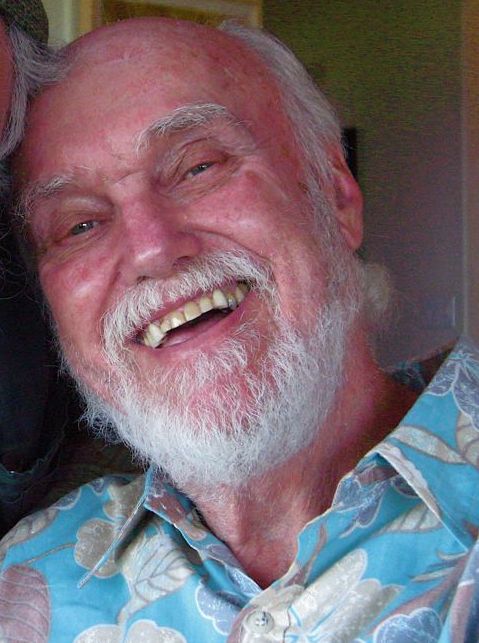
Ram Dass (born Richard Alpert, 1931-2019) was an American spiritual teacher, psychologist, and author whose 1971 book Be Here Now helped popularize Eastern spirituality in the West. A Harvard psychologist turned Hindu devotee, he bridged psychedelic research, yoga, and conscious living for millions.

Voir le profil
Explorer les thèmes
Lineage transmissionSpiritual practiceFreedom within formPsychedelics consciousnessInstitutional spirituality
Questions fréquemment posées

Questions fréquemment posées

Honoring a lineage means appreciating and treasuring the transmission of consciousness that has been passed down through generations to help beings become free. The key is to remember that the lineage and its forms are vehicles, not destinations. Ultimate freedom is not freedom from all form, but freedom within form—you can remain in a lineage while no longer being imprisoned by it.

Different methods work best for different people, and both approaches can be valid. Some individuals thrive with the depth and discipline of a single lineage, while others resonate with an eclectic approach. What matters most is whether your chosen path serves your genuine development toward freedom and compassion, and whether it includes adequate guidance to prevent self-deluding practices.

Psychedelics can open doors to expanded consciousness and crack open the boundaries of ordinary mind. However, they alone are not a complete path to liberation. Integration of psychedelic insight requires sustained spiritual practice, often guided by a lineage, to apply the experiences to daily life and develop genuine compassion and service.

Honor the form by learning your discipline well and engaging rigorously, while maintaining an inner awareness of something larger. Do your work as service rather than ego advancement, bring kindness and presence to your colleagues, and practice responding to institutional stress with reflection rather than reactive defensiveness.

Reflective response means pausing before reacting, and meeting what is actually present rather than what you fear or desire. Through meditation and practice, you train your mind to sit with not-knowing without grasping for certainty, and to respond from a deeper place than ego's need for control.

A genuine teacher points toward your freedom rather than binding you to their ego. The transmission from teacher to student includes not just teachings and practices, but the living embodiment of consciousness that has been refined through generations, providing guidance and protection against delusion on the path.

Fundamentalism—in religion, politics, or spirituality—is the refusal to hold beliefs lightly or be curious about other perspectives. Whether a person insists their teacher or method is the only valid path, they have missed the point of the teaching, which is freedom and flexibility of mind.

Yes, but the key is shifting the motivation from ego advancement to service. You can work toward success and influence while remembering that others are not obstacles but mirrors of consciousness, and by bringing awareness and kindness to every interaction rather than purely pursuing status or achievement.

Vous pourriez aussi aimer

Voir tout
Love People As They Are: Responsive vs. Reactive
Inspire

Love People As They Are: Responsive vs. Reactive

Learn how to love people unconditionally by shifting from reactive patterns to responsive presence, keeping your heart open in the face of s…

9 min read
Freedom Without Connection: Why Liberation Feels Empty
Inspire

Freedom Without Connection: Why Liberation Feels Empty

External freedom without spiritual connection leaves the heart hollow. Explore why liberation requires more than just the absence of constra…

7 min read
First Meeting with a Living Guru: Recognition and Transformation
Inspire

First Meeting with a Living Guru: Recognition and Transformation

Krishna Das reflects on his first encounters with his teacher Maharaj-ji and Ram Dass, describing the moment he recognized something real ab…

7 min read
Rumi's Teaching Story: Presence and Spiritual Wisdom
Inspire

Rumi's Teaching Story: Presence and Spiritual Wisdom

Ram Dass shares a timeless Rumi story on presence and spiritual awakening. A brief but potent lesson in mindfulness and the heart's capacity…

6 min read
Tout voirVous pourriez aussi aimer→

Poursuis ton chemin

Plus de sagesse et de rassemblements dans tout l’annuaire BrightStar.

Plus d’articles

Parcours toute la bibliothèque d’enseignements, d’entretiens et de guides.

Retour à tous les articles →

Enseignants et artistes

Découvre les lignées, les musiciens et les guides du monde conscient.

Explorer les artistes →

Trouver un événement

Kirtan, retraites, bains sonores, breathwork, festivals — bientôt près de chez toi.

Parcourir les événements →