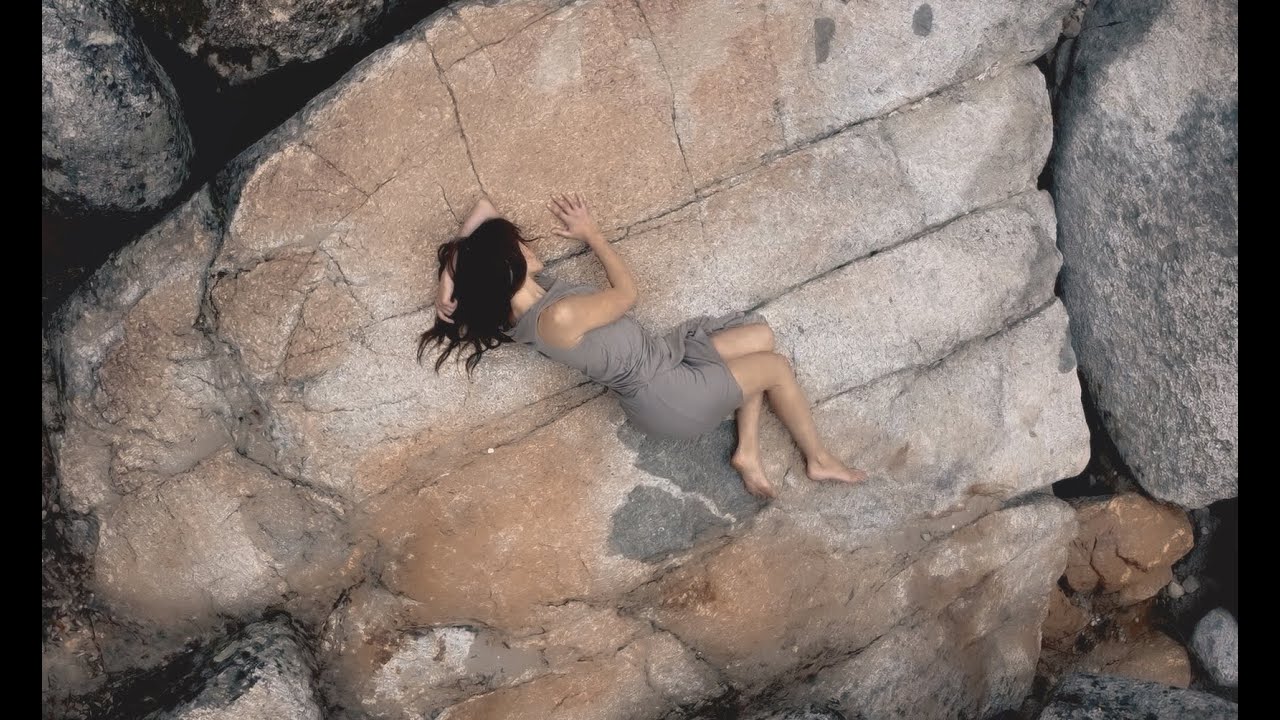
"Bloom," by the artist oskar med k, is a three-minute-and-forty-second track released as a visualizer on the Wanderlust channel, and this piece is a short, honest look at what that video is and how to listen to it. The material available for this write-up is limited: the video page carries a title, a channel description, and links, but no transcript, no lyric sheet, and no production notes. So rather than invent a backstory for the song, this article focuses on the format it arrives in and on the kind of attention a visualizer invites.
A visualizer is a video built around audio rather than around a camera pointed at a band. Instead of footage of a singer in a room, the picture is typically abstract or graphic: shapes, colors, textures or type that move in response to the sound or in step with its structure. The format grew up alongside online music distribution, when a single track needed a moving image to sit on a streaming page or a social feed without a full music video budget behind it.
That origin is useful to keep in mind. A visualizer is not a documentary of a performance. It is closer to a lamp placed beside the song. The viewer is not being told what the track means; they are being given something to look at while the track unfolds, and the look is only as interesting as the way it answers the music.
The most rewarding approach is to treat the screen as a second instrument rather than as a story. Some practical habits that work with this kind of video:
- Listen once without looking. Play the track with the screen dimmed or turned away. Notice where it builds, where it drops out, and where the low end sits. Then watch the visualizer on a second pass.
- Track the moments of change. Visuals usually move with a track's structure: a new section, a fuller drum pattern, a sustained chord. Note where the graphics shift, and whether they lead the sound or follow it.
- Use headphones. A visualizer is a poor substitute for stereo detail. If the track has width or small textures, you will hear them only through decent playback.
- Keep the length in view. At roughly 3:40, the piece asks for a single focused listen. It is short enough to repeat, which is often where the detail emerges.
Because this is a visualizer, it does not show the people who made the song, the room they made it in, or the sequence of decisions behind it. That is not a flaw of the format, but it is a limit, and it is worth being clear about. Anything beyond the track itself, including the artist's background, collaborators, or intentions for "Bloom," would need to come from a source that actually documents it. None is included in the material used for this piece, and no such detail has been supplied here.
The channel's description points to the artist's Spotify, Instagram and TikTok pages, which are the places a listener would look for more of the artist's work and for any context the artist chooses to share.
If you have not yet pressed play, start with one uninterrupted listen to "Bloom" with the picture off, then watch the visualizer with the sound at a comfortable level and your attention on the moments where the graphics change. If you want the story behind the track, follow the artist's own channels and look for interviews or liner notes, which are the sources best placed to supply them. And if you are curious about the format more broadly, watch two or three other visualizers back to back and compare how each one answers its song.