





Peruquois | Перукуа
Workshop Facilitator
À propos
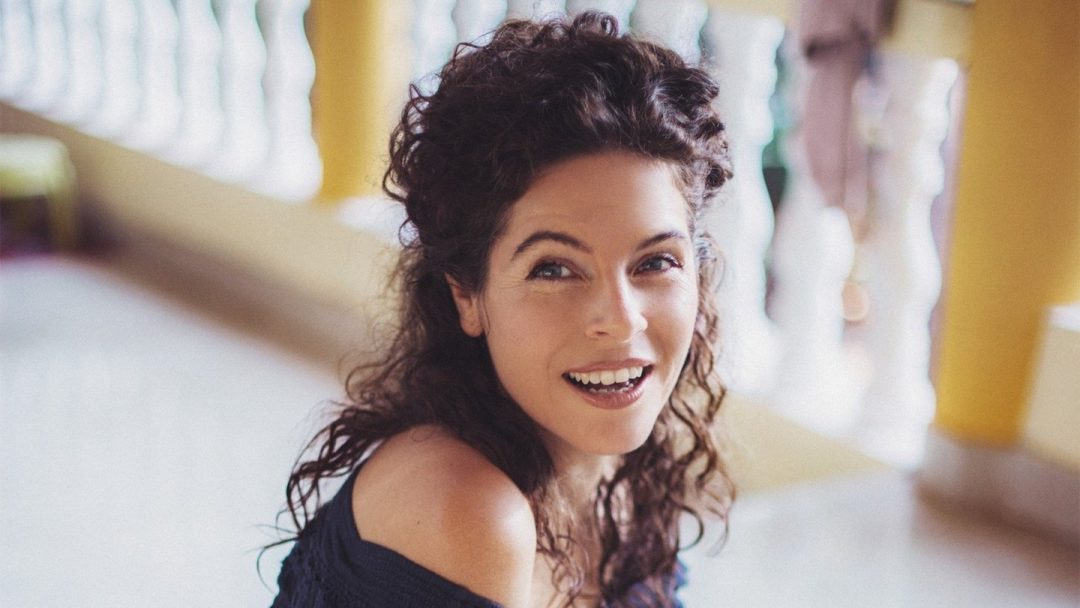
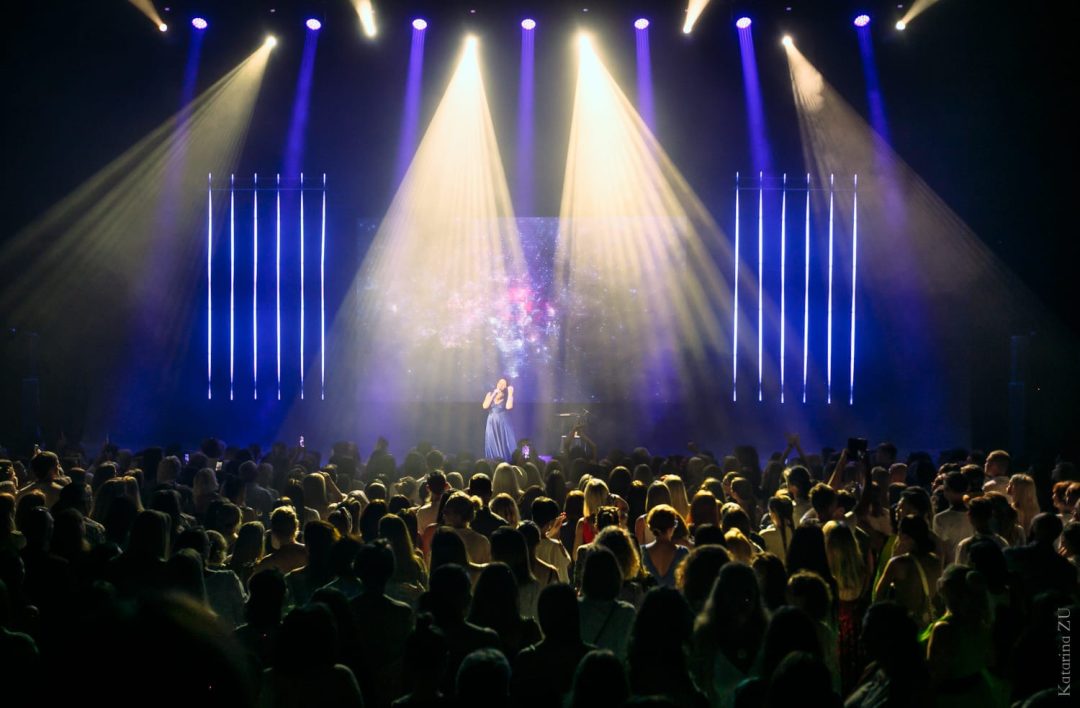
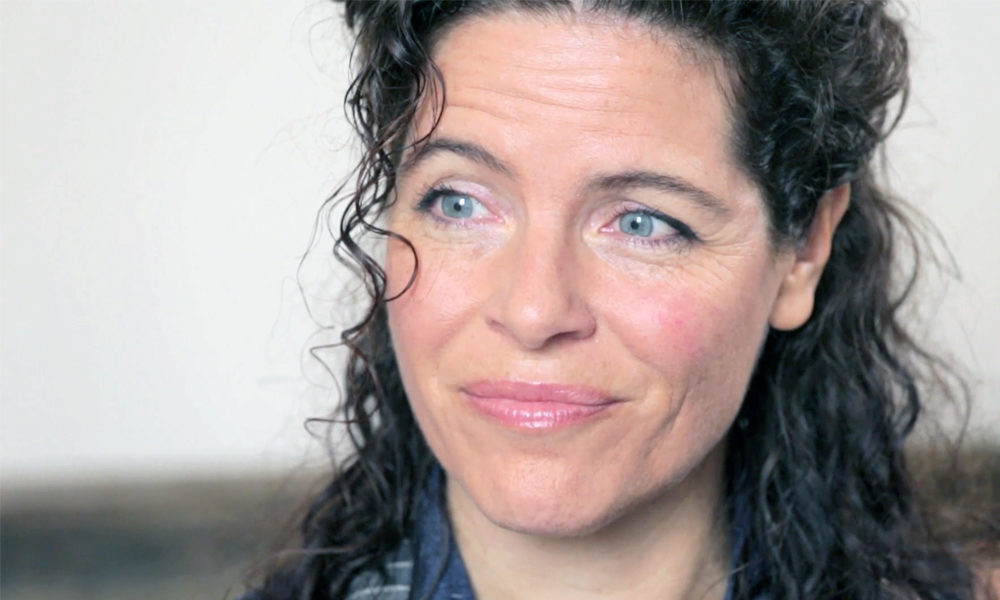
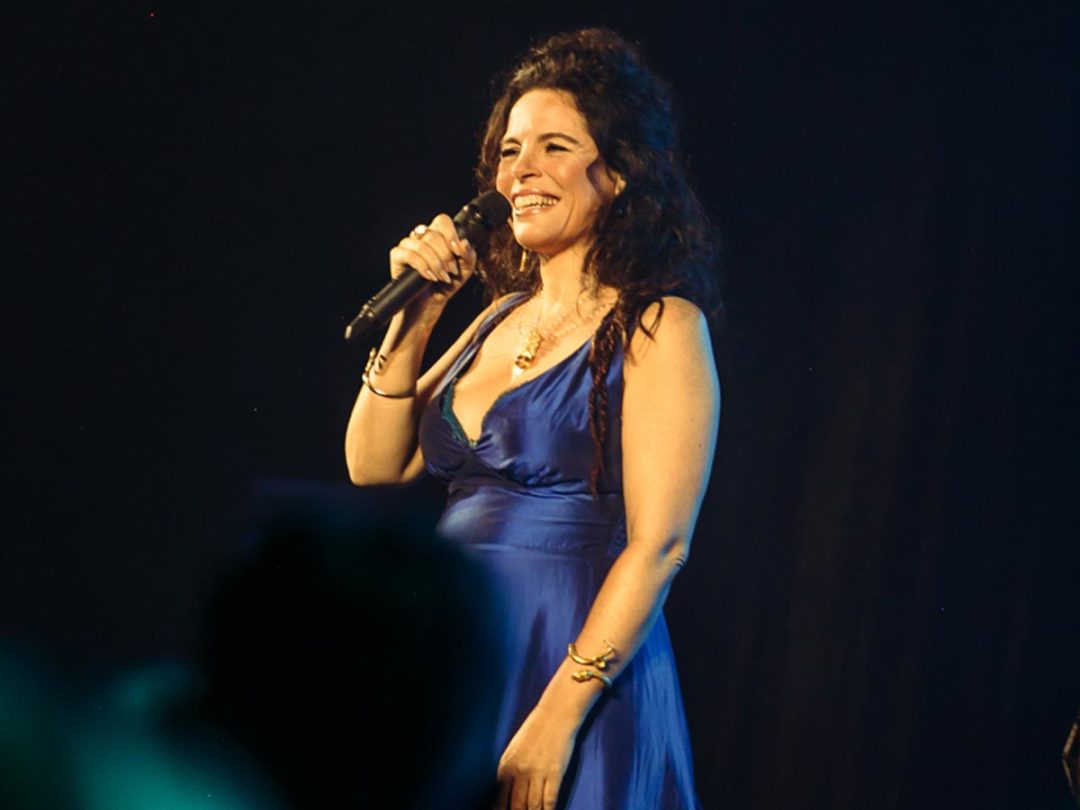
Peruquois, also known by the Cyrillic name Перукуа, is a women's workshop facilitator, singer and online course creator. She has spent 27 years leading women's workshops in Europe, the USA, Asia and Australia, and describes them as practice-oriented feminine workshops. Women from 63 countries have taken part, and she reports that 98 of 100 participants experienced a significant personal breakthrough.
Peruquois, also known by the Cyrillic name Перукуа, is a women's workshop facilitator, singer and online course creator. She has spent 27 years leading women's workshops in Europe, the USA, Asia and Australia, and describes them as practice-oriented feminine workshops. Women from 63 countries have taken part, and she reports that 98 of 100 participants experienced a significant personal breakthrough.
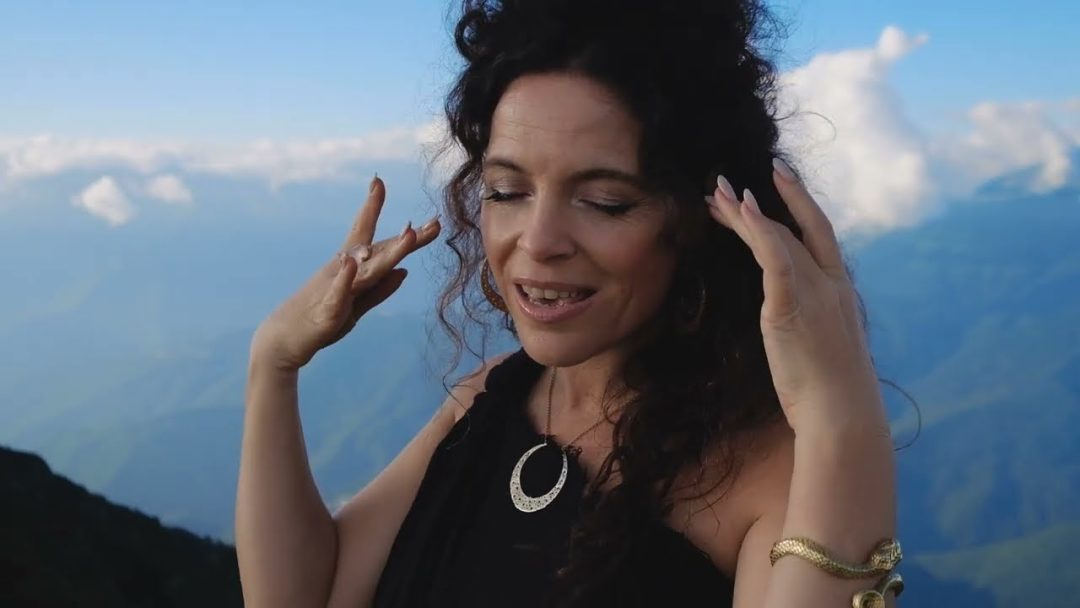
Her signature method is Vocal Yoga. It uses the voice as the primary tool, combining vocal exercises such as toning, chanting and breath-driven vocalization with meditation, movement and emotional release. She describes it as a way to return to one's authentic frequency and to bring inner union and stillness of mind. Her courses are in English and cover themes including the voice, the menstrual cycle, beauty, manifesting a dream, meditation for women, and spiritual protection and cleansing.
Her teaching draws on about thirty years of working with women. In her course on the voice, she describes four archetypes of an inauthentic voice, which she links to repression and locked emotion. She also describes an invisible "collar" that tightens around the throat, formed by the voices of the past that told a woman to be quiet and not to be too much.
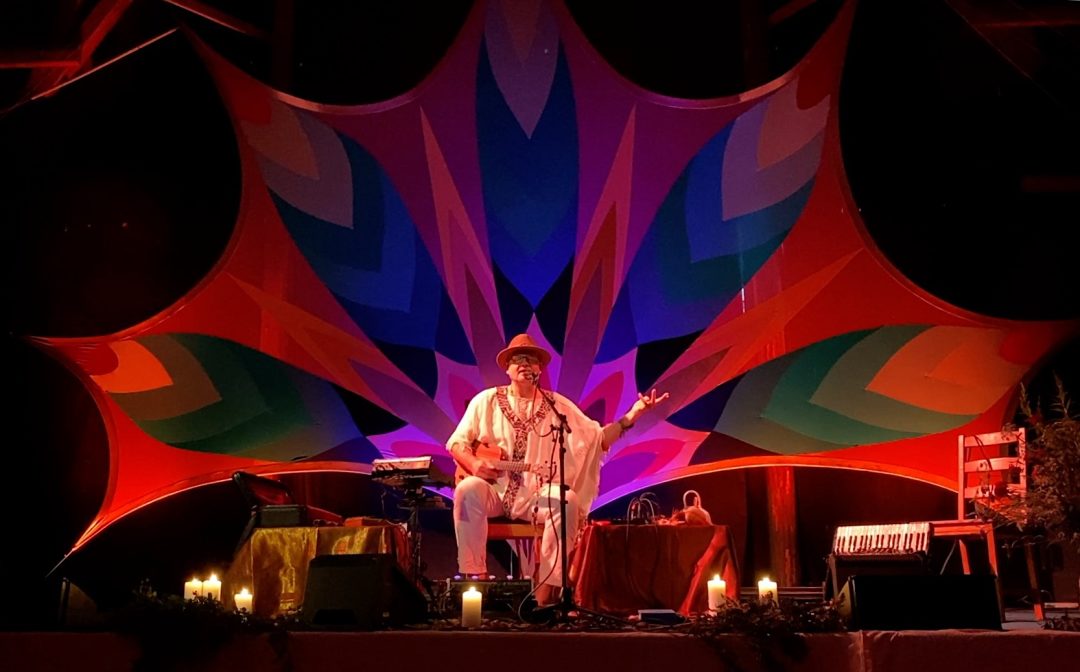
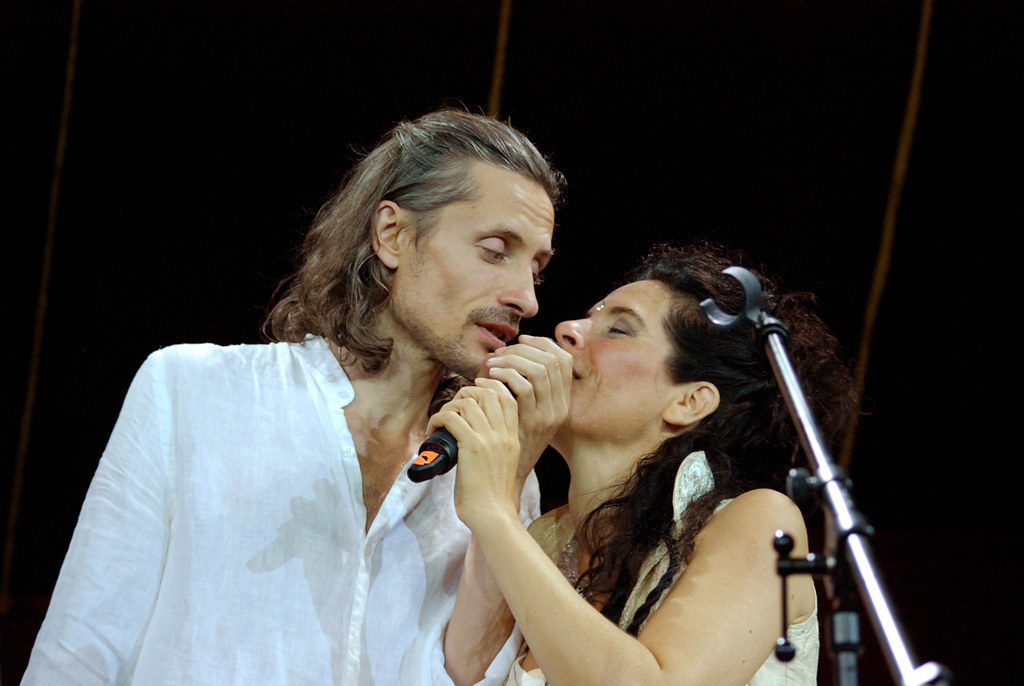
Music is the other half of her work, and she describes a music career of 31 years. Her releases include the albums The Original Essence, recorded in Boulder, Colorado with three-time Grammy winner Tom Wasinger, and I Am Woman, along with Opening The Sacred Voice, a chant workshop album to sing along with at home. She has also released Original Women's Healing Mantras, Breathing Love, and recordings of the Gayatri Mantra and Mantra OM. She is a guest expert on television and radio stations. Deva Premal, Snatam Kaur, Joanne Shenandoah, Irina Hakamada, Ksenia Sukhinova and Oksana Fedorova are among those whose words of praise appear on her website.
FAQ
Questions
Peruquois is a women's workshop facilitator and course creator with 27 years of global practice leading emotional healing and sensual awakening work. Her reach spans 63 countries, with documented outcomes showing that 98 of 100 workshop participants reported significant personal breakthroughs—a statistic that reflects both the intensity of her methodology and the specificity of her student population. She has cultivated endorsements from high-profile figures including Miss World Ksenia Sukhinova, Miss Universe Oksana Fedorova, and respected mantra singers Deva Premal and Snatam Kaur, positioning her work at the intersection of popular consciousness and serious spiritual practice. What distinguishes her in the crowded field of women's empowerment workshops is her integration of vocal yoga, movement practices, and emotional cleansing into a coherent method designed for purpose-finding and daily inner balance. Students and practitioners care about her work because it delivers measurable shifts in emotional capacity and self-knowing, not aspirational framing.
The data available does not specify Peruquois's formal lineage training or which spiritual or healing traditions shaped her foundational practice. What is evident from her methodology is an integration across multiple modalities: vocal yoga practice (described as her 'unique Peruquois method'), meditation disciplines, somatic movement work, and emotional processing techniques—suggesting possible roots in both Eastern vocal-mantra traditions and contemporary somatic psychology. The endorsement by Deva Premal and Snatam Kaur, both rooted in Kundalini and bhakti traditions, hints at alignment with devotional singing practices, though her work appears positioned more toward secular emotional healing than religious devotion. Her global reach across 63 countries and her emphasis on 'sensual awakening' suggests she draws from or dialogues with contemporary goddess feminism, tantra-informed somatic work, and women-centered healing circles. For a complete picture of her lineage and influences, direct engagement with her courses or website would provide clearer context.
Newcomers should begin with her online courses focused on the foundational practices: emotional healing and vocal yoga form the natural entry points, as they teach the core 'Peruquois method' that undergirds all her other offerings. Her website at peruquois.com/courses/ hosts these core offerings, where students can assess which modality resonates first—some practitioners gravitate toward the movement and vocal components, while others enter through meditation or emotional cleansing work. The fact that 98 of 100 participants report breakthroughs suggests her entry-level offerings are already calibrated for transformation rather than gentle introduction, so newcomers should expect substantive emotional engagement, not preliminary theory. Because her work emphasizes sensual awakening and purpose-finding alongside healing, students should be prepared for practices that ask them to reclaim embodied sensation and personal agency—not bypassing these dimensions as secondary. Starting with whichever modality matches your primary need (vocal expression, emotional release, movement, or meditation) allows you to experience her methodology before deepening into the full curriculum.
Peruquois distinguishes herself through the scale and specificity of her impact: 27 years of continuous practice with documented outcomes (98 of 100 breakthroughs) sets a high statistical bar in a field often reliant on testimonial rather than measurable data. Her integration of vocal yoga as a primary healing modality is unusual—most women's workshops emphasize talk-based emotional work, movement, or meditation separately, whereas she has developed a coherent 'Peruquois method' that treats voice as a direct pathway to emotional release and sensual embodiment. The breadth of her student base (63 countries) combined with her formal recognition from cultural figures (Miss World, Miss Universe) and serious mantra practitioners (Deva Premal, Snatam Kaur) positions her work as both accessible and credible in elite circles. Where many contemporary women's facilitators market 'empowerment' as a vague concept, Peruquois's teaching appears grounded in specific practices: vocal yoga, movement, meditation, and emotional cleansing work delivered as tools rather than inspiration. Her refusal to position herself as a guru or life coach—instead remaining a facilitator of structured practices—creates a different container than much contemporary women's coaching.
Peruquois's work is not for students seeking gentle, gradual, or intellectually-first approaches to healing. Her documented 98 of 100 breakthroughs rate suggests her practice operates at a high intensity; practitioners who require slower pacing, lighter emotional activation, or primarily cognitive frameworks will find her methods overwhelming rather than nourishing. Anyone uncomfortable with embodied vocal practice, sensual awakening, or movement-based emotional release should look elsewhere—her integration of these modalities is non-negotiable in her curriculum, not optional components. Her focus on women-only spaces and women-centered healing means her workshops are not designed for mixed-gender groups or practitioners seeking gender-neutral facilitation. Students with trauma histories requiring trauma-informed, highly graduated approaches may need specialized trauma practitioners rather than group workshop settings, regardless of Peruquois's skill—the intensity and group container may restimulate rather than settle. Those seeking isolation, anonymity, or purely online-only engagement should note that her 27-year track record is built on live workshop facilitation; while she offers online courses, her primary methodology and documented outcomes come from in-person, embodied group practice.
While detailed accounts of individual retreat experiences are not yet documented in major publications, the available data reveals her style prioritizes measurable personal breakthroughs over aspirational language—her 98 of 100 outcome rate suggests her sessions create containers for rapid emotional shift rather than leisurely exploration. Her integration of vocal yoga, movement, meditation, and emotional cleansing implies a multi-sensory methodology where students work with their voice as a primary tool, using sound and embodiment to access and release held emotional material. The endorsements from serious practitioners like Deva Premal and Snatam Kaur suggest her sessions hold rigor and depth comparable to devoted spiritual practice, not surface-level wellness activities. Her 27 years of global work indicates she has developed sophisticated facilitation skills for holding group containers across cultural contexts—students from 63 countries report consistent outcomes, suggesting her approach transcends cultural specificity while remaining potent. A session with Peruquois likely feels structured and purposeful rather than open-ended; her emphasis on purpose-finding, daily inner balance, and emotional cleansing suggests she works with clear pedagogical arcs within each gathering rather than loose circle-work formats.
Her core themes cluster around three interconnected territories: emotional healing (including emotional cleansing practices), sensual awakening (reclaiming the body and sensation as pathways to vitality), and purpose-finding (aligning personal action with authentic knowing). The recurring integration of vocal yoga across all her offerings reveals her conviction that the voice is a direct channel to emotional truth—that speaking, singing, and sounding are not secondary to healing but central to it. Daily inner balance emerges as a throughline, suggesting her work moves beyond retreat-based transformations toward sustainable practice integrated into ordinary life; her online courses reinforce this, extending workshop breakthroughs into ongoing discipline. Her emphasis on women-specific work implies recurring attention to how gendered socialization creates particular forms of emotional suppression, embodied disconnection, and purpose-obscuring—and how these are addressed through her particular methods. The breadth of her practice offerings (meditation, movement, vocal yoga, emotional work) across a single coherent framework suggests she teaches that these modalities are not separate healing channels but facets of a unified human capacity for integration and aliveness.
The data does not provide specific information about instrumental accompaniment, vocal register characteristics, or musical production details for Peruquois's work. Her methodology is described as 'Vocal Yoga—unique Peruquois method,' positioning her practice within vocal healing traditions rather than music performance, though the distinction between vocal yoga and sung practice can be subtle. Her 27-year workshop facilitation background and integration with mantra singers Deva Premal and Snatam Kaur suggests familiarity with mantra-based vocal traditions, though her explicit focus on emotional cleansing and sensual awakening indicates her vocal work may extend beyond devotional singing into somatic vocal release and authentic sound expression. The absence of Spotify data or music platform presence indicates her primary work is delivered through live workshops and online courses rather than recorded audio releases, making her vocal practice something students encounter in real-time or through guided course materials rather than passive listening. To understand the specific tonal qualities, instrumental context, and vocal approaches of her practice, direct engagement with her courses or workshops would be necessary.
Her primary digital hub is peruquois.com/courses/, where her online course offerings and most current information are hosted. Peruquois maintains an active online course platform as her primary distribution channel for teaching, rather than relying on social media or email newsletter platforms—visiting her website directly and exploring her course catalog will show what's currently available and what's in development. Given her 27-year history of global workshop facilitation, live events likely continue, though specific upcoming retreat dates or tour schedules are not currently listed in publicly crawled data. For real-time information about upcoming live workshops, retreats, or new course launches, contacting her directly through her website or subscribing to any newsletter or notification system she offers would be the most reliable method. Her endorsements from public figures and established mantra practitioners suggest her events may be promoted through those networks as well—following figures like Deva Premal and Snatam Kaur may surface announcements of collaborations or shared events. Students who have completed her courses likely receive direct notification of new offerings and retreats through their course platform accounts.
The 'unique Peruquois method' is explicitly distinguished from generic vocal yoga or sound healing, though the specific technical differences are not detailed in available data. What sets her approach apart is her 27-year track record of integrating vocal practice with emotional cleansing, movement, and meditation into a unified curriculum—rather than treating voice work as an isolated modality, she positions vocal yoga as a direct access point to held emotional material and sensual embodiment. Her documented 98 of 100 breakthrough rate suggests her vocal methodology is calibrated for rapid emotional release rather than gradual sonic refinement or chakra-alignment frameworks common in some sound healing traditions. The endorsement from Deva Premal and Snatam Kaur positions her work within serious mantra and bhakti traditions, yet her explicit focus on sensual awakening and purpose-finding suggests her vocal practice extends beyond devotional singing into trauma release, authentic self-expression, and embodied pleasure. Students seeking to understand the distinctive technical elements of her vocal yoga method would need to engage with her courses directly, where the method is taught through guided practice rather than theoretical explanation.


C’est vous ? Revendiquer cette page ›
There's more where this came from.
BrightStar is the global directory of artists, teachers, and healers in the wellness and spiritual movement. Find your next experience — or add yourself.
Discover More Artists
Browse 14,000+ curated profiles across kirtan, yoga, meditation, and beyond.
Explore directory →Find an Event Near You
Kirtan, retreats, sound baths, breathwork, ceremonies — happening this week.
Browse events →Add Your Profile
Are you an artist, teacher, or healer? Get listed — free, AI-assisted, live in minutes.
Get started →