

Emilia Garth
Singer Songwriter
À propos
Emilia Garth is a singer-songwriter, meditation teacher and ceremonialist of Native Hawaiian heritage. Her path has led her to study and collaborate with spiritual leaders and diverse musical lineages around the world. She sings in Spanish, Hawaiian, Portuguese, English, Yoruba and Gurmukhi, and her website also lists Sanskrit among the languages of the songs, chants and mantras she has learned.
Emilia Garth is a singer-songwriter, meditation teacher and ceremonialist of Native Hawaiian heritage. Her path has led her to study and collaborate with spiritual leaders and diverse musical lineages around the world. She sings in Spanish, Hawaiian, Portuguese, English, Yoruba and Gurmukhi, and her website also lists Sanskrit among the languages of the songs, chants and mantras she has learned.
Her performances often pair entrancing, meditative songs with upbeat chants from Indigenous tribes of the Americas that she has collected and carried through her travels and studies. Her concerts weave in meditation, esoteric wisdom and storytelling, inviting listeners into reflection, healing and transformation. She sings at retreats and festivals, both international and domestic, and her music is available on major streaming platforms.
Emilia is also a music educator. She guides people toward their authentic voice through voice and ukulele lessons and workshops, song circles, ancestral healing ceremonies and online courses. She also offers guided meditation, both individual and group, and holistic retreat services. Students describe her classes as organized, encouraging and empowering, with a blend of the spiritual, mental and technical.
She is the founder of Kanikapila Miami and of the biannual Kanikapila Fest. The festival is a celebration of live world music and creativity-activating workshops, meant to bridge generational and cultural differences.

FAQ
Questions
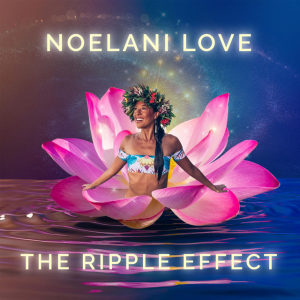
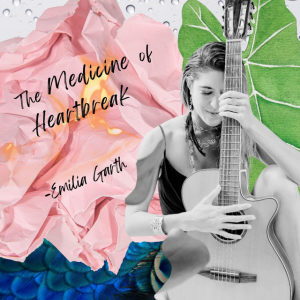
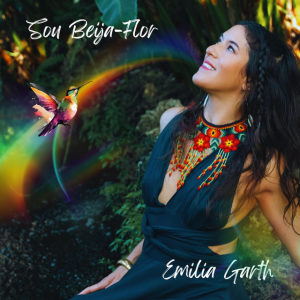
Emilia Garth is a Native Hawaiian singer-songwriter, meditation teacher and ceremonialist, and the BrightStar directory lists her under three roles: Singer-Songwriter, Meditation Teacher and Music Educator. These roles are closely connected, since a recording, a concert, a retreat and a voice lesson often draw on the same material. Her recorded work begins with the album The Ripple Effect (2022, eleven tracks) and continues through a steady run of singles including Ceiba, Larimar, Om So Hum, Gayatri Mantra and Yemanjá, with two releases dated early 2026, Sou Beija-Flor and The Medicine of Heartbreak. According to her bio, her concerts weave meditation, esoteric wisdom and storytelling into the songs, and that stage approach is the main reason listeners follow her beyond a single track. She sings in at least seven languages, including Spanish, Hawaiian, Portuguese, English, Yoruba, Gurmukhi and Sanskrit, which sets her apart from artists working in one devotional tongue. Her Spotify page shows about 1,200 followers, a modest footprint that makes the full catalog easy to explore.
Her bio says her path has led her to study and collaborate with spiritual leaders and diverse musical lineages around the world, but it does not name specific teachers or a single documented line, so her lineage is best understood as a composite. The clearest threads are her Native Hawaiian heritage, the Indigenous chants of the Americas she says she has collected through her travels and studies, and several devotional chant traditions visible in her catalog. Gurmukhi titles such as Wahe Guru and Aad Guray Nameh come from Sikh devotional practice, while Sanskrit mantras like Gayatri Mantra and Om So Hum sit within Hindu and yogic practice. Nam Myoho Renge Kyo is the chant central to Nichiren Buddhism, and Yemanjá draws on Yoruba-derived devotion. Her Kanikapila Miami and the biannual Kanikapila Fest connect the work to the Hawaiian kanikapila custom of playing music together informally. Readers wanting a fuller account of how these strands fit together will find the details limited in the directory, which is why it is worth asking directly through her website, emiliagarth.com.
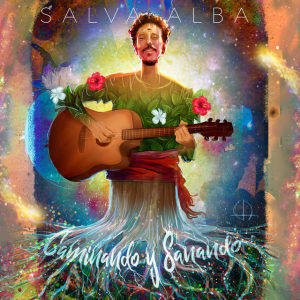
A newcomer can start with The Ripple Effect, the only full-length album in her discography, which runs eleven tracks and gives the most complete picture of her songwriting in one sitting. For a shorter entry point, Gayatri Mantra is a single-track release from 2024 that presents a classic Sanskrit chant in her arrangement, making it a clean test of whether the devotional register suits you. Caminando y Sanando, a five-track Spanish-language release from December 2024, shows how her songs function when they move beyond chant into narrative. Pachamama, a four-track release from September 2025, pairs naturally with its PAAX (Tulum) Remix, which lets listeners compare an original recording with a reinterpretation. The directory does not include track-by-track notes, so these recommendations are based on release structure, titles and the bio rather than detailed listening reports. Students of the chant traditions may also find it useful to listen to Om So Hum and Nam Myoho Renge Kyo side by side, since they represent very different devotional sources.
Many singer-songwriters in this space draw on one tradition, usually a single mantra lineage or a single regional song form, but Emilia Garth combines Indigenous chants of the Americas, Sanskrit and Gurmukhi devotional material, Yoruba and Portuguese-language songs, and her own Native Hawaiian heritage in one catalog. The bio describes her performances as pairing entrancing, meditative songs with upbeat chants from Indigenous tribes of the Americas, so the set alternates between stillness and momentum rather than staying in one emotional register. Her work also runs through three roles that most singers keep separate: she records, teaches meditation, and runs voice and ukulele lessons, workshops and song circles. The ceremonial element, including ancestral healing ceremonies, places her closer to a practitioner than a performer in the strict sense. Her Kanikapila Fest adds another layer, since the festival is built around live world music and creativity-activating workshops meant to bridge generational and cultural differences. The trade-off is that a catalog this varied can feel less like a single signature sound and more like a practice you enter through several doors.
Her music will frustrate listeners who expect a single, consistent devotional sound, because the catalog moves between Sanskrit mantra, Gurmukhi chant, Spanish-language songs and Hawaiian and Yoruba material. Listeners who want purely secular music or who are uncomfortable with explicitly spiritual and ceremonial language will find the bio's emphasis on meditation, esoteric wisdom and healing hard to separate from the songs themselves. Those who prefer high-energy electronic music should look elsewhere, although the PAAX (Tulum) Remix of Pachamama shows that some of her material has been reworked for a club-oriented listener. Students seeking a formal, credentialed training path in a single traditional lineage may find the directory does not list one, so they should ask about her specific background before committing. Purists who want each language rendered with strict academic precision may also be disappointed, since the work is shaped by performance and devotion rather than philology. For listeners who want a lived practice rather than background listening, however, this is music designed to be sung along with and learned from.
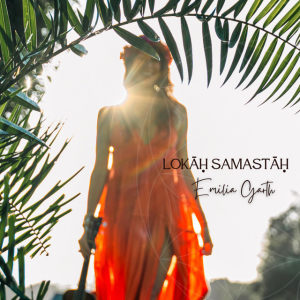
The directory currently has no upcoming events crawled, so the most reliable source for live dates is her official website, emiliagarth.com, which the bio names as her primary presence. Her Spotify artist page is the place to watch for new singles, since the 2025 and 2026 releases have come at a steady pace, with Yemanjá in July 2025, Lokah Samastah in October 2025, and Sou Beija-Flor and The Medicine of Heartbreak in January and February 2026. Her YouTube channel and Apple Music page also carry her catalog and are worth following for performance footage and release announcements. Kanikapila Fest takes place biannually, so fans interested in the festival should check its schedule directly, as it is the most consistent gathering tied to her name. Because she sings at retreats and festivals both international and domestic, the most useful signal for travel is whichever retreat or festival lineup announces her, which the directory does not yet record. Enabling notifications on Spotify and checking her website before planning a trip will catch most changes.
The bio describes her performances as entrancing, meditative songs set against upbeat chants drawn from Indigenous tribes of the Americas, so the defining feature is the contrast between stillness and momentum rather than a single tempo. Her voice is the central instrument in the descriptions available, and she sings in seven languages, which changes how each song breathes depending on the phonetics of the tradition it belongs to. Her teaching centers on ukulele, so the instrument is clearly part of her working practice, although the directory does not list the specific instruments used on each recording, and I will not guess at arrangements I cannot verify. Pacing across a concert follows the bio's account of weaving meditation, esoteric wisdom and storytelling between songs, which makes the set feel more like a guided sequence than a standard run of tracks. Listeners who want a tight, pop-structured song format will find the structure looser and more ceremonial. Anyone new to devotional chant should expect repetition, sustained phrases and call-and-response rhythms rather than verse-chorus arrangements.
The Ripple Effect is the only full-length album in her discography, released August 22, 2022, with eleven tracks, and it is the essential starting point for anyone who wants a cohesive statement rather than a series of standalone releases. The rest of her output consists of singles and short releases, which makes her catalog function more like a running body of devotional work than a sequence of albums. Among the singles, Ceiba, released November 2022, and Larimar, released March 2023, are worth hearing for her songwriting in a compact form. Om So Hum from March 2023 and Nam Myoho Renge Kyo from August 2023 show her range across different mantra sources, while Caminando y Sanando from December 2024 is her largest multi-track single and offers a fuller picture of her Spanish-language work. Students of her chant material should also check Gayatri Mantra from June 2024. For a complete reading of the catalog, The Ripple Effect plus these singles covers the main directions she has taken.
Several titles in the catalog are chant-based and therefore well suited to daily meditation or yoga practice, including Gayatri Mantra, Om So Hum, Ra Ma Da Sa, Wahe Guru and Aad Guray Nameh. Ra Ma Da Sa and Wahe Guru belong to mantra traditions often used in yogic and Sikh-influenced practice, which makes them natural companions for a seated sequence. Nam Myoho Renge Kyo, the daimoku of Nichiren Buddhism, suits a repetitive chanting session rather than a yoga flow. For a ceremonial context, Life Is a Ceremony from November 2023 and Yemanjá from July 2025 are the titles whose names most directly address ritual, though the directory does not describe their structures. Caminando y Sanando, translated loosely as walking and healing, points toward the healing emphasis of her ancestral ceremony work. These recommendations rest on titles and the bio, not on track-level notes, so listeners should preview each release before committing it to a practice. Her live meditation and ceremony offerings, which the bio lists as individual and group guided sessions, may suit students who want the recordings in a guided setting.
Students describe her classes as organized, encouraging and empowering, with a blend of the spiritual, mental and technical, which is a useful summary of what to expect in a session. Her offerings include voice and ukulele lessons, workshops, song circles, ancestral healing ceremonies, online courses, individual and group guided meditation, and holistic retreat services, so the format depends heavily on which path you choose. A voice or ukulele lesson will likely emphasize technique and finding an authentic vocal sound, while a song circle has a participatory, shared quality where each person contributes to the group. Ancestral healing ceremonies and retreats move toward ritual and reflection, and the bio notes that her concerts follow the same thread, weaving meditation and storytelling between songs. The structure is deliberate rather than loose, which surprises some newcomers who expect a purely spiritual gathering. Those who want a fully improvised or unstructured experience may find her approach more disciplined than they anticipated.





C’est vous ? Revendiquer cette page ›
There's more where this came from.
BrightStar is the global directory of artists, teachers, and healers in the wellness and spiritual movement. Find your next experience — or add yourself.
Discover More Artists
Browse 14,000+ curated profiles across kirtan, yoga, meditation, and beyond.
Explore directory →Find an Event Near You
Kirtan, retreats, sound baths, breathwork, ceremonies — happening this week.
Browse events →Add Your Profile
Are you an artist, teacher, or healer? Get listed — free, AI-assisted, live in minutes.
Get started →