BrightStar

Ver Todos los Events

Descubre encuentros conscientes

events

Yoga
Meditation
Breathwork
Qigong
Tai Chi
Sacred Music
World Music
Medicine Music
Sound Healing
Ecstatic Dance
Destinos Populares
BaliSedonaLos AngelesCosta RicaNew YorkSan FranciscoAustinMiamiJoshua TreeTulum
Ver Todas las CategoríasVer Todos los Destinos

Explorar Todas las Características

Herramientas poderosas para hacer crecer tus eventos

Características de la Plataforma

Precios Dinámicos Inteligentes
Categorías de Entradas
Asientos Asignados
Recuperación de Carritos
Recuperación de Visitantes
Donaciones y Escala Móvil
Motor de Afiliados
Escáner de Entradas
Códigos de Cupón
Preguntas Personalizadas
Compartir Entradas
Ventas Adicionales
Análisis e Informes
Secuencias de Email
Lista de Espera / Notificar / Recordar
Personas y Lugares
Artists & TeachersEvent OrganizersVenues & StudiosKnowledge BaseGlossaryInspiration
Ver Todas las CaracterísticasSobre Nosotros
PreciosBlog
Language
Saved events
Ver Todos los Eventos

events

YogaMeditationBreathworkQigongTai ChiSacred MusicWorld MusicMedicine Music

Destinos Populares

BaliSedonaLos AngelesCosta RicaNew YorkSan Francisco

Personas y Lugares

Artists & TeachersEvent OrganizersVenues & StudiosKnowledge BaseGlossaryInspiration

Características de la Plataforma

Precios Dinámicos InteligentesCategorías de EntradasAsientos AsignadosRecuperación de CarritosRecuperación de VisitantesDonaciones y Escala MóvilMotor de AfiliadosEscáner de EntradasCódigos de CupónPreguntas PersonalizadasCompartir EntradasVentas AdicionalesAnálisis e InformesSecuencias de EmailLista de Espera / Notificar / Recordar
Ver Todas las CaracterísticasSobre Nosotros
PreciosBlog
Iniciar sesiónBuscadoresCreadores
  • Ver Todos los Eventos
  • Para Buscadores
  • Yoga
  • Meditación
  • Respiración consciente
  • Qigong
  • Tai chi
  • Música sagrada
  • Música del mundo
  • Música medicina
  • Sanación con sonido
  • Danza extática
  • Retiros
  • Talleres
  • Todas las Categorías →
  • Bali
  • Sedona
  • Los Angeles
  • Costa Rica
  • Tulum
  • Byron Bay
  • San Francisco
  • Austin
  • New York
  • San Diego
  • Denver
  • Seattle
  • Portland
  • Miami
  • Todas las Ciudades →
  • Join the Movement
  • Why we list
  • Sell Globally
  • Para Creadores
  • Para equipos
  • Para Escritores
  • Para Maestros
  • Para Artistas de Kirtan
  • Para Estudios
  • Para Festivales
  • Para Centros de Retiros
  • Para Organizaciones Sin Fines de Lucro
  • Embajador de Marca
  • Entradas sin costo
  • Elevate
  • Amplify
  • Red de +500K Compradores
  • Recuperación de Carritos
  • Precios Dinámicos Inteligentes
  • Categorías de Entradas
  • Eventos Recurrentes
  • Asientos Asignados
  • Motor de Afiliados
  • Lista de Espera / Notificar
  • Escáner de Entradas
  • Widget Embebido
  • Sindicación de eventos
  • Centro de mensajes
  • Integraciones
  • Reportes
  • Todas las Características →
  • Acerca de
  • El ecosistema
  • Blog
  • Glosario
  • Inspiración
  • Centro de Ayuda
  • Contacto
  • Documentación API
  • Recursos de Marca
  • Carreras
  • Prensa
  • Términos de Servicio
  • Política de Privacidad

Eventos

  • Ver Todos los Eventos
  • Para Buscadores
  • Yoga
  • Meditación
  • Respiración consciente
  • Qigong
  • Tai chi
  • Música sagrada
  • Música del mundo
  • Música medicina
  • Sanación con sonido
  • Danza extática
  • Retiros
  • Talleres
  • Todas las Categorías →

Destinos

  • Bali
  • Sedona
  • Los Angeles
  • Costa Rica
  • Tulum
  • Byron Bay
  • San Francisco
  • Austin
  • New York
  • San Diego
  • Denver
  • Seattle
  • Portland
  • Miami
  • Todas las Ciudades →

Para Creadores

  • Join the Movement
  • Why we list
  • Sell Globally
  • Para Creadores
  • Para equipos
  • Para Escritores
  • Para Maestros
  • Para Artistas de Kirtan
  • Para Estudios
  • Para Festivales
  • Para Centros de Retiros
  • Para Organizaciones Sin Fines de Lucro
  • Embajador de Marca
  • Entradas sin costo
  • Elevate
  • Amplify

Características

  • Red de +500K Compradores
  • Recuperación de Carritos
  • Precios Dinámicos Inteligentes
  • Categorías de Entradas
  • Eventos Recurrentes
  • Asientos Asignados
  • Motor de Afiliados
  • Lista de Espera / Notificar
  • Escáner de Entradas
  • Widget Embebido
  • Sindicación de eventos
  • Centro de mensajes
  • Integraciones
  • Reportes
  • Todas las Características →

Empresa

  • Acerca de
  • El ecosistema
  • Blog
  • Glosario
  • Inspiración
  • Centro de Ayuda
  • Contacto
  • Documentación API
  • Recursos de Marca
  • Carreras
  • Prensa
  • Términos de Servicio
  • Política de Privacidad
BrightStar
Descarga la app
Descárgalo en elApp StoreDisponible enGoogle Play
© 2026 BrightStar. Todos los derechos reservados.
Inspiration

Twameva: Inside a Sanskrit Prayer of Harp and Voice

Sacred Earth
Sacred Earth
Jul 22, 2016
8 min de lectura

Twameva is a four-line Sanskrit prayer, and on a live recording made at an intimate gathering in a home on Australia's Sunshine Coast, it becomes something closer to a room than a song. Sacred Earth sings the verse while a guest, Kate B, plays Celtic harp and adds vocal harmony beneath the chant. The video, posted in July 2016 and running just over ten minutes, shows how a devotional text built on plain, repeated words can open up when a plucked harp and a second voice are set around it. What follows looks at what the words actually say, why a short prayer is sung over and over, what the harp and harmony contribute, and how someone new to the prayer can enter it without any prior background.

Leer · 7 secciones

What does the scene sound like, and why does the setting matter?

The channel's own description places the recording at an intimate event held at home, not on a stage. That detail shapes everything a listener hears. A living room or a small gathering has no architecture to lean on, so the sound has to carry itself. Voices sit close to the microphone, the room's edges become audible, and the pauses between phrases feel like part of the music rather than dead air between tracks.

The description also notes that this was a live recording, which means the performance was not assembled from takes in a studio. Live devotional singing tends to breathe differently. Tempo drifts a little, a line may be held a beat longer than the last time it was sung, and the group's attention becomes part of the sound. If you are used to polished studio chant, expect something looser and more human, and let that looseness be the point.

Sacred Earth's channel invites viewers to connect with its events around the world, and the Twameva video belongs to that world of gatherings. Recordings like this one are a way of letting people who are not in the room hear what a shared sitting sounds like.

What do the words of Twameva actually mean?

The prayer is short enough to memorize in an afternoon, and its structure rewards close reading. Each of the four lines follows the same grammatical pattern: the word Tvameva, meaning roughly "you alone" or "you indeed," with the emphasis of "only," followed by a list of things the singer addresses. Read word by word, the verse runs like this:

  • Tvameva Mata Cha Pita Tvameva: You alone are my mother, and you alone are my father. The first line gives the closest human bonds, the ones that gave life and raised the singer.
  • Tvameva Bandu cha Sakha Tvameva: You alone are my kin and my friend. The second line widens from family to chosen companionship, the people who stand beside us whether or not blood ties them to us.
  • Tvameva Vidya Dravinam Tvameva: You alone are my knowledge and my wealth. The third line moves inward and outward at once: learning, the mind's resources, and the material means a life depends on.
  • Tvameva Sarvam Mama Deva Deva: You alone are my all, my God of gods. The final line gathers everything before it into one word, Sarvam, meaning all or everything, and names the divine as the one in whom those relationships and resources are held.

The arc is worth noticing. The prayer does not begin with abstraction. It begins with the body's own origins, mother and father, and ends with the whole of existence. Each line removes a separate source of security and places it in the same hands. By the fourth line, the singer has not so much asked for protection as declared where every support in life is understood to come from.

Why does a prayer this short get repeated so many times?

Four lines, sung in a loop, produce a different experience from four lines recited once. The first pass delivers the meaning. The second pass begins to deliver the rhythm. By the third or fourth, the words stop being sentences and become a frame the mind can rest inside. This is the basic logic of mantra and refrain across many devotional traditions: repetition wears down the habit of hurrying through language, so that each phrase is heard again as if for the first time.

There is a practical lesson here for anyone singing Twameva at home. Do not rush to the end of the verse to prove you know it. Stay with Tvameva itself. The opening word is the hinge of the whole prayer, and every line turns on it. When you sing it slowly, you hear that the prayer is not a list of flattering names. It is a single declaration, restated four times with four different objects of devotion.

Repetition also changes the singer's relationship to the text. On the first line, you are reading. By the fourth time through, you are remembering. The loop is a way of making the words less something you possess and more something you are inside of.

What does the Celtic harp add to a Sanskrit chant?

Pairing a Sanskrit verse with a Celtic harp is an unusual choice on paper, and the recording answers the question of why it works by letting the two traditions share a single pulse. The harp is a plucked instrument. Each note is struck and then begins to decay, leaving open space that the next note has to enter. That decay mirrors the way a chanted syllable rings and fades, and it gives a repeated prayer a sense of movement without forcing the tempo.

Kate B's harp and harmony are credited in the video description as a guest contribution, and the description does not spell out the arrangement. So it is worth being honest about what can and cannot be said. The harmony voice is a second line laid beside the lead, which tends to turn a single devotional voice into something like a shared offering. Two voices singing the same words a few degrees apart can make a prayer feel less like a solo address and more like a group speaking together.

The harp also gives the listener a second point of focus. When the voice is steady, the ear can follow the strings. When the voice rises, the strings become a floor. This kind of layering is one reason home recordings can be so affecting: the instruments are close enough that you can hear the fingers, the breath, and the room, and the prayer is held up by people rather than by production.

How can you sing or sit with Twameva yourself?

Start with the words, not the melody. Read the four lines aloud until you can say them without the page, paying attention to the one word that repeats: Tvameva. Notice where your breath wants to fall. Most people find a natural pause after the second line, where the verse turns from family to friendship, and that is a good place to slow down.

Next, sing the verse on a single steady note, or on a few notes near your speaking voice, and keep the same pace for at least several full cycles. Do not try to make it beautiful yet. The goal is to let the repetition do its work, so that the words settle and the attention stops chasing what comes next. If you have a friend who can take a harmony line, try it. The harmony in the recording shows how much a second voice can change the feeling of the same four lines.

If you prefer listening to singing, sit with the video for its full run of about ten minutes and listen twice. The first time, follow the words and let each line land. The second time, ignore the words and follow the harp. Notice where the strings wait, where they answer the voice, and how the prayer seems to pause and continue without a break.

Why does a home recording still carry weight?

The video was posted on July 22, 2016, and the channel's listing shows a view count of 960,462. Those numbers say something about how far a small, intimate recording can travel. A gathering in a home on the Sunshine Coast is not a famous venue or a produced album, and yet it reaches a large audience because the music is simple enough to share and specific enough to feel real. Devotional music has always traveled this way, passed from one room to another, one voice to the next, one repetition to the following one.

The recording is also a reminder that the prayer is not finished when the song ends. Twameva is meant to be sung again, by different people in different rooms, with different harmonies and different silences. The video documents one such sitting. Whether you hear it on a phone speaker or in a room of your own, the words are asking the same question each time: where are my mother, father, friend, knowledge, and wealth held, and to whom do I ultimately belong?

Where to go from here?

Watch the original Sacred Earth video of Twameva on the channel, listen once for the words and once for the harp, and then sing the four lines yourself for a few minutes without any recording playing. If you want to follow the project further, the channel directs viewers to sacredearthmusic.com, where its events are listed. Start with the Sanskrit, learn what each word means, and let the repetition teach you what the prayer is actually asking for.
Comments

Loading the conversation…

Sacred Earth
ArtistSacred Earth

Sacred Earth is Australian mantra duo Penny and Jethro Williams, whose soaring vocals, flutes and harmonies bring audiences into sacred silence through contemporary chant.

Ver perfilSitio web
Explorar temas
TwamevaSanskrit-prayerCeltic-harpDevotional-musicMantra-repetition

¿Tienes Preguntas?

Preguntas Frecuentes

Twameva is a Sanskrit verse whose recurring word, Tvameva, carries the sense of 'you alone' or 'you indeed.' Each of the four lines then names a relationship or resource, such as mother, father, friend, knowledge, and wealth, and the final line gathers everything under the word 'all,' addressing the divine as 'God of gods.'
The video description credits a guest named Kate B, who plays Celtic harp and sings vocal harmony. The description does not give further biographical detail, so the video itself is the best place to hear her contribution.
The recording was made live at an intimate event at home on the Sunshine Coast in Australia, according to the video's description. That home setting shapes the sound, which is close, unpolished, and centered on the people in the room.
The video runs 10 minutes and 9 seconds and was published on July 22, 2016. The channel listing shows a view count of 960,462.
Begin by reading the four lines aloud and learning the English meaning of each word, especially the repeated Tvameva. Then sing the verse slowly on a few steady notes for several full cycles, letting the repetition settle your attention rather than aiming for a perfect performance.
Repetition slows the habit of rushing through language, so that each phrase is heard again rather than merely recognized. In a short prayer like Twameva, the repeated opening word works as a hinge, and the loop helps the singer move from reading the words to remembering them.
Yes, and this recording is a clear example. A plucked harp's notes ring and decay, which leaves room between syllables and gives a repeated chant a gentle sense of movement, while a harmony voice can make a solo prayer feel like a shared offering.

Seguir leyendo

More from Sacred

Ver Todo
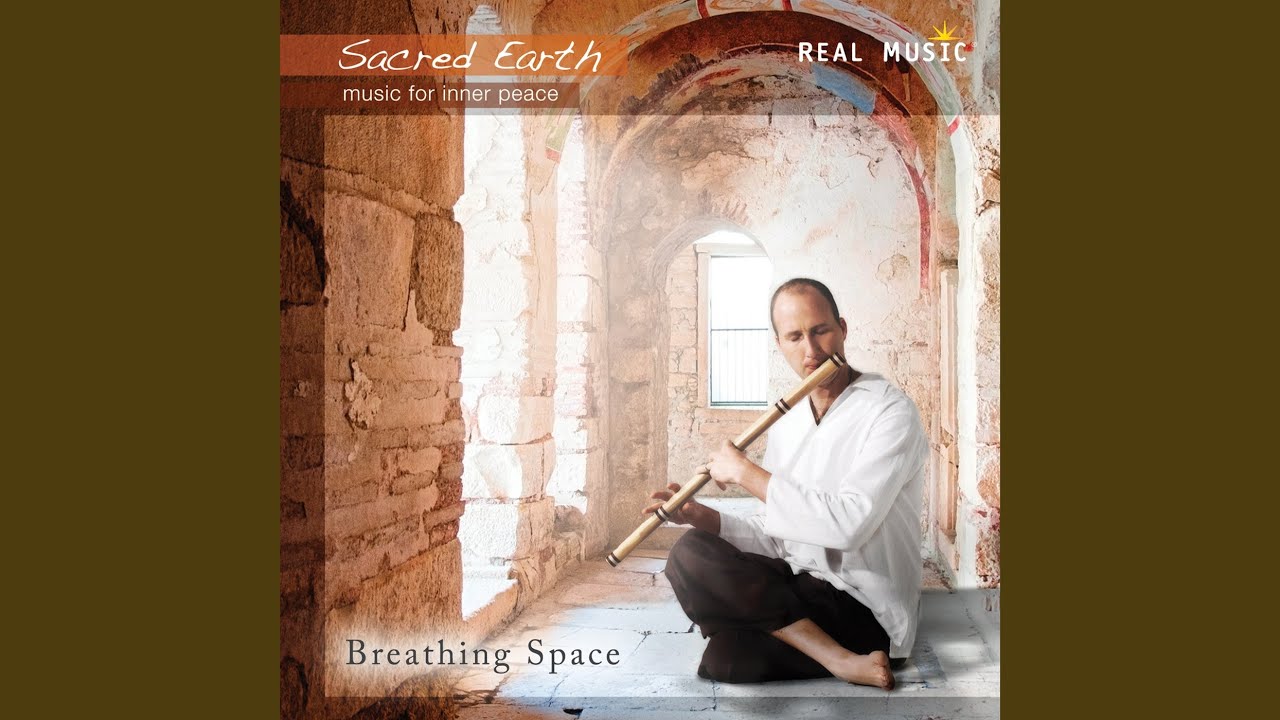
Grounded: A Listening Note on the Breathing Space Track
Inspire

Grounded: A Listening Note on the Breathing Space Track

"Grounded" is a 2012 track from the album Breathing Space, now drawing millions of listens on YouTube. This short listening note covers what…

1 min read
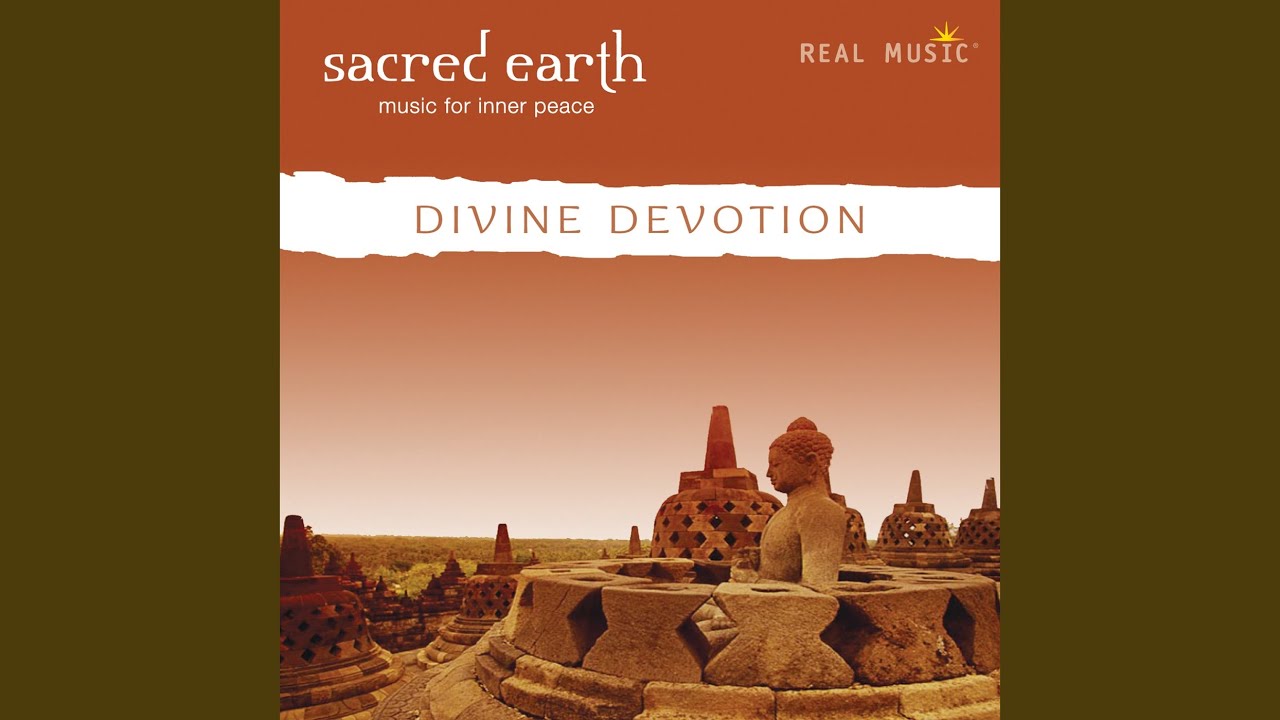
Dancing Shiva: Notes on a 2004 Devotional Recording
Inspire

Dancing Shiva: Notes on a 2004 Devotional Recording

Dancing Shiva, credited to Jethro Williams and Prem Williams, came out in 2004 on the album Divine Devotion. Here is what the release record…

1 min read
Sacred Music for Sacred Forests: Chanting for Trees in Rishikesh
Inspire

Sacred Music for Sacred Forests: Chanting for Trees in Rishikesh

A short kirtan clip from Rishikesh ties chanting to forest protection. Proceeds from the 19 October concert support GoDharmic's Dharma Fores…

1 min read
Om Namah Shivaya Live Kirtan: Call, Response and the Shiva Chant
Inspire

Om Namah Shivaya Live Kirtan: Call, Response and the Shiva Chant

A live kirtan of Om Namah Shivaya, recorded at Medicine Festival 2026 in Reading, moves from slow mantra into ecstatic chant. Here is what t…

1 min read

Sigue explorando

Continúa tu camino

Más sabiduría y encuentros de todo el directorio de BrightStar.

Más artículos

Recorre la biblioteca completa de enseñanzas, entrevistas y guías.

Ver todos los artículos →

Maestros y artistas

Explora los linajes, músicos y guías del mundo consciente.

Explorar artistas →

Encuentra un evento

Kirtan, retiros, baños de sonido, breathwork, festivales — muy pronto.

Ver eventos →
