BrightStar
BlogMis entradas
BlogMis entradas
Saved events
Ayuda y contactoRegistrarseIniciar sesión
Eventos
  • Ver Todos los Eventos
  • Yoga
  • Meditación
  • Respiración consciente
  • Qigong
  • Música sagrada
  • Música del mundo
  • Música medicina
  • Sanación con sonido
  • Danza extática
  • Ceremonia
  • Plantas medicinales
  • Sanación energética
  • Satsang y sabiduría
  • Tantra
  • Retiros
  • Todas las Categorías →
Destinos
  • Bali
  • Sedona
  • Los Angeles
  • Costa Rica
  • Tulum
  • Byron Bay
  • San Francisco
  • Austin
  • New York
  • San Diego
  • Denver
  • Seattle
  • Portland
  • Miami
  • London
  • Maui
  • Boulder
  • Todas las Ciudades →
Plataforma
  • Para organizadores
  • Únete al movimiento
  • Sell Globally
  • Para Creadores
  • Para equipos
  • Para Escritores
  • Para Maestros
  • Para Artistas de Kirtan
  • Para Estudios
  • Para Festivales
  • Para Centros de Retiros
  • Para Organizaciones Sin Fines de Lucro
  • Embajador de Marca
  • Entradas sin costo
  • Pro
  • Amplify
  • El ecosistema
Características

Venta de entradas y pago

  • Ticket categories
  • Assigned seating
  • Custom questions
  • Coupon codes
  • Smart pricing
  • Ticket sharing
  • Waitlist
  • Flexible refunds
  • Digital waivers
  • Tip jar
  • Donations and sliding scale
  • Embed widget
  • Mindful checkout
  • Recurring events
  • Private sessions
  • Online courses
  • Summits
  • Rooms and stays
  • Ticket scanner

Marketing y crecimiento

  • Abandoned cart recovery
  • Visitor recovery
  • Upsells and add-ons
  • Affiliate engine
  • Upsell affiliate network
  • Brand ambassador
  • Meta retargeting
  • Verified buyer network
  • Outbound email marketing
  • Email sequences
  • SMS and WhatsApp
  • Event upsell network
  • Direct mail campaigns
  • SEO engine
  • Syndication
  • Event sharing
  • Custom event pages
  • Artist profiles
  • Link in bio
  • Event blog
  • Blog newsletter

Pagos

  • Payments, powered by Stripe
  • Buy now, pay later
  • Apple Wallet
  • Multi currency

Datos y operaciones

  • Team access
  • Message center
  • Reports
  • Analytics reporting
  • Performance reporting
  • Customer data
  • Integrations
  • Switch from another platform

IA

  • Assistant
  • AI FAQ assistant
  • Todas las Características →
Empresa
  • Acerca de
  • Preguntas frecuentes
  • Contacto
  • Blog
  • Glosario
  • Guides
  • Inspiración
  • Centro de Ayuda
  • Documentación API
  • Recursos de Marca
  • Prensa
  • Términos de Servicio
  • Política de Privacidad

Eventos

  • Ver Todos los Eventos
  • Yoga
  • Meditación
  • Respiración consciente
  • Qigong
  • Música sagrada
  • Música del mundo
  • Música medicina

Destinos

  • Bali
  • Sedona
  • Los Angeles
  • Costa Rica
  • Tulum
  • Byron Bay
  • San Francisco
  • Austin

Plataforma

  • Para organizadores
  • Únete al movimiento
  • Sell Globally
  • Para Creadores
  • Para equipos
  • Para Escritores
  • Para Maestros
  • Para Artistas de Kirtan

Características

  • Red de la comunidad
  • Recuperación de Carritos
  • Categorías de Entradas
  • Eventos Recurrentes
  • Asientos Asignados
  • Motor de Afiliados
  • Lista de Espera / Notificar
  • Todas las Características →

Empresa

  • Acerca de
  • Preguntas frecuentes
  • Contacto
  • Blog
  • Glosario
  • Guides
  • Términos de Servicio
  • Política de Privacidad
Leer más

Eventos

  • Sanación con sonido
  • Danza extática
  • Ceremonia
  • Plantas medicinales
  • Sanación energética
  • Satsang y sabiduría
  • Tantra
  • Retiros
  • Todas las Categorías →

Destinos

  • New York
  • San Diego
  • Denver
  • Seattle
  • Portland
  • Miami
  • London
  • Maui
  • Boulder
  • Todas las Ciudades →

Plataforma

  • Para Estudios
  • Para Festivales
  • Para Centros de Retiros
  • Para Organizaciones Sin Fines de Lucro
  • Embajador de Marca
  • Entradas sin costo
  • Pro
  • Amplify
  • El ecosistema

Empresa

  • Inspiración
  • Centro de Ayuda
  • Documentación API
  • Recursos de Marca
  • Prensa

Venta de entradas y pago

  • Ticket categories
  • Assigned seating
  • Custom questions
  • Coupon codes
  • Smart pricing
  • Ticket sharing
  • Waitlist
  • Flexible refunds
  • Digital waivers
  • Tip jar
  • Donations and sliding scale
  • Embed widget
  • Mindful checkout
  • Recurring events
  • Private sessions
  • Online courses
  • Summits
  • Rooms and stays
  • Ticket scanner

Marketing y crecimiento

  • Abandoned cart recovery
  • Visitor recovery
  • Upsells and add-ons
  • Affiliate engine
  • Upsell affiliate network
  • Brand ambassador
  • Meta retargeting
  • Verified buyer network
  • Outbound email marketing
  • Email sequences
  • SMS and WhatsApp
  • Event upsell network
  • Direct mail campaigns
  • SEO engine
  • Syndication
  • Event sharing
  • Custom event pages
  • Artist profiles
  • Link in bio
  • Event blog
  • Blog newsletter

Pagos

  • Payments, powered by Stripe
  • Buy now, pay later
  • Apple Wallet
  • Multi currency

Datos y operaciones

  • Team access
  • Message center
  • Reports
  • Analytics reporting
  • Performance reporting
  • Customer data
  • Integrations
  • Switch from another platform

IA

  • Assistant
  • AI FAQ assistant
Descarga la app
Descárgalo en elApp StoreDisponible enGoogle Play
© 2026 BrightStar. Todos los derechos reservados. BrightStar Selection · Créditos fotográficos · Registro de cambios ·
Inspiration

Buddhist Gratitude Practice: Beyond Positive Thinking

Lodro Rinzler
Lodro Rinzler
Nov 23, 2026
5 min de lectura

De Lodro Rinzler | Meditation

Ver · 7

The holidays arrive with an odd logic: a week designed for joy that often brings constraint, cramped schedules, and the question everyone's afraid to ask—what do I actually have to be grateful for? The assumption most of us carry is that gratitude is something we earn once everything gets right. But there's a quieter, more radical alternative: what if gratitude isn't a reward for a good year, but a shift in what we're paying attention to?

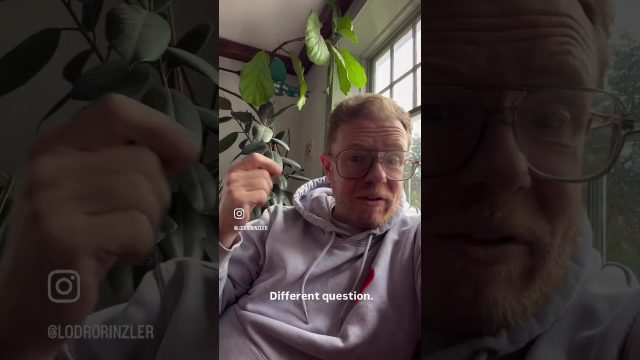
This distinction matters more than it sounds. It's the difference between forced thankfulness and genuine awareness. When Lodro Rinzler, a Buddhist-trained meditation teacher and author, leads a guided gratitude practice, he begins not with a roster of blessings but with a question: what am I overlooking right now?

Leer · 5 secciones

The Daily Practice Nobody Talks About

Rinzler has built gratitude into his morning ritual. Before most people get out of bed, he asks himself: what am I grateful for today? It's not the kind of affirmation that gets social media traction—no sunrise-filtered selfies, no manifesto energy. What comes up for him, and what he's found comes up for most people who sit with the question long enough, are the things already there: a healthy child, a partner, a person who has cared for his family, the roof overhead. For him, it's also eyesight, something he's had to defend gratefully for thirty years as his prescription has shifted. He could spiral into the story of decline—I can barely see, my prescription keeps changing, I can't see my colleague clearly. Or he could notice: I'm still seeing.

This is the actual hinge point of gratitude practice in the Buddhist tradition. It's not denying that bad things exist—war, inflation, systemic injustice. These are real. But we have a choice, moment to moment, about which part of reality we're feeding our attention to. If we starve the mind with only stories of what's broken, we build a habit of misery. If we practice noticing what's working—even small things, even ordinary things—we create room to think clearly, to act, to offer something to the world rather than just react from depletion.

Expanding Awareness vs. Forcing a List

The word "gratitude" gets weaponized in self-help culture as a corrective—if you're anxious or sad, be grateful; it's a personal moral failure if you can't find the bright side. Rinzler's teaching cuts straight through that. Gratitude practice, he explains, is an expansion of awareness. It's not a form of denial or toxic positivity. It's permission to notice things you might not normally see.

The meditation itself is straightforward. After settling into the body and anchoring attention to the breath—the foundation of any contemplative work—the practitioner asks: what am I grateful for today? Not out loud, not performed, just asked. And then you wait. You let your mind offer up whatever it offers. You don't judge it, don't dismiss it as too small or too obvious. You notice. Then you ask again. What am I grateful for today?

The mind will sometimes spiral—into stories, into complaint, into the things you're not grateful for. That's fine. You notice that too, without judgment. The practice isn't about forcing only positive thoughts. It's about practicing the choice to return to the question, to expand the lens again.

What Changes When We Really Look

The effects of this practice aren't metaphorical. During a live session, one participant shared that a significant work problem had been consuming her attention. As she moved through the gratitude meditation, that issue didn't disappear—but it got smaller. It stopped being the only thing in the room. Life became bigger than one problem. She could see it was real and pressing, but also temporary. Just a moment in a larger existence.

Another participant discovered something subtler: the gratitude practice could turn her attention inward, toward qualities she'd worked to develop in herself, toward strengths she'd trained into being. It broke the habit of only looking outward for things to be grateful for—the external goods that are easy to list and also easy to lose.

What both experiences point to is the same mechanism: gratitude practice cuts through anxiety and mental noise by literally expanding where you're looking. When the mind is contracted around a single problem or story, it can't see the bigger field. When you deliberately open to what's there, the anxiety doesn't vanish—but it stops being the weather. It becomes weather. Something moving through a larger climate.

Not Toxic Positivity, But Choice

The holidays bring a particular pressure around gratitude. Everyone's supposed to feel it, suppose to perform it. Rinzler acknowledges this up front: some people, when they hear "gratitude practice," want to say no. I don't have time for this. I have too much to do. For some, the year has been genuinely hard. For others, the holidays themselves trigger old pain or isolation.

What's offered here isn't a platitude. It's an invitation to practice choosing where attention goes. We can't control whether we have problems, losses, or pain. But we can practice noticing what else is there. That choice—to look, to broaden the lens, to acknowledge what's working alongside what isn't—is available any moment in any day. It's available, in fact, right under the nose, as Rinzler puts it. We just have to pause long enough to see it.

Where to go from here

If this practice speaks to you, Rinzler offers free meditations at lodrorinzler.com. The gratitude meditation is about 29 minutes, long enough to settle the mind and sit with the question without rushing. You don't need any equipment or prior experience. The only requirement is a few quiet minutes and a willingness to be surprised by what your own awareness might show you when you're not too busy controlling the answer.

Comentarios

Cargando la conversación…

Transcript

[0:06] Okay.

[0:08] So here in the States it is

[0:12] American Thanksgiving. [snorts]

[0:15] Uh and I am guessing no one is surprised

[0:18] that I am going to encourage us to do

[0:20] some gratitude practice. [laughter]

[0:24] It's a good week for it.

[0:26] And I also just want to acknowledge that

[0:30] the holidays bring up a lot for

[0:32] different people.

[0:33] You know, it it's sort of like

[0:36] when I talk about gratitude practice,

[0:37] some people want to say, oh god, that's

[0:39] the last thing I want to do right now.

[0:42] It's like I've got so much I need to get

[0:44] done this week and I'll just be

[0:46] personally, you know, Adrian and I are

[0:48] cramming weeks worth of work into today

[0:50] and tomorrow and then we have Ruby for

[0:53] five days. It's a bit inverse of what we

[0:55] would normally

[0:56] in terms of our ability to get things

[0:58] done.

[0:59] And so you might feel like a constraint

[1:01] or [clears throat] restrictive and you

[1:02] know, around this sort of holiday.

[1:05] You say, what do I have to be grateful

[1:06] for? Things have been It's been a bad

[1:08] year. It's been a hard year, whatever it

[1:09] might be.

[1:12] And the thing is we often look to

[1:15] gratitude as if it's a thing that we

[1:17] need to get everything right and then we

[1:19] get to be grateful.

[1:21] As opposed to beginning to open to our

[1:24] awareness long enough that we might be

[1:27] able

[1:28] to

[1:30] realize some of the things that we don't

[1:31] normally notice.

[1:34] I think a number of you know that I do

[1:36] this practice every morning.

[1:39] Every morning right when I wake up, what

[1:41] am I grateful for today?

[1:44] Or even get out of bed most days.

[1:48] And it's the same sort of things that

[1:49] tend to come up over and over again.

[1:52] You know, I'll just speak personally

[1:53] that it's you know, things like

[1:56] my partner and that our kid is happy

[1:59] healthy.

[2:01] Our dogs.

[2:03] I feel great gratitude towards

[2:05] um

[2:06] this person who has been in Ruby's life

[2:09] for a number of years

[2:11] and taken such great care of her

[2:14] and for the roof over my head.

[2:16] I there's often one where I'm just like

[2:18] being able to see still since my eyes

[2:20] have been in decline for 30 years now.

[2:24] You know? So it's stuff like that where

[2:27] it's like oh I could do the inverse for

[2:29] that one.

[2:30] I'm so mad that my prescription keeps

[2:33] changing that I can't

[2:34] you know I can barely Neil's the big

[2:37] face in in the way that I've got I can

[2:39] barely see you Neil right now. I know

[2:41] it's you but it's only because I had

[2:42] some context before you know so it's

[2:44] sort of like

[2:46] um I could get into my head about all

[2:48] the things that are going wrong.

[2:50] I could use this as a way to perpetuate

[2:52] negativity

[2:54] but there's some choice to actually

[2:55] acknowledge what's working.

[2:58] And I think that's the interesting thing

[3:01] with gratitude practice. It's not a

[3:02] forced list of here's what you ought to

[3:05] be grateful for.

[3:06] It's expanding awareness long enough to

[3:08] realize

[3:09] yes there's some things working and we

[3:11] can choose

[3:13] to place our attention there

[3:16] and not perpetuate the story about

[3:18] what's broken or not working.

[3:22] We could choose this any moment in a

[3:24] given day.

[3:25] We can choose this every day throughout

[3:27] our life

[3:28] to focus on what is wrong

[3:31] what is horrible

[3:32] what's messed up in the world

[3:34] or some of the things that are going

[3:39] This isn't a discount that things are

[3:41] going

[3:42] that there isn't warfare

[3:44] and high gas prices

[3:47] and

[3:48] systemic injustice.

[3:52] These are things.

[3:54] They exist

[3:55] but if we only turned our mind to them

[3:58] then we would probably live a pretty

[3:59] miserable life.

[4:02] If we turn our mind towards the that are

[4:04] working, we might even find room to

[4:06] begin to chip away and spend our mental

[4:09] time and our activity

[4:11] on things we can do

[4:14] to make the world a little better.

[4:17] Things that are within our control.

[4:18] We have to again expand our awareness to

[4:20] do it. So let's do some practice right

[4:23] now. And we'll start as we often do by

[4:25] getting into the body.

[4:33] Doing whatever you need to do here to

[4:35] settle in.

[4:44] To feel the weight of your body through

[4:46] the sit bones and the legs.

[5:26] Feeling the sense of upliftedness

[5:27] through the shoulders and the head,

[5:29] lifting up, extending the spine.

[6:15] >> Relaxing the muscles in the face.

[7:29] Noticing how the body is breathing.

[7:46] Feeling the in-breath and the out-breath

[7:48] as it moves through us.

[7:50] Way to ground down to begin to open to

[7:52] awareness.

[9:09] >> For these few minutes, just see if you

[9:11] can show up for each breath.

[9:18] Just feeling into each one,

[9:20] noticing how the breath is flowing

[9:23] today.

[11:27] >> As the old saying goes, when we lose the

[11:29] mind, come back.

[11:31] Meaning that when you lose track of

[11:35] the breath, you begin to spiral into

[11:37] thought.

[11:38] Just go, right.

[11:40] That's not what I'm here to do,

[11:41] thinking.

[11:42] You just come back to the breath.

[14:55] >> So at this point we expand our

[14:57] awareness,

[14:59] meaning we can let go of the breath for

[15:01] a moment and just rest.

[15:16] And then we bring to mind a question in

[15:19] this case to contemplate.

[15:22] We ask the simple question, what am I

[15:24] grateful for today?

[15:30] We don't even have to do that out loud.

[15:31] We can do that in our own head.

[15:37] And then just notice what answers come

[15:39] up for you.

[15:42] Let your

[15:44] wisdom awareness just kick up whatever

[15:46] comes up.

[15:49] We acknowledge it.

[15:51] And then we come back to the question

[15:52] again.

[15:58] What am I grateful for today?

[17:09] >> We might notice that we start to spiral

[17:11] again into things that we're not

[17:12] grateful for or things that

[17:16] we are and we want to tell ourselves

[17:17] lots of stories about it.

[17:26] We don't have to go too far with any of

[17:27] this. We just notice, oh, okay. We ask

[17:30] the question again.

[17:32] What am I grateful for today?

[19:31] >> You might find that again the same sort

[19:33] of things come up

[19:35] a couple times in a row.

[19:37] That's fine.

[19:39] You might find that the more we ask this

[19:41] question, new things start to arise.

[19:43] That's good too.

[19:44] We're just exploring. That's the point

[19:46] of the contemplation.

[19:48] So when we get lost, we come back in

[19:49] this case to the question, what am I

[19:51] grateful for?

[21:25] >> What am I grateful for?

[22:48] >> And at this point we can drop the

[22:49] contemplation

[22:51] letting go of the words and just notice

[22:52] how you're feeling in this moment.

[22:55] What emotions are present in the body?

[24:26] At this point you can begin to emerge

[24:27] from the

[24:30] You need to move the body a little bit.

[24:46] Okay.

[24:50] So

[24:57] what is that like for people? What came

[24:59] up for you as we did the gratitude

[25:00] meditation?

[25:09] You could type in the chat, you could

[25:10] turn your microphone, whatever feels

[25:12] right to you.

[25:24] Yeah. Let's see here.

[25:27] Connie's saying that she found this

[25:28] experience to be very this practice to

[25:30] be very humbling experience. That's

[25:32] interesting. I'd love to hear more about

[25:33] that.

[25:35] Um wonderful.

[25:37] And Richie's saying I felt warmth,

[25:39] empathy,

[25:41] and totally energized. That's great.

[25:43] Yeah.

[25:44] And

[25:46] well great. So much to be grateful for.

[25:48] I'm so glad that this became like a big

[25:50] list.

[25:53] That's great.

[25:58] Good. [snorts]

[25:59] Yeah, I mean it's you know everyone's

[26:00] experience about this is going to be

[26:02] unique of course, but there are often

[26:04] similarities of again remembering what

[26:09] we um

[26:10] may normally overlook, we'll say.

[26:13] Remembering the things that are

[26:15] happening right under our nose.

[26:17] And [clears throat] when we really do

[26:18] turn our mind to them

[26:20] it sort of cuts through some of the

[26:24] perhaps anxiety or other

[26:27] uh obscurations that might be keeping us

[26:29] from the present moment. We feel more in

[26:31] with the present moment and more willing

[26:33] to look for what else is occupying right

[26:36] in this particular instance.

[26:39] Very good. Any other last comments or

[26:42] questions?

[26:45] >> Um I'll just share that um

[26:49] >> Go ahead.

[26:50] >> Oh well um there is a significant

[26:53] problem at work right now and it's been

[26:55] occupying um a larger space of my mind

[26:58] that I want to and doing this practice

[27:01] it almost felt like as the gratitude was

[27:04] growing that issue was getting a little

[27:07] smaller and not occupying as much space

[27:09] and it's such a good reminder to

[27:13] um

[27:14] that a practice like that allows me to

[27:16] shift the energy so that it it's not

[27:18] like that one track mind. I got to only

[27:21] focus on this thing but life is bigger

[27:23] than this one thing that's happening

[27:25] right now that's not going to last

[27:27] forever. It's just a moment. So that was

[27:29] a

[27:30] a needed reminder this morning. Thank

[27:32] you.

[27:33] >> That's exactly it. Yeah I love that that

[27:35] we're expanding the awareness. Oh this

[27:37] isn't the only thing happening. Even

[27:39] that it is pretty significant really.

[27:41] Yeah. Tanya?

[27:44] >> Uh for for myself this was one of the

[27:47] first times that normally like thinking

[27:49] of everything external that I'm grateful

[27:51] for is it's it's so easy and it comes up

[27:54] and it's like this

[27:55] you know all these little all these

[27:57] bubbles pop up and I just realize

[27:59] there's a bouquet of like just this huge

[28:01] arrangement. Today for the first time I

[28:04] had that same kind of explosion of

[28:06] gratitude but for qualities about myself

[28:09] which doesn't normally come up. So it

[28:12] was interesting to um yeah that there

[28:15] was reflection on

[28:17] the things I'm grateful that

[28:19] I possess that I've I've worked on that

[28:21] I'm doing that I'm embodying and uh

[28:25] yeah. So it was it was a a lot of self

[28:27] gratitude which felt

[28:30] interesting [laughter]

[28:32] and foreign to be so focused internally.

[28:37] >> Yeah, I love that. And that's such a

[28:39] great one that I probably shouldn't have

[28:40] even mentioned in the intro is focusing

[28:42] on things about ourselves and things

[28:44] about, you know, external like eyesight

[28:46] and

[28:47] beings around us and things like that.

[28:49] But yes, that we have these qualities

[28:51] and that we're continuing to refine

[28:53] these qualities. It's also really

[28:54] powerful.

[28:57] And she's saying it felt a lot of love

[28:58] as well. That's great. Good.

[29:01] Okay, friends. It's that time, so I'm

[29:03] going to let you all get back into your

[29:04] day. But

[29:05] always a pleasure. And um just a

[29:07] reminder of anyone who wants to join,

[29:09] tomorrow night we're doing the Sun Namah

[29:11] mudra, so you can join for that as well.

[29:13] Okay. Take care.

Lodro Rinzler

Lodro Rinzler

Artista

Lodro Rinzler is a Tibetan Buddhist meditation teacher and bestselling author of The Buddha Walks into a Bar, co-founder of MNDFL Meditation, and leader of the online Basic Goodness Collective.

Ver perfil
Explorar temas
Gratitude practiceMeditationBuddhist teachingsMindfulnessAwareness expansion
Preguntas Frecuentes

Preguntas Frecuentes

No. Buddhist gratitude practice is about expanding awareness to notice what's actually there—including hardship—rather than denying reality. It's choosing where to place attention, not pretending bad things don't exist. As Rinzler explains, you can acknowledge that war, injustice, and real problems exist while also choosing to notice what's working, so your mind isn't contracted around only what's broken.

Yes. The practice doesn't require that everything be fine. It's about noticing small things—that you can still see, that you have shelter, that someone cares about you—that you might normally overlook. This isn't about denying suffering; it's about not letting suffering be the only place your mind rests.

Start by grounding in your body and breath. Then ask yourself silently: 'What am I grateful for today?' Let your mind offer up whatever comes—don't force it, don't judge it as too small. Notice each answer, then ask again. If your mind spirals into complaint or story, that's fine; just notice and return to the question.

Yes. When the mind is contracted around a single worry or problem, anxiety feels all-consuming. Gratitude practice expands awareness so that the problem doesn't disappear but stops being the only thing in the room. Practitioners report that significant issues become smaller—not solved, but no longer occupying all available mental space.

That's normal and fine. You might notice the same few things—your partner, your health, your shelter—appearing repeatedly. That's your genuine gratitude revealing itself. Over time, as you keep asking the question, new things often begin to arise, but there's no pressure to have an endless list.

Absolutely. While it's easy to list external goods (eyesight, home, relationships), you can also be grateful for qualities you've developed in yourself—strengths you've trained, capacities you've built. This internal gratitude can be just as powerful as noticing what you have.

También te puede gustar

Ver Todo
Stop Anxiety Loops With One Simple Question
Inspire

Stop Anxiety Loops With One Simple Question

When anxiety keeps replaying the same worry, one question cuts through the cycle. Lodro Rinzler shares the practice that works.…

2 min read
Looking Directly at Thoughts to Find Mind's Basic Goodness
Inspire

Looking Directly at Thoughts to Find Mind's Basic Goodness

Lodro Rinzler teaches a Buddhist investigation into the nature of thoughts themselves—where they come from, what they're made of, and where …

2 min read
Medicine Buddha Practice: Healing Through Darkness and Grace
Inspire

Medicine Buddha Practice: Healing Through Darkness and Grace

Lama Rod Owens guides practitioners into seasonal darkness work and the felt sense of awakened beings through Medicine Buddha practice roote…

7 min read
Love Beyond Habit: Breaking Free From Patterns of Separation
Inspire

Love Beyond Habit: Breaking Free From Patterns of Separation

When judgment, fear, and wanting filter how we see others, we lose touch with their humanity. Through mindful presence and loving-kindness, …

7 min read
Ver todoTambién te puede gustar→

Continúa tu camino

Más sabiduría y encuentros de todo el directorio de BrightStar.

Más artículos

Recorre la biblioteca completa de enseñanzas, entrevistas y guías.

Ver todos los artículos →

Maestros y artistas

Explora los linajes, músicos y guías del mundo consciente.

Explorar artistas →

Encuentra un evento

Kirtan, retiros, baños de sonido, breathwork, festivales — muy pronto.

Ver eventos →