



Roaman
Singer Songwriter
Acerca de
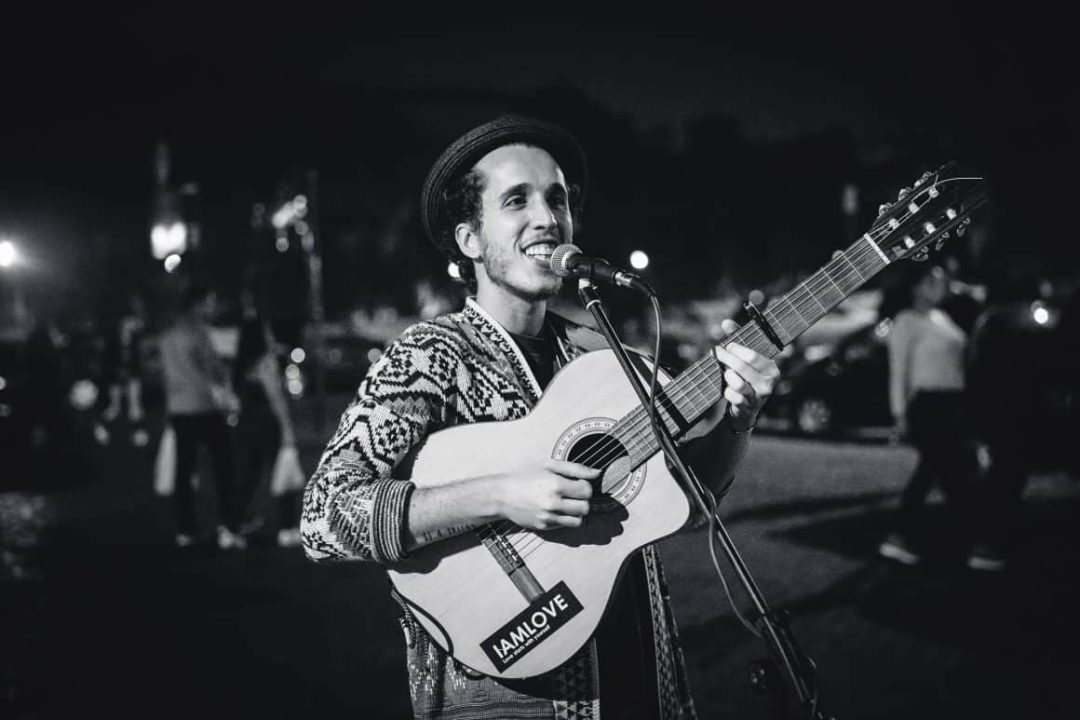
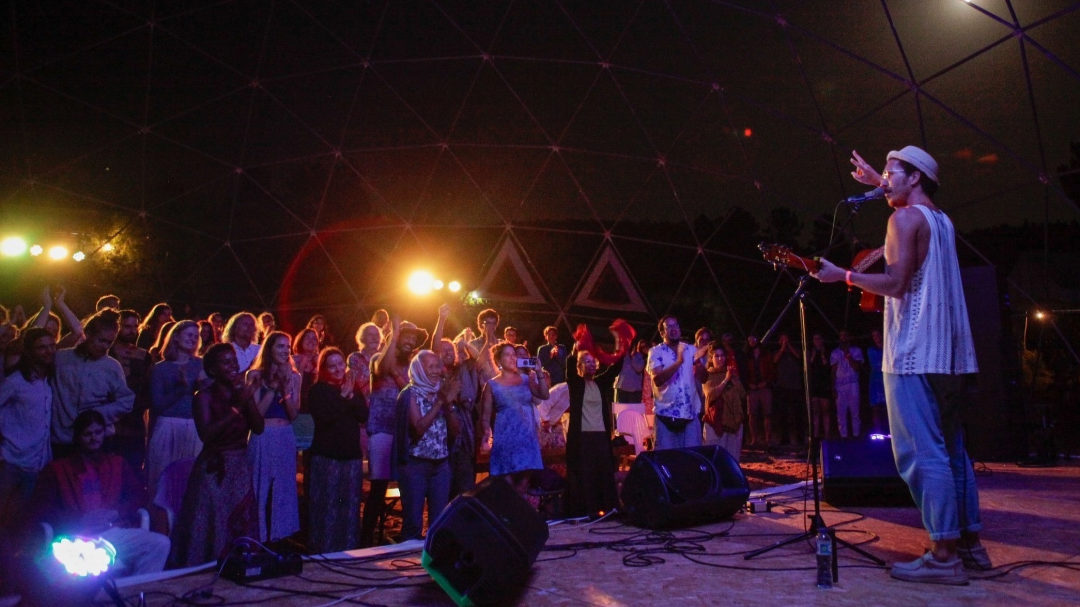
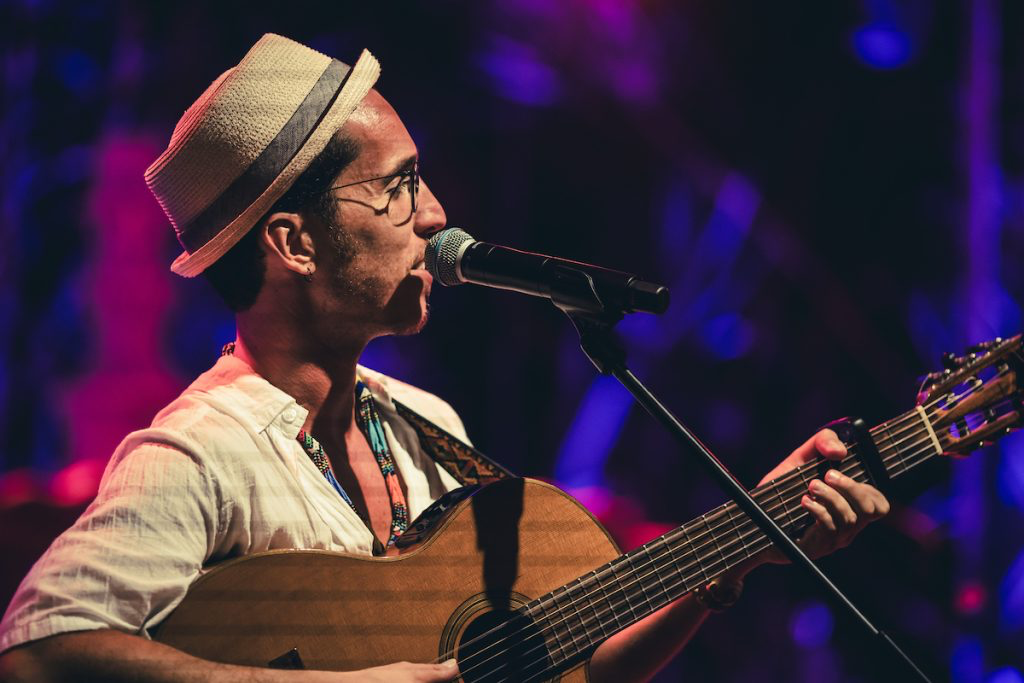
Roaman is a singer-songwriter who works at the intersection of original composition and what they call artivism—the use of creative practice as a tool for social and emotional advocacy. They describe themselves as a joy ambassador, centering their work on the deliberate cultivation of connection and resilience through music.
Roaman is a singer-songwriter who works at the intersection of original composition and what they call artivism—the use of creative practice as a tool for social and emotional advocacy. They describe themselves as a joy ambassador, centering their work on the deliberate cultivation of connection and resilience through music.
Their approach is rooted in direct distribution and community engagement rather than traditional music industry channels. Roaman releases music primarily through Bandcamp and shares videos on YouTube, maintaining an active presence on Instagram where they document both finished work and creative process. This model allows them to control how their music reaches listeners and to foster ongoing dialogue with the people who follow their work.
Roaman sustains their practice through a Patreon community, where subscribers gain access to behind-the-scenes content, early releases, and direct interaction. They also operate a newsletter that functions as a primary communication channel, offering updates on new music, live performances, and the ideas shaping their songwriting. This infrastructure reflects a broader shift among independent artists toward platform-native audiences and subscription-based support.
As of 2026, Roaman is working on a new album. Details about tracklist, collaborators, and release timeline have not yet been made public, but the project continues their focus on music that invites participation rather than passive listening. Their output prioritizes accessibility and emotional clarity over commercial polish.
What distinguishes Roaman's work is the intentionality with which they frame music-making as a communal act. Rather than positioning the artist as separate from the audience, they treat songwriting and performance as collaborative spaces where joy and resistance can be practiced together. This philosophy informs both the content of their songs and the structures they use to share them.
For someone encountering Roaman's music today, the work offers a model of how independent artists can build sustainable creative lives outside traditional gatekeepers, anchored by direct relationships and a commitment to music as a form of care.
Preguntas
Questions
Roaman is a singer-songwriter and self-identified joy ambassador operating at the intersection of artistry and activism—what they call 'artivism.' Their work centers on original music composition paired with deliberate community building, reaching listeners across Spotify (62,600 followers), Bandcamp, YouTube, and Instagram. What distinguishes Roaman from the ambient-spiritual-musician category is their explicit focus on joy advocacy as a practice, not merely as a byproduct of their music. They've built a direct relationship with their audience through a newsletter and Patreon community, treating music distribution and audience engagement not as separate functions but as integrated parts of their artistic vision. This approach—treating the listening community itself as a collaborator in the work—appeals to listeners who want more than passive consumption: they want to participate in something intentional.
Roaman's signature move is refusing the false choice between artistic intimacy and platform reach. Where many singer-songwriters either retreat into Bandcamp exclusivity or chase algorithmic approval, Roaman maintains presence across multiple channels—website, Bandcamp, YouTube, social media—while simultaneously nurturing a direct-support community through Patreon and newsletters. This is audience engagement treated as a deliberate practice, not an afterthought. The 'joy ambassador' framing also separates them from singer-songwriters who position themselves as guides through darkness or teachers of transcendence; Roaman's work is anchored in joy as its own legitimate spiritual territory. Their identity as an artivist signals that music is inseparable from values-driven community work. As of 2026, they're actively developing a new album, suggesting an artist still in compositional motion rather than relying on back-catalog nostalgia.
Start by visiting Roaman's website at roamanmusic.com/links, which functions as a clean hub to their entire ecosystem—all the platforms are mapped there. From there, YouTube is the most textured entry point; the video medium lets you encounter not just the music but Roaman's presence, which matters when an artist's work is rooted in joy and direct human connection. Bandcamp is the second move: it typically offers the fullest discography and often includes liner notes or context the artist wants known. Then subscribe to their newsletter and explore their Patreon community if the initial work resonates—this is where you'll understand how Roaman thinks about the relationship between artist and listener. Starting with Spotify alone misses the intentionality of how they've built their distribution; the platform proliferation is the point, not a limitation.
Roaman's music is unlikely to satisfy listeners seeking either high-production-value cinematic orchestration or the anonymity of algorithmic playlisting. Anyone uncomfortable with direct artist-audience relationship building—who prefers the distance between listener and creator—will find the newsletter and Patreon model intrusive rather than inviting. Similarly, if your draw to conscious music is primarily meditative silence or minimalist ambient drones, Roaman's identity as a singer-songwriter with original compositions means their work occupies space, asks for attention, carries lyrics. The joy-advocacy framing, while genuine, may read as optionally earnest to listeners skeptical of explicit happiness messaging. And practically: if you consume music exclusively through one platform (say, Spotify or Apple Music only), you'll access Roaman but not the full architecture of their community-building work, which is integral to understanding their artistic intent.
The data provided doesn't include detailed sonic or production information, so making claims about specific instrumentation or vocal characteristics would be invention. What we can observe: Roaman identifies as a singer-songwriter (which typically indicates acoustic foundation, emphasis on vocal and lyrical presence), describes themselves as a joy ambassador (suggesting the emotional contour is neither minor-key nor emotionally abstract), and distributes across YouTube where music video production decisions become part of the aesthetic statement. The fact that they're actively composing new album material suggests an evolving approach rather than a locked sonic signature. The best way to encounter the actual sound is to listen directly on their YouTube channel or Bandcamp, where you'll immediately feel the instrumental palette, production choices, and vocal approach that textual description cannot convey.
The primary route is Roaman's newsletter, which serves as the central nervous system for announcements about new work, community gatherings, and artistic development. Subscribe through roamanmusic.com/links to stay informed about the new album they're developing as of 2026. The Patreon community offers the deepest access to behind-the-scenes updates, early releases, and direct conversation with Roaman about creative process. YouTube and Bandcamp both function as release platforms, so following or subscribing to both ensures you don't miss new material. Instagram and the main website are secondary channels but still active for updates. Unlike touring musicians, Roaman's presence is primarily digital and community-based; the 'events' are often online gatherings, Patreon livestreams, or newsletter-exclusive content rather than traditional concert dates. This decentralized approach to presence means no single platform captures the full picture—the newsletter is the meta-platform that unifies everything.
Joy advocacy, as Roaman frames it, is the treatment of joy as a deliberate spiritual and creative practice—not saccharine positivity or denial of difficulty, but a disciplined return to and celebration of what brings aliveness. It's distinct from gratitude practice (which often emphasizes acceptance) or love-and-light rhetoric (which can flatten complexity); joy advocacy is more active, more specific, more insistent. In Roaman's artistic context, this means original music composition is explicitly directed toward joy as both subject and transmission—songs that don't require the listener to first descend into darkness to earn uplift. It also frames their artivist identity: joy itself can be a form of resistance or clarity in systems that profit from exhaustion and despair. The practice shows up in how they build audience relationship (direct, generous, non-hierarchical) and in how they distribute their work (proliferation across accessible platforms rather than gatekeeping). Joy advocacy isn't Roaman's message—it's their method.
Roaman demonstrates sophisticated literacy in the mechanics of digital music distribution and deliberately refuses the false binary between 'independent' and 'distributed.' They maintain presence on major platforms (Spotify, Apple Music, YouTube) while simultaneously prioritizing direct-relationship channels (Bandcamp, newsletter, Patreon) where more of the economic relationship stays with the artist. This isn't anti-streaming rhetoric—they're actively on Spotify with 62,600 followers—but rather a refusal to let any single platform become the only story. The website at roamanmusic.com/links functions as a router, mapping listeners to every available channel, which is a deliberate curation of how they want to be encountered. Their expertise in audience engagement and original music composition extends to understanding that digital platforms are not neutral distribution mechanisms but are themselves aesthetic and economic choices. By maintaining multiple platforms and emphasizing the newsletter as the connective tissue, Roaman treats digital music distribution as a craft, not an afterthought.
As of the current data available, there are no published articles or major press mentions documented in the BrightStar record. This is not uncommon for artists whose primary reach is through direct community and digital platforms rather than traditional music journalism circuits. It likely reflects Roaman's deliberate focus on building engaged, direct audience relationships over pursuing publication placement. However, the 62,600 Spotify followers and active presence across multiple platforms suggest significant listener reach and organic word-of-mouth discovery. For the most current and detailed assessment of how Roaman's work is being discussed and received, the newsletter and Patreon community would be the primary sources—these are where listeners engage substantively with the artist and each other, and where any critical reception or deep conversation about the work happens in real time.
Yes, and Roaman has built multiple pathways for direct support that go beyond passive listening. The Patreon community is the primary direct-support mechanism, offering tiers that likely include early access to new material, exclusive content, and direct community connection. Bandcamp is another crucial route: music purchased there generates significantly higher per-unit revenue for the artist than streaming, and Bandcamp's model is explicitly designed to allow artists to set their own pricing and offer bonus content. The newsletter, while free, likely includes opportunities to support new work or special projects. Roaman's website at roamanmusic.com/links will have the current options for direct support. By distributing across multiple platforms, Roaman ensures that listeners can choose the support method that aligns with their own values and resources—some will support via Patreon, others via Bandcamp purchases, others through sharing and word-of-mouth community building. This approach treats audience support as another form of participation in the artistic work itself.
¿Eres tú? Reclamar esta página ›
There's more where this came from.
BrightStar is the global directory of artists, teachers, and healers in the wellness and spiritual movement. Find your next experience — or add yourself.
Discover More Artists
Browse 14,000+ curated profiles across kirtan, yoga, meditation, and beyond.
Explore directory →Find an Event Near You
Kirtan, retreats, sound baths, breathwork, ceremonies — happening this week.
Browse events →Add Your Profile
Are you an artist, teacher, or healer? Get listed — free, AI-assisted, live in minutes.
Get started →