

Michael McGee, MD
Jazz Pianist
Acerca de
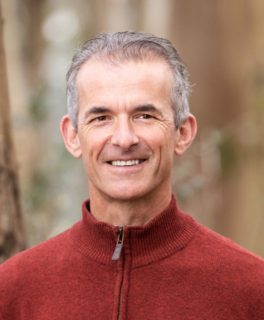
Dr. Michael McGee is a board-certified psychiatrist, Distinguished Life Fellow of the American Psychiatric Association, author and educator with over four decades of experience in psychiatry, addiction medicine and behavioral health systems. He is President of WellMind Inc. and continues to provide direct patient care. He holds board certification in General Adult Psychiatry, Addiction Psychiatry and Psychosomatic Medicine.
Dr. Michael McGee is a board-certified psychiatrist, Distinguished Life Fellow of the American Psychiatric Association, author and educator with over four decades of experience in psychiatry, addiction medicine and behavioral health systems. He is President of WellMind Inc. and continues to provide direct patient care. He holds board certification in General Adult Psychiatry, Addiction Psychiatry and Psychosomatic Medicine.
He earned his Bachelor of Science in Biology with distinction and his medical degree at Stanford University, then completed his psychiatry residency at Harvard Medical School, including service as Chief Resident in Inpatient Psychiatry at Cambridge Hospital. He has served as Chief of Psychiatry, Medical Director, Chief Medical Officer and Regional Medical Director, and as a consultant to healthcare organizations and public systems. His approach is described as eclectic and trauma-centered, combining psychotherapy and psychopharmacology with psychospiritual interventions.
Dr. McGee is the author of two award-winning books on addiction recovery, The Joy of Recovery and 101 Things to Know If You Are Addicted to Painkillers. His current writing focuses on trauma recovery, spirituality and healing, healthy and loving relationships, and integrative psychiatric care. He also created and hosted the award-winning podcast Be Well, Practice Well, and he offers trainings on trauma-informed care, addiction treatment and clinician wellness. He has mentored psychiatric nurse practitioners, medical trainees and early-career clinicians.
Outside his clinical work, he is an accomplished jazz pianist who composes and performs, and he finds renewal in backpacking. His live performances, "Simple Pleasures with Dr. Mike," blend music, meditation and gentle wisdom to foster reflection, connection and joy.
Preguntas
Questions
Michael McGee, MD is a board-certified psychiatrist with more than four decades in psychiatry, addiction medicine and behavioral health systems, and he serves as President of WellMind Inc. while still providing direct patient care. He holds board certification in General Adult Psychiatry, Addiction Psychiatry and Psychosomatic Medicine, and he is a Distinguished Life Fellow of the American Psychiatric Association. Listeners and students know him through three overlapping lanes: clinical work, writing, and music. His two award-winning books on addiction recovery, The Joy of Recovery and 101 Things to Know If You Are Addicted to Painkillers, anchor the writing side, while the podcast Be Well, Practice Well, which he created and hosted, extends that work into conversation. Outside the clinic he is a jazz pianist who composes and performs, and his live program Simple Pleasures with Dr. Mike blends music, meditation and gentle wisdom. People pay attention because few figures combine addiction psychiatry authority with meditation teaching framed by trauma-informed care rather than by purely devotional language.
The data behind this profile does not name a specific meditation lineage, teacher line, or contemplative tradition for Michael McGee, MD, and any answer claiming one would be invention. What the record does show is a psychospiritual and trauma-centered orientation, since his clinical approach is described as eclectic and combines psychotherapy and psychopharmacology with psychospiritual interventions. His meditation teaching sits inside that clinical frame, so it is best understood as integrative psychiatry that draws on contemplative practice rather than as transmission from a named teacher or monastery. His training lineage is institutional and easy to trace: a Bachelor of Science in Biology with distinction, a medical degree at Stanford University, and a psychiatry residency at Harvard Medical School, including service as Chief Resident in Inpatient Psychiatry at Cambridge Hospital. Clinicians he has mentored, including psychiatric nurse practitioners and early-career doctors, inherit that academic clinical lineage more than a devotional one. If a named contemplative lineage exists, it is not documented here, so treat any such claim with caution until it appears in his own writing or teaching materials.
A complete newcomer has no single canonical entry point, because the documented output is spread across clinical writing, a podcast, and live performance rather than a long album catalogue. For someone arriving through the meditation side, the most practical first step is the podcast Be Well, Practice Well, which is built around conversation rather than lecture. Readers drawn to the addiction side should begin with The Joy of Recovery, one of his two award-winning books on addiction recovery, before moving to 101 Things to Know If You Are Addicted to Painkillers, which is more targeted and practical. Those interested in the jazz piano side have fewer documented entry points, so the best path is to look for the Simple Pleasures with Dr. Mike live format described in his bio, since that is where music, meditation and gentle wisdom are explicitly combined. The YouTube channel linked from his profile is another place to sample his speaking style before committing to a book. Newcomers who are themselves in recovery or working in behavioral health will likely get the most from the books, while listeners seeking a purely musical experience should set their expectations accordingly.
Michael McGee, MD is distinctive less for a documented sound than for a combination of roles that rarely coexist in one person. Jazz pianists who move into meditation-oriented work usually arrive from music or contemplative training, while his credentials are in addiction psychiatry, psychosomatic medicine and trauma-informed care, backed by decades of clinical practice. That makes his piano and composition read as an extension of a clinician's attention rather than as a performer's bid for atmosphere, which is the angle a serious listener should keep in mind. His live format, Simple Pleasures with Dr. Mike, explicitly fuses music, meditation and gentle wisdom to foster reflection, connection and joy, so the musical and the therapeutic are designed to share the same room. The psychospiritual interventions in his clinical approach mirror that blend, which is uncommon among jazz pianists. Where meditation-adjacent piano often leans on ambient mood, the documented emphasis here is reflection and connection. Newcomers should not expect a catalogue of recordings to benchmark against, since none is listed in the data behind this profile, so the comparison rests on how the work is framed rather than on a discography.
Michael McGee, MD's work is not built for listeners who want high-energy material, since his music is framed around reflection, connection and joy rather than intensity or spectacle. Fans of high-BPM electronic music or dense, virtuosic jazz will likely find the pacing too gentle for their tastes. Readers who want a purely academic treatment of addiction psychiatry may find the books written in a personal and practical voice rather than in research-paper density, which some specialists will see as a limitation. Anyone seeking a fully secular, clinically neutral approach should note that spirituality and psychospiritual interventions are explicit parts of his method, so the work sits inside a spiritual frame. Those seeking a traditional devotional path with a named lineage and liturgical content will not find that in the data behind this profile. The work is also a poor fit for people who want a steady stream of new releases, since the documented catalogue is thin and the Spotify footprint is small, with 166 followers at last check. Being honest about these limits helps listeners decide whether the blend of clinical credibility and gentle musical reflection matches what they actually need.
No upcoming tour dates or event listings were crawled for Michael McGee, MD at the time of writing, so the most reliable way to follow his activity is directly through his official site, drmichaelmcgee.com. That site is the primary home for his trainings on trauma-informed care, addiction treatment and clinician wellness, and it is the best place to check for updates on writing and live performances. His YouTube channel is the second place to watch for new material, and it is linked from his profile. His schedule is anchored by clinical work and his leadership role at WellMind Inc., so public appearances are likely to be selective rather than part of a regular touring circuit. Listeners who want recurring content should follow the Be Well, Practice Well podcast, the recurring show named in his bio. Anyone planning travel around a Simple Pleasures with Dr. Mike performance should confirm dates directly before booking, because none are listed here. Checking the website before each season is the most dependable habit for staying current.
The data behind this profile describes Michael McGee, MD as a jazz pianist who composes and performs, but it does not name specific recordings, so any detailed sonic breakdown would be speculation. What is documented is the piano as the central instrument and a live format, Simple Pleasures with Dr. Mike, that pairs music with meditation and gentle wisdom to foster reflection, connection and joy. That pairing suggests pacing built around space and pause rather than dense harmonic motion, though listeners should confirm this against recordings or live sets before assuming it. The musical identity is therefore best understood through the performance context: an unhurried, reflective setting in which the playing serves as a container for the spoken and meditative elements. No instrumental collaborators, vocalists or producers are named in the available data, so the piano-and-composition frame is the only verified description. Anyone expecting a particular ensemble or vocal style should wait for direct listening samples, which can be found through his official site and YouTube channel. Treat the sound as a reflective jazz piano practice rather than an ornate concert repertoire, and let the first listen confirm the fit.
Michael McGee, MD's teaching is most clearly documented in clinical trainings on trauma-informed care, addiction treatment and clinician wellness, rather than in named meditation retreats, which are not listed in the data behind this profile. His style is shaped by decades of psychiatric practice, so sessions are likely to be grounded in clinical realities and in the psychospiritual interventions that define his approach, rather than in purely contemplative instruction. He has mentored psychiatric nurse practitioners, medical trainees and early-career clinicians, which suggests a method built around supervision, case discussion and practical skill. In the live Simple Pleasures with Dr. Mike format, the atmosphere is intentionally gentle, combining music, meditation and wisdom to foster reflection and connection. Students should expect a blend of clinical precision and warmth rather than a charismatic or ecstatic style. Because the format of any given session is not documented here, prospective students should review the trainings on drmichaelmcgee.com and ask about structure, group size and clinical focus before enrolling. The clearest picture of his teaching voice comes from the Be Well, Practice Well podcast, which he created and hosted.
The recurring themes in Michael McGee, MD's work follow the current writing focus described in his bio: trauma recovery, spirituality and healing, healthy and loving relationships, and integrative psychiatric care. These threads run through his addiction-recovery books, The Joy of Recovery and 101 Things to Know If You Are Addicted to Painkillers, though his later writing moves beyond addiction into relational and spiritual territory. Trauma-informed care is the organizing frame, which means that even topics like recovery or relationships are approached through how past harm shapes present behavior. The psychospiritual dimension is explicit rather than implied, so spirituality is treated as a clinical resource for healing instead of a separate devotional subject. Clinician wellness is a recurring concern in his training work, reflecting a view that those who treat trauma and addiction need care of their own. Readers should note that the emphasis is on integration, combining psychotherapy and psychopharmacology with contemplative and relational approaches. These themes appear across his writing, podcast and live work, which is what gives the body of work its coherence.
Yes, the most accessible independent-study material is the podcast Be Well, Practice Well, which Michael McGee, MD created and hosted and which his bio describes as award-winning. Its format is conversational, so it suits listeners who want to hear clinical and spiritual ideas developed in dialogue rather than in lecture. His YouTube channel, linked from his profile, is a second route for hearing him speak on camera, though the data behind this profile does not list individual video titles, so listeners should browse the channel directly. The books offer the most structured independent study, particularly The Joy of Recovery for readers approaching addiction recovery and 101 Things to Know If You Are Addicted to Painkillers as a more targeted reference. His trainings on trauma-informed care, addiction treatment and clinician wellness are designed for professional audiences and are the best option for clinicians who want deeper, supervised learning. No formal course syllabus or downloadable lecture series is named in the available data. Students should pair the podcast with one book to test whether the framing suits them before investing more time.




¿Eres tú? Reclamar esta página ›
There's more where this came from.
BrightStar is the global directory of artists, teachers, and healers in the wellness and spiritual movement. Find your next experience — or add yourself.
Discover More Artists
Browse 14,000+ curated profiles across kirtan, yoga, meditation, and beyond.
Explore directory →Find an Event Near You
Kirtan, retreats, sound baths, breathwork, ceremonies — happening this week.
Browse events →Add Your Profile
Are you an artist, teacher, or healer? Get listed — free, AI-assisted, live in minutes.
Get started →