BrightStar
BlogMeine Tickets
BlogMeine Tickets
Saved events
Hilfe & KontaktRegistrierenAnmelden
Events
  • Alle Events durchsuchen
  • Yoga
  • Meditation
  • Breathwork
  • Qigong
  • Heilige Musik
  • Weltmusik
  • Medicine Music
  • Klangheilung
  • Ecstatic Dance
  • Zeremonie
  • Pflanzenmedizin
  • Energieheilung
  • Satsang & Weisheit
  • Tantra
  • Retreats
  • Alle Kategorien →
Reiseziele
  • Bali
  • Sedona
  • Los Angeles
  • Costa Rica
  • Tulum
  • Byron Bay
  • San Francisco
  • Austin
  • New York
  • San Diego
  • Denver
  • Seattle
  • Portland
  • Miami
  • London
  • Maui
  • Boulder
  • Alle Städte →
Plattform
  • Für Veranstalter
  • Werde Teil der Bewegung
  • Sell Globally
  • Für Kreative
  • Für Teams
  • Für Autoren
  • Für Lehrer
  • Für Kirtan-Künstler
  • Für Studios
  • Für Festivals
  • Für Retreat-Zentren
  • Für gemeinnützige Organisationen
  • Markenbotschafter
  • Kostenloses Ticketing
  • Pro
  • Amplify
  • Das Ökosystem
Funktionen

Ticketverkauf und Checkout

  • Ticket categories
  • Assigned seating
  • Custom questions
  • Coupon codes
  • Smart pricing
  • Ticket sharing
  • Waitlist
  • Flexible refunds
  • Digital waivers
  • Tip jar
  • Donations and sliding scale
  • Embed widget
  • Mindful checkout
  • Recurring events
  • Private sessions
  • Online courses
  • Summits
  • Rooms and stays
  • Ticket scanner

Marketing und Wachstum

  • Abandoned cart recovery
  • Visitor recovery
  • Upsells and add-ons
  • Affiliate engine
  • Upsell affiliate network
  • Brand ambassador
  • Meta retargeting
  • Verified buyer network
  • Outbound email marketing
  • Email sequences
  • SMS and WhatsApp
  • Event upsell network
  • Direct mail campaigns
  • SEO engine
  • Syndication
  • Event sharing
  • Custom event pages
  • Artist profiles
  • Link in bio
  • Event blog
  • Blog newsletter

Zahlungen

  • Payments, powered by Stripe
  • Buy now, pay later
  • Apple Wallet
  • Multi currency

Daten und Betrieb

  • Team access
  • Message center
  • Reports
  • Analytics reporting
  • Performance reporting
  • Customer data
  • Integrations
  • Switch from another platform

KI

  • Assistant
  • AI FAQ assistant
  • Alle Funktionen →
Unternehmen
  • Über uns
  • Häufige Fragen
  • Kontakt
  • Blog
  • Glossar
  • Guides
  • Inspiration
  • Hilfe-Center
  • API-Dokumentation
  • Marken-Assets
  • Presse
  • Nutzungsbedingungen
  • Datenschutzrichtlinie

Events

  • Alle Events durchsuchen
  • Yoga
  • Meditation
  • Breathwork
  • Qigong
  • Heilige Musik
  • Weltmusik
  • Medicine Music

Reiseziele

  • Bali
  • Sedona
  • Los Angeles
  • Costa Rica
  • Tulum
  • Byron Bay
  • San Francisco
  • Austin

Plattform

  • Für Veranstalter
  • Werde Teil der Bewegung
  • Sell Globally
  • Für Kreative
  • Für Teams
  • Für Autoren
  • Für Lehrer
  • Für Kirtan-Künstler

Funktionen

  • Community-Netzwerk
  • Warenkorbabbruch-Wiederherstellung
  • Ticket-Kategorien
  • Wiederkehrende Veranstaltungen
  • Sitzplatzreservierung
  • Affiliate-System
  • Warteliste / Benachrichtigen
  • Alle Funktionen →

Unternehmen

  • Über uns
  • Häufige Fragen
  • Kontakt
  • Blog
  • Glossar
  • Guides
  • Nutzungsbedingungen
  • Datenschutzrichtlinie
Mehr lesen

Events

  • Klangheilung
  • Ecstatic Dance
  • Zeremonie
  • Pflanzenmedizin
  • Energieheilung
  • Satsang & Weisheit
  • Tantra
  • Retreats
  • Alle Kategorien →

Reiseziele

  • New York
  • San Diego
  • Denver
  • Seattle
  • Portland
  • Miami
  • London
  • Maui
  • Boulder
  • Alle Städte →

Plattform

  • Für Studios
  • Für Festivals
  • Für Retreat-Zentren
  • Für gemeinnützige Organisationen
  • Markenbotschafter
  • Kostenloses Ticketing
  • Pro
  • Amplify
  • Das Ökosystem

Unternehmen

  • Inspiration
  • Hilfe-Center
  • API-Dokumentation
  • Marken-Assets
  • Presse

Ticketverkauf und Checkout

  • Ticket categories
  • Assigned seating
  • Custom questions
  • Coupon codes
  • Smart pricing
  • Ticket sharing
  • Waitlist
  • Flexible refunds
  • Digital waivers
  • Tip jar
  • Donations and sliding scale
  • Embed widget
  • Mindful checkout
  • Recurring events
  • Private sessions
  • Online courses
  • Summits
  • Rooms and stays
  • Ticket scanner

Marketing und Wachstum

  • Abandoned cart recovery
  • Visitor recovery
  • Upsells and add-ons
  • Affiliate engine
  • Upsell affiliate network
  • Brand ambassador
  • Meta retargeting
  • Verified buyer network
  • Outbound email marketing
  • Email sequences
  • SMS and WhatsApp
  • Event upsell network
  • Direct mail campaigns
  • SEO engine
  • Syndication
  • Event sharing
  • Custom event pages
  • Artist profiles
  • Link in bio
  • Event blog
  • Blog newsletter

Zahlungen

  • Payments, powered by Stripe
  • Buy now, pay later
  • Apple Wallet
  • Multi currency

Daten und Betrieb

  • Team access
  • Message center
  • Reports
  • Analytics reporting
  • Performance reporting
  • Customer data
  • Integrations
  • Switch from another platform

KI

  • Assistant
  • AI FAQ assistant
Hol dir die App
Laden imApp StoreJetzt beiGoogle Play
© 2026 BrightStar. Alle Rechte vorbehalten. BrightStar Selection · Bildnachweise · Änderungsprotokoll ·
Teaching on asana
“Posture should be steady and comfortable.”
Patanjali
Patanjali
Lesen · 1 Abschnitte

The Art of Steady Comfort: Embracing Asana in Life

Patanjali's assertion that "posture should be steady and comfortable" invites us to explore the delicate balance between stability and ease in our physical and spiritual practices. This quote, nestled within the Yoga Sutras, serves as a guiding principle not only for the practice of asana but also for navigating the complexities of life itself. The stakes are high; in a world that often demands rigidity and perfection, the wisdom of Patanjali encourages us to cultivate a sense of groundedness that allows for adaptability and grace.

As we delve deeper into this teaching, we recognize that the essence of asana transcends mere physicality. It is a metaphor for how we engage with our experiences, relationships, and inner landscapes. The invitation to find a posture that is both steady and comfortable resonates with the broader quest for balance in our lives, urging us to create a foundation that supports our growth while allowing for the fluidity of existence. In this exploration, we uncover layers of meaning that can transform our understanding of both yoga and our daily interactions.

The image / the metaphor

The imagery of "steady and comfortable" conjures a sense of equilibrium, where the body is neither rigid nor slack, but rather poised in a state of relaxed alertness. The verb "should" implies a gentle directive, suggesting that this posture is not merely a suggestion but a necessity for effective practice. The felt sense of this quote encourages us to embody a physical state that mirrors our mental and emotional landscapes, fostering a holistic approach to well-being. In this way, asana becomes a living metaphor for our approach to life, inviting us to cultivate a posture that reflects our inner state.

Diving deeper into the metaphor, we can see that the concept of steadiness is not about unyielding strength but rather about resilience and adaptability. Just as a tree bends with the wind yet remains rooted in the earth, so too must we find ways to remain grounded while navigating the inevitable fluctuations of life. This duality of steadiness and comfort speaks to the heart of yoga, where the practice becomes a means of harmonizing our inner and outer worlds, allowing us to respond to challenges with grace and poise.

In the speaker's tradition

Patanjali's teachings are situated within the rich tapestry of yoga philosophy, which emphasizes the importance of dharma, or one's rightful path. The notion of asana as a steady and comfortable posture aligns with the broader principles of yoga, which advocate for a life lived in accordance with one's true nature. This idea resonates with concepts such as kenosis, the self-emptying that allows for the fullness of experience, and sunyata, the emptiness that fosters openness and receptivity. In this context, Patanjali's guidance serves as a reminder that our physical practice is intrinsically linked to our spiritual journey.

Moreover, the Yoga Sutras themselves offer a profound exploration of the mind-body connection, emphasizing the importance of cultivating a state of prajna, or wisdom. In this light, the practice of asana becomes a means of accessing deeper layers of understanding and insight. Just as the body must find its balance, so too must the mind learn to navigate the complexities of thought and emotion. This interplay between body and mind is echoed in other spiritual traditions, where the cultivation of a steady and comfortable posture is seen as essential for achieving a state of inner peace and clarity.

Living the teaching

Consider a modern scenario where the teaching of steady comfort manifests in a workplace setting. Imagine a team facing a high-pressure deadline, where stress levels are palpable, and tensions run high. In this environment, the ability to maintain a steady and comfortable posture—both physically and emotionally—can be transformative. By embodying a sense of calm and resilience, one can inspire others to do the same, creating a ripple effect that fosters collaboration and creativity. This practice of steadiness amidst chaos not only enhances productivity but also nurtures a supportive atmosphere where individuals feel valued and empowered.

In a different context, think about a challenging conversation with a loved one. The stakes may feel high, and the urge to react defensively can be overwhelming. Here, the teaching of Patanjali invites us to pause and find our steady and comfortable posture before engaging. By grounding ourselves in a place of openness and receptivity, we can approach the dialogue with compassion and understanding, allowing for a deeper connection and resolution. This practice of embodying steadiness and comfort can transform our relationships, fostering a sense of safety and trust that encourages vulnerability and authenticity.

A reflection

As we reflect on Patanjali's wisdom, we are invited to consider how we embody the principles of steadiness and comfort in our own lives. What does it mean for you to find a posture—both physically and emotionally—that supports your journey? In moments of challenge or uncertainty, how can you cultivate a sense of groundedness that allows for both resilience and ease? These contemplative questions invite us to explore the depths of our practice and our lives, encouraging us to embrace the art of steady comfort as we navigate the complexities of existence.
Patanjali

Patanjali

Künstler:in

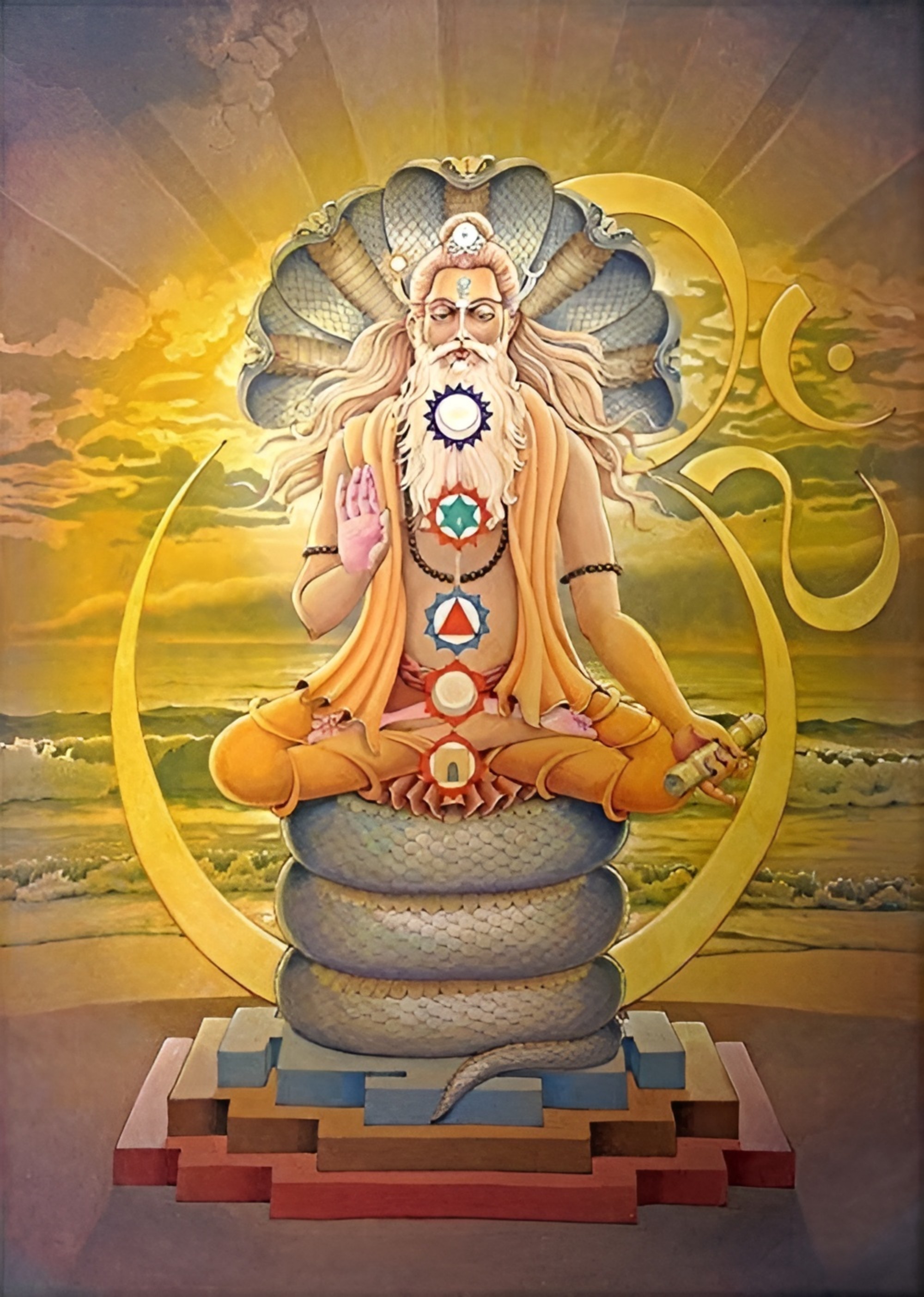
Compiler of the Yoga Sutras — the foundational text of classical yoga. In 196 terse aphorisms he mapped the structure of the mind, the eight limbs of practice, and the path to samadhi. His work has shaped two millennia of yogic practice.

Profil ansehen
Themen erkunden
asanasteadinessease
Häufig gestellte Fragen

Häufig gestellte Fragen

Patanjali's quote emphasizes the importance of finding a balance between stability and ease in both physical practice and life. It suggests that a posture that is both steady and comfortable allows for greater awareness and adaptability, fostering a deeper connection to oneself.

You can apply this teaching by consciously cultivating a sense of steadiness and comfort in your daily activities, whether at work or in relationships. This might involve taking a moment to breathe and ground yourself before responding to stressors, allowing you to approach situations with clarity and calm.

Yes, the concept of finding balance and ease in practice is echoed in various yoga texts, including the Hatha Yoga Pradipika and the Bhagavad Gita. These texts emphasize the importance of a steady mind and body for achieving deeper states of meditation and self-realization.

Steadiness refers to a balanced state that allows for flexibility and adaptability, while rigidity implies an unyielding and inflexible approach. In yoga, steadiness supports resilience, whereas rigidity can lead to tension and resistance to change.

Practices such as mindful breathing, meditation, and gentle asana can support the embodiment of steadiness and comfort. These practices encourage awareness of the body and mind, helping to cultivate a sense of balance that can be carried into daily life.

Finding a comfortable posture in meditation involves experimenting with different seated positions, ensuring your body is supported and relaxed. Pay attention to your breath and adjust your posture as needed to maintain both comfort and alertness during your practice.

Related Quotes

Alle anzeigen
Why the Mind Binds Us: Patanjali's Map of Suffering
Inspiration

Why the Mind Binds Us: Patanjali's Map of Suffering

AlleRelated Quotes→

Setze deinen Weg fort

Mehr Weisheit und Zusammenkünfte aus dem BrightStar-Verzeichnis.

Mehr Artikel

Durchstöbere die ganze Bibliothek an Lehren, Interviews und Leitfäden.

Zu allen Artikeln →

Lehrer & Künstler

Entdecke die Linien, Musiker und Wegbegleiter der bewussten Welt.

Künstler erkunden →

Event finden

Kirtan, Retreats, Klangbäder, Atemarbeit, Festivals — bald in deiner Nähe.

Events ansehen →