BrightStar
BlogMeine Tickets
BlogMeine Tickets
Saved events
Hilfe & KontaktRegistrierenAnmelden
Events
  • Alle Events durchsuchen
  • Yoga
  • Meditation
  • Breathwork
  • Qigong
  • Heilige Musik
  • Weltmusik
  • Medicine Music
  • Klangheilung
  • Ecstatic Dance
  • Zeremonie
  • Pflanzenmedizin
  • Energieheilung
  • Satsang & Weisheit
  • Tantra
  • Retreats
  • Alle Kategorien →
Reiseziele
  • Bali
  • Sedona
  • Los Angeles
  • Costa Rica
  • Tulum
  • Byron Bay
  • San Francisco
  • Austin
  • New York
  • San Diego
  • Denver
  • Seattle
  • Portland
  • Miami
  • London
  • Maui
  • Boulder
  • Alle Städte →
Plattform
  • Für Veranstalter
  • Werde Teil der Bewegung
  • Sell Globally
  • Für Kreative
  • Für Teams
  • Für Autoren
  • Für Lehrer
  • Für Kirtan-Künstler
  • Für Studios
  • Für Festivals
  • Für Retreat-Zentren
  • Für gemeinnützige Organisationen
  • Markenbotschafter
  • Kostenloses Ticketing
  • Pro
  • Amplify
  • Das Ökosystem
Funktionen

Ticketverkauf und Checkout

  • Ticket categories
  • Assigned seating
  • Custom questions
  • Coupon codes
  • Smart pricing
  • Ticket sharing
  • Waitlist
  • Flexible refunds
  • Digital waivers
  • Tip jar
  • Donations and sliding scale
  • Embed widget
  • Mindful checkout
  • Recurring events
  • Private sessions
  • Online courses
  • Summits
  • Rooms and stays
  • Ticket scanner

Marketing und Wachstum

  • Abandoned cart recovery
  • Visitor recovery
  • Upsells and add-ons
  • Affiliate engine
  • Upsell affiliate network
  • Brand ambassador
  • Meta retargeting
  • Verified buyer network
  • Outbound email marketing
  • Email sequences
  • SMS and WhatsApp
  • Event upsell network
  • Direct mail campaigns
  • SEO engine
  • Syndication
  • Event sharing
  • Custom event pages
  • Artist profiles
  • Link in bio
  • Event blog
  • Blog newsletter

Zahlungen

  • Payments, powered by Stripe
  • Buy now, pay later
  • Apple Wallet
  • Multi currency

Daten und Betrieb

  • Team access
  • Message center
  • Reports
  • Analytics reporting
  • Performance reporting
  • Customer data
  • Integrations
  • Switch from another platform

KI

  • Assistant
  • AI FAQ assistant
  • Alle Funktionen →
Unternehmen
  • Über uns
  • Häufige Fragen
  • Kontakt
  • Blog
  • Glossar
  • Guides
  • Inspiration
  • Hilfe-Center
  • API-Dokumentation
  • Marken-Assets
  • Presse
  • Nutzungsbedingungen
  • Datenschutzrichtlinie

Events

  • Alle Events durchsuchen
  • Yoga
  • Meditation
  • Breathwork
  • Qigong
  • Heilige Musik
  • Weltmusik
  • Medicine Music

Reiseziele

  • Bali
  • Sedona
  • Los Angeles
  • Costa Rica
  • Tulum
  • Byron Bay
  • San Francisco
  • Austin

Plattform

  • Für Veranstalter
  • Werde Teil der Bewegung
  • Sell Globally
  • Für Kreative
  • Für Teams
  • Für Autoren
  • Für Lehrer
  • Für Kirtan-Künstler

Funktionen

  • Community-Netzwerk
  • Warenkorbabbruch-Wiederherstellung
  • Ticket-Kategorien
  • Wiederkehrende Veranstaltungen
  • Sitzplatzreservierung
  • Affiliate-System
  • Warteliste / Benachrichtigen
  • Alle Funktionen →

Unternehmen

  • Über uns
  • Häufige Fragen
  • Kontakt
  • Blog
  • Glossar
  • Guides
  • Nutzungsbedingungen
  • Datenschutzrichtlinie
Mehr lesen

Events

  • Klangheilung
  • Ecstatic Dance
  • Zeremonie
  • Pflanzenmedizin
  • Energieheilung
  • Satsang & Weisheit
  • Tantra
  • Retreats
  • Alle Kategorien →

Reiseziele

  • New York
  • San Diego
  • Denver
  • Seattle
  • Portland
  • Miami
  • London
  • Maui
  • Boulder
  • Alle Städte →

Plattform

  • Für Studios
  • Für Festivals
  • Für Retreat-Zentren
  • Für gemeinnützige Organisationen
  • Markenbotschafter
  • Kostenloses Ticketing
  • Pro
  • Amplify
  • Das Ökosystem

Unternehmen

  • Inspiration
  • Hilfe-Center
  • API-Dokumentation
  • Marken-Assets
  • Presse

Ticketverkauf und Checkout

  • Ticket categories
  • Assigned seating
  • Custom questions
  • Coupon codes
  • Smart pricing
  • Ticket sharing
  • Waitlist
  • Flexible refunds
  • Digital waivers
  • Tip jar
  • Donations and sliding scale
  • Embed widget
  • Mindful checkout
  • Recurring events
  • Private sessions
  • Online courses
  • Summits
  • Rooms and stays
  • Ticket scanner

Marketing und Wachstum

  • Abandoned cart recovery
  • Visitor recovery
  • Upsells and add-ons
  • Affiliate engine
  • Upsell affiliate network
  • Brand ambassador
  • Meta retargeting
  • Verified buyer network
  • Outbound email marketing
  • Email sequences
  • SMS and WhatsApp
  • Event upsell network
  • Direct mail campaigns
  • SEO engine
  • Syndication
  • Event sharing
  • Custom event pages
  • Artist profiles
  • Link in bio
  • Event blog
  • Blog newsletter

Zahlungen

  • Payments, powered by Stripe
  • Buy now, pay later
  • Apple Wallet
  • Multi currency

Daten und Betrieb

  • Team access
  • Message center
  • Reports
  • Analytics reporting
  • Performance reporting
  • Customer data
  • Integrations
  • Switch from another platform

KI

  • Assistant
  • AI FAQ assistant
Hol dir die App
Laden imApp StoreJetzt beiGoogle Play
© 2026 BrightStar. Alle Rechte vorbehalten. BrightStar Selection · Bildnachweise · Änderungsprotokoll ·
Inspiration

Meditation as Internal Wellbeing: Breaking Free From External Dependency

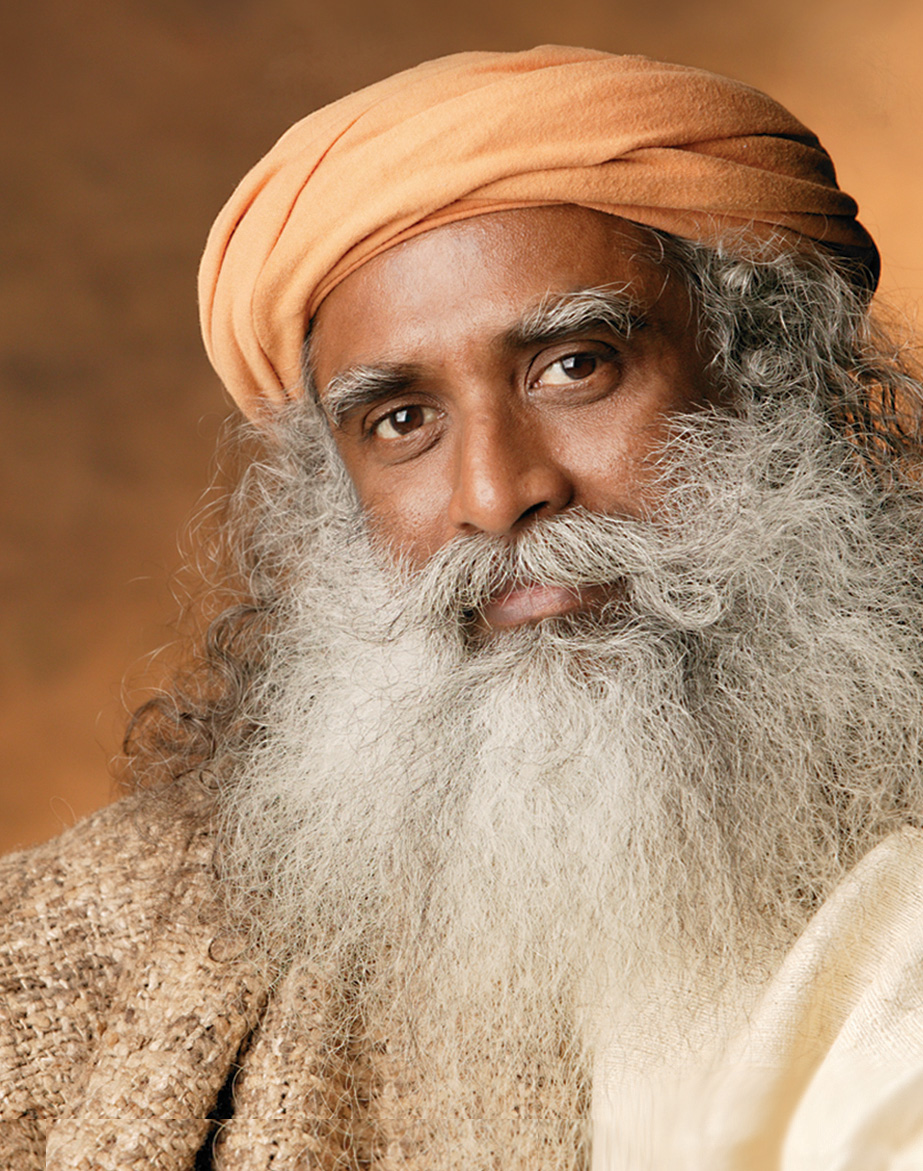
Sadhguru
Sadhguru
Aug 24, 2024
7 Min. Lesezeit

Von Sadhguru

Most people chase external stimuli—relationships, possessions, achievements—to feel joy, peace, and love, making them psychological slaves to circumstances. Meditation is a practical technology to become your own source of wellbeing, eliminating the constant need to manipulate the outside world for internal happiness. Rather than waiting for life conditions to align perfectly, meditation trains your nervous system and mind to generate these states independently, creating genuine freedom.

Lesen · 8 Abschnitte

Why Dependence on External Stimuli Creates Psychological Slavery

The fundamental condition of being a "slave" is not about literal chains but about psychological dependence. When your happiness depends on others' behavior, your peace depends on favorable circumstances, and your sense of love depends on external validation, you are locked into a system of control. Every change in the external world becomes a threat to your internal state. Someone says something hurtful and your peace shatters. A plan falls through and your joy dissolves. A person leaves and your sense of love evaporates.

This creates a perpetual state of anxiety and seeking. Your mind is always negotiating with the world, trying to rearrange circumstances so that you feel good. You become reactive rather than proactive—your internal state is always a response to external conditions rather than a source in itself. This is the essence of slavery: your freedom has been outsourced to a world you cannot fully control.

What Does It Mean to Be a Source of Your Own Wellbeing?

Being a source of your own wellbeing means cultivating the capacity to generate joy, peace, and love from within, independent of external circumstances. This is not about becoming a stoic who doesn't care about the world, but about establishing an internal baseline of wellbeing that doesn't fluctuate with every external change.

When you are your own source, external events can still affect you, but they don't destabilize your fundamental sense of okayness. You can experience sadness without being destroyed by it. You can face challenges without being paralyzed by fear. You can interact with others from a place of fullness rather than neediness. This creates genuine freedom because your survival—your psychological survival—no longer depends on keeping everyone happy or keeping all circumstances aligned.

How Meditation Functions as a Technology for Internal Independence

Meditation is not a belief system or a spiritual luxury; it is a practical technology for reorganizing how your mind and body generate wellbeing. Unlike waiting for the external world to cooperate with your needs, meditation is a direct intervention in your neurobiology and consciousness.

When you meditate, several things happen. First, you begin to observe the mechanics of your own mind—how thoughts arise, how emotions are generated, how the body responds to mental states. This observation itself begins to create distance between you and your automatic reactions. Instead of being completely identified with every passing thought or emotion, you recognize them as objects of awareness.

Second, meditation trains your nervous system to settle. Most people live in a state of low-level agitation because they are constantly trying to control the external world. The body remains alert, ready to respond to threats or opportunities. Meditation teaches the nervous system that safety and peace are possible here, now, without needing to change anything. This is not intellectual knowledge but embodied learning that rewires your baseline state.

Third, meditation creates a direct experiential connection to dimensions of consciousness that are not dependent on thought or sensation. In deep meditation, people experience states of peace, joy, or love that have no external cause and no thought content. These experiences demonstrate that these qualities are intrinsic to consciousness itself, not manufactured by external circumstances.

The Seven-Step Framework for Transformation

While the specific details of the seven steps require engagement with the full program, the general trajectory is from recognizing enslaving patterns, to understanding the mechanisms of dependency, to practicing concrete techniques for building internal autonomy, to experiencing the possibility of independent wellbeing, to stabilizing that experience in daily life.

Each step is designed to progressively dismantle the belief that you need the external world to feel okay. This is not done through willpower or affirmation, but through direct practice and experience. You don't have to believe that meditation works—you practice it and discover how your mind and body respond.

The Difference Between Happiness Dependent on Conditions and Joy Independent of Conditions

Happiness based on external circumstances is inherently unstable. When circumstances change—and they always do—happiness disappears. This creates a treadmill where you must constantly acquire, achieve, or maintain certain conditions just to feel okay. The goalpost always moves: once you get this thing, you need the next thing. Once this relationship works, you worry about losing it.

Joy independent of conditions is stable because it is not caused by circumstances; it emerges from how you are organized internally. This does not mean you don't enjoy favorable circumstances. Rather, favorable circumstances are experienced as enhancements to a baseline of okayness that is already present. And when circumstances become difficult, that baseline remains intact.

Similarly, peace that depends on things being a certain way is always fragile. But peace that is independent of circumstances—what meditation cultivates—remains even when the world is chaotic. Love that depends on another person's behavior is transactional and conditional. But love that is independent of the other person, where you access a capacity within yourself, becomes unconditional and liberated from manipulation.

Breaking the Pattern of Perpetual Seeking

Most people's lives are organized around seeking: seeking happiness through achievement, seeking security through accumulation, seeking significance through recognition. This seeking is noble in its way—humans naturally want to flourish. But when seeking becomes the entire organizing principle of life, it creates exhaustion and never delivers lasting fulfillment.

Meditation interrupts this pattern by showing you that the state you are seeking—peace, joy, love—is not in the future. It is not something you will eventually achieve when all conditions align. It is available now, through a shift in how you are organized internally. This doesn't mean you stop engaging with the world productively. Rather, you engage with goals and relationships from a place of internal fullness rather than internal emptiness.

The Role of Consistency and Direct Experience

Understanding these ideas intellectually is not sufficient. The transformation requires consistent practice and direct experience. When you meditate regularly, your nervous system gradually recalibrates. Your mind becomes more stable. Your capacity to generate internal wellbeing strengthens. Over time, you notice that you are less reactive to others' moods, less devastated by setbacks, less dependent on external validation.

This is not a matter of becoming cold or detached. Rather, it is about establishing such a strong internal foundation that you can engage with life generously, creatively, and authentically—without needing the external world to validate your worth or supply your wellbeing.

Where to Go From Here

The invitation is to move from intellectual understanding to direct practice. Meditation is not complex, but it does require consistency. Begin a daily practice, even 10-15 minutes, and observe what happens over weeks and months. Notice how your reactivity changes, how your baseline mood shifts, how your dependence on external validation gradually loosens. The freedom described here is not theoretical—it is available through your own direct experience. The question is not whether these principles are true, but whether you are willing to practice and discover it for yourself.

Kommentare

Gespräch wird geladen…

Der Künstler in dieser Geschichte

Sadhguru

Sadhguru

Teacher

A modern mystic and spiritual leader who founded the Isha Foundation, blending ancient yogic wisdom with contemporary life to foster inner transformation and environmental sustainability globally.

Profil ansehen
Themen erkunden
Meditation practiceInternal freedomPsychological independenceWellbeing sourceConsciousness
Häufig gestellte Fragen

Häufig gestellte Fragen

Meditation trains your nervous system and mind to generate peace, joy, and love independently of what is happening around you. Through consistent practice, you develop an internal baseline of wellbeing that remains stable even when circumstances change, rather than depending on external conditions to feel okay.

Happiness based on circumstances is unstable—when conditions change, happiness disappears and you're forced to constantly chase new external achievements. Internal wellbeing is stable because it emerges from how you are organized internally, making favorable circumstances enhancements rather than necessities for peace.

When your peace depends on others' behavior, your joy depends on circumstances, and your love depends on external validation, you become controlled by a world you cannot fully manipulate. This creates constant anxiety and seeking, making your freedom dependent on constantly rearranging the external world.

Yes. Meditation interrupts the pattern of emotional reactivity by teaching your nervous system to generate peace and stability internally. Over time, consistent practice reduces dependence on external validation or positive circumstances to feel okay, which directly reduces anxiety born from needing to control the external world.

Changes begin relatively quickly with consistent daily practice—within weeks you may notice reduced reactivity and greater emotional stability. However, establishing a stable internal baseline of wellbeing typically requires months of ongoing practice as your nervous system and mind gradually recalibrate.

No. It means engaging with goals and relationships from a place of internal fullness rather than internal emptiness. You remain productive and connected, but you no longer need external achievements or other people to validate your worth or supply your fundamental sense of okayness.

Begin a consistent daily meditation practice, even 10-15 minutes, and observe what happens over time. Direct experience through practice is more valuable than intellectual understanding; as you meditate regularly, your nervous system will gradually shift and you will discover the stability of internal wellbeing firsthand.

Das könnte dir auch gefallen

Alle anzeigen
Mind as Vehicle: Are You Driving Consciously?
Inspire

Mind as Vehicle: Are You Driving Consciously?

Explore how the mind functions like a vehicle requiring skilled operation. Learn why unconscious mental habits create suffering and how awar…

9 min read
Sleep Hours and Spiritual Practice: What Yogis Actually Need
Inspire

Sleep Hours and Spiritual Practice: What Yogis Actually Need

Sadhguru reveals his personal sleep patterns and explains why the typical 8-hour prescription doesn't apply to those with disciplined yogic …

8 min read
Kirtan as Sacred Thirst: A Closing Ceremony with Krishna Das
Inspire

Kirtan as Sacred Thirst: A Closing Ceremony with Krishna Das

Krishna Das closes NYC's annual kirtan weekend with a final ceremony of devotional chanting, blending musical innovation with timeless Hindu…

6 min read
Direct Recognition of Pure Being Beyond Mind
Inspire

Direct Recognition of Pure Being Beyond Mind

A guide to recognizing the unchanging witness beneath thought. This satsang shows how to find the stability that observes all mental activit…

9 min read
AlleDas könnte dir auch gefallen→

Setze deinen Weg fort

Mehr Weisheit und Zusammenkünfte aus dem BrightStar-Verzeichnis.

Mehr Artikel

Durchstöbere die ganze Bibliothek an Lehren, Interviews und Leitfäden.

Zu allen Artikeln →

Lehrer & Künstler

Entdecke die Linien, Musiker und Wegbegleiter der bewussten Welt.

Künstler erkunden →

Event finden

Kirtan, Retreats, Klangbäder, Atemarbeit, Festivals — bald in deiner Nähe.

Events ansehen →