BrightStar
BlogMeine Tickets
BlogMeine Tickets
Saved events
Hilfe & KontaktRegistrierenAnmelden
Events
  • Alle Events durchsuchen
  • Yoga
  • Meditation
  • Breathwork
  • Qigong
  • Heilige Musik
  • Weltmusik
  • Medicine Music
  • Klangheilung
  • Ecstatic Dance
  • Zeremonie
  • Pflanzenmedizin
  • Energieheilung
  • Satsang & Weisheit
  • Tantra
  • Retreats
  • Alle Kategorien →
Reiseziele
  • Bali
  • Sedona
  • Los Angeles
  • Costa Rica
  • Tulum
  • Byron Bay
  • San Francisco
  • Austin
  • New York
  • San Diego
  • Denver
  • Seattle
  • Portland
  • Miami
  • London
  • Maui
  • Boulder
  • Alle Städte →
Plattform
  • Für Veranstalter
  • Werde Teil der Bewegung
  • Sell Globally
  • Für Kreative
  • Für Teams
  • Für Autoren
  • Für Lehrer
  • Für Kirtan-Künstler
  • Für Studios
  • Für Festivals
  • Für Retreat-Zentren
  • Für gemeinnützige Organisationen
  • Markenbotschafter
  • Kostenloses Ticketing
  • Pro
  • Amplify
  • Das Ökosystem
Funktionen

Ticketverkauf und Checkout

  • Ticket categories
  • Assigned seating
  • Custom questions
  • Coupon codes
  • Smart pricing
  • Ticket sharing
  • Waitlist
  • Flexible refunds
  • Digital waivers
  • Tip jar
  • Donations and sliding scale
  • Embed widget
  • Mindful checkout
  • Recurring events
  • Private sessions
  • Online courses
  • Summits
  • Rooms and stays
  • Ticket scanner

Marketing und Wachstum

  • Abandoned cart recovery
  • Visitor recovery
  • Upsells and add-ons
  • Affiliate engine
  • Upsell affiliate network
  • Brand ambassador
  • Meta retargeting
  • Verified buyer network
  • Outbound email marketing
  • Email sequences
  • SMS and WhatsApp
  • Event upsell network
  • Direct mail campaigns
  • SEO engine
  • Syndication
  • Event sharing
  • Custom event pages
  • Artist profiles
  • Link in bio
  • Event blog
  • Blog newsletter

Zahlungen

  • Payments, powered by Stripe
  • Buy now, pay later
  • Apple Wallet
  • Multi currency

Daten und Betrieb

  • Team access
  • Message center
  • Reports
  • Analytics reporting
  • Performance reporting
  • Customer data
  • Integrations
  • Switch from another platform

KI

  • Assistant
  • AI FAQ assistant
  • Alle Funktionen →
Unternehmen
  • Über uns
  • Häufige Fragen
  • Kontakt
  • Blog
  • Glossar
  • Guides
  • Inspiration
  • Hilfe-Center
  • API-Dokumentation
  • Marken-Assets
  • Presse
  • Nutzungsbedingungen
  • Datenschutzrichtlinie

Events

  • Alle Events durchsuchen
  • Yoga
  • Meditation
  • Breathwork
  • Qigong
  • Heilige Musik
  • Weltmusik
  • Medicine Music

Reiseziele

  • Bali
  • Sedona
  • Los Angeles
  • Costa Rica
  • Tulum
  • Byron Bay
  • San Francisco
  • Austin

Plattform

  • Für Veranstalter
  • Werde Teil der Bewegung
  • Sell Globally
  • Für Kreative
  • Für Teams
  • Für Autoren
  • Für Lehrer
  • Für Kirtan-Künstler

Funktionen

  • Community-Netzwerk
  • Warenkorbabbruch-Wiederherstellung
  • Ticket-Kategorien
  • Wiederkehrende Veranstaltungen
  • Sitzplatzreservierung
  • Affiliate-System
  • Warteliste / Benachrichtigen
  • Alle Funktionen →

Unternehmen

  • Über uns
  • Häufige Fragen
  • Kontakt
  • Blog
  • Glossar
  • Guides
  • Nutzungsbedingungen
  • Datenschutzrichtlinie
Mehr lesen

Events

  • Klangheilung
  • Ecstatic Dance
  • Zeremonie
  • Pflanzenmedizin
  • Energieheilung
  • Satsang & Weisheit
  • Tantra
  • Retreats
  • Alle Kategorien →

Reiseziele

  • New York
  • San Diego
  • Denver
  • Seattle
  • Portland
  • Miami
  • London
  • Maui
  • Boulder
  • Alle Städte →

Plattform

  • Für Studios
  • Für Festivals
  • Für Retreat-Zentren
  • Für gemeinnützige Organisationen
  • Markenbotschafter
  • Kostenloses Ticketing
  • Pro
  • Amplify
  • Das Ökosystem

Unternehmen

  • Inspiration
  • Hilfe-Center
  • API-Dokumentation
  • Marken-Assets
  • Presse

Ticketverkauf und Checkout

  • Ticket categories
  • Assigned seating
  • Custom questions
  • Coupon codes
  • Smart pricing
  • Ticket sharing
  • Waitlist
  • Flexible refunds
  • Digital waivers
  • Tip jar
  • Donations and sliding scale
  • Embed widget
  • Mindful checkout
  • Recurring events
  • Private sessions
  • Online courses
  • Summits
  • Rooms and stays
  • Ticket scanner

Marketing und Wachstum

  • Abandoned cart recovery
  • Visitor recovery
  • Upsells and add-ons
  • Affiliate engine
  • Upsell affiliate network
  • Brand ambassador
  • Meta retargeting
  • Verified buyer network
  • Outbound email marketing
  • Email sequences
  • SMS and WhatsApp
  • Event upsell network
  • Direct mail campaigns
  • SEO engine
  • Syndication
  • Event sharing
  • Custom event pages
  • Artist profiles
  • Link in bio
  • Event blog
  • Blog newsletter

Zahlungen

  • Payments, powered by Stripe
  • Buy now, pay later
  • Apple Wallet
  • Multi currency

Daten und Betrieb

  • Team access
  • Message center
  • Reports
  • Analytics reporting
  • Performance reporting
  • Customer data
  • Integrations
  • Switch from another platform

KI

  • Assistant
  • AI FAQ assistant
Hol dir die App
Laden imApp StoreJetzt beiGoogle Play
© 2026 BrightStar. Alle Rechte vorbehalten. BrightStar Selection · Bildnachweise · Änderungsprotokoll ·
Inspiration

Down on My Knees: Prayer for Freedom Through Devotion

Jai Uttal
Jai Uttal
Dec 20, 2010
5 Min. Lesezeit

Von Jai Uttal

"Down on My Knees" is Jai Uttal's devotional song that uses poetic metaphor and sacred chanting to articulate spiritual longing for freedom. The piece explores the separation between soul and mind, the paradox of freedom through surrender, and the redemptive power of devotional practice. Through vivid imagery—a train carrying the soul and mind in different directions, swans in a lake of blood—Uttal creates a multidimensional meditation on the search for liberation, anchored in the mantra Om Namah Shivaya.

Lesen · 7 Abschnitte

What does devotional surrender mean in spiritual practice?

In "Down on My Knees," Uttal performs a radical act of spiritual vulnerability—literally kneeling and begging for freedom. This posture is not weakness but a foundational practice in many contemplative traditions. By positioning the body and heart in surrender, the devotional practitioner acknowledges both the enormity of the search and the limitation of ego-driven effort. Uttal repeats the phrase "down on my knees crying for freedom" not as repetitive pleading but as a mantra that transforms complaint into prayer. The act of kneeling becomes itself a form of freedom—a liberation from the pretense of control or self-sufficiency.

How does the soul-mind division shape the song's central metaphor?

One of the most striking images in the song is the train that "left the station with two lights on behind"—the blue soul and the red mind traveling in the same direction but as distinct energies. This metaphor points to a central spiritual paradox: the mind and soul do not always align. The mind, conditioned by experience, memory, and fear, may pull toward one destination while the soul yearns for another. Uttal does not present this split as pathological but as something requiring acknowledgment and integration. The song's power lies in naming this division directly, making visible a condition many seekers experience but rarely voice. The soul and mind are on the same train, sharing the journey, yet the colors suggest they carry different frequencies of light.

What role does the Om Namah Shivaya mantra play?

The repeated chanting of "Om Namah Shivaya"—often translated as "I bow to Shiva" or "divine consciousness dwells within me"—provides the song with its anchor and resolution. This mantra appears at the end of each verse, not as an afterthought but as the culmination of the cry for freedom. In Hindu and yogic traditions, this mantra is understood to invoke transcendence and the dissolution of ego boundaries. By placing it after the most raw expressions of need and longing, Uttal suggests that the answer to the search for freedom is already present within the invocation itself. The mantra becomes the threshold: one does not merely ask for freedom while remaining unchanged, but rather calls upon the divine principle that is inseparable from one's own nature. The repetition shifts the emotional register from despair toward acceptance and union.

What spiritual meaning underlies the natural imagery?

Uttal employs surreal, even troubling imagery to convey the complexity of the human condition. A "lake of blood" on which "a pair of swans endlessly make love" creates cognitive dissonance—beauty and suffering coexist. This is not abstract darkness but a lived reality: suffering permeates the world (the lake of blood), yet love and creation (the swans) persist within it. The image suggests that freedom and fulfillment are not the absence of pain but rather the capacity to continue loving, creating, and connecting even while embedded in sorrow. The line "heaven's looking on" adds witness—the sacred sees this paradox and does not turn away. This mirrors a core teaching across many traditions: enlightenment or spiritual freedom does not mean escaping the world's pain but developing a different relationship to it.

How does the opening image set the spiritual tone?

"Time has reversed the acts of the play / The land talks in verse but I don't know what it's trying to say" suggests a condition of confusion and disorientation. The speaker is embedded in a performance—existence itself—but has lost the ability to interpret the script. The land, the earth itself, communicates in "verse," suggesting poetry and indirect meaning, yet comprehension eludes the narrator. This opening establishes the emotional and spiritual crisis from which the song emerges: a state of profound not-knowing paired with the urgency to understand. Rather than beginning with answers, Uttal begins with honest uncertainty. Only from this place of genuine confusion does the plea for freedom arise as something more than intellectual desire—it becomes existential necessity.

What is the relationship between crying and freedom in the song?

The song does not separate tears from liberation. To cry "for freedom" is not to weep about its absence but to actively summon it through emotion and voice. In devotional practice, tears are sacred—they dissolve the boundary between interior feeling and external expression. When Uttal sings "down on my knees crying for freedom," he is not passively lamenting but actively engaging in a practice. The crying becomes prayer; the prayer becomes mantra; the mantra becomes a direct channel to the divine principle invoked through Om Namah Shivaya. This represents a shift in understanding freedom itself: it is not something to acquire through effort alone but something to recognize and invoke through authentic emotional and spiritual presence.

Where to go from here

Listen to the full song and sit with the images Uttal presents—the train, the lake, the swans, the reversed time. Consider where in your own life you experience the separation between soul and mind, between what you know intellectually and what you yearn for spiritually. Explore the mantra Om Namah Shivaya through practice: chanting it aloud, silently, or in meditation, noticing how the invocation shifts your internal state. Research the iconography of Shiva in Hindu tradition to deepen your relationship with what the mantra calls upon. Finally, notice the moments in your own life when surrender and vulnerability have opened doors that effort and control could not. This is the territory the song invites you to explore.

Kommentare

Gespräch wird geladen…

Der Künstler in dieser Geschichte

Jai Uttal

Jai Uttal

Kirtan Artist

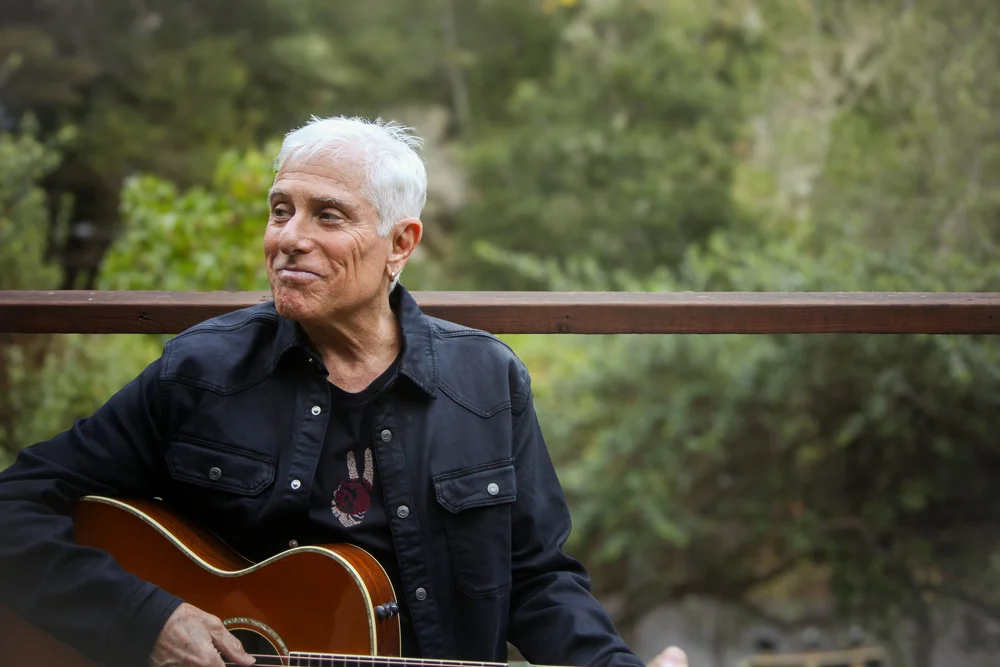
Grammy-nominated kirtan artist who pioneered the fusion of Indian devotional chanting with Western rock, jazz, and reggae. A disciple of Neem Karoli Baba, he has led kirtan worldwide for nearly five decades.

Profil ansehen
Themen erkunden
Devotional musicMantra chantingSpiritual surrenderKirtanOm namah shivaya
Häufig gestellte Fragen

Häufig gestellte Fragen

Om Namah Shivaya translates to "I bow to Shiva" or "divine consciousness dwells within me." In the song, it serves as the spiritual answer to the cry for freedom, anchoring the plea in an invocation of the divine principle already present within the seeker. The mantra appears after each verse of longing, suggesting that freedom is accessed through recognition and reverence rather than through effort alone.

The train carrying the blue soul and red mind represents the separation between one's spiritual essence and conditioned consciousness. Both travel in the same direction yet carry different frequencies—pointing to the common human experience where the soul yearns for one thing while the mind, shaped by fear and habit, pulls toward another. The song acknowledges this split as a central spiritual reality requiring integration.

In devotional practice, crying is an active form of prayer and communion with the sacred. When Uttal sings "down on my knees crying for freedom," the tears are not passive lamentation but an authentic expression that dissolves the boundary between interior feeling and spiritual invocation, transforming emotion into a direct channel to the divine.

The swans making love in a lake of blood represent the paradox of human existence: beauty, love, and creation persist within a world pervaded by suffering. The image suggests that spiritual freedom does not mean escaping pain but developing the capacity to love, create, and connect even while embedded in sorrow, with "heaven looking on" as witness to this profound coexistence.

The opening lines about reversed time and incomprehensible land establish the spiritual crisis from which the song emerges—a state of profound not-knowing. Beginning with honest confusion rather than answers makes the plea for freedom an existential necessity rather than an intellectual desire, and creates the emotional ground from which authentic devotion can arise.

In the song, kneeling and begging represent a paradoxical freedom—liberation from the pretense of control or self-sufficiency through radical honesty and vulnerability. Surrender is not weakness but the doorway to recognizing the divine presence already within, as affirmed by the mantra Om Namah Shivaya that resolves each verse of longing.

Das könnte dir auch gefallen

Alle anzeigen
Where Souls Meet: Shiva, Self-Concept, and Sacred Chanting
Inspire

Where Souls Meet: Shiva, Self-Concept, and Sacred Chanting

Ram Dass explores how devotional chanting transforms ego-based identity into soul awareness, merging with the Divine through bhakti practice…

8 min read
Hanuman Chalisa for World Peace: Ancient Chant for Modern Times
Inspire

Hanuman Chalisa for World Peace: Ancient Chant for Modern Times

Jai Uttal leads a devotional rendering of the Hanuman Chalisa, a 40-verse Sanskrit hymn invoking strength, clarity, and peace through kirtan…

9 min read
Kirtan as Mourning: Grief and Presence in Devotional Practice
Inspire

Kirtan as Mourning: Grief and Presence in Devotional Practice

A live kirtan honoring Shyam Das explores how chanting the Maha Mantra holds both longing and presence—the dual nature of bhakti when rememb…

8 min read
Zâhid Bizi Ta'n Eyleme: 400 Years of Turkish Devotion Reborn
Inspire

Zâhid Bizi Ta'n Eyleme: 400 Years of Turkish Devotion Reborn

Sami Yusuf performs a 16th-century Turkish spiritual masterpiece with a 50-piece ensemble, honoring four centuries of tradition while forgin…

6 min read
AlleDas könnte dir auch gefallen→

Setze deinen Weg fort

Mehr Weisheit und Zusammenkünfte aus dem BrightStar-Verzeichnis.

Mehr Artikel

Durchstöbere die ganze Bibliothek an Lehren, Interviews und Leitfäden.

Zu allen Artikeln →

Lehrer & Künstler

Entdecke die Linien, Musiker und Wegbegleiter der bewussten Welt.

Künstler erkunden →

Event finden

Kirtan, Retreats, Klangbäder, Atemarbeit, Festivals — bald in deiner Nähe.

Events ansehen →