BrightStar
BlogMeine Tickets
BlogMeine Tickets
Saved events
Hilfe & KontaktRegistrierenAnmelden
Events
  • Alle Events durchsuchen
  • Yoga
  • Meditation
  • Breathwork
  • Qigong
  • Heilige Musik
  • Weltmusik
  • Medicine Music
  • Klangheilung
  • Ecstatic Dance
  • Zeremonie
  • Pflanzenmedizin
  • Energieheilung
  • Satsang & Weisheit
  • Tantra
  • Retreats
  • Alle Kategorien →
Reiseziele
  • Bali
  • Sedona
  • Los Angeles
  • Costa Rica
  • Tulum
  • Byron Bay
  • San Francisco
  • Austin
  • New York
  • San Diego
  • Denver
  • Seattle
  • Portland
  • Miami
  • London
  • Maui
  • Boulder
  • Alle Städte →
Plattform
  • Für Veranstalter
  • Werde Teil der Bewegung
  • Sell Globally
  • Für Kreative
  • Für Teams
  • Für Autoren
  • Für Lehrer
  • Für Kirtan-Künstler
  • Für Studios
  • Für Festivals
  • Für Retreat-Zentren
  • Für gemeinnützige Organisationen
  • Markenbotschafter
  • Kostenloses Ticketing
  • Pro
  • Amplify
  • Das Ökosystem
Funktionen

Ticketverkauf und Checkout

  • Ticket categories
  • Assigned seating
  • Custom questions
  • Coupon codes
  • Smart pricing
  • Ticket sharing
  • Waitlist
  • Flexible refunds
  • Digital waivers
  • Tip jar
  • Donations and sliding scale
  • Embed widget
  • Mindful checkout
  • Recurring events
  • Private sessions
  • Online courses
  • Summits
  • Rooms and stays
  • Ticket scanner

Marketing und Wachstum

  • Abandoned cart recovery
  • Visitor recovery
  • Upsells and add-ons
  • Affiliate engine
  • Upsell affiliate network
  • Brand ambassador
  • Meta retargeting
  • Verified buyer network
  • Outbound email marketing
  • Email sequences
  • SMS and WhatsApp
  • Event upsell network
  • Direct mail campaigns
  • SEO engine
  • Syndication
  • Event sharing
  • Custom event pages
  • Artist profiles
  • Link in bio
  • Event blog
  • Blog newsletter

Zahlungen

  • Payments, powered by Stripe
  • Buy now, pay later
  • Apple Wallet
  • Multi currency

Daten und Betrieb

  • Team access
  • Message center
  • Reports
  • Analytics reporting
  • Performance reporting
  • Customer data
  • Integrations
  • Switch from another platform

KI

  • Assistant
  • AI FAQ assistant
  • Alle Funktionen →
Unternehmen
  • Über uns
  • Häufige Fragen
  • Kontakt
  • Blog
  • Glossar
  • Guides
  • Inspiration
  • Hilfe-Center
  • API-Dokumentation
  • Marken-Assets
  • Presse
  • Nutzungsbedingungen
  • Datenschutzrichtlinie

Events

  • Alle Events durchsuchen
  • Yoga
  • Meditation
  • Breathwork
  • Qigong
  • Heilige Musik
  • Weltmusik
  • Medicine Music

Reiseziele

  • Bali
  • Sedona
  • Los Angeles
  • Costa Rica
  • Tulum
  • Byron Bay
  • San Francisco
  • Austin

Plattform

  • Für Veranstalter
  • Werde Teil der Bewegung
  • Sell Globally
  • Für Kreative
  • Für Teams
  • Für Autoren
  • Für Lehrer
  • Für Kirtan-Künstler

Funktionen

  • Community-Netzwerk
  • Warenkorbabbruch-Wiederherstellung
  • Ticket-Kategorien
  • Wiederkehrende Veranstaltungen
  • Sitzplatzreservierung
  • Affiliate-System
  • Warteliste / Benachrichtigen
  • Alle Funktionen →

Unternehmen

  • Über uns
  • Häufige Fragen
  • Kontakt
  • Blog
  • Glossar
  • Guides
  • Nutzungsbedingungen
  • Datenschutzrichtlinie
Mehr lesen

Events

  • Klangheilung
  • Ecstatic Dance
  • Zeremonie
  • Pflanzenmedizin
  • Energieheilung
  • Satsang & Weisheit
  • Tantra
  • Retreats
  • Alle Kategorien →

Reiseziele

  • New York
  • San Diego
  • Denver
  • Seattle
  • Portland
  • Miami
  • London
  • Maui
  • Boulder
  • Alle Städte →

Plattform

  • Für Studios
  • Für Festivals
  • Für Retreat-Zentren
  • Für gemeinnützige Organisationen
  • Markenbotschafter
  • Kostenloses Ticketing
  • Pro
  • Amplify
  • Das Ökosystem

Unternehmen

  • Inspiration
  • Hilfe-Center
  • API-Dokumentation
  • Marken-Assets
  • Presse

Ticketverkauf und Checkout

  • Ticket categories
  • Assigned seating
  • Custom questions
  • Coupon codes
  • Smart pricing
  • Ticket sharing
  • Waitlist
  • Flexible refunds
  • Digital waivers
  • Tip jar
  • Donations and sliding scale
  • Embed widget
  • Mindful checkout
  • Recurring events
  • Private sessions
  • Online courses
  • Summits
  • Rooms and stays
  • Ticket scanner

Marketing und Wachstum

  • Abandoned cart recovery
  • Visitor recovery
  • Upsells and add-ons
  • Affiliate engine
  • Upsell affiliate network
  • Brand ambassador
  • Meta retargeting
  • Verified buyer network
  • Outbound email marketing
  • Email sequences
  • SMS and WhatsApp
  • Event upsell network
  • Direct mail campaigns
  • SEO engine
  • Syndication
  • Event sharing
  • Custom event pages
  • Artist profiles
  • Link in bio
  • Event blog
  • Blog newsletter

Zahlungen

  • Payments, powered by Stripe
  • Buy now, pay later
  • Apple Wallet
  • Multi currency

Daten und Betrieb

  • Team access
  • Message center
  • Reports
  • Analytics reporting
  • Performance reporting
  • Customer data
  • Integrations
  • Switch from another platform

KI

  • Assistant
  • AI FAQ assistant
Hol dir die App
Laden imApp StoreJetzt beiGoogle Play
© 2026 BrightStar. Alle Rechte vorbehalten. BrightStar Selection · Bildnachweise · Änderungsprotokoll ·
Inspiration

Why Humans Keep Suffering: The Victim-Perpetrator Loop

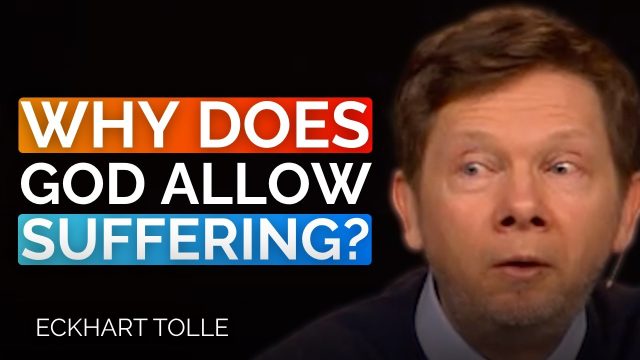
Eckhart Tolle
Eckhart Tolle
Apr 14, 2026
7 Min. Lesezeit

Von Eckhart Tolle

Eckhart Tolle explores why humans persistently suffer by revealing that the victim and perpetrator are not opposing forces but rather two manifestations of the same unconscious, ego-driven mind. Rather than viewing victimhood and perpetration as fundamentally different states, Tolle suggests they are complementary roles within an unconscious system that perpetuates suffering. Breaking this cycle requires recognizing the unconscious patterns that underpin both roles and awakening to presence beyond the ego's narrative.

Lesen · 7 Abschnitte

What Are the Victim and Perpetrator Roles?

In the structure of human consciousness Tolle describes, the victim and perpetrator represent two sides of the same coin—both rooted in unconscious, egoic patterns. The victim identity positions oneself as wronged, powerless, or acted upon by external forces or other people. This role comes with a specific emotional tone: resentment, blame, helplessness, and a sense that one's suffering is caused by circumstances or other people beyond one's control.

The perpetrator, by contrast, appears to be the active agent—the one who causes harm, dominates, or exerts power over others. Yet beneath this surface, both roles serve the same unconscious purpose: they reinforce the ego's sense of separation, justify internal conflict, and maintain the illusion that suffering is inevitable and externally caused.

How Does the Victim-Perpetrator Dynamic Perpetuate Suffering?

The key insight Tolle presents is that neither role is truly separate from the other. When someone identifies as a victim, they unconsciously attract or create situations that reinforce victimhood. This is not about blame—it is about recognizing that the unconscious mind, when trapped in egoic patterns, magnetizes experiences that confirm its existing narrative.

Similarly, the perpetrator role is often adopted by those who have previously identified as victims but have inverted the dynamic. They seek power and control as a reaction to past powerlessness. Both are compensatory mechanisms of an unconscious mind defending itself against the original wound of separation from presence.

This cycle creates what Tolle might describe as a closed loop of suffering:

  • The victim believes they are powerless and blames external circumstances. This belief structure generates suffering while simultaneously absolving the person of responsibility for change.
  • The perpetrator believes they must dominate or control to feel safe. This generates suffering for both the perpetrator (through constant vigilance and tension) and those around them.
  • Neither recognizes the role of their own unconscious mind in creating the situation. Without this recognition, the cycle repeats endlessly, with different people and contexts but the same underlying pattern.

Why Are These Roles Rooted in the Same Unconscious Mind?

Tolle's teaching is grounded in the understanding that the ego—the false sense of self constructed through identification with thoughts, memories, and narratives—operates beneath both roles. The ego, by definition, perceives separation and threat. It creates stories that justify its existence and maintain its control over consciousness.

In the victim role, the ego tells a story: "I am not responsible for my suffering because external forces have harmed me." This story gives the ego a clear enemy and a reason to remain vigilant and reactive.

In the perpetrator role, the ego tells a different story: "I must control others and circumstances to ensure my survival and dominance." This story also provides the ego with enemies (those it must dominate) and a sense of purpose through power.

Both stories are fundamentally unconscious. They are not consciously chosen but rather inherited, conditioned, and automatically activated in response to perceived threats. And both stories are false in the deepest sense—they obscure the reality of what one actually is beneath the ego's narrative.

What Happens When These Roles Interact?

The victim-perpetrator dynamic becomes particularly destructive when two people trapped in these roles encounter each other. A victim may unconsciously attract a perpetrator, confirming their victim narrative. A perpetrator may seek out victims to dominate, confirming their narrative of power through control. The relationship reinforces both parties' unconscious patterns, and each blames the other for the suffering that ensues.

More subtly, the same person may oscillate between these roles over time or even within a single relationship. Someone victimized by a perpetrator may eventually identify with the perpetrator role themselves, becoming the one who dominates or harms others. This role reversal appears to be a break in the cycle, but it is actually a continuation of the same unconscious pattern—merely wearing a different mask.

How Does This Explain Persistent Human Suffering?

Tolle's answer to why humans keep suffering centers on this central point: as long as people remain identified with either the victim or perpetrator role, they are trapped in unconsciousness. Both roles depend on a narrative of separation—the belief that one is fundamentally isolated, at war with the world, and responsible (or not responsible) for one's suffering in a way that justifies ongoing reactivity.

The suffering persists because the unconscious mind is rewarded by these roles. The victim gains sympathy, justification for anger, and an explanation for why change is not possible. The perpetrator gains a sense of power and control. Both gain a sense of identity and purpose, however painful. Unconsciously, the mind prefers the familiar pain of these roles to the unknown territory of awakening to presence.

Furthermore, families, societies, and institutions often reinforce these roles. Cultural narratives celebrate both victimhood (as a source of moral authority) and perpetration (as a source of strength and success). Children grow up learning to inhabit one or both of these roles as normal templates for relating to the world.

How Can One Escape This Cycle?

The path out of the victim-perpetrator cycle, according to Tolle's teaching, is through awakening to presence—to the awareness that exists prior to thought and narrative. This is not about positive thinking or changing one's story to a better version. It is about transcending the need for a story altogether.

The first step is recognition. One must notice when they are operating from the victim or perpetrator narrative. This requires honest self-observation without judgment. Am I blaming others for my suffering? Am I seeking power and control over others? Am I caught in a reactive pattern that confirms my sense of separation?

The second step is to withdraw identification from the narrative. This does not mean denying that harm has occurred or that circumstances are difficult. It means ceasing to build an identity around those facts. The victim role says, "I am someone to whom bad things happen." Presence says, "This is what is happening now—what is my conscious response?"

The third step is to accept what is, without the overlay of victimhood or the need to control. This acceptance is not resignation or passivity. Rather, it is clarity—seeing the situation as it is without the distortion of ego's defensive narratives. From this clarity, genuine change becomes possible.

Where to Go From Here

Understanding the victim-perpetrator dynamic as two faces of the same unconscious mind is a crucial insight for personal and relational healing. It points to the fact that neither blaming others nor trying to assert control over them addresses the root cause of suffering—which is unconsciousness itself, the identification with egoic narrative rather than presence.

To deepen this inquiry, consider exploring Tolle's other teachings on the ego, presence, and the power of now. Notice in your own life where you may identify with either of these roles and what emotional payoff they provide. Observe moments when you naturally step outside these narratives and into a more spacious, present awareness. These moments are glimpses of the consciousness that lies beyond the victim-perpetrator cycle—and that consciousness is available to you now.


Kommentare

Gespräch wird geladen…

Der Künstler in dieser Geschichte

Eckhart Tolle

Eckhart Tolle

Spiritual Teacher

Eckhart Tolle is a spiritual teacher and author whose bestsellers The Power of Now and A New Earth have introduced millions to living in the present moment, and who sees awakened Presence as the essential next step in human evolution.

Profil ansehen
Themen erkunden
SufferingEgo consciousnessVictim mentalityUnconscious patternsPresence awareness
Häufig gestellte Fragen

Häufig gestellte Fragen

Both roles are rooted in the same unconscious, ego-driven mind seeking separation and justification for reactivity. A person identified as a victim unconsciously attracts situations that confirm victimhood, while a perpetrator seeks those they can dominate. Each role reinforces the other's narrative, creating a closed system of mutual suffering.

Yes. The same person often oscillates between these roles over time or even within a single relationship. Someone victimized may later adopt the perpetrator role as a way to regain power, but this is merely a continuation of the same unconscious pattern wearing a different mask.

The victim identity provides sympathy, moral justification for anger and resentment, an explanation for why change is not possible, and a clear sense of identity. The unconscious mind prefers the familiar pain of these roles to the unknown territory of awakening to presence.

It means awakening to presence—awareness that exists prior to thought and narrative. Rather than identifying with the story of being victimized or powerful, one withdraws identification from egoic narratives entirely and responds to what is actually happening with clarity and presence.

No. True acceptance means seeing the situation as it is without the ego's defensive distortion. From this clarity and presence, genuine change becomes possible—not from resistance or the need to control, but from authentic responsiveness.

Families and institutions often teach children these roles as normal templates for relating to the world. Cultural narratives celebrate both victimhood as a source of moral authority and perpetration as strength and success, embedding these patterns into social consciousness.

Das könnte dir auch gefallen

Alle anzeigen
God Beyond the Sky: Rethinking Divine Nature
Inspire

God Beyond the Sky: Rethinking Divine Nature

God is not an external judge deciding human suffering. Suffering itself becomes the mechanism through which consciousness awakens to itself.…

6 min read
God, Suffering, and the One Life Across Traditions
Inspire

God, Suffering, and the One Life Across Traditions

Eckhart Tolle explores how Islam, Buddhism, and Greek philosophy all point to the same ultimate reality—and why the problem of suffering dis…

7 min read
The Lotus Principle: Growing Through Life's Mud
Inspire

The Lotus Principle: Growing Through Life's Mud

The lotus flower teaches us that beauty and transcendence grow not despite hardship, but through it. Snatam Kaur explores an ancient spiritu…

4 min read
Medicine Buddha Practice: Healing Through Specificity and Presence
Inspire

Medicine Buddha Practice: Healing Through Specificity and Presence

A community-led Medicine Buddha practice centers on getting specific with your needs to receive medicine that's truly for you—and how sound,…

7 min read
AlleDas könnte dir auch gefallen→

Setze deinen Weg fort

Mehr Weisheit und Zusammenkünfte aus dem BrightStar-Verzeichnis.

Mehr Artikel

Durchstöbere die ganze Bibliothek an Lehren, Interviews und Leitfäden.

Zu allen Artikeln →

Lehrer & Künstler

Entdecke die Linien, Musiker und Wegbegleiter der bewussten Welt.

Künstler erkunden →

Event finden

Kirtan, Retreats, Klangbäder, Atemarbeit, Festivals — bald in deiner Nähe.

Events ansehen →