BrightStar
BlogMeine Tickets
BlogMeine Tickets
Saved events
Hilfe & KontaktRegistrierenAnmelden
Events
  • Alle Events durchsuchen
  • Für Suchende
  • Yoga
  • Meditation
  • Breathwork
  • Qigong
  • Heilige Musik
  • Weltmusik
  • Medicine Music
  • Klangheilung
  • Ecstatic Dance
  • Zeremonie
  • Pflanzenmedizin
  • Energieheilung
  • Satsang & Weisheit
  • Tantra
  • Retreats
  • Alle Kategorien →
Reiseziele
  • Bali
  • Sedona
  • Los Angeles
  • Costa Rica
  • Tulum
  • Byron Bay
  • San Francisco
  • Austin
  • New York
  • San Diego
  • Seattle
  • Portland
  • Miami
  • London
  • Maui
  • Boulder
  • Oakland
  • Alle Städte →
Plattform
  • Für Veranstalter
  • Werde Teil der Bewegung
  • Sell Globally
  • Für Kreative
  • Für Teams
  • Für Autoren
  • Für Lehrer
  • Für Kirtan-Künstler
  • Für Studios
  • Für Festivals
  • Für Retreat-Zentren
  • Für gemeinnützige Organisationen
  • Markenbotschafter
  • Kostenloses Ticketing
  • Elevate
  • Amplify
  • Das Ökosystem
Funktionen

Ticketverkauf und Checkout

  • Ticket categories
  • Assigned seating
  • Custom questions
  • Coupon codes
  • Smart pricing
  • Ticket sharing
  • Waitlist
  • Flexible refunds
  • Digital waivers
  • Tip jar
  • Donations and sliding scale
  • Embed widget
  • Mindful checkout
  • Recurring events
  • Private sessions
  • Online courses
  • Summits
  • Rooms and stays
  • Ticket scanner

Marketing und Wachstum

  • Abandoned cart recovery
  • Visitor recovery
  • Upsells and add-ons
  • Affiliate engine
  • Upsell affiliate network
  • Brand ambassador
  • Meta retargeting
  • Verified buyer network
  • Outbound email marketing
  • Email sequences
  • SMS and WhatsApp
  • Event upsell network
  • Direct mail campaigns
  • SEO engine
  • Syndication
  • Event sharing
  • Custom event pages
  • Artist profiles
  • Link in bio
  • Event blog
  • Blog newsletter

Zahlungen

  • Payments, powered by Stripe
  • Buy now, pay later
  • Apple Wallet
  • Multi currency

Daten und Betrieb

  • Team access
  • Message center
  • Reports
  • Analytics reporting
  • Performance reporting
  • Customer data
  • Integrations
  • Switch from another platform

KI

  • Assistant
  • AI FAQ assistant
  • Alle Funktionen →
Unternehmen
  • Über uns
  • Häufige Fragen
  • Kontakt
  • Blog
  • Glossar
  • Guides
  • Inspiration
  • Hilfe-Center
  • API-Dokumentation
  • Marken-Assets
  • Presse
  • Nutzungsbedingungen
  • Datenschutzrichtlinie

Events

  • Alle Events durchsuchen
  • Für Suchende
  • Yoga
  • Meditation
  • Breathwork
  • Qigong
  • Heilige Musik
  • Weltmusik

Reiseziele

  • Bali
  • Sedona
  • Los Angeles
  • Costa Rica
  • Tulum
  • Byron Bay
  • San Francisco
  • Austin

Plattform

  • Für Veranstalter
  • Werde Teil der Bewegung
  • Sell Globally
  • Für Kreative
  • Für Teams
  • Für Autoren
  • Für Lehrer
  • Für Kirtan-Künstler

Funktionen

  • Community-Netzwerk
  • Warenkorbabbruch-Wiederherstellung
  • Ticket-Kategorien
  • Wiederkehrende Veranstaltungen
  • Sitzplatzreservierung
  • Affiliate-System
  • Warteliste / Benachrichtigen
  • Alle Funktionen →

Unternehmen

  • Über uns
  • Häufige Fragen
  • Kontakt
  • Blog
  • Glossar
  • Guides
  • Nutzungsbedingungen
  • Datenschutzrichtlinie
Mehr lesen

Events

  • Medicine Music
  • Klangheilung
  • Ecstatic Dance
  • Zeremonie
  • Pflanzenmedizin
  • Energieheilung
  • Satsang & Weisheit
  • Tantra
  • Retreats
  • Alle Kategorien →

Reiseziele

  • New York
  • San Diego
  • Seattle
  • Portland
  • Miami
  • London
  • Maui
  • Boulder
  • Oakland
  • Alle Städte →

Plattform

  • Für Studios
  • Für Festivals
  • Für Retreat-Zentren
  • Für gemeinnützige Organisationen
  • Markenbotschafter
  • Kostenloses Ticketing
  • Elevate
  • Amplify
  • Das Ökosystem

Unternehmen

  • Inspiration
  • Hilfe-Center
  • API-Dokumentation
  • Marken-Assets
  • Presse

Ticketverkauf und Checkout

  • Ticket categories
  • Assigned seating
  • Custom questions
  • Coupon codes
  • Smart pricing
  • Ticket sharing
  • Waitlist
  • Flexible refunds
  • Digital waivers
  • Tip jar
  • Donations and sliding scale
  • Embed widget
  • Mindful checkout
  • Recurring events
  • Private sessions
  • Online courses
  • Summits
  • Rooms and stays
  • Ticket scanner

Marketing und Wachstum

  • Abandoned cart recovery
  • Visitor recovery
  • Upsells and add-ons
  • Affiliate engine
  • Upsell affiliate network
  • Brand ambassador
  • Meta retargeting
  • Verified buyer network
  • Outbound email marketing
  • Email sequences
  • SMS and WhatsApp
  • Event upsell network
  • Direct mail campaigns
  • SEO engine
  • Syndication
  • Event sharing
  • Custom event pages
  • Artist profiles
  • Link in bio
  • Event blog
  • Blog newsletter

Zahlungen

  • Payments, powered by Stripe
  • Buy now, pay later
  • Apple Wallet
  • Multi currency

Daten und Betrieb

  • Team access
  • Message center
  • Reports
  • Analytics reporting
  • Performance reporting
  • Customer data
  • Integrations
  • Switch from another platform

KI

  • Assistant
  • AI FAQ assistant
Hol dir die App
Laden imApp StoreJetzt beiGoogle Play
© 2026 BrightStar. Alle Rechte vorbehalten. Der BrightStar-Guide · Bildnachweise · Änderungsprotokoll ·
Inspiration

Somatic Inquiry: Opening Into Embodied Awareness

SK
Scott Kiloby
Nov 18, 2026
6 Min. Lesezeit

Von Scott Kiloby

Somatic inquiry represents a shift in how we approach healing—not through intellectual analysis alone, but through the intelligence of the body itself. Rather than viewing the body as separate from emotion or thought, somatic inquiry treats sensation, breath, and physical presence as a direct pathway to understanding what moves through us moment to moment. Scott Kiloby's approach to beginning somatic inquiry opens a door to this embodied practice, one that invites practitioners to develop a new relationship with sensation and what it has to tell us.

Lesen · 7 Abschnitte

What Is Somatic Inquiry and Why Does It Matter?

Somatic inquiry is not meditation in the traditional sense, though it shares meditation's commitment to present-moment awareness. Instead, it is an investigation—a way of turning inward with curiosity toward the body's direct experience. Where some spiritual or healing practices ask us to transcend the body or observe it from a distance, somatic inquiry asks us to inhabit it fully. This distinction matters. The body is not an obstacle to healing; it is the site of healing.

The practice recognizes that trauma, emotion, belief, and tension live in the tissues and nervous system, not just in the mind. When we sit quietly and notice what arises—a tightness in the chest, a flutter in the belly, heat in the face—we are gathering information. That sensation is not just a physical symptom; it is communication. Somatic inquiry creates the conditions to listen to it.

How Do You Begin a Somatic Inquiry Practice?

Beginning somatic inquiry requires little more than a willingness to notice. Kiloby's teaching emphasizes that this is accessible to anyone willing to pause and pay attention. The basic movement is simple: bring awareness to the body. Sit comfortably. Close your eyes if that feels right. Begin to notice sensation without judgment—not trying to change it, fix it, or achieve any particular state. The sensation might be subtle or obvious. It might be pleasant, unpleasant, or neutral.

The key is not to rush. Somatic inquiry is a slow art. Rather than scanning the body systematically from head to toe in the manner of a body scan, somatic inquiry invites you to notice what calls your attention. What sensation is alive right now? What wants to be felt and acknowledged? This responsive quality—allowing the body to show you what matters—is central to the practice.

The Role of Sensation as Information

In Western culture, we often treat sensation as something to manage or dismiss. Pain is bad; we medicate it. Anxiety in the belly is uncomfortable; we distract ourselves. Somatic inquiry reverses that habit. Sensation becomes data. A tightness in the throat might indicate unexpressed words. A heaviness in the limbs might reflect emotional weight. Heat in the face might show up when we encounter shame or anger.

This reframing does not make sensation disappear, but it changes the relationship. When you approach sensation with curiosity rather than resistance, the nervous system often begins to settle. The body learns it is safe to be felt, to be known. Over time, practitioners report that sensations that seemed stuck or overwhelming begin to move, to shift, to release their grip.

Invitation to Presence and Self-Compassion

Somatic inquiry also carries an implicit invitation to meet yourself with kindness. This is not self-indulgence; it is radical. Many of us carry years of internal criticism, the constant commentary that what we feel is wrong, too much, not enough, or unacceptable. Somatic inquiry asks you to pause that commentary and instead offer the body something it may have needed for a long time: simple, non-judgmental attention.

This compassionate witness is not separate from the healing. It is the healing. When you place your hand on your heart and notice the sensation there without trying to change it, you are practicing self-compassion. When you breathe into a tight jaw and acknowledge the tension without blame, you are practicing self-compassion. These moments accumulate. They shift nervous system states. They open doors.

Somatic Inquiry and the Nervous System

Much of somatic healing work rests on an understanding of how the nervous system works. Modern neuroscience has confirmed what bodyworkers have long intuited: the nervous system is not confined to the brain. It runs throughout the body. Trauma and unprocessed emotion get stored in the tissues. The vagus nerve, the longest cranial nerve, connects gut to heart to brain, mediating between the sympathetic nervous system (the accelerator) and the parasympathetic nervous system (the brake).

Somatic inquiry helps regulate the nervous system by bringing it into the present moment. When you are aware of your breath, your heartbeat, the ground beneath you, you are signaling to your nervous system that you are safe right now. This is not about forcing relaxation, but about creating conditions where the body can naturally shift from states of threat or overwhelm into states of relative ease and presence.

Starting a Personal Practice

For those drawn to beginning somatic inquiry, there is no need for complicated setup. Find a quiet space if possible, though the practice adapts to whatever environment you inhabit. Sit with an upright spine if you can; it supports natural breathing and alertness. Set aside time—even five or ten minutes is enough to begin. Some practitioners prefer to work with a guide or facilitator, especially if they carry significant trauma, and that choice is wise. Others begin alone with a video or audio recording.

The practice deepens through repetition. Each time you sit and turn attention inward toward sensation, you are training your nervous system to trust the present moment. You are building a relationship with your embodied self. Over weeks and months, many practitioners notice that they become more aware of their body throughout the day, more able to catch themselves in old patterns, more capable of responding rather than reacting to life's challenges.

Where to Go From Here

Somatic inquiry is a foundation, not an endpoint. Many practitioners move from the basics into more specific somatic practices—trauma-informed bodywork, movement practices, breath work, or deeper inquiry with a trained facilitator. Others integrate somatic awareness into existing meditation or spiritual practices, finding that the two complement each other. The invitation is to begin where you are, with simple attention to what you feel, and to trust that the body knows how to heal when given space, time, and compassionate witness.
Kommentare

Gespräch wird geladen…

Scott Kiloby

Künstler:in

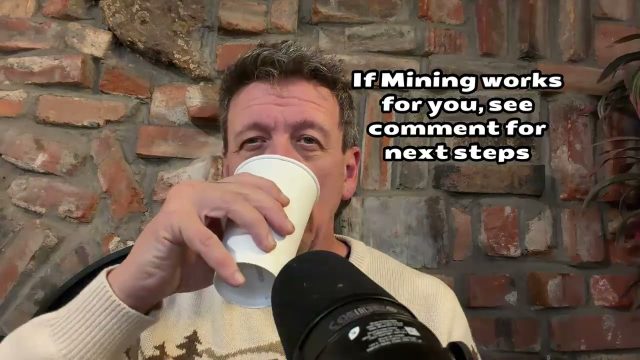
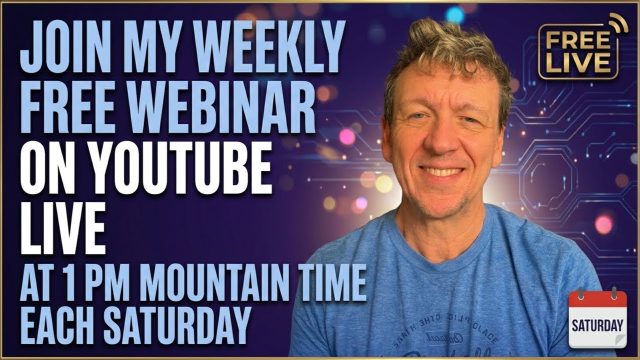
Watch more from Scott Kiloby on YouTube.

Themen erkunden
Somatic healingEmbodied awarenessNervous systemTrauma informedSensation based
Häufig gestellte Fragen

Häufig gestellte Fragen

Somatic inquiry is an active investigation of body sensation and emotion, treating physical sensations as direct information rather than something to observe from a distance. While meditation often emphasizes mental calm or non-attachment, somatic inquiry invites you to inhabit the body fully and listen to what it communicates.

Yes, somatic inquiry helps regulate the nervous system by bringing awareness into the present moment and creating conditions of safety in the body. By developing a compassionate relationship with sensation rather than avoiding it, many practitioners find that anxiety and trauma responses become more manageable over time, though working with a trained facilitator is often recommended for significant trauma.

Some practitioners notice shifts in awareness and nervous system regulation within the first few sessions, while deeper changes typically unfold over weeks and months of consistent practice. The timeline varies depending on individual history and consistency of practice.

No. Somatic inquiry requires only a willingness to pause and notice sensation. A quiet space and an upright posture help, but the practice adapts to any environment. Many people begin on their own, while others prefer to work with a guide.

It is normal for strong sensations or emotions to arise as the nervous system begins to process. Grounding techniques—noticing your feet on the floor, feeling the chair beneath you, or slowing your breath—can help. If overwhelming material surfaces consistently, working with a trained somatic practitioner or trauma-informed therapist is advisable.

Somatic inquiry is a self-directed practice of turning attention toward bodily sensation and sensation-based investigation. Somatic therapy is a professional treatment modality where a trained therapist guides this process and applies specific techniques to address trauma and other conditions. They are related but distinct.

Das könnte dir auch gefallen

Alle anzeigen
What Is Mining in Somatic Inquiry? A KI Entry Point
Inspire

What Is Mining in Somatic Inquiry? A KI Entry Point

Scott Kiloby's short video presents Mining, a somatic inquiry from the KI program, as a try-it-yourself entry point. Here is how to read it …

5 min read
Free Somatic Workshop on Embodiment and Somatic Healing
Inspire

Free Somatic Workshop on Embodiment and Somatic Healing

Scott Kiloby's free somatic workshop, nearly two hours long, centers on somatic healing and embodiment. Here is what those terms mean and wh…

3 min read
Medicine Buddha Practice: Healing Through Darkness and Grace
Inspire

Medicine Buddha Practice: Healing Through Darkness and Grace

Lama Rod Owens guides practitioners into seasonal darkness work and the felt sense of awakened beings through Medicine Buddha practice roote…

7 min read
We Forgot How to Grieve: Reclaiming Embodied Ritual
Inspire

We Forgot How to Grieve: Reclaiming Embodied Ritual

Grief is a feeling stored in the body. When it can't move, it gets stuck—and louder. Across cultures, people have always known this.…

4 min read
AlleDas könnte dir auch gefallen→

Setze deinen Weg fort

Mehr Weisheit und Zusammenkünfte aus dem BrightStar-Verzeichnis.

Mehr Artikel

Durchstöbere die ganze Bibliothek an Lehren, Interviews und Leitfäden.

Zu allen Artikeln →

Lehrer & Künstler

Entdecke die Linien, Musiker und Wegbegleiter der bewussten Welt.

Künstler erkunden →

Event finden

Kirtan, Retreats, Klangbäder, Atemarbeit, Festivals — bald in deiner Nähe.

Events ansehen →