BrightStar

Alle Events durchsuchen

Bewusste Zusammenkünfte entdecken

events

Yoga
Meditation
Breathwork
Qigong
Tai Chi
Sacred Music
World Music
Medicine Music
Sound Healing
Ecstatic Dance
Beliebte Reiseziele
BaliSedonaLos AngelesCosta RicaNew YorkSan FranciscoAustinMiamiJoshua TreeTulum
Alle Kategorien anzeigenAlle Reiseziele anzeigen

Alle Funktionen entdecken

Leistungsstarke Tools für Ihre Veranstaltungen

Plattform-Funktionen

Intelligente dynamische Preisgestaltung
Ticket-Kategorien
Sitzplatzreservierung
Warenkorbabbruch-Wiederherstellung
Besucher-Wiedergewinnung
Spenden & Staffelpreise
Affiliate-System
Ticket-Scanner
Rabattcodes
Individuelle Fragen
Ticket-Teilen
Upsells & Extras
Analysen & Berichte
E-Mail-Sequenzen
Warteliste / Benachrichtigen / Erinnern
Menschen & Orte
Artists & TeachersEvent OrganizersVenues & StudiosKnowledge BaseGlossaryInspiration
Alle Funktionen anzeigenÜber uns
PreiseBlog
Language
Saved events
Alle Veranstaltungen durchsuchen

events

YogaMeditationBreathworkQigongTai ChiSacred MusicWorld MusicMedicine Music

Beliebte Reiseziele

BaliSedonaLos AngelesCosta RicaNew YorkSan Francisco

Menschen & Orte

Artists & TeachersEvent OrganizersVenues & StudiosKnowledge BaseGlossaryInspiration

Plattform-Funktionen

Intelligente dynamische PreisgestaltungTicket-KategorienSitzplatzreservierungWarenkorbabbruch-WiederherstellungBesucher-WiedergewinnungSpenden & StaffelpreiseAffiliate-SystemTicket-ScannerRabattcodesIndividuelle FragenTicket-TeilenUpsells & ExtrasAnalysen & BerichteE-Mail-SequenzenWarteliste / Benachrichtigen / Erinnern
Alle Funktionen anzeigenÜber uns
PreiseBlog
AnmeldenSuchendeKreative
  • Alle Events durchsuchen
  • Für Suchende
  • Yoga
  • Meditation
  • Breathwork
  • Qigong
  • Tai Chi
  • Heilige Musik
  • Weltmusik
  • Medicine Music
  • Klangheilung
  • Ecstatic Dance
  • Retreats
  • Workshops
  • Alle Kategorien →
  • Bali
  • Sedona
  • Los Angeles
  • Costa Rica
  • Tulum
  • Byron Bay
  • San Francisco
  • Austin
  • New York
  • San Diego
  • Denver
  • Seattle
  • Portland
  • Miami
  • Alle Städte →
  • Join the Movement
  • Why we list
  • Sell Globally
  • Für Kreative
  • Für Teams
  • Für Autoren
  • Für Lehrer
  • Für Kirtan-Künstler
  • Für Studios
  • Für Festivals
  • Für Retreat-Zentren
  • Für gemeinnützige Organisationen
  • Markenbotschafter
  • Kostenloses Ticketing
  • Elevate
  • Amplify
  • 500.000+ Käufernetzwerk
  • Warenkorbabbruch-Wiederherstellung
  • Intelligente dynamische Preisgestaltung
  • Ticket-Kategorien
  • Wiederkehrende Veranstaltungen
  • Sitzplatzreservierung
  • Affiliate-System
  • Warteliste / Benachrichtigen
  • Ticket-Scanner
  • Einbettungs-Widget
  • Event-Syndication
  • Nachrichten
  • Integrationen
  • Berichte
  • Alle Funktionen →
  • Über uns
  • Das Ökosystem
  • Blog
  • Glossar
  • Inspiration
  • Hilfe-Center
  • Kontakt
  • API-Dokumentation
  • Marken-Assets
  • Karriere
  • Presse
  • Nutzungsbedingungen
  • Datenschutzrichtlinie

Events

  • Alle Events durchsuchen
  • Für Suchende
  • Yoga
  • Meditation
  • Breathwork
  • Qigong
  • Tai Chi
  • Heilige Musik
  • Weltmusik
  • Medicine Music
  • Klangheilung
  • Ecstatic Dance
  • Retreats
  • Workshops
  • Alle Kategorien →

Reiseziele

  • Bali
  • Sedona
  • Los Angeles
  • Costa Rica
  • Tulum
  • Byron Bay
  • San Francisco
  • Austin
  • New York
  • San Diego
  • Denver
  • Seattle
  • Portland
  • Miami
  • Alle Städte →

Für Kreative

  • Join the Movement
  • Why we list
  • Sell Globally
  • Für Kreative
  • Für Teams
  • Für Autoren
  • Für Lehrer
  • Für Kirtan-Künstler
  • Für Studios
  • Für Festivals
  • Für Retreat-Zentren
  • Für gemeinnützige Organisationen
  • Markenbotschafter
  • Kostenloses Ticketing
  • Elevate
  • Amplify

Funktionen

  • 500.000+ Käufernetzwerk
  • Warenkorbabbruch-Wiederherstellung
  • Intelligente dynamische Preisgestaltung
  • Ticket-Kategorien
  • Wiederkehrende Veranstaltungen
  • Sitzplatzreservierung
  • Affiliate-System
  • Warteliste / Benachrichtigen
  • Ticket-Scanner
  • Einbettungs-Widget
  • Event-Syndication
  • Nachrichten
  • Integrationen
  • Berichte
  • Alle Funktionen →

Unternehmen

  • Über uns
  • Das Ökosystem
  • Blog
  • Glossar
  • Inspiration
  • Hilfe-Center
  • Kontakt
  • API-Dokumentation
  • Marken-Assets
  • Karriere
  • Presse
  • Nutzungsbedingungen
  • Datenschutzrichtlinie
BrightStar
Hol dir die App
Laden imApp StoreJetzt beiGoogle Play
© 2026 BrightStar. Alle Rechte vorbehalten.
Inspiration

How to Practice Yoga Nidra: Setup, Breath and Exit

House of Deeprelax
House of Deeprelax
Apr 8, 2019
6 Min. Lesezeit
Ansehen · 8

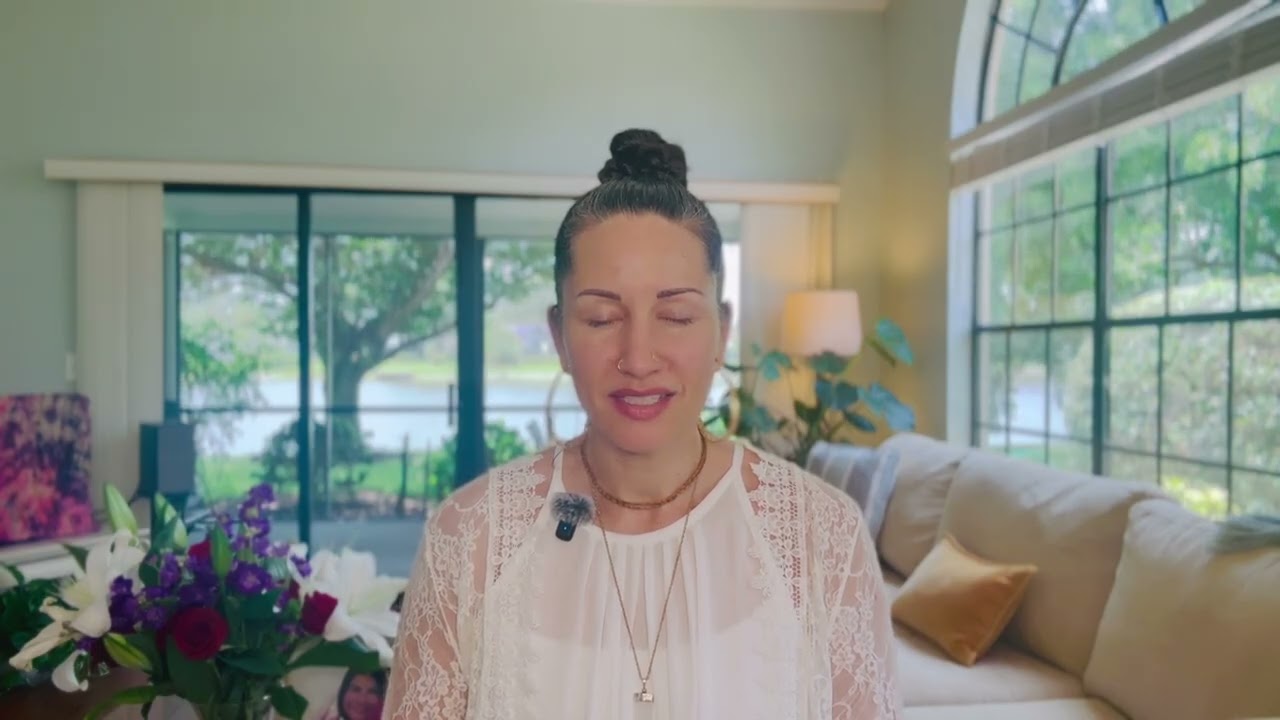
Yoga nidra asks very little of the body and a great deal of attention from the person practicing it. In a two-and-a-half-minute video posted in April 2019 to the House of Deeprelax channel, Eliane Bernhard walks viewers through the physical frame of the practice: how to lie down, where the arms and face should go, how to breathe, and how to come back up. The clip is not a full guided session. It is the scaffolding around one, and the details it chooses are worth slowing down for, because each one is a small decision about comfort, attention, and the way a session begins and ends.

Lesen · 8 Abschnitte

What props do you need to lie down for yoga nidra?

Bernhard opens by setting the room. "We're gonna start with a cushion under your knees and a small pillow to support your head," she says at the start of the clip [0:11]. The knee cushion takes the tension out of the legs so they are not held straight and braced, and the head pillow gives the neck somewhere to rest. The description on the channel frames the whole setup in terms of comfort, saying the video explains the Shavasana position "in detail for you so that you can practice Yoga Nidra in the most comfortable way."

She also offers an eye pillow as optional: "use an eye pillow if you feel comfortable with that" [0:27]. That word, optional, matters. Much of the clip is about removing effort, and a teacher who allows the student to skip a prop is treating comfort as the goal rather than a checklist.

Where should the arms and hands go during the practice?

Before the eyes close, Bernhard settles the arms. The captions read: "make sure your arms are next to your body shoulders together behind your back and thumbs are facing upwards" [0:16]. The auto-generated transcript blurs the exact shoulder cue, so it is worth watching that moment directly. What is clear is the intent: arms alongside the body, thumbs turned up, with no part of the arm pinned or pressed into the floor.

Hand placement is left open. Bernhard says "maybe you prefer to place your hands" somewhere on the body, and then offers the alternative to "just let your arms and hands rest by your side" [1:08]. The choice is not presented as a rule. The practice is built to be adjusted to the person doing it, which is a useful thing to notice if you have been told there is one correct posture.

Why does yoga nidra begin with tension before release?

The most interesting instruction in the clip is the one that sounds backwards. "Most sessions you start with deliberately create tension and then relaxation in all of your muscles" [0:53], Bernhard explains. You tense the muscles on purpose, and then you let them go.

"Most sessions you start with deliberately create tension and then relaxation in all of your muscles."

Eliane Bernhard, "How to Yoga Nidra," House of Deeprelax, April 2019

The logic the clip implies is contrast. A muscle that has been held and then released gives the body a clear, felt sense of what letting go is, which is easier to return to than an abstract instruction to "relax." The clip itself does not go further into why this works, so treat it as the teacher's instruction rather than a full explanation, and notice what the release feels like when you do it.

How should you breathe in yoga nidra?

Breath is the thread that runs through the setup. The instruction is simple: "breathing in deeply through your nose," then "slowly breathe out through your mouth" [0:37 to 0:45]. Bernhard frames the exhale as the moment of release: "feel how you can exhale all stress and worries" [0:45].

There is something quietly practical here. A long, deliberate exhale through the mouth gives the session a physical rhythm to return to whenever attention wanders, which in yoga nidra it will. The clip does not ask you to count, hold, or control the breath. It asks you to notice it and to let the out-breath carry something away.

What does surrender mean in yoga nidra?

The clip's most important instruction is also its most abstract. Bernhard says it is "important to completely surrender to the moment" [1:26], and then the instruction collapses into two words: "just be" [1:37]. The captions around this section are partly garbled, so the exact phrasing is uncertain, but the intent is recognizable. Once the body is set and the breath has settled, there is nothing to do. The practice asks you to stop managing the experience.

For a beginner, this is often the hardest part. Stillness does not automatically arrive because the props are in place. The clip treats surrender as something you keep choosing, not something you achieve once.

How do you come out of a yoga nidra session?

The exit is as deliberate as the entrance, and the clip gives it real space. When the session ends, Bernhard says to "turn onto your right side with your hand on your hand and curl into comfortable position" [1:38]. From there, she asks you to "notice the after effect of the yoga nidra session" and "be grateful" [1:47 to 1:55].

"Take a moment and notice the after effect of the yoga nidra session. Be grateful, and push yourself up with your left hand."

Eliane Bernhard, "How to Yoga Nidra," House of Deeprelax, April 2019

Only then does she bring you up: "take a moment again to enjoy the stillness in your mind and in your heart" [1:57], before closing with "namaste." Rolling to one side and pushing up with the hand is a common way to leave a lying-down practice without jolting the body. The stillness is meant to be carried into the rest of the day, not rushed past.

What does this short video leave out?

It is worth being honest about the clip's limits. At just over two minutes, it does not include a guided narrative, a body scan sequence, timing for each stage, or a full session. The captions are auto-generated and contain errors, which is why several phrases above are flagged as uncertain. Treat the video as a setup and exit guide, a reference for the physical frame, rather than a complete practice.

The channel description points to houseofdeeprelax.com for "content and guided meditation sessions." Those are the places to go if you want the middle of the practice, the part where the guidance does the work.

Where to go from here

Start with the frame the clip describes. Set the knee cushion and head pillow, let the arms rest alongside the body, and spend a few minutes practicing the tense-then-release sequence and the long exhale. Then notice what the stillness at the end feels like, and how you move when you come up. For the full session, follow a guided recording, and let the setup become something you no longer have to think about. The clip makes the case that the body is easiest to rest when nothing in it is asking for attention, and that is a case worth testing for yourself.

Comments

Loading the conversation…

Transcript

[0:01] my name is eliana Bernard and welcome to

[0:05] my youtube channel today I would like to

[0:07] show you how to practice yoga nidra

[0:11] we're gonna start with a cushion under

[0:14] your knees and a small pillow to support

[0:16] your head now make sure your arms are

[0:19] next to your body shoulders together

[0:21] behind your back and thumbs are facing

[0:24] upwards and it's time to close your eyes

[0:27] and use an eye pillow if you feel

[0:29] comfortable with that

[0:31] so now relax your face and become aware

[0:34] of your whole body resting on the floor

[0:37] breathing in deeply through your nose oh

[0:41] and now slowly breathe out through your

[0:45] mouth feel how you can exhale all stress

[0:49] and worries most sessions you start with

[0:53] deliberately create tension and then

[0:55] relaxation in all of your muscles inside

[0:59] inside relax

[1:02] and again I died hole

[1:06] [Music]

[1:08] maybe you prefer to place your hands

[1:11] safe or your body during the practice

[1:14] relax

[1:18] or just let your arms and hands rest by

[1:21] your side during the session it is

[1:26] important to completely surrender to the

[1:29] mom

[1:30] you're gonna need your eyes about just

[1:33] being in the moment just be

[1:37] [Music]

[1:38] when the session is finished turn onto

[1:41] your right side with your hand on your

[1:43] hand and curl into comfortable position

[1:47] take a moment and notice the after

[1:51] effect of the yoga nidra session be

[1:55] grateful

[1:57] and push yourself up with your left hand

[2:00] take a moment again to enjoy to

[2:02] stillness in your mind and in your heart

[2:08] and now that you can easily end to hear

[2:11] again and again namaste

[2:18] you

[2:19] [Music]

House of Deeprelax
ArtistHouse of Deeprelax

House of Deeprelax is a Dutch-language relaxation app offering a daily portion of calm, with Yoga Nidra, breathwork, walking meditations and shaking sessions for people in the Neth…

Profil ansehenWebsite
Themen erkunden
Yoga-nidraShavasanaRelaxation-practiceBreath-awarenessMeditation-setup

Hast du Fragen?

Häufig gestellte Fragen

In this 2019 video, Eliane Bernhard recommends a cushion under the knees and a small pillow under the head, with an eye pillow as an optional extra. The arms rest alongside the body with the thumbs facing upward, and the eyes close before the body is allowed to settle.
The video offers a choice rather than a fixed rule. Bernhard says you may prefer to place your hands on the body during the practice, or simply let the arms and hands rest by your sides.
Bernhard explains that most sessions begin by deliberately creating tension and then relaxation in all of the muscles. The contrast between holding and letting go gives the body a clear felt sense of release, which the video suggests is easier to return to than an instruction to simply relax.
The video instructs you to breathe in deeply through the nose and then slowly breathe out through the mouth. Bernhard frames the exhale as the point to release stress and worries.
Bernhard says to turn onto your right side with your hand under your head and curl into a comfortable position. Notice the after-effects, be grateful, then push yourself up with your left hand and take a moment to enjoy the stillness before getting up.
No. The video runs about two and a half minutes and covers the physical setup, breathing cues, and exit. It does not include a full guided narrative, so the channel's guided meditation sessions are the place to follow the middle of the practice.
In the video, Bernhard says it is important to completely surrender to the moment and to simply be. The captions are partly garbled at this point, but the instruction is to stop managing the experience once the body and breath are settled.

Weiterlesen

More from House

Alle anzeigen
Resetting the Nervous System With a Breath and a Hard No
Inspire

Resetting the Nervous System With a Breath and a Hard No

A live Deeprelax session shows how nervous-system reset works in practice, from a breathing exercise to the harder skill of saying no. Here …

1 min read
Deeprelax Yoga Nidra: A Guided Dive Into Deep Rest
Inspire

Deeprelax Yoga Nidra: A Guided Dive Into Deep Rest

Deeprelax Yoga Nidra, a 42-minute guided session from House of Deeprelax, moves listeners from deliberate tension to release, breath as a wa…

1 min read
Yoga Nidra for Wholeness: Sankalpa and Body Scan Guide
Inspire

Yoga Nidra for Wholeness: Sankalpa and Body Scan Guide

A 35-minute guided Yoga Nidra rest that moves from breath to sankalpa to a full body scan and back to waking. Here is how its structure work…

1 min read
This Belongs: The Ocean Meditation for Meeting Every Wave
Inspire

This Belongs: The Ocean Meditation for Meeting Every Wave

Tara Brach's guided meditation "Everything Belongs" turns a body scan into an ocean metaphor and a two-word practice. Here is how "This belo…

1 min read

Weiter erkunden

Setze deinen Weg fort

Mehr Weisheit und Zusammenkünfte aus dem BrightStar-Verzeichnis.

Mehr Artikel

Durchstöbere die ganze Bibliothek an Lehren, Interviews und Leitfäden.

Zu allen Artikeln →

Lehrer & Künstler

Entdecke die Linien, Musiker und Wegbegleiter der bewussten Welt.

Künstler erkunden →

Event finden

Kirtan, Retreats, Klangbäder, Atemarbeit, Festivals — bald in deiner Nähe.

Events ansehen →