BrightStar
BlogMeine Tickets
BlogMeine Tickets
Saved events
Hilfe & KontaktRegistrierenAnmelden
Events
  • Alle Events durchsuchen
  • Yoga
  • Meditation
  • Breathwork
  • Qigong
  • Heilige Musik
  • Weltmusik
  • Medicine Music
  • Klangheilung
  • Ecstatic Dance
  • Zeremonie
  • Pflanzenmedizin
  • Energieheilung
  • Satsang & Weisheit
  • Tantra
  • Retreats
  • Alle Kategorien →
Reiseziele
  • Bali
  • Sedona
  • Los Angeles
  • Costa Rica
  • Tulum
  • Byron Bay
  • San Francisco
  • Austin
  • New York
  • San Diego
  • Denver
  • Seattle
  • Portland
  • Miami
  • London
  • Maui
  • Boulder
  • Alle Städte →
Plattform
  • Für Veranstalter
  • Werde Teil der Bewegung
  • Sell Globally
  • Für Kreative
  • Für Teams
  • Für Autoren
  • Für Lehrer
  • Für Kirtan-Künstler
  • Für Studios
  • Für Festivals
  • Für Retreat-Zentren
  • Für gemeinnützige Organisationen
  • Markenbotschafter
  • Kostenloses Ticketing
  • Pro
  • Amplify
  • Das Ökosystem
Funktionen

Ticketverkauf und Checkout

  • Ticket categories
  • Assigned seating
  • Custom questions
  • Coupon codes
  • Smart pricing
  • Ticket sharing
  • Waitlist
  • Flexible refunds
  • Digital waivers
  • Tip jar
  • Donations and sliding scale
  • Embed widget
  • Mindful checkout
  • Recurring events
  • Private sessions
  • Online courses
  • Summits
  • Rooms and stays
  • Ticket scanner

Marketing und Wachstum

  • Abandoned cart recovery
  • Visitor recovery
  • Upsells and add-ons
  • Affiliate engine
  • Upsell affiliate network
  • Brand ambassador
  • Meta retargeting
  • Verified buyer network
  • Outbound email marketing
  • Email sequences
  • SMS and WhatsApp
  • Event upsell network
  • Direct mail campaigns
  • SEO engine
  • Syndication
  • Event sharing
  • Custom event pages
  • Artist profiles
  • Link in bio
  • Event blog
  • Blog newsletter

Zahlungen

  • Payments, powered by Stripe
  • Buy now, pay later
  • Apple Wallet
  • Multi currency

Daten und Betrieb

  • Team access
  • Message center
  • Reports
  • Analytics reporting
  • Performance reporting
  • Customer data
  • Integrations
  • Switch from another platform

KI

  • Assistant
  • AI FAQ assistant
  • Alle Funktionen →
Unternehmen
  • Über uns
  • Häufige Fragen
  • Kontakt
  • Blog
  • Glossar
  • Guides
  • Inspiration
  • Hilfe-Center
  • API-Dokumentation
  • Marken-Assets
  • Presse
  • Nutzungsbedingungen
  • Datenschutzrichtlinie

Events

  • Alle Events durchsuchen
  • Yoga
  • Meditation
  • Breathwork
  • Qigong
  • Heilige Musik
  • Weltmusik
  • Medicine Music

Reiseziele

  • Bali
  • Sedona
  • Los Angeles
  • Costa Rica
  • Tulum
  • Byron Bay
  • San Francisco
  • Austin

Plattform

  • Für Veranstalter
  • Werde Teil der Bewegung
  • Sell Globally
  • Für Kreative
  • Für Teams
  • Für Autoren
  • Für Lehrer
  • Für Kirtan-Künstler

Funktionen

  • Community-Netzwerk
  • Warenkorbabbruch-Wiederherstellung
  • Ticket-Kategorien
  • Wiederkehrende Veranstaltungen
  • Sitzplatzreservierung
  • Affiliate-System
  • Warteliste / Benachrichtigen
  • Alle Funktionen →

Unternehmen

  • Über uns
  • Häufige Fragen
  • Kontakt
  • Blog
  • Glossar
  • Guides
  • Nutzungsbedingungen
  • Datenschutzrichtlinie
Mehr lesen

Events

  • Klangheilung
  • Ecstatic Dance
  • Zeremonie
  • Pflanzenmedizin
  • Energieheilung
  • Satsang & Weisheit
  • Tantra
  • Retreats
  • Alle Kategorien →

Reiseziele

  • New York
  • San Diego
  • Denver
  • Seattle
  • Portland
  • Miami
  • London
  • Maui
  • Boulder
  • Alle Städte →

Plattform

  • Für Studios
  • Für Festivals
  • Für Retreat-Zentren
  • Für gemeinnützige Organisationen
  • Markenbotschafter
  • Kostenloses Ticketing
  • Pro
  • Amplify
  • Das Ökosystem

Unternehmen

  • Inspiration
  • Hilfe-Center
  • API-Dokumentation
  • Marken-Assets
  • Presse

Ticketverkauf und Checkout

  • Ticket categories
  • Assigned seating
  • Custom questions
  • Coupon codes
  • Smart pricing
  • Ticket sharing
  • Waitlist
  • Flexible refunds
  • Digital waivers
  • Tip jar
  • Donations and sliding scale
  • Embed widget
  • Mindful checkout
  • Recurring events
  • Private sessions
  • Online courses
  • Summits
  • Rooms and stays
  • Ticket scanner

Marketing und Wachstum

  • Abandoned cart recovery
  • Visitor recovery
  • Upsells and add-ons
  • Affiliate engine
  • Upsell affiliate network
  • Brand ambassador
  • Meta retargeting
  • Verified buyer network
  • Outbound email marketing
  • Email sequences
  • SMS and WhatsApp
  • Event upsell network
  • Direct mail campaigns
  • SEO engine
  • Syndication
  • Event sharing
  • Custom event pages
  • Artist profiles
  • Link in bio
  • Event blog
  • Blog newsletter

Zahlungen

  • Payments, powered by Stripe
  • Buy now, pay later
  • Apple Wallet
  • Multi currency

Daten und Betrieb

  • Team access
  • Message center
  • Reports
  • Analytics reporting
  • Performance reporting
  • Customer data
  • Integrations
  • Switch from another platform

KI

  • Assistant
  • AI FAQ assistant
Hol dir die App
Laden imApp StoreJetzt beiGoogle Play
© 2026 BrightStar. Alle Rechte vorbehalten. BrightStar Selection · Bildnachweise · Änderungsprotokoll ·
Inspiration

Foundation for Meditation: Right Attitude and Kindness

BD
BSV Dhamma Talks
Nov 2, 2026
8 Min. Lesezeit

Von BSV Dhamma Talks

Ansehen · 7

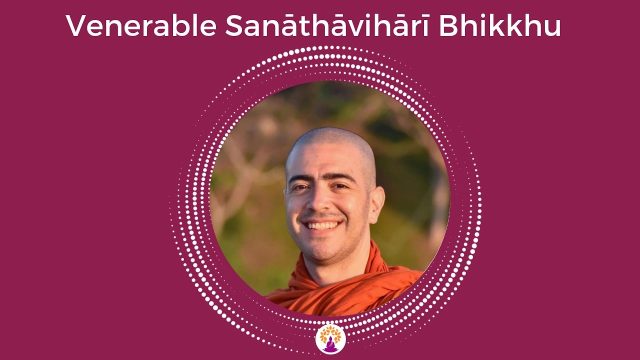
On a Monday evening at the Buddhist Society of Victoria, Ajahn Aran Vihari sits before a gathered community—some new to meditation, some seasoned practitioners—to guide them through what might seem like a simple act: sitting still, watching the breath. But his opening words reveal that the real work happens before the gong rings. "When we practice meditation," he says, "we have to remind ourselves the purpose of the meditation. Otherwise we try to meditate but meditation may not go well." The difference between sitting in restless frustration and finding genuine peace, he suggests, rests on three often-overlooked pillars: right attitude, kindness to your own being, and the courage to let go.

Lesen · 7 Abschnitte

Why Meditation Without Purpose Becomes Struggle

Ajahn Aran Vihari begins not with technique but with intention. Most of us arrive at meditation with minds already fragmented by the demands of daily life—scattered across work emails, social entanglements, unfinished tasks, anxieties about the future. "Our minds are scatter and involved in different other activities related to the life," he observes. We carry this same scattered quality into our sitting practice, and wonder why we feel more agitated than peaceful.

The first corrective is remembering why we sit. Meditation is not another performance, another achievement on a to-do list. Its purpose, in the Buddhist understanding Aran Vihari teaches, is specific: to bring "peace and tranquility to our body and mind." That clarity matters. Without it, we sit down with no signal to the nervous system that this time is different—that we are not still working, still engaging in the world's drama. The mind continues its restless motion, and we interpret that restlessness as personal failure.

"Forget about the world and bring attention to the body," he instructs. "Forget about future, forget about past. Stay in the present moment." This is not poetic advice. It is a practical instruction that names the root of suffering: when we live simultaneously in regret and anticipation, we abandon the only moment in which we can actually be at peace.

What Does It Mean to Be Kind to Your Own Mind?

The second pillar—and perhaps the most revolutionary for practitioners steeped in Western achievement culture—is kindness. Aran Vihari introduces a teaching that cuts against the grain of forceful self-discipline. "Be kind, be soft, be gentle" to your body and mind, he repeats throughout the talk. This is not permissiveness. It is precision about how the nervous system actually learns to settle.

"This body and mind is a natural phenomena," Aran Vihari explains. "It run always run by causes and conditions. Causes and conditions generate our mental activities and bodily activities." In other words, the thoughts that arise, the restlessness you feel, the sudden ache in your knee—none of these are personal failures. They are natural events, neither good nor bad, unfolding according to the laws of cause and effect. The moment you understand that, the whole relationship to practice shifts.

When a thought arises, most practitioners instinctively fight it. We tense, we judge, we tell ourselves we are meditating badly. Aran Vihari calls this "unskillfulness of the mind"—a roughness toward our own experience that only generates more agitation. "If you are rough to your mind and body, that means if you get upset and angry about things come to your mind or sometimes the body pains, it is not helpful for the meditation. These are called unskillful practices."

Greed and hatred—the mind's attempts to cling to what feels good and push away what feels uncomfortable—are unskillful precisely because they create friction. They lead to "more problems, more agitation in our mind and body." Kindness, by contrast, is a practical technology. When you are gentle with yourself, you stop generating secondary waves of resistance. The breath steadies. The mind settles not through force but through permission.

The Art of Letting Go Without Struggle

The third pillar is perhaps the most misunderstood: letting go. In a culture obsessed with control and will, "letting go" can sound like passivity, resignation. But Aran Vihari is describing something much more active: it is the decision, moment by moment, not to chase every thought that arises.

"If thoughts come to your mind, be kind. Don't pay attention to the thoughts. Let the thoughts fade away and disappear. Keep attention on body." This is not suppression. Suppression requires effort—clenching against what wants to arise. Letting go is the opposite. You notice the thought, you release your grip on it, you return attention to the breath. The thought dissolves not because you fought it but because you stopped feeding it your energy.

Throughout his guided meditation, Aran Vihari returns to this instruction with a quiet insistence: "Keep attention on the breath and enjoy the peace and tranquility of your body and mind. Don't pay attention to the disturbances. Keep attention on breath and enjoy the peace and tranquility of your body and mind." The redundancy is intentional. This is not poetry; it is repetition designed to rewire the habit of struggle.

Where Happiness Enters the Practice

What distinguishes Aran Vihari's approach from a grim, ascetical vision of meditation is his emphasis on joy. "When we practice meditation we have to bring the joy to our mind," he says. "We should enjoy the silent stillness arise in our mind when we practice meditation. Stop all thinking and enjoy the peace. Peace of mind. We have to enjoy. You have to energize you. You have to little bit get thrilled about stillness."

This is not a small point. The Buddha's path is not about renouncing happiness but finding its true source. When you sit in silence, when the inner chatter finally stills, there arises a natural pleasure—what Buddhists call sukha, a deep, uncaused joy that is not dependent on external circumstances. Learning to recognize it, to savor it, is part of the practice itself. "Then it goes well. Then the meditation goes well," Aran Vihari promises. The joy is not a luxury add-on. It is fuel.

The Body as Teacher

Throughout the session, Aran Vihari returns attention to the physical body. This is not accidental. The body is both the vehicle for meditation and its foremost teacher. "Keep attention on your body and relax all your body muscles," he guides the meditators. "Scan slowly your body and relax all your body muscles."

But he is also pragmatic about physical reality. "If pain arise in your body, please adjust your body to remove the pain or reduce the pain and keep attention on your body." Meditation is not about stoic endurance of discomfort. Kindness includes reasonable adjustments. The instruction is to find the edge between appropriate physical care and the mind's tendency to use every sensation as an excuse to abandon practice.

This balance—between commitment and self-compassion—shows up in another way. Aran Vihari invites practitioners, as their attention develops, to work with the breath itself. "If you can clearly see your breath, you can bring attention to the breath. Keep attention on the breath and understand the direction of the breath whether it is going in or out." The breath becomes a primary object of focus, a home for consciousness when the mind grows steady enough to hold it.

A Teaching Rooted in Forest Monastery Training

Ajahn Aran Vihari teaches from within the Buddhist forest tradition, an order that traces its roots to Thailand and Southeast Asia. The Buddhist Society of Victoria, where this session takes place, is connected to the Bodhinyana Monastery in Western Australia, headed by the Abbot Ajahn Brahm. This lineage brings with it particular emphases: the direct, often-repeated instruction; the focus on right attitude as foundational; the insistence that practice must be joyful as well as disciplined. These are not modern compromises but central to how this branch of Buddhism has always taught.

The session itself reflects this tradition's accessibility. Aran Vihari speaks to newcomers and experienced practitioners alike, meeting them at the threshold of practice. He acknowledges that meditation can feel difficult and offers not a harder push but a different direction: kindness instead of force, letting go instead of grasping, joy instead of duty.

Where to go from here

If you are beginning meditation, Aran Vihari's three pillars offer a foundation: clarify your purpose (to find peace and tranquility), commit to kindness toward your own being (because the mind learns through gentleness, not roughness), and practice letting go (return attention to the breath without judgment or struggle). The joy that arises will be your confirmation that you are practicing correctly. If you are already established in practice, his teaching invites a recalibration—a gentle asking: Am I bringing kindness to what arises? Or am I still fighting my own mind? The Buddhist Society of Victoria and Newbury Buddhist Monastery offer ongoing guided sessions and longer retreat opportunities for practitioners seeking to deepen. The real practice, though, begins in your own sitting, in the next breath, with the three words that might change everything: be kind, let go, enjoy the peace.

Kommentare

Gespräch wird geladen…

Transcript

[2:27] Good evening, Ajan.

[2:29] >> Good evening.

[2:29] >> Good evening, everyone. Welcome to the

[2:31] Monday night guided meditation.

[2:33] Tonight's meditation is being led by

[2:36] Ajan Aran Vihari.

[2:37] >> Yes.

[2:38] >> Who gave also the Dharma talk yesterday.

[2:40] So, thank you for your teachings this

[2:41] weekend. Venerable.

[2:44] Um

[2:45] if you are new here um can I just check

[2:49] is anyone here at the BSV for the first

[2:51] time tonight? A very warm welcome. A few

[2:54] hands. Um great. So I'll just talk you

[2:57] through quickly the format for tonight.

[3:00] We'll start with a brief introductory

[3:02] talk. Yeah,

[3:03] >> I think by Ajan to just put us in the

[3:06] right frame of mind for the meditation.

[3:09] Um, after that we'll meditate until

[3:11] about 8:30 p.m. 8:30 there will be just

[3:14] a few announcements about upcoming

[3:16] events and opportunities to meditate and

[3:19] that will be followed by Q&A. So if you

[3:22] have any questions at that time you can

[3:24] put up your hand if you're here in the

[3:26] room. Um, if you're online you can do

[3:29] that through the live chat and we'll

[3:32] endeavor to answer all the questions.

[3:35] Um, finally, if you're here in the hall,

[3:37] can you please make sure that your

[3:38] mobile phone is turned off or on silent?

[3:41] Uh, it's surprising how often a little

[3:44] sound goes off in the middle of

[3:45] meditation despite the announcements.

[3:47] So, please make sure that's off. Um,

[3:49] thank you very much. Thank you, Ajan.

[3:57] Okay, now we can start.

[4:00] [clears throat]

[4:00] [snorts]

[4:04] All of you are welcome to the Monday

[4:05] meditation session. So today

[4:09] uh I will give a brief introduction at

[4:12] the beginning after that I will give the

[4:14] guided meditation

[4:17] [sighs]

[4:18] uh and

[4:20] uh 8:30 I will

[4:25] ring the gong three times then you can

[4:27] come out of the meditation and ask

[4:29] questions.

[4:34] So the I will uh uh remind

[4:39] all of us when we sit for meditation uh

[4:44] what we should keep in mind and uh

[4:48] uh forget

[4:51] the energy and uh uh right attitude.

[4:56] arouse the right attitude

[4:59] for practicing meditation. That is one

[5:01] of the most important things for

[5:03] practicing meditation

[5:05] because uh

[5:08] uh if when we engage in this world in

[5:11] our day-to-day life so our mind are

[5:15] scatter and involved in different other

[5:18] activities related to the life. [gasps]

[5:22] So we practice meditation to make have a

[5:28] uh peace and tranquility

[5:30] in that time and let go all uh

[5:34] distractions and bring peace and

[5:37] tranquility to our body and mind. When

[5:40] we are practicing meditation, we have to

[5:43] uh remind ourself the purpose of the

[5:47] meditation. Otherwise we try to meditate

[5:51] but meditation may not go well.

[5:57] So

[6:00] uh most important thing is we we have

[6:02] when we are practicing meditation we

[6:04] have to

[6:07] uh forget the

[6:10] our involvement in day-to-day activities

[6:14] or the the different other interactions

[6:16] with other people.

[6:18] So we have to bring attention to our

[6:21] body and mind in the present moment and

[6:25] stop thinking.

[6:27] [snorts]

[6:28] This is sometimes you may feel a little

[6:31] bit difficult but it is possible

[6:36] we uh inspire us not to not to think not

[6:40] to think about past not to think about

[6:42] future just uh bring attention to the

[6:45] body

[6:47] and forget about the world

[6:50] because this is only this we do it only

[6:55] when we sit for meditation.

[6:59] So we can forget about the world and

[7:02] bring attention to the body and keep

[7:06] attention on the body.

[7:11] Forget about future, forget about past.

[7:14] Stay in the present moment.

[7:18] So that that is one of the important

[7:20] things. Next important thing is

[7:23] uh

[7:26] uh we have to keep in mind this body and

[7:28] mind is a natural phenomena.

[7:32] It run always run by causes and

[7:34] conditions. Sometimes the thoughts come

[7:37] to our mind.

[7:39] So

[7:41] we have to kind to our body and mind

[7:44] because it is a natural phenomena.

[7:47] causes and conditions generate uh our

[7:50] mental activities and bodily activities.

[7:53] So only thing we are training our body

[7:57] and mind to be silent to be still by

[8:01] letting go.

[8:03] Let go whatever thing come to your mind.

[8:06] Don't uh fight with your body and mind.

[8:09] Be kind, be soft, be gentle.

[8:15] If you if you u rough to your mind and

[8:20] body that means if you get upset

[8:24] and angry about things come to your mind

[8:28] or sometimes the body pains it is not

[8:31] helpful for the meditation.

[8:34] These are called unskillful practices.

[8:37] Unskillfulness of the mind. The greed

[8:40] hatred are unskillfulness of the mind.

[8:43] So we have to let go the greed and

[8:45] hatred. We we should remind ourselves

[8:48] greed and hatred is unskillful. It leads

[8:52] to more problems, more uh

[8:56] agitation

[8:58] in our mind and body.

[9:00] >> [snorts]

[9:01] >> So that these things we have to keep in

[9:04] mind when we are practicing meditation

[9:06] otherwise meditation

[9:08] become a

[9:11] meditation may not not go well and you

[9:14] feel uncomfortable you can't sit for

[9:17] some time because your body and mind not

[9:21] go to the relaxation because the

[9:23] relaxing is important

[9:26] bring the peaceu

[9:28] peace and tranquility to to the body and

[9:31] mind is important. Let go and be kind.

[9:35] Be be kind. Be gentle to your body and

[9:39] mind.

[9:41] So this these things you have you can

[9:45] keep in mind. If you have any questions

[9:46] you can ask now I can answer. If you

[9:50] have any doubt about these basic things

[9:54] then uh [snorts]

[10:01] >> [snorts]

[10:03] >> One one more thing I can remind you. So

[10:07] happiness.

[10:09] So the when we practice meditation we

[10:12] have to bring the joy to our mind we

[10:16] should enjoy the silent stillness arise

[10:19] in our mind when we practice meditation.

[10:23] Stop all thinking

[10:26] and enjoy the peace. Peace of mind. We

[10:30] have to enjoy. You have to energize you.

[10:33] You have to little bit get thrilled

[10:35] about

[10:37] stillness. Then it goes well. Then the

[10:39] meditation goes well.

[10:42] So that is also another important

[10:45] feature of meditation. It is another uh

[10:49] important thing we have to keep in mind.

[10:55] >> [snorts]

[11:02] >> Okay, now we can start the guided

[11:05] meditation. No.

[11:18] Now you can sit comfortably for sitting

[11:23] for for 40 minutes,

[11:31] 45 minutes.

[11:39] So close your eyes and bring attention

[11:42] the to the body.

[11:48] Stop thinking and make your mind silent.

[11:56] Focus attention to the body

[12:01] and relax all your body muscles and make

[12:04] your body comfortable

[12:06] by adjusting your sitting posture.

[12:20] Keep attention on your body and relax

[12:23] all your body muscles from toe [snorts]

[12:25] to head.

[12:31] Scan slowly your body and relax all your

[12:36] body muscles.

[12:40] Always be kind to your body. Kind any

[12:44] any pain arise in your body. Please

[12:47] adjust your body to

[12:50] uh rem the

[12:56] remove the pain or reduce the pain and

[13:01] [snorts]

[13:09] keep attention on your body.

[13:18] Let your body and mind settle down.

[14:02] If thoughts come to your mind, be kind.

[14:07] Don't pay attention to the thoughts. Let

[14:10] the thoughts fade away and disappear.

[14:15] Keep attention on body.

[15:41] Keep attention on your body.

[15:51] Always be kind,

[15:53] be soft, be gentle.

[15:58] Let go all the distractions.

[16:03] Be kind.

[16:15] Don't worry about the disturbances,

[16:18] thoughts. Let go everything. Be kind to

[16:22] all the things.

[16:38] Stop inner speech.

[16:40] Make your mind silent.

[17:18] If you can clearly see your breath, you

[17:22] can bring attention to the breath.

[17:49] Keep attention on the breath [snorts]

[17:53] and

[17:56] understand the direction of the breath

[17:58] whether it is going in or out.

[19:05] Keep attention on breath and

[19:12] see the direction of the breath and

[19:15] discern the direction of the breath.

[19:44] Don't pay attention to the thoughts come

[19:47] to your mind.

[21:03] Keep attention on breath.

[21:07] [snorts]

[21:36] >> [snorts]

[22:07] >> Keep continuous attention on the breath

[22:12] and enjoy the peace and tranquility of

[22:16] your body

[22:18] and mind.

[23:26] Don't pay attention to the disturbances.

[23:30] Keep attention on breath and enjoy the

[23:33] peace and tranquility of your body and

[23:36] mind.

[26:06] Keep continuous attention on the breath

[26:09] and enjoy the peace and tranquility of

[26:13] your body and mind.

[26:18] Be happy.

[26:20] Be joyful.

[27:20] Don't worry about the distractions.

[27:24] Be kind to your body and mind and bring

[27:28] bring back attention to the breath and

[27:32] enjoy peace and tranquility.

[31:48] Keep attention on the breath.

[31:51] Don't worry about the distractions.

[31:55] Enjoy the peace and tranquility.

[49:24] >> [clears throat]

[49:29] [clears throat]

[49:36] >> Don't worry about the disturbances.

[49:40] Keep attention on breath and enjoy the

[49:44] peace and tranquility of your body and

[49:47] mind.

[49:49] Keep attention on breath and enjoy peace

[49:53] and tranquility of your body and mind.

[53:02] Don't worry. Always be kind to your body

[53:06] and mind.

[53:08] Let go all the disturbances.

[53:12] Bring attention to the breath and enjoy

[53:16] the peace and tranquility of your body

[53:21] and mind.

[1:00:31] How peaceful

[1:00:33] your body and mind.

[1:00:38] How this peacefulness come to your body

[1:00:43] and mind.

[1:00:58] How much you kind,

[1:01:00] soft and gentle to your body and mind

[1:01:05] and all the external disturbances.

[1:01:14] Now we are coming closer

[1:01:18] to the end of this meditation session. I

[1:01:22] will ring the gong three times. Then you

[1:01:26] can come out of the meditation.

[1:01:34] [bell]

[1:01:39] >> [bell]

[1:01:45] [bell]

[1:02:00] >> Now if you have any questions you can

[1:02:17] Thank you very much, Ajan. It was a very

[1:02:19] peaceful room tonight. Thank you. Oh,

[1:02:23] there goes the bell.

[1:02:25] Uh, just a few quick announcements

[1:02:30] before we have the questions. There is

[1:02:33] an upcoming retreat at the sanctuary of

[1:02:35] stillness between the 27th of November

[1:02:39] and the 2nd of December that's being

[1:02:41] read by Bante Chunda and Bante

[1:02:44] Bodhidaja.

[1:02:46] Um so that's taking registrations now on

[1:02:49] the BSV website or you can find out more

[1:02:51] information through our newsletter if

[1:02:53] you're signed up for that. I believe you

[1:02:55] can sign up for that through the website

[1:03:00] next week.

[1:03:02] The teaching program is being led by

[1:03:04] Bante Joe. Now he is um running a

[1:03:08] retreat. Next Saturday is the first

[1:03:10] Saturday of the month. So it's the daily

[1:03:13] Saturday retreat here at the Buddha Loca

[1:03:16] Center between 8:30 a.m. and 4:30 p.m.

[1:03:20] And you're welcome to come for as much

[1:03:23] of that day as you're able.

[1:03:27] Um you if you are coming you just need

[1:03:29] to bring your own lunch. Tea, coffee

[1:03:31] will be available throughout the day and

[1:03:33] you can come as I said for any any part

[1:03:35] of that day that you're able to attend.

[1:03:37] Um Bante Joe is down to run that but

[1:03:39] there's a note here saying he's been

[1:03:41] struggling with his energy levels. So

[1:03:44] another monastic may be offering that on

[1:03:46] the Saturday. Um we hope he's well

[1:03:50] enough to do it. He's also down to do

[1:03:52] the Sunday morning dharma talk and next

[1:03:55] Monday night's guided meditation. So we

[1:03:58] certainly hope he's well by then. Bante

[1:04:00] Joe was here last year and um is uh um a

[1:04:06] good opportunity to study with a

[1:04:08] monastic a visiting monastic

[1:04:11] uh originally a Canadian

[1:04:13] monk.

[1:04:16] They are all the announcements apart

[1:04:17] from of course the fact that we have our

[1:04:19] katina the robe offering on Sunday the

[1:04:22] 15th and that will be at Newbury

[1:04:24] Buddhist monastery. Um so the center

[1:04:26] here will not be open on Sunday the

[1:04:29] 15th. Um everyone will be up at Newbury

[1:04:32] Buddhist monastery. Are there any

[1:04:34] questions here in the hall first of all

[1:04:36] for Arja Rana Vihari about meditation or

[1:04:40] your practice?

[1:04:56] Thank you. I really enjoyed that. I was

[1:04:59] just interested in your view and I had a

[1:05:01] couple of really busy days and my mind

[1:05:03] has been extremely restless.

[1:05:05] >> Yeah.

[1:05:06] >> And it took me quite a long time to find

[1:05:09] a bit of peace. So what I've resorted to

[1:05:12] is a bit of visualization. So I sort of

[1:05:15] when the thoughts come in initially I

[1:05:17] got quite frustrated because I wanted

[1:05:18] some peace and quiet that's why I'm here

[1:05:20] tonight and I sort of started to just

[1:05:24] accept that the thoughts come and I said

[1:05:25] well there you are go away again. And

[1:05:27] then I get back into a meditation then I

[1:05:30] visualized

[1:05:31] myself into dumping the silly thoughts

[1:05:33] into one little box and maybe some good

[1:05:36] thoughts in another box for later. But

[1:05:39] just your view on whether that's

[1:05:42] uh recommendable whe whether that's a

[1:05:44] good way of approaching a restless mind

[1:05:46] or whether you have a better

[1:05:49] uh suggestion [snorts]

[1:05:50] to

[1:05:50] >> yeah in difficult situations we can use

[1:05:53] that kind of techniques because

[1:05:55] sometimes the mind highly involved in

[1:05:57] the day-to-day activities so calming

[1:06:00] down so then you can let go but uh some

[1:06:06] uh uh we should not too much addict to

[1:06:11] these kind of practices but still these

[1:06:13] are helpful at the beginning

[1:06:16] >> later you can uh uh when you practice

[1:06:20] some for some time so then you can

[1:06:22] easily bring to the meditation object

[1:06:26] because then your mind uh get uh

[1:06:31] much more familiar about the meditation

[1:06:34] and the joy in the meditation so mind

[1:06:37] naturally quickly let go the the

[1:06:40] involvement in the world with the world.

[1:06:42] So you you can get easily release your

[1:06:46] mind and bring to the meditation object.

[1:06:49] But at the beginning sometimes you have

[1:06:51] to deal with your mind very carefully.

[1:06:54] So yeah, let go the the unskillful

[1:06:57] things and uh pay attention to the

[1:07:00] skillful thoughts and then calm down the

[1:07:03] mind because uh [clears throat]

[1:07:07] according to the Buddhism, so the

[1:07:09] Buddha's teachings, we actually practice

[1:07:12] meditation to let go uh mental

[1:07:16] activities, stop mental activities.

[1:07:19] First we stop bodily activities because

[1:07:21] the mind drives the body. So we sit in a

[1:07:25] comfortable place and uh let go mental

[1:07:29] activities or we can do it in the

[1:07:31] walking meditation also because walking

[1:07:34] we have to find out a the a place to

[1:07:37] walk not walking on the road it is a

[1:07:41] different kind of meditation [laughter]

[1:07:43] you meditate when you're walking on the

[1:07:46] road because you you always face to the

[1:07:49] new the new things but if you walk on a

[1:07:53] walking path. So only

[1:07:57] no much need attention to the place or

[1:08:00] the engagements external objects. So

[1:08:04] that kind of place also but still your

[1:08:07] body is functioning. So you should have

[1:08:09] a certain level of attention to the

[1:08:10] body. But when you practice sitting

[1:08:14] meditation, you can let go the body

[1:08:16] straight away

[1:08:18] by paying attention to the the breath or

[1:08:22] any other mental objects because

[1:08:24] sometimes you can uh after some time

[1:08:28] practicing meditation. So you get

[1:08:30] familiar with the mind of main objects

[1:08:33] like light and all these things. So then

[1:08:36] quickly these these objects come to your

[1:08:38] mind. then you can quickly forget about

[1:08:41] the whole body and keep attention. So

[1:08:44] the interesting thing is when you get

[1:08:47] more familiar with the meditation

[1:08:49] gradually these distractions you can

[1:08:52] quickly let go.

[1:08:53] >> Yeah.

[1:08:54] >> But at the beginning Yeah. You have to

[1:08:57] bring the mind to the skillful

[1:08:59] mentality. Let go the unskillful and

[1:09:02] unnecessary stuff and bring the

[1:09:05] inspiration to you. So that's why they

[1:09:09] first I talk little bit about to bring

[1:09:11] the inspiration and proper attention to

[1:09:14] the to to the body and mind. So these

[1:09:17] things actually gradually grow. So

[1:09:21] that's why we we talk about the noble

[1:09:23] eight-fold path because the right way

[1:09:26] right

[1:09:28] intentions these are actually belongs to

[1:09:31] the day-to-day practice. So and the

[1:09:35] right speech uh right uh bodily actions

[1:09:38] and right livelihood. So these things we

[1:09:42] practice in our day-to-day life. So we

[1:09:45] train our mind to let go many things

[1:09:48] even when we are living in day-to-day

[1:09:51] life. So then we can easily bring to the

[1:09:54] meditation. Otherwise if we engage with

[1:09:56] the like jobs you go to the job and

[1:09:59] interact with other people. So then it

[1:10:03] is not easy.

[1:10:05] >> Thank you. Much appreciated.

[1:10:10] >> Thank you, Ajan. Are there any more

[1:10:12] questions here in the hall?

[1:10:24] >> No more questions. A

[1:10:25] >> no more questions. Okay.

[1:10:28] Shall we stop now? Okay then we pay us

[1:10:32] and respect to Buddha and son

[1:10:46] [clears throat]

[1:10:53] Buddha

[1:10:57] abadi

[1:11:08] Damas.

[1:11:20] Sama.

BSV Dhamma Talks

Künstler:in

Watch more from BSV Dhamma Talks on YouTube.

Themen erkunden
Meditation practiceRight attitudeBuddhist teachingKindness mindLetting go
Häufig gestellte Fragen

Häufig gestellte Fragen

Ajahn Aran Vihari teaches that without clarifying your purpose—to bring peace and tranquility to body and mind—you carry scattered daily-life energy into your sitting. Your mind will continue its restless motion. The first step is remembering why you are meditating and genuinely letting go of the outside world for this time.

Rather than fight the thoughts (which creates more agitation), be kind to your mind. Notice the thought, don't grip it, and gently return attention to the breath. Thoughts are natural phenomena; the practice is learning not to feed them with your energy. Let them fade without judgment.

Yes. Ajahn Aran Vihari emphasizes that kindness to your body includes reasonable adjustments to ease pain or discomfort. This is not the same as abandoning practice at the first sign of difficulty—find the balance between caring for your physical needs and maintaining continuity of attention.

Aran Vihari teaches that joy is essential to practice. As your mind stills, a natural happiness arises—what Buddhists call <em>sukha</em>. Learning to recognize and savor this peace, rather than approaching meditation with grim duty, actually deepens the practice. The joy becomes fuel.

It means recognizing that your body and mind run by natural causes and conditions—thoughts and sensations are not personal failures. Instead of tensing against them, you relax and release your grip. This gentleness allows the nervous system to settle more quickly than force ever could.

Ajahn Aran Vihari suggests beginning with the whole body, relaxing and settling your attention there. As your practice deepens and you can 'clearly see your breath,' you can bring focused attention to the breath itself, noticing whether it is moving in or out. Start where you are; the instructions evolve with your capacity.

Das könnte dir auch gefallen

Alle anzeigen
Practice Is Not Just Sitting: Awareness in Everyday Life
Inspire

Practice Is Not Just Sitting: Awareness in Everyday Life

In a BSV Dhamma talk, Bhante Cunda argues that practice is awareness carried through the whole day, from brushing teeth to driving. Here is …

8 min read
Four Foundations of Mindfulness: A Guided Path to Buddhist Practice
Inspire

Four Foundations of Mindfulness: A Guided Path to Buddhist Practice

A live dharma talk grounded in the four satipatthanas guides practitioners through breath awareness, feeling-tone investigation, and mind ob…

8 min read
Soften Every Muscle: Body Scan Meditation for Sleep
Inspire

Soften Every Muscle: Body Scan Meditation for Sleep

Chibs Okereke's head-to-toe body scan asks listeners to soften one muscle at a time. Here is how the breath, jaw, shoulders and back let go,…

9 min read
Voice Temple Kirtan in Pisac: A Farewell Night of Call and Response
Inspire

Voice Temple Kirtan in Pisac: A Farewell Night of Call and Response

Franko Heke's five-minute highlight reel from a Voice Temple kirtan at Kula Café in Pisac, Peru. What the footage shows and what the call-an…

6 min read
AlleDas könnte dir auch gefallen→

Setze deinen Weg fort

Mehr Weisheit und Zusammenkünfte aus dem BrightStar-Verzeichnis.

Mehr Artikel

Durchstöbere die ganze Bibliothek an Lehren, Interviews und Leitfäden.

Zu allen Artikeln →

Lehrer & Künstler

Entdecke die Linien, Musiker und Wegbegleiter der bewussten Welt.

Künstler erkunden →

Event finden

Kirtan, Retreats, Klangbäder, Atemarbeit, Festivals — bald in deiner Nähe.

Events ansehen →
