BrightStar
BlogMeine Tickets
BlogMeine Tickets
Saved events
Hilfe & KontaktRegistrierenAnmelden
Events
  • Alle Events durchsuchen
  • Yoga
  • Meditation
  • Breathwork
  • Qigong
  • Heilige Musik
  • Weltmusik
  • Medicine Music
  • Klangheilung
  • Ecstatic Dance
  • Zeremonie
  • Pflanzenmedizin
  • Energieheilung
  • Satsang & Weisheit
  • Tantra
  • Retreats
  • Alle Kategorien →
Reiseziele
  • Bali
  • Sedona
  • Los Angeles
  • Costa Rica
  • Tulum
  • Byron Bay
  • San Francisco
  • Austin
  • New York
  • San Diego
  • Denver
  • Seattle
  • Portland
  • Miami
  • London
  • Maui
  • Boulder
  • Alle Städte →
Plattform
  • Für Veranstalter
  • Werde Teil der Bewegung
  • Sell Globally
  • Für Kreative
  • Für Teams
  • Für Autoren
  • Für Lehrer
  • Für Kirtan-Künstler
  • Für Studios
  • Für Festivals
  • Für Retreat-Zentren
  • Für gemeinnützige Organisationen
  • Markenbotschafter
  • Kostenloses Ticketing
  • Pro
  • Amplify
  • Das Ökosystem
Funktionen

Ticketverkauf und Checkout

  • Ticket categories
  • Assigned seating
  • Custom questions
  • Coupon codes
  • Smart pricing
  • Ticket sharing
  • Waitlist
  • Flexible refunds
  • Digital waivers
  • Tip jar
  • Donations and sliding scale
  • Embed widget
  • Mindful checkout
  • Recurring events
  • Private sessions
  • Online courses
  • Summits
  • Rooms and stays
  • Ticket scanner

Marketing und Wachstum

  • Abandoned cart recovery
  • Visitor recovery
  • Upsells and add-ons
  • Affiliate engine
  • Upsell affiliate network
  • Brand ambassador
  • Meta retargeting
  • Verified buyer network
  • Outbound email marketing
  • Email sequences
  • SMS and WhatsApp
  • Event upsell network
  • Direct mail campaigns
  • SEO engine
  • Syndication
  • Event sharing
  • Custom event pages
  • Artist profiles
  • Link in bio
  • Event blog
  • Blog newsletter

Zahlungen

  • Payments, powered by Stripe
  • Buy now, pay later
  • Apple Wallet
  • Multi currency

Daten und Betrieb

  • Team access
  • Message center
  • Reports
  • Analytics reporting
  • Performance reporting
  • Customer data
  • Integrations
  • Switch from another platform

KI

  • Assistant
  • AI FAQ assistant
  • Alle Funktionen →
Unternehmen
  • Über uns
  • Häufige Fragen
  • Kontakt
  • Blog
  • Glossar
  • Guides
  • Inspiration
  • Hilfe-Center
  • API-Dokumentation
  • Marken-Assets
  • Presse
  • Nutzungsbedingungen
  • Datenschutzrichtlinie

Events

  • Alle Events durchsuchen
  • Yoga
  • Meditation
  • Breathwork
  • Qigong
  • Heilige Musik
  • Weltmusik
  • Medicine Music

Reiseziele

  • Bali
  • Sedona
  • Los Angeles
  • Costa Rica
  • Tulum
  • Byron Bay
  • San Francisco
  • Austin

Plattform

  • Für Veranstalter
  • Werde Teil der Bewegung
  • Sell Globally
  • Für Kreative
  • Für Teams
  • Für Autoren
  • Für Lehrer
  • Für Kirtan-Künstler

Funktionen

  • Community-Netzwerk
  • Warenkorbabbruch-Wiederherstellung
  • Ticket-Kategorien
  • Wiederkehrende Veranstaltungen
  • Sitzplatzreservierung
  • Affiliate-System
  • Warteliste / Benachrichtigen
  • Alle Funktionen →

Unternehmen

  • Über uns
  • Häufige Fragen
  • Kontakt
  • Blog
  • Glossar
  • Guides
  • Nutzungsbedingungen
  • Datenschutzrichtlinie
Mehr lesen

Events

  • Klangheilung
  • Ecstatic Dance
  • Zeremonie
  • Pflanzenmedizin
  • Energieheilung
  • Satsang & Weisheit
  • Tantra
  • Retreats
  • Alle Kategorien →

Reiseziele

  • New York
  • San Diego
  • Denver
  • Seattle
  • Portland
  • Miami
  • London
  • Maui
  • Boulder
  • Alle Städte →

Plattform

  • Für Studios
  • Für Festivals
  • Für Retreat-Zentren
  • Für gemeinnützige Organisationen
  • Markenbotschafter
  • Kostenloses Ticketing
  • Pro
  • Amplify
  • Das Ökosystem

Unternehmen

  • Inspiration
  • Hilfe-Center
  • API-Dokumentation
  • Marken-Assets
  • Presse

Ticketverkauf und Checkout

  • Ticket categories
  • Assigned seating
  • Custom questions
  • Coupon codes
  • Smart pricing
  • Ticket sharing
  • Waitlist
  • Flexible refunds
  • Digital waivers
  • Tip jar
  • Donations and sliding scale
  • Embed widget
  • Mindful checkout
  • Recurring events
  • Private sessions
  • Online courses
  • Summits
  • Rooms and stays
  • Ticket scanner

Marketing und Wachstum

  • Abandoned cart recovery
  • Visitor recovery
  • Upsells and add-ons
  • Affiliate engine
  • Upsell affiliate network
  • Brand ambassador
  • Meta retargeting
  • Verified buyer network
  • Outbound email marketing
  • Email sequences
  • SMS and WhatsApp
  • Event upsell network
  • Direct mail campaigns
  • SEO engine
  • Syndication
  • Event sharing
  • Custom event pages
  • Artist profiles
  • Link in bio
  • Event blog
  • Blog newsletter

Zahlungen

  • Payments, powered by Stripe
  • Buy now, pay later
  • Apple Wallet
  • Multi currency

Daten und Betrieb

  • Team access
  • Message center
  • Reports
  • Analytics reporting
  • Performance reporting
  • Customer data
  • Integrations
  • Switch from another platform

KI

  • Assistant
  • AI FAQ assistant
Hol dir die App
Laden imApp StoreJetzt beiGoogle Play
© 2026 BrightStar. Alle Rechte vorbehalten. BrightStar Selection · Bildnachweise · Änderungsprotokoll ·
Inspiration

Equanimity in Action: Dharma Without Attachment

Ram Dass
Ram Dass
May 17, 2026
7 Min. Lesezeit

Von Be Here Now Network

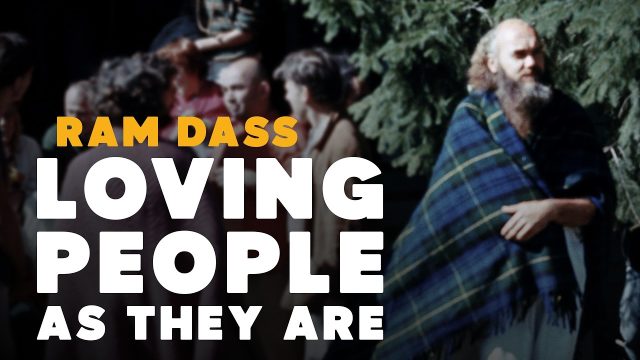
Ram Dass teaches how to engage fully in your dharma—your life's work and sacred duty—while maintaining equanimity and freedom from attachment to results. This is the essence of karma yoga: performing right action without clinging to success or failure, fear or hope. By cultivating equanimity, you can serve your purpose with clarity and compassion rather than ego-driven anxiety.

Lesen · 8 Abschnitte

What is Dharma and Why Does It Matter?

Dharma is often translated as "duty" or "cosmic law," but it encompasses something deeper: the unique role you're meant to play in the world, aligned with your nature and the needs around you. In the Hindu and Buddhist traditions, living your dharma is not optional—it's the foundation of a life lived with integrity and purpose. When you ignore your dharma, you accumulate confusion and suffering. When you embrace it, you step into a current of meaning that carries you forward.

Ram Dass emphasizes that performing your dharma is not about becoming someone else or adopting a false identity. It's about recognizing what you're genuinely called to do and then doing it with full presence. This might be raising children, creating art, healing others, teaching, or building community. The form varies, but the principle remains: your dharma is your contribution to the whole.

The Problem: Attachment to Outcomes

Many people approach their dharma with a hidden agenda: they want to succeed, to be recognized, to feel secure that their efforts matter. This attachment to outcomes is precisely what creates suffering. You work hard, you do the right thing, but then you're devastated if the results don't match your expectations. You're enslaved to approval, threatened by criticism, and constantly measuring your worth against external metrics.

This is where equanimity becomes essential. Equanimity is not indifference or passivity. It's not saying, "Nothing matters, so why try?" Rather, it's the capacity to engage wholeheartedly in your actions while remaining unshaken by whether the outcome goes your way or not. It's freedom from the emotional rollercoaster of success and failure.

What is Karma Yoga?

Karma yoga—the yoga of action—is the path of performing your duties without clinging to their fruits. This teaching comes directly from the Bhagavad Gita, where Lord Krishna tells Arjuna to fight without attachment to victory or defeat. The principle applies far beyond ancient Indian battlefields; it's a practical method for any action taken in the modern world.

In karma yoga, you offer your work as service. You do it for the sake of the work itself, for the people you're serving, or as an offering to something larger than yourself—call it God, the universe, the dharma, or truth. When you shift from "What will I gain?" to "How can I serve?" the entire tenor of your effort changes. Your nervous system relaxes. Your mind becomes clearer. You're no longer trying to control an outcome you can't ultimately control.

How Equanimity Transforms Your Actions

Equanimity in dharma practice means you can act decisively and with full commitment while remaining internally balanced. You show up, do your best, bring your skills and heart, and then release your grip on what happens next. This is not resignation; it's liberation from the false belief that your peace depends on getting a specific result.

Consider a doctor practicing with equanimity. She diagnoses carefully, recommends treatment thoughtfully, and follows up with her patient. But she doesn't collapse into despair if the patient ignores her advice or if an illness progresses despite her best efforts. She's done her dharma—her duty as a healer—and she knows that some variables are beyond her control. Her equanimity allows her to be compassionate without burning out, to take responsibility without taking on guilt.

Or consider a parent. With equanimity, you can set boundaries, guide your children, model integrity, and still accept that your children will make their own choices. You're not clinging to a fantasy of who they "should" become. You're present to who they are, doing your duty as a guardian, and trusting the larger unfolding of their lives.

The Fear Beneath Attachment

Attachment to outcomes usually masks deeper fears: fear that you're not good enough, fear that your life won't matter, fear that you'll be abandoned or forgotten. When you're gripped by these fears, you unconsciously try to control outcomes to prove your worth or secure your place. But no amount of external success can truly heal these wounds. Only self-awareness and compassion can.

Ram Dass points to the practice of inquiry: When you notice yourself gripping an outcome, pause and ask: What am I afraid will happen if this doesn't go as planned? What need am I trying to meet through this result? These questions reveal the deeper beliefs driving your attachment, and awareness itself begins to loosen the grip.

Equanimity Does Not Mean Not Caring

A common misunderstanding is that equanimity requires emotional detachment or apathy. This misses the mark entirely. True equanimity coexists with genuine care, commitment, and even passion. You can love your work deeply and still not be emotionally destroyed if it fails. You can work to create change in the world and still accept that you cannot control the timeline or the results.

This paradox is central to spiritual maturity. You care enough to act wholeheartedly. You care enough to do the work cleanly and well. But you don't care in the sense of being needy or desperate for a particular outcome. Your care is clean; it's not mixed with fear or ego.

Practical Steps Toward Equanimous Dharma

Clarify your dharma. What are you genuinely called to do? What needs meeting do you see, and what skills or gifts do you have? Your dharma is often at the intersection of what you love, what the world needs, and what you're capable of.

Offer your actions. Before you begin work, consciously offer it. Say it out loud or silently: "I do this in service to [God/truth/healing/love/the dharma]." This small practice immediately shifts you from self-centered to other-centered action.

Do your best without strain. Equanimity is not laziness. You bring full attention and skill to your work. But you don't torture yourself with perfectionism or second-guessing. You act with integrity and then let go.

Notice where you're attached. Throughout the day, notice moments when you're anxious about a result, defensive about criticism, or craving validation. These are your attachment points. Gently bring awareness to them without judgment.

Return to the present moment. Attachment lives in anxiety about the future (Will I succeed?) or regret about the past (Why didn't it work?). The present moment is where equanimity lives. When you return to what's actually happening now, rather than your story about it, you naturally release your grip on outcomes.

Where to Go From Here

The teaching on dharma and equanimity is not intellectual—it must be lived. Start by identifying one area of your life where you're gripping an outcome. Perhaps it's a project at work, a relationship, or a creative endeavor. Notice the anxiety, the checking and rechecking, the need for reassurance. Then experiment: consciously release your attachment. Offer the work. Do your best. Trust.

Over time, this practice rewires your nervous system. You begin to trust that you can care deeply and still remain free. You discover that your peace doesn't depend on getting what you want. This doesn't make you passive; it makes you genuinely powerful—the power that comes from acting without fear, serving without needing anything in return.

Kommentare

Gespräch wird geladen…

Der Künstler in dieser Geschichte

Ram Dass

Ram Dass

Spiritual Teacher

Ram Dass (born Richard Alpert, 1931-2019) was an American spiritual teacher, psychologist, and author whose 1971 book Be Here Now helped popularize Eastern spirituality in the West. A Harvard psychologist turned Hindu devotee, he bridged psychedelic research, yoga, and conscious living for millions.

Profil ansehen
Themen erkunden
Karma yogaDharmaEquanimityNon attachmentAction
Häufig gestellte Fragen

Häufig gestellte Fragen

Karma yoga means performing your job with full commitment while releasing attachment to the outcome. Before starting work, consciously offer it as service rather than for personal gain. Do your best work with integrity, then accept that some results are beyond your control. This shifts you from anxiety-driven effort to purposeful action.

Equanimity is not indifference; it's caring deeply while remaining internally balanced regardless of outcomes. You can be passionate about your work and still not be emotionally devastated if it fails. Your peace no longer depends on getting a specific result, but your commitment and quality of action remain unchanged.

When you're attached to a specific outcome, you're anxious about the future (Will it succeed?) and stressed about factors outside your control. This creates a fragile peace that collapses if things don't go your way. Equanimity frees you from this emotional rollercoaster by grounding you in what you can actually control: your effort and intention.

Your dharma is often found at the intersection of what you love, what the world needs, and what you're capable of. It aligns with your authentic nature rather than a false identity imposed from outside. Pay attention to where you naturally want to contribute and where your gifts meet others' needs.

Yes. Ambition becomes destructive only when it's driven by fear of inadequacy or need for validation. You can have clear goals and work passionately toward them while remaining unattached to whether you achieve them exactly as planned. True ambition serves something larger than ego.

With equanimity, you recognize that you've done your duty—your dharma—by acting with integrity and full engagement, regardless of the outcome. Failure is often just information or a redirection, not a statement about your worth. You learn, adjust, and continue serving from a place of groundedness rather than shame.

Das könnte dir auch gefallen

Alle anzeigen
Love People As They Are: Responsive vs. Reactive
Inspire

Love People As They Are: Responsive vs. Reactive

Learn how to love people unconditionally by shifting from reactive patterns to responsive presence, keeping your heart open in the face of s…

9 min read
Freedom Without Connection: Why Liberation Feels Empty
Inspire

Freedom Without Connection: Why Liberation Feels Empty

External freedom without spiritual connection leaves the heart hollow. Explore why liberation requires more than just the absence of constra…

7 min read
First Meeting with a Living Guru: Recognition and Transformation
Inspire

First Meeting with a Living Guru: Recognition and Transformation

Krishna Das reflects on his first encounters with his teacher Maharaj-ji and Ram Dass, describing the moment he recognized something real ab…

7 min read
Rumi's Teaching Story: Presence and Spiritual Wisdom
Inspire

Rumi's Teaching Story: Presence and Spiritual Wisdom

Ram Dass shares a timeless Rumi story on presence and spiritual awakening. A brief but potent lesson in mindfulness and the heart's capacity…

6 min read
AlleDas könnte dir auch gefallen→

Setze deinen Weg fort

Mehr Weisheit und Zusammenkünfte aus dem BrightStar-Verzeichnis.

Mehr Artikel

Durchstöbere die ganze Bibliothek an Lehren, Interviews und Leitfäden.

Zu allen Artikeln →

Lehrer & Künstler

Entdecke die Linien, Musiker und Wegbegleiter der bewussten Welt.

Künstler erkunden →

Event finden

Kirtan, Retreats, Klangbäder, Atemarbeit, Festivals — bald in deiner Nähe.

Events ansehen →