BrightStar

Alle Events durchsuchen

Bewusste Zusammenkünfte entdecken

events

Yoga
Meditation
Breathwork
Qigong
Tai Chi
Sacred Music
World Music
Medicine Music
Sound Healing
Ecstatic Dance
Beliebte Reiseziele
BaliSedonaLos AngelesCosta RicaNew YorkSan FranciscoAustinMiamiJoshua TreeTulum
Alle Kategorien anzeigenAlle Reiseziele anzeigen

Alle Funktionen entdecken

Leistungsstarke Tools für Ihre Veranstaltungen

Plattform-Funktionen

Intelligente dynamische Preisgestaltung
Ticket-Kategorien
Sitzplatzreservierung
Warenkorbabbruch-Wiederherstellung
Besucher-Wiedergewinnung
Spenden & Staffelpreise
Affiliate-System
Ticket-Scanner
Rabattcodes
Individuelle Fragen
Ticket-Teilen
Upsells & Extras
Analysen & Berichte
E-Mail-Sequenzen
Warteliste / Benachrichtigen / Erinnern
Menschen & Orte
Artists & TeachersEvent OrganizersVenues & StudiosKnowledge BaseGlossaryInspiration
Alle Funktionen anzeigenÜber uns
PreiseBlog
Language
Saved events
Alle Veranstaltungen durchsuchen

events

YogaMeditationBreathworkQigongTai ChiSacred MusicWorld MusicMedicine Music

Beliebte Reiseziele

BaliSedonaLos AngelesCosta RicaNew YorkSan Francisco

Menschen & Orte

Artists & TeachersEvent OrganizersVenues & StudiosKnowledge BaseGlossaryInspiration

Plattform-Funktionen

Intelligente dynamische PreisgestaltungTicket-KategorienSitzplatzreservierungWarenkorbabbruch-WiederherstellungBesucher-WiedergewinnungSpenden & StaffelpreiseAffiliate-SystemTicket-ScannerRabattcodesIndividuelle FragenTicket-TeilenUpsells & ExtrasAnalysen & BerichteE-Mail-SequenzenWarteliste / Benachrichtigen / Erinnern
Alle Funktionen anzeigenÜber uns
PreiseBlog
AnmeldenSuchendeKreative
  • Alle Events durchsuchen
  • Für Suchende
  • Yoga
  • Meditation
  • Breathwork
  • Qigong
  • Tai Chi
  • Heilige Musik
  • Weltmusik
  • Medicine Music
  • Klangheilung
  • Ecstatic Dance
  • Retreats
  • Workshops
  • Alle Kategorien →
  • Bali
  • Sedona
  • Los Angeles
  • Costa Rica
  • Tulum
  • Byron Bay
  • San Francisco
  • Austin
  • New York
  • San Diego
  • Denver
  • Seattle
  • Portland
  • Miami
  • Alle Städte →
  • Be Found
  • Sell Globally
  • Für Kreative
  • Für Teams
  • Für Autoren
  • Für Lehrer
  • Für Kirtan-Künstler
  • Für Studios
  • Für Festivals
  • Für Retreat-Zentren
  • Für gemeinnützige Organisationen
  • Markenbotschafter
  • Fallstudien
  • Kostenloses Ticketing
  • Elevate
  • Amplify
  • 350.000+ Käufernetzwerk
  • Warenkorbabbruch-Wiederherstellung
  • Intelligente dynamische Preisgestaltung
  • Ticket-Kategorien
  • Wiederkehrende Veranstaltungen
  • Sitzplatzreservierung
  • Affiliate-System
  • Warteliste / Benachrichtigen
  • Ticket-Scanner
  • Einbettungs-Widget
  • Event-Syndication
  • Nachrichten
  • Integrationen
  • Berichte
  • Alle Funktionen →
  • Über uns
  • Das Ökosystem
  • Blog
  • Glossar
  • Inspiration
  • Hilfe-Center
  • Kontakt
  • API-Dokumentation
  • Marken-Assets
  • Karriere
  • Presse
  • Nutzungsbedingungen
  • Datenschutzrichtlinie

Events

  • Alle Events durchsuchen
  • Für Suchende
  • Yoga
  • Meditation
  • Breathwork
  • Qigong
  • Tai Chi
  • Heilige Musik
  • Weltmusik
  • Medicine Music
  • Klangheilung
  • Ecstatic Dance
  • Retreats
  • Workshops
  • Alle Kategorien →

Reiseziele

  • Bali
  • Sedona
  • Los Angeles
  • Costa Rica
  • Tulum
  • Byron Bay
  • San Francisco
  • Austin
  • New York
  • San Diego
  • Denver
  • Seattle
  • Portland
  • Miami
  • Alle Städte →

Für Kreative

  • Be Found
  • Sell Globally
  • Für Kreative
  • Für Teams
  • Für Autoren
  • Für Lehrer
  • Für Kirtan-Künstler
  • Für Studios
  • Für Festivals
  • Für Retreat-Zentren
  • Für gemeinnützige Organisationen
  • Markenbotschafter
  • Fallstudien
  • Kostenloses Ticketing
  • Elevate
  • Amplify

Funktionen

  • 350.000+ Käufernetzwerk
  • Warenkorbabbruch-Wiederherstellung
  • Intelligente dynamische Preisgestaltung
  • Ticket-Kategorien
  • Wiederkehrende Veranstaltungen
  • Sitzplatzreservierung
  • Affiliate-System
  • Warteliste / Benachrichtigen
  • Ticket-Scanner
  • Einbettungs-Widget
  • Event-Syndication
  • Nachrichten
  • Integrationen
  • Berichte
  • Alle Funktionen →

Unternehmen

  • Über uns
  • Das Ökosystem
  • Blog
  • Glossar
  • Inspiration
  • Hilfe-Center
  • Kontakt
  • API-Dokumentation
  • Marken-Assets
  • Karriere
  • Presse
  • Nutzungsbedingungen
  • Datenschutzrichtlinie
BrightStar
© 2026 BrightStar. Alle Rechte vorbehalten.
Featured

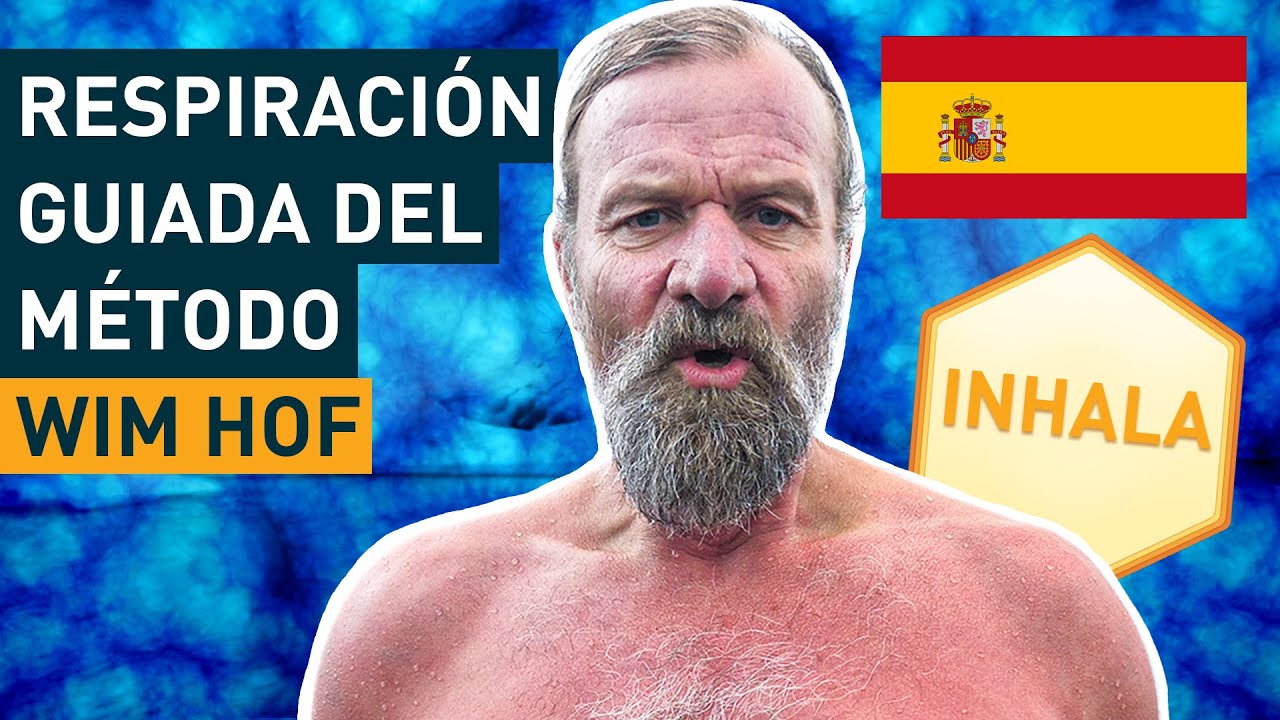
Guided Wim Hof MethodBreathing: 3-Round Session

Wim Hof
Wim Hof
Nov 26, 2019
8 Min. Lesezeit
Ansehen · 8

This is a fully guided, 11-minute Wim Hof Method breathing session consisting of three rounds of deep, rhythmic circular breathing, each followed by a progressive breath hold (one minute in round one, one and a half minutes in rounds two and three) and a 15-second recovery hold. Wim Hof guides the listener verbally through every inhale and exhale, explaining the physiological cues — tingling in hands and feet, shifting body temperature, changes in heartbeat — as normal, expected responses. The session is designed to be practiced sitting or lying down in a safe environment and is accompanied by an audiovisual "breathing bubble" that expands and contracts to maintain pace.

Lesen · 10 Abschnitte

What Is the Wim Hof Method Breathing Technique?

The Wim Hof Method (WHM) breathing technique is a structured breathwork practice developed by Dutch extreme athlete Wim Hof, widely known as "The Iceman." The core mechanics are straightforward: breathe in fully — first into the belly, then into the chest — and let go without forcing the exhale. Critically, Hof instructs practitioners to make the breath "circular," meaning there is no pause between inhalation and exhalation. The rhythm is continuous and wave-like.

Each round consists of approximately 30–40 of these deep, circular breaths performed at a steady pace, followed by a breath hold on the exhale — meaning you stop breathing after letting the air go, not after a full inhale. After the hold, a "recovery breath" is taken: a deep inhale held for 15 seconds, then released. This three-part cycle — power breathing, exhale hold, recovery hold — is then repeated.

How Many Rounds Are in This Guided Session?

The session contains three complete rounds. The breath hold durations increase progressively:

  • Round 1: One-minute breath hold on the exhale, followed by a 15-second recovery hold.
  • Round 2: One and a half minutes breath hold on the exhale, followed by a 15-second recovery hold.
  • Round 3: One and a half minutes breath hold on the exhale, followed by a 15-second recovery hold, then a gradual return to normal breathing.

Hof builds the session intentionally, allowing the body to acclimate before extending the holds. For practitioners who want longer holds, he offers a simple instruction at each hold: "Do you want to prolong your breath hold? Pause the video now and continue when you feel the urge to breathe." This makes the session adaptable across experience levels without changing its fundamental structure.

What Does "Breathe Into the Belly, Into the Chest" Mean?

Hof's breathing cue — "into the belly, into the chest, and let go" — describes a diaphragmatic breath that fills the lungs from the bottom up. On each inhale, the belly expands first as the diaphragm descends, then the chest rises as the upper lungs fill. The exhale is passive: "letting go" rather than pushing out. This two-phase inhale maximises tidal volume (the amount of air moved per breath) and is what distinguishes the WHM from ordinary breathing.

Hof repeatedly uses the phrase "like a wave" to describe the circular, continuous quality of the breath. The wave metaphor is functional, not decorative — it signals that the transition between exhale and the next inhale should be seamless, with no breath-holding or pausing at either end of the cycle. "No pause between inhalation and exhalation," he says across all three rounds.

What Are the Physical Sensations During Wim Hof Breathing?

During round two, as the breath hold extends to ninety seconds, Hof proactively names the sensations practitioners are likely to encounter: "If your hands and feet are tingling or you feel your body temperature is changing, that's okay. You're doing fantastic."

These sensations are physiologically predictable. The rapid, deep breathing cycle causes a significant offloading of carbon dioxide (CO₂) from the blood — a state called hypocapnia. Reduced CO₂ causes blood vessels to constrict slightly and alters calcium ion availability at nerve endings, which produces the characteristic tingling (paresthesia) in the extremities. The perception of temperature change is similarly a result of altered blood flow distribution.

The breath hold that follows each round allows CO₂ to rebuild. During this phase, Hof directs awareness inward: "Become aware of the blood running through your veins, your heart beating. Feel." In round one, he guides practitioners to "slow it down, and just be in this moment," framing the hold not as a feat of endurance but as a window of heightened body awareness.

What Is the "Recovery Breath" in the Wim Hof Method?

After the exhale breath hold in each round, Hof cues a "recovery breath": a full inhale taken in and then held for 15 seconds before being released. This recovery hold is distinct from the main exhale hold. Where the exhale hold works with an empty-ish lung state, the recovery hold works with full lungs, helping re-oxygenate the blood and gently re-pressurize the thoracic cavity. The 15-second duration is consistent across all three rounds. After this hold, Hof counts down from three ("Exhale in three... two... one. Let it go.") and the next round begins.

How Does the Breathing Bubble Guide the Practice?

The video format pairs Hof's verbal guidance with an audiovisual "Breathing Bubble" — a visual element that expands on the inhale and contracts on the exhale. The bubble serves as a pacer, allowing practitioners to maintain rhythm without needing to watch a clock or count breaths internally. Wim himself breathes audibly alongside the viewer throughout the session, so the soundscape functions as an auditory metronome. Background ambient music (composed by Enahm Hof and Niraj Naik) is layered underneath to reduce environmental distractions and support sustained focus on the breath.

What Are the Safety Rules for Wim Hof Breathing?

Hof is explicit that this practice must only be done sitting or lying down in a safe environment. The method is explicitly contraindicated in the following situations:

  • In or near water (swimming pools, showers, baths)
  • Before or during any underwater activity
  • While operating a vehicle or any machinery

The reason is physiological: the hyperventilation phase significantly lowers CO₂, which is the primary trigger for the breathing reflex. A practitioner can lose consciousness without warning — a phenomenon known as shallow water blackout — if a breath hold is performed when submerged. On land, with the practitioner lying or sitting, a brief loss of consciousness is far less dangerous. Hof also notes that tinnitus (ringing in the ears) can occur if the breathing is performed too forcefully, and advises increasing intensity gradually across sessions rather than pushing hard from the outset.

"If this happens, take a step back in your future practice. It's important to increase gradually, not forcefully."

What Is the Intention Behind the Verbal Cues — "In With Peace, Out With Stress"?

Across rounds two and three, Hof introduces a paired intention cue: "In with peace. Out with stress." This is not purely motivational language — it frames the exhale as a deliberate act of release rather than a passive mechanical event. In round three, the pairing shifts slightly to "In with relaxation. Out with the stress," deepening the somatic focus. By the third round, Hof is guiding practitioners to "become aware of the blood running through your veins, your heart beating. Feel." The progression from mechanical instruction (belly, chest, let go) to interoceptive awareness (heartbeat, blood, sensation) reflects a conscious pedagogical arc built into the session's structure.

How Should You End a Wim Hof Breathing Session?

Hof closes the third round with a grounding protocol: "Let your breathing return to normal as you finish up the round. Move your body bit by bit, starting with your fingers and your toes. Let your breathing normalise." This deliberate re-entry — wiggling fingers and toes before sitting up, allowing breathing to self-regulate — mirrors standard breathwork completion protocols and guards against lightheadedness from standing too quickly after a session.

Where to Go From Here

This guided session is a practical entry point, but the Wim Hof Method encompasses two additional pillars beyond breathing: cold exposure (cold showers, ice baths) and commitment/meditation. To go deeper into the breathing practice with longer rounds, extended holds, and instruction on the physiological mechanisms, Wim Hof's online video courses and free mobile app (available at wimhofmethod.com) provide structured progressions. For a full explanation of the method directly from Hof before or after a session, his explanatory walkthrough video covers the rationale behind each component. As always, if you have a cardiovascular condition, epilepsy, or are pregnant, consult a physician before beginning breathwork of this intensity.

Comments

Loading the conversation…

Transcript

[0:01] Hi guys.

[0:02] Welcome.

[0:03] This is a guided breathing session.

[0:06] Relax to the deepest.

[0:08] Lay or sit down.

[0:10] Whatever it takes…

[0:11] Relax.

[0:13] Are you ready?

[0:14] Here we go.

[0:18] Round number one.

[0:22] Breathe in.

[0:23] Breathe out.

[0:24] Breathe in.

[0:26] Breathe out.

[0:28] Just go with the flow of the breath.

[0:34] In.

[0:36] Out.

[0:37] In.

[0:39] Out.

[0:40] In.

[0:42] Out.

[0:43] In.

[0:45] Out.

[0:46] Into the belly.

[0:47] Into the chest.

[0:49] And let go.

[0:50] Like a wave.

[0:53] Make it circular.

[0:56] Fully in.

[0:57] Letting go.

[0:59] Just keep on going.

[1:04] No pause between inhalation and exhalation.

[1:20] Ten more.

[1:21] Fully in.

[1:22] Letting go.

[1:39] Five more.

[1:40] Let's give it all we got.

[1:51] Last one.

[1:52] Fully in.

[1:54] And let go.

[1:56] All right.

[1:57] One minute breath hold from now on.

[2:02] Be in this moment.

[2:06] Let the body do what the body is capable of doing.

[2:14] Be aware of your heartbeat..

[2:17] Slow it down,

[2:19] and just be in this moment.

[2:25] Let that relaxation spread down to your toes,

[2:29] into your fingertips,

[2:31] to the base of your neck and head.

[2:37] You are almost there.

[2:39] Do you want to prolong your breath hold?

[2:42] Pause the video now and continue when you feel the urge to breathe.

[2:49] Ok.

[2:50] Recovery breath in...

[2:51] Five.

[2:52] Four.

[2:53] Three.

[2:54] Two.

[2:55] One.

[2:57] Take a deep breath in and hold for 15 seconds.

[3:10] Exhale in three...

[3:12] Two.

[3:13] One.

[3:14] Let it go.

[3:16] Round number two.

[3:18] Back into that rhythm.

[3:20] Breathe in.

[3:21] Breathe out.

[3:23] Breathe in.

[3:24] Breathe out.

[3:36] In.

[3:37] Out.

[3:39] In.

[3:40] Out.

[3:42] In.

[3:43] Out.

[3:44] Into the belly,

[3:46] Into the chest,

[3:47] and let go.

[3:49] Like a wave.

[3:51] Make it circular..

[3:54] Fully in.

[3:56] Letting go.

[3:58] Just keep on going.

[4:03] No pause between inhalation and exhalation.

[4:10] In with peace.

[4:12] Out with stress

[4:22] Ten more.

[4:23] Fully in.

[4:24] Letting go.

[4:26] Nice deep circular breaths.

[4:37] Five more.

[4:38] Let's give it all we got.

[4:50] Last one, fully in...

[4:53] and on the exhale...

[4:55] Stop.

[4:56] One a half minute breath hold from now on.

[5:03] Feel.

[5:04] Become aware of your body.

[5:13] If your hands and feet are tingling or you feel your body temperature is changing,

[5:19] that's ok.

[5:38] You're doing fantastic.

[5:54] If you need to breathe before I give the cue,

[5:57] that's okay.

[6:08] You are almost there.

[6:13] Do you want to prolong your breath hold?

[6:15] Pause the video now and continue when you feel the urge to breathe.

[6:23] When you are ready...

[6:25] Fully in,

[6:27] and hold for 15 seconds.

[6:38] Exhale in three...

[6:40] Two.

[6:41] One.

[6:42] Let it go.

[6:44] Round number three.

[6:47] Back into that rhythm.

[6:49] Breathe in.

[6:50] Breathe out.

[6:52] Breathe in.

[6:53] Breathe out.

[6:57] In with the relaxation.

[7:00] Out with the stress.

[7:04] In .

[7:06] Out.

[7:07] In.

[7:09] Out.

[7:10] In.

[7:12] Out.

[7:13] Into the belly,

[7:14] into the chest,

[7:15] and let go.

[7:17] Like a wave.

[7:20] Make it circular.

[7:23] Fully in.

[7:24] Letting go

[7:26] Just keep on going.

[7:31] No pause between inhalation and exhalation.

[7:39] In with peace

[7:40] Out with stress.

[7:51] Ten more.

[7:52] Fully in.

[7:53] Letting go.

[7:57] Nice deep circular breaths.

[8:06] Five more.

[8:07] Let's give it all we got.

[8:18] Last one.

[8:19] Fully in.

[8:21] And on the exhale...

[8:23] Stop.

[8:25] One and a half minute breath hold from now on.

[8:41] Become aware of the blood running through your veins,

[8:46] your heart beating.

[8:48] Feel.

[9:23] Thirty seconds left.

[9:36] You are almost there.

[9:41] Do you want to prolong your breath hold?

[9:44] Pause the video now and continue when you feel the urge to breathe.

[9:52] Alright.

[9:54] Breathe in.

[9:55] And hold for 15 seconds.

[10:07] Exhale in three...

[10:09] Two.

[10:10] One.

[10:11] Let it go.

[10:15] Let your breathing return to normal as you finish up the round.

[10:20] Move your body bit by bit,

[10:23] starting with your fingers and your toes.

[10:26] Let your breathing normalise.

[10:32] If you liked this guided breathing session,

[10:35] we’ve got more for you...

[10:37] We have a free app on our website

[10:41] Download it.

[10:42] It’s good stuff.

[10:45] Thanks for your time.

[10:47] And I wish you a good night,

[10:49] or a good day,

[10:50] and a good life.

[10:52] All the love.

[10:53] All the power.

Wim Hof
ArtistWim Hof

Dutch extreme athlete known as 'The Iceman' for his ability to withstand extreme cold. Developed the Wim Hof Method combining breathing techniques, cold exposure, and meditation, w…

Profil ansehenWebsite
Themen erkunden
Wim-hof-methodBreathworkBreath-holdsHyperventilationCold-exposure

Hast du Fragen?

Häufig gestellte Fragen

Daily practice is common among WHM practitioners. Hof recommends increasing intensity gradually rather than forcefully — if symptoms like tinnitus appear, ease back. Always practice sitting or lying down, never near water or while driving.
Tingling in the extremities is caused by hypocapnia — a drop in blood CO₂ levels from the rapid, deep breathing cycle. This reduces CO₂ in the blood, slightly constricts blood vessels, and alters nerve sensitivity. Hof explicitly names this sensation during round two and confirms it is a normal, expected response.
The exhale hold is performed after letting the air go — you stop on an empty lung. The recovery breath hold comes after a full deep inhale and lasts 15 seconds. They serve different functions: the exhale hold deepens the hypocapnic state, while the recovery hold re-oxygenates the blood and helps the body reset before the next round.
This guided session is structured around three rounds and is suitable for beginners. Hof builds hold times progressively — one minute in round one, one and a half minutes in rounds two and three — and allows practitioners to pause and extend holds at their own pace, making it accessible for first-timers.
The deep breathing dramatically lowers CO₂, which is the body's primary urge-to-breathe signal. This means a practitioner can lose consciousness without warning — a phenomenon called shallow water blackout — before feeling any distress. In water, this is life-threatening; on land in a seated or lying position, it is far less dangerous.
Circular breathing in the WHM context means there is no pause between the end of the exhale and the start of the next inhale. The breath flows continuously like a wave — belly expands, chest rises, air releases — with no holds or gaps during the active breathing phase. Hof repeats 'no pause between inhalation and exhalation' as a core instruction across all three rounds.
This guided session runs approximately 11 minutes and covers three complete rounds. Each round includes the power breathing phase, a breath hold (one to one and a half minutes), and a 15-second recovery hold. Total active breath-holding time across the session is roughly four to five minutes.

Weiterlesen

More from Wim

Alle anzeigen
Wim Hof Breathing Method: Guided Practice for Stress Relief
Inspire

Wim Hof Breathing Method: Guided Practice for Stress Relief

Learn the Wim Hof breathing technique through a step-by-step guided session. Discover how rhythmic breathing, breath holds, and recovery imp…

1 min read
Wim Hof Breathing Exercises: Guided 3-Round Protocol for Beginners
Inspire

Wim Hof Breathing Exercises: Guided 3-Round Protocol for Beginners

Learn the three-round Wim Hof breathing technique at a slower pace, progressing from 30-second to 90-second breath holds for nervous system …

1 min read
Finger Mudra Shifts Breathing Pattern: Soma Breath Explained
Inspire

Finger Mudra Shifts Breathing Pattern: Soma Breath Explained

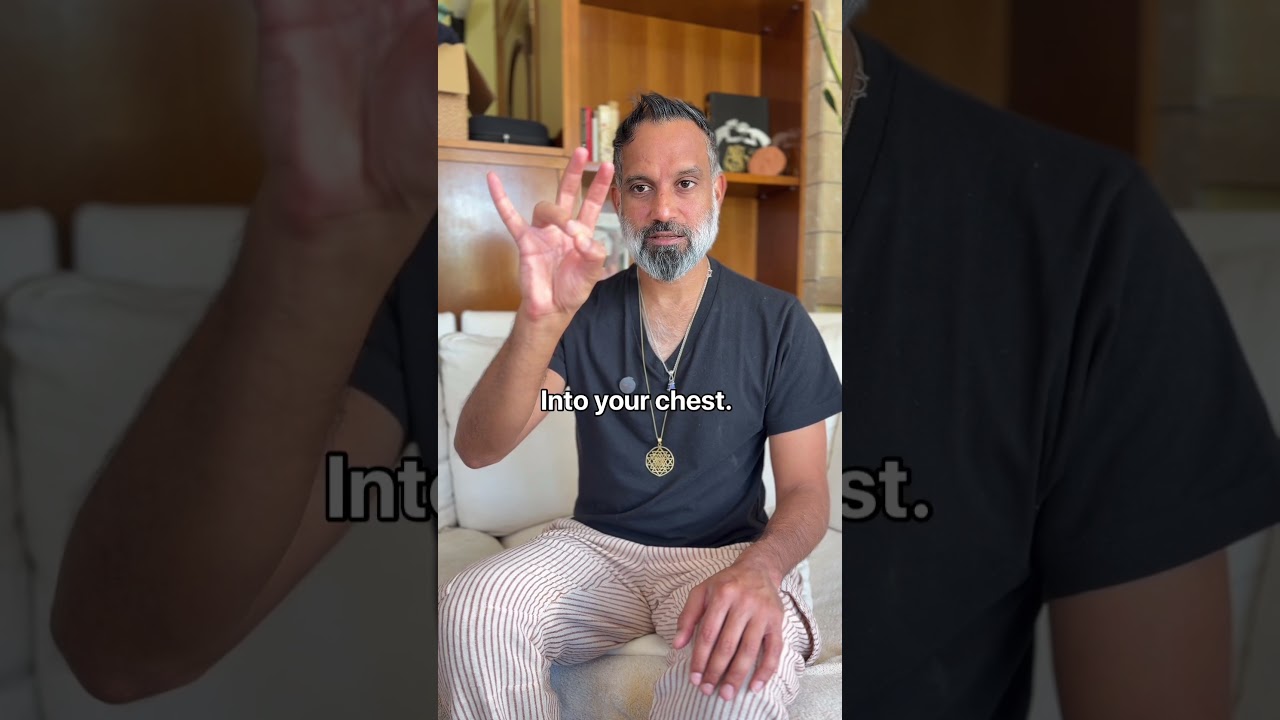
Different finger combinations trigger distinct breathing patterns. This SOMA Breath technique demonstrates how simple hand positions reflexi…

1 min read
Guided Breathwork Meditation: Access Gamma Brainwaves for Clarity
Inspire

Guided Breathwork Meditation: Access Gamma Brainwaves for Clarity

A 30-minute soma breath meditation combining rhythmic breathing, toning, and visualization to activate gamma brainwaves, meet your higher se…

1 min read

Weiter erkunden

Setze deinen Weg fort

Mehr Weisheit und Zusammenkünfte aus dem BrightStar-Verzeichnis.

Mehr Artikel

Durchstöbere die ganze Bibliothek an Lehren, Interviews und Leitfäden.

Zu allen Artikeln →

Lehrer & Künstler

Entdecke die Linien, Musiker und Wegbegleiter der bewussten Welt.

Künstler erkunden →

Event finden

Kirtan, Retreats, Klangbäder, Atemarbeit, Festivals — bald in deiner Nähe.

Events ansehen →