

Debora lasoen
Poet
Über
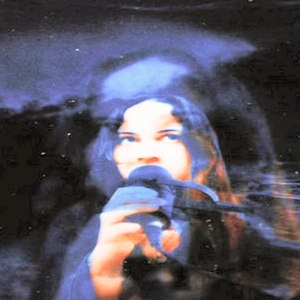
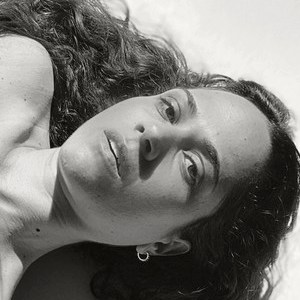
Debora Lasoen is a poet, musician and yoga teacher based between Berlin and Ibiza. Her work begins where poetry becomes music, ritual and movement. She creates spaces to soften, to feel and to remember what matters, and she explores how art and presence can help us reconnect with ourselves and with each other.
Debora Lasoen is a poet, musician and yoga teacher based between Berlin and Ibiza. Her work begins where poetry becomes music, ritual and movement. She creates spaces to soften, to feel and to remember what matters, and she explores how art and presence can help us reconnect with ourselves and with each other.
Her book of poems, SALT, turns heartbreak into hope. It follows a search for meaning and a journey into loneliness, the kind that, when felt and nurtured, turns darkness into light. The book is organised into six chapters, each built around a word such as sonder, metanoia or agape.
As a yoga teacher she offers yin and yang yoga, breath and intuitive movement. She approaches yoga as an artistic practice and a tool of self-transformation, and she invites people to come as they are. She is also a certified yoga teacher, sound healer, coach and meditation practitioner. She draws on a multicultural and multidisciplinary background to create a warm, intuitive and sensitive landscape for peace, connection and softness.
Her music is released under the name LEONCE, with songs written like poems. She also leads Goddesses Gathering, a women-only retreat at a finca by the sea in Ibiza. It combines movement, breath, sound, ritual, journaling and sisterhood.


FAQ
Questions
Debora Lasoen is a poet, musician and yoga teacher who splits her time between Berlin and Ibiza, and the thread connecting her roles is the point where poetry becomes music, ritual and movement. Her most substantial literary work is the book of poems SALT, which takes heartbreak as its raw material and follows a search for meaning through loneliness that the book argues can be felt and tended rather than escaped. On the music side she releases under the name LEONCE, writing songs that are built like poems rather than conventional verse-and-chorus pop. Her teaching follows the same logic: she treats yoga as an artistic practice and a tool of self-transformation rather than primarily as fitness. Serious interest tends to come from people who want these disciplines to stay connected instead of being sold as separate products. The catalogue is still small, so the appeal lies less in volume than in how coherently the work hangs together.
No named lineage or teacher appears in the material available, so the honest reading is that her work is a personal synthesis rather than a direct transmission from a single school. Her bio points instead to a multicultural and multidisciplinary background and describes her as a certified yoga teacher, sound healer, coach and meditation practitioner. The yoga she teaches is organised around yin and yang, two established frameworks where yin usually means long, passive holds that work into connective tissue and yang is more muscular and active. Her breath work and intuitive movement are presented as her own methods built on those foundations, not as a formal tradition with one documented root. Poetry, sound and movement are combined into a single practice, and that combination is the most defining feature of her lineage. Students looking for a guru-disciple chain will not find one here, and the absence of a named line is itself a useful signal about how she teaches.
For a reader who comes to poetry first, SALT is the most complete statement of what Debora Lasoen does, organised into six chapters each built around a single word such as sonder, metanoia or agape. Those chapter titles give structure to the heartbreak-to-hope arc, so reading one chapter at a time is a workable entry point. For listeners who come through sound first, the three-track release Hevox from January 2026 is the most compact introduction to the LEONCE songs. The singles that followed, Waterweaver, Rituals coming, We are Goddesses and Time's running, extend the same thread of ritual and softness. Newcomers curious about the practice itself can pair the reading or listening with a yin or yang class, since the book and the teaching share a vocabulary of softening. No single album is established as canonical in the data, so the choice depends on which medium draws the listener first. The singles are better absorbed slowly, one at a time, than treated as a list to finish in one sitting.
What separates Debora Lasoen from most poets working in the wellness space is that the poems are not meant to stay on the page: they are designed to become music, ritual and movement. Her songs under LEONCE are described as written like poems, which means the lyric is the primary structure rather than a hook attached to a beat. The book SALT is organised around single words such as sonder, metanoia and agape, giving it a conceptual architecture closer to a philosophical glossary than to the confessional free verse common in the genre. Her move from heartbreak to hope runs through loneliness rather than quick consolation, a choice that asks the reader to remain with discomfort. Most poets in this space write about healing from the outside, whereas she positions her poems as part of the same practice as yin yoga and breathwork. The contrast is one of method rather than subject. Readers expecting a conventional book tour or a steady stream of collaborations may find the output modest by comparison.
Debora Lasoen's work is not built for listeners who want high-energy material, since the singles and the Hevox release rely on slow, reflective pacing that matches the yin end of her teaching far more than any dance or club idiom. Readers who want poems with clear narrative plots or regular rhyme schemes may find SALT too interior, because it moves through a word-by-word structure rather than a story. Yoga students expecting a strenuous vinyasa session will likely be surprised by the emphasis on stillness, breath and intuitive movement, and her yang practice is the only part of the teaching that asks for sustained effort. Her women-only Goddesses Gathering suits people who want sisterhood and ritual, but it excludes men by design. Those seeking a credentialed lineage with a long institutional history or heavy press coverage will not find either in the current record. The honest audience is people who already take reflective art and gentle practice seriously.
The directory currently lists no upcoming events, so the most reliable way to track Debora Lasoen's activity is her official website, deboralasoen.com, along with her Spotify artist page, where new singles appear as separate releases. Her 2026 releases have arrived in a steady sequence: Hevox in late January, Waterweaver in April, Rituals coming in May, We are Goddesses in mid-May and Time's running in August. Her base between Berlin and Ibiza means announcements may come from either city, and the Goddesses Gathering in Ibiza is the most clearly defined recurring event in the record. Anyone wanting notice of dates should check the website directly rather than relying on third-party aggregators, which can lag behind. The pace suggests a deliberate, release-led rhythm rather than a heavy touring schedule. Because no events have been crawled, the calendar should be verified on her own channels before any travel is planned.
Debora Lasoen teaches yin and yang yoga alongside breath and intuitive movement, and she frames the practice as an artistic discipline as much as a physical one. A yin-leaning session in her framework is slow and held, designed to soften the body and let the mind settle, while yang work introduces more active movement and heat. She explicitly invites students to come as they are, which points to a non-performative room where beginners and experienced practitioners share the floor. Her certifications as a sound healer, coach and meditation practitioner mean breath and sound often appear within the same class rather than as separate add-ons. Her Goddesses Gathering, a women-only retreat at a finca by the sea in Ibiza, combines movement, breath, sound, ritual, journaling and sisterhood. Students who want precise technical instruction or a rigid sequence may find the approach more improvisational than expected.
The recurring themes in Debora Lasoen's teaching and writing are softness, feeling, remembering and reconnection, language that her own bio gives as the stated purpose of her spaces. Heartbreak and loneliness, which anchor SALT, reappear as material to be felt and nurtured rather than avoided, so darkness becomes a site for change instead of a problem to fix. Presence links the poetry, the songs and the yoga, with breath acting as the common bridge between them. Art and self-transformation are treated as connected pursuits, and the teaching treats the body as a place where poetic ideas can be tested. Connection with others, both in the room and at the Goddesses gatherings, is framed as part of healing rather than a side effect. Readers seeking a doctrinal or theological framework will find these themes personal and psychological rather than dogmatic.
The directory records no published talks, lectures or audio teachings by Debora Lasoen, so there are no clearly identified recorded sessions for independent study. Her written work is the most concrete self-contained material, with SALT presenting her reflective thinking in a structured form across six chapters. Her music, released as singles and the three-track Hevox, carries some of the same reflective content, though it is not framed as instruction. Students who want guided practice will need to attend a class or retreat, or check her website for any materials it may offer. No YouTube or Apple Music presence is listed, so there are no third-party recordings to point to. Anyone expecting a body of free audio lessons should look elsewhere for now. Her teaching lives mostly in person and in the poems.
The bio presents no prerequisite training, and Debora Lasoen describes her yoga as open to people who come as they are, which suggests beginners and experienced students share the same space. Her yin practice is particularly accessible because it relies on long, passive holds and does not require flexibility or strength to begin. Yang yoga adds more active effort, so people with injuries or limited mobility would be wise to speak with her beforehand. Familiarity with yoga vocabulary helps but is not described as required. Following the poetry and music requires no prior training in verse or composition, though the SALT chapters are built around specific words such as sonder and metanoia, which can reward a reader already comfortable with those terms. The gentlest entry is simply attending a class or listening to the singles without a fixed plan. Nothing in the record suggests her teaching depends on a particular lineage or initiation.





Bist du das? Diese Seite beanspruchen ›
There's more where this came from.
BrightStar is the global directory of artists, teachers, and healers in the wellness and spiritual movement. Find your next experience — or add yourself.
Discover More Artists
Browse 14,000+ curated profiles across kirtan, yoga, meditation, and beyond.
Explore directory →Find an Event Near You
Kirtan, retreats, sound baths, breathwork, ceremonies — happening this week.
Browse events →Add Your Profile
Are you an artist, teacher, or healer? Get listed — free, AI-assisted, live in minutes.
Get started →