BrightStar
BlogI miei biglietti
Saved events
Aiuto e contattiRegistratiAccedi
Eventi
  • Sfoglia tutti i Eventi
  • Yoga
  • Meditazione
  • Breathwork
  • Qigong
  • Musica sacra
  • World music
  • Musica medicina
  • Sound healing
  • Danza estatica
  • Cerimonia
  • Medicina delle piante
  • Guarigione energetica
  • Satsang e saggezza
  • Tantra
  • Ritiri
  • Tutte le categorie →
Destinazioni
  • Bali
  • Sedona
  • Los Angeles
  • Costa Rica
  • Tulum
  • Byron Bay
  • San Francisco
  • Austin
  • New York
  • San Diego
  • Denver
  • Seattle
  • Portland
  • Miami
  • London
  • Maui
  • Boulder
  • Tutte le città →
Piattaforma
  • Per organizzatori
  • Unisciti al movimento
  • Sell Globally
  • Per i creatori
  • Per team
  • Per gli scrittori
  • Per gli insegnanti
  • Per gli artisti kirtan
  • Per gli studi
  • Per i festival
  • Per i centri ritiro
  • Per le no-profit
  • Ambasciatore del brand
  • Biglietteria gratuita
  • Pro
  • Amplify
  • L’ecosistema
Funzionalità

Biglietteria e acquisto

  • Ticket categories
  • Assigned seating
  • Custom questions
  • Coupon codes
  • Smart pricing
  • Ticket sharing
  • Waitlist
  • Flexible refunds
  • Digital waivers
  • Tip jar
  • Donations and sliding scale
  • Embed widget
  • Mindful checkout
  • Recurring events
  • Private sessions
  • Online courses
  • Summits
  • Rooms and stays
  • Ticket scanner

Marketing e crescita

  • Abandoned cart recovery
  • Visitor recovery
  • Upsells and add-ons
  • Affiliate engine
  • Upsell affiliate network
  • Brand ambassador
  • Meta retargeting
  • Verified buyer network
  • Outbound email marketing
  • Email sequences
  • SMS and WhatsApp
  • Event upsell network
  • Direct mail campaigns
  • SEO engine
  • Syndication
  • Event sharing
  • Custom event pages
  • Artist profiles
  • Link in bio
  • Event blog
  • Blog newsletter

Pagamenti

  • Payments, powered by Stripe
  • Buy now, pay later
  • Apple Wallet
  • Multi currency

Dati e operazioni

  • Team access
  • Message center
  • Reports
  • Analytics reporting
  • Performance reporting
  • Customer data
  • Integrations
  • Switch from another platform

IA

  • Assistant
  • AI FAQ assistant
  • Tutte le funzionalità →
Azienda
  • Chi siamo
  • Domande frequenti
  • Contatti
  • Blog
  • Glossario
  • Guides
  • Ispirazione
  • Centro assistenza
  • Documentazione API
  • Risorse del brand
  • Stampa
  • Termini di servizio
  • Informativa sulla privacy

Eventi

  • Sfoglia tutti i Eventi
  • Yoga
  • Meditazione
  • Breathwork
  • Qigong
  • Musica sacra
  • World music
  • Musica medicina

Destinazioni

  • Bali
  • Sedona
  • Los Angeles
  • Costa Rica
  • Tulum
  • Byron Bay
  • San Francisco
  • Austin

Piattaforma

  • Per organizzatori
  • Unisciti al movimento
  • Sell Globally
  • Per i creatori
  • Per team
  • Per gli scrittori
  • Per gli insegnanti
  • Per gli artisti kirtan

Funzionalità

  • Rete della comunità
  • Recupero carrelli abbandonati
  • Categorie di biglietti
  • Eventi ricorrenti
  • Posti assegnati
  • Sistema affiliati
  • Lista d'attesa / Notifica
  • Tutte le funzionalità →

Azienda

  • Chi siamo
  • Domande frequenti
  • Contatti
  • Blog
  • Glossario
  • Guides
  • Termini di servizio
  • Informativa sulla privacy
Leggi di più

Eventi

  • Sound healing
  • Danza estatica
  • Cerimonia
  • Medicina delle piante
  • Guarigione energetica
  • Satsang e saggezza
  • Tantra
  • Ritiri
  • Tutte le categorie →

Destinazioni

  • New York
  • San Diego
  • Denver
  • Seattle
  • Portland
  • Miami
  • London
  • Maui
  • Boulder
  • Tutte le città →

Piattaforma

  • Per gli studi
  • Per i festival
  • Per i centri ritiro
  • Per le no-profit
  • Ambasciatore del brand
  • Biglietteria gratuita
  • Pro
  • Amplify
  • L’ecosistema

Azienda

  • Ispirazione
  • Centro assistenza
  • Documentazione API
  • Risorse del brand
  • Stampa

Biglietteria e acquisto

  • Ticket categories
  • Assigned seating
  • Custom questions
  • Coupon codes
  • Smart pricing
  • Ticket sharing
  • Waitlist
  • Flexible refunds
  • Digital waivers
  • Tip jar
  • Donations and sliding scale
  • Embed widget
  • Mindful checkout
  • Recurring events
  • Private sessions
  • Online courses
  • Summits
  • Rooms and stays
  • Ticket scanner

Marketing e crescita

  • Abandoned cart recovery
  • Visitor recovery
  • Upsells and add-ons
  • Affiliate engine
  • Upsell affiliate network
  • Brand ambassador
  • Meta retargeting
  • Verified buyer network
  • Outbound email marketing
  • Email sequences
  • SMS and WhatsApp
  • Event upsell network
  • Direct mail campaigns
  • SEO engine
  • Syndication
  • Event sharing
  • Custom event pages
  • Artist profiles
  • Link in bio
  • Event blog
  • Blog newsletter

Pagamenti

  • Payments, powered by Stripe
  • Buy now, pay later
  • Apple Wallet
  • Multi currency

Dati e operazioni

  • Team access
  • Message center
  • Reports
  • Analytics reporting
  • Performance reporting
  • Customer data
  • Integrations
  • Switch from another platform

IA

  • Assistant
  • AI FAQ assistant
Scarica l'app
Scarica suApp StoreDisponibile suGoogle Play
© 2026 BrightStar. Tutti i diritti riservati. BrightStar Selection · Crediti fotografici · Registro delle modifiche ·
Inspiration

Tukaram's Posture Wisdom: Divine Presence in Every Position

Radhika Das
Radhika Das
Jun 5, 2024
8 min di lettura

Da Radhika Das

Guarda · 5

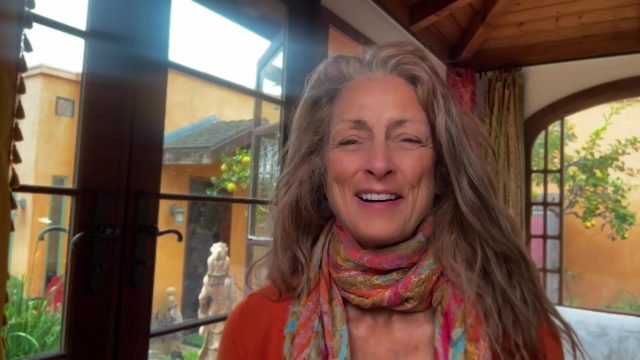
Saint Tukaram, the 17th-century Marathi saint-poet, articulated a progressive teaching about how Divinity responds to us based on our physical posture and inner action during chanting and devotion. His wisdom suggests that when we lie down and chant, Divinity comes close; when we sit and chant, Divinity stands with us; when we stand and chant, Divinity dances beside us. But the deepest reciprocal encounter occurs when we ourselves dance and chant—only then does Divinity fully embrace us. This teaching collapses the boundary between physical form and spiritual presence, showing that the body itself becomes a vehicle for divine communion when animated by devotional practice.

Lettura · 8 sezioni

Who Was Saint Tukaram and Why Does His Teaching Still Matter?

Saint Tukaram (1608–1649) was a Marathi-language saint-poet whose devotional songs, called abhang, remain central to the bhakti tradition in Maharashtra. Unlike many Hindu spiritual figures, Tukaram came from a merchant caste background and lived a householder's life—he married, had children, and struggled with debt and social hardship. Yet his poetry and spiritual insight earned him recognition as one of the foremost voices of devotional love (bhakti) directed toward Lord Vitthal (Krishna) of Pandharpur.

His teaching about posture and divine presence is not merely poetic metaphor. In the bhakti tradition, the body is not treated as an obstacle to spiritual realization—as it is in some ascetic lineages—but as a sacred instrument through which love and surrender flow toward the divine. Tukaram's message directly addresses a question that practitioners face: Does my effort matter? Does how I sit, stand, or move while I pray affect my relationship with God?

What Does Tukaram Teach About Lying Down and Chanting?

When you lie down and you chant, according to Tukaram, Divinity comes and sits right next to you. This opening posture is significant. Lying down is a vulnerable position. In daily life, we lie down to rest, to surrender the day's activities, to move toward sleep and the dissolution of the waking mind. When a person in this receptive, horizontal state turns toward chanting—toward naming the divine, calling out through sound—Tukaram teaches that Divinity responds by drawing near.

The gesture is tender and intimate. Divinity does not stand aloof or demand that you rise to meet it on greater terms. Instead, it comes and sits beside you in your vulnerability. This teaches that no posture is too humble, no state too weak, for divine presence to acknowledge. Many practitioners chant their mantras or prayers in bed before sleep or upon waking. Tukaram's teaching validates this practice: the divine is already meeting you there.

What Changes When You Sit and Chant?

When you sit and chant, the great Saint Tukaram says that Divinity stands right next to you. The shift from lying to sitting represents a subtle but real increase in agency and presence. Sitting is the classical posture for meditation and prayer across many traditions—it is upright, stable, and intentional. The spine is aligned; the nervous system is alert. When you sit and chant, you are no longer in passive rest; you are actively engaged in devotional practice.

Tukaram teaches that this heightened posture of intention is met with a corresponding shift in divine presence. Divinity now stands—it is present, alert, and engaged with you. Where before Divinity sat beside you in compassion, now it stands with you in active participation. This suggests a reciprocal deepening: as your effort and attention increase, so does the divine response and presence.

What Happens When You Stand and Chant?

When you stand and chant, Divinity dances right beside you. Standing is the most mobile and dynamic of the three stationary postures. To stand is to be ready, upright, and fully present. When your body is vertical and your voice is raised in chant, you are no longer in a posture of rest or formal meditation—you are engaged, energized, and participating with your whole being.

At this stage of intensity and presence, Tukaram teaches that Divinity does not merely sit or stand, but dances. Movement, joy, and spontaneous expression enter the relationship. The divine is not static or bound by propriety; it responds to your aliveness with its own. The angel dances beside you. This teaches that spiritual practice is not grim or effortful in a constrained way, but alive with play and delight. When you bring your full presence—your standing, your voice, your attention—the divine responds not with formal acknowledgment but with the freedom and joy of dance.

But Hear This: When You Dance and Chant, Divinity Embraces You

Yet Tukaram reserves his most powerful teaching for the final posture: when you dance and chant, Divinity embraces you. Dancing is the fullest expression of bodily participation in devotion. It is not a meditative posture or a formal prayer position. It is exuberant, embodied, unrestrained by convention. When you dance, you give your body entirely to the expression of love and devotion. The body becomes the prayer.

At this threshold, the relationship transforms. Divinity no longer stands beside you or dances nearby—it embraces you. Embrace implies closure, intimacy, and union. The space between self and divine collapses. You are held, not merely accompanied. This is the culmination of Tukaram's teaching: the greatest intimacy with Divinity does not come through mental understanding or correct posture or formal prayer, but through the surrender of your entire embodied self in dance and song.

This teaching dissolves the false divide between sacred and profane, between spiritual and physical. The body is not a distraction to transcend; it is the very vehicle through which the deepest communion with the divine becomes possible. Dance, in this sense, is not entertainment or performance. It is an act of total self-offering.

What Is the Spiritual Logic Beneath This Progression?

Tukaram's teaching follows a clear progression of offering and reciprocity. In the beginning, when you are at rest and vulnerable, you offer your voice—your chant. Divinity responds by drawing near. As you sit and gather your presence more fully, you intensify your offering. Divinity responds with greater engagement. When you stand and chant, you offer your height, your uprightness, your energy. Divinity's response is to dance alongside you. And finally, when you dance and chant, you offer your entire being—your body, your joy, your unguarded expression. At this point of total offering, Divinity's response is total embrace.

The teaching suggests that there is no hierarchy of spiritual worth in these positions. A person who can only lie down and whisper a mantra receives divine presence. But it also suggests that the depth of reciprocal intimacy deepens as you offer more of yourself. This is not about performance or achievement; it is about the honest, progressive surrender of your physical form and presence to devotional practice.

How Does This Teaching Apply to Modern Practitioners?

In contemporary spiritual practice, many people approach devotion and prayer as something that happens primarily in the mind—through visualization, affirmation, or conceptual understanding. Tukaram's teaching pulls us back into the body and into the immediate, physical relationship between our posture and our spiritual state.

It also validates the role of movement in spiritual practice. While meditation and sitting practice are valuable, Tukaram elevates dance, singing, and embodied chanting as paths to the deepest union with the divine. This resonates with contemporary understandings of somatic practice, where the body is recognized as a site of healing, wisdom, and transformation—not as something to be transcended or controlled, but as a trusted guide.

For those drawn to bhakti traditions, kirtan, ecstatic devotion, or any practice that combines singing and movement, Tukaram's teaching offers philosophical grounding. The dance is not self-indulgence; it is the highest form of prayer. The embrace is real; it is the goal toward which all prior practice moves.

Where to Go From Here

To deepen engagement with Tukaram's wisdom, consider exploring his abhangs—his devotional poems—in translation. Scholars and practitioners like A.K. Ramanujan have translated his work, and these poems contain the full density of his spiritual vision. You might also experiment with his teaching directly: try chanting a mantra or devotional phrase while lying down, sitting, standing, and finally dancing, noticing how each posture creates a different quality of presence and relationship.

If you are drawn to kirtan or call-and-response devotional singing, understand that you are participating in a lineage that goes back to figures like Tukaram, who taught that the voice, the body, and divine presence are never separate. The embrace Tukaram speaks of is available now, in this lifetime, through the practices of bhakti. The invitation is to offer yourself fully—first your voice, then your presence, then your movement—and to discover that Divinity has been waiting, always, to meet you where you are.

Commenti

Caricamento della conversazione…

Transcript

[0:00] the great Saint tukaram he says that

[0:04] when you lie down and you

[0:06] chant Divinity comes and sits right next

[0:09] to

[0:12] you when you sit and you chant the great

[0:16] s tuam says that Divinity stands right

[0:19] next to

[0:24] you when you stand and you

[0:28] Chan Divinity dances is right beside

[0:32] you but hear this the great St tgram

[0:36] says when you dance and you

[0:39] Chan Divinity Embraces you

[0:50] [Applause]

L'artista di questa storia

Radhika Das

Radhika Das

Musician

London-based mantra artist and kirtan leader who sees sacred sound as a doorway to connection, healing and joy, sharing it with students worldwide.

Vedi il profilo
Esplora i temi
Bhakti devotionTukaramPosture prayerDivine embraceEmbodied spirituality
Domande frequenti

Domande frequenti

Tukaram teaches that divine presence responds progressively to your physical posture during chanting: lying down, Divinity sits near you; sitting, Divinity stands with you; standing, Divinity dances beside you; dancing, Divinity embraces you. Each posture invites a deeper level of divine reciprocity.

Dancing represents total bodily surrender and offering of yourself. When you dance and chant together, you are giving your entire being—not just your voice or attention—to devotion. This complete self-offering invites the deepest intimacy: divine embrace.

Both. Tukaram's teaching uses physical posture as a language for inner surrender. The actual positions matter because they reflect and deepen your intention, presence, and offering. The body and spirit are not separate in his vision.

Tukaram's teaching suggests there are degrees of intimacy depending on your offering. Lying down and chanting does invite divine presence, but dancing while chanting represents the culmination—the condition for full embrace. However, each posture has its own validity and grace.

Tukaram was a central figure in the Marathi bhakti tradition, which emphasizes devoted love toward God through song, poetry, and embodied practice. His teaching affirms that the body is not an obstacle but a sacred instrument for expressing and deepening devotional love.

An abhang is a devotional poem or song in the Marathi bhakti tradition. Tukaram's abhangs contain his spiritual insights, expressed in accessible, musical language. They remain central to the tradition and are still sung and studied today.

Experiment with chanting or singing a mantra in different postures—lying down, sitting, standing, and dancing—and observe how each position affects your experience of presence and connection. Notice how your body becomes an instrument for deeper devotional intimacy.

Potrebbe piacerti anche

Vedi Tutto
Radhe Govinda Mantra: Awakening Divine Heart Through Transcendental Sound
Inspire

Radhe Govinda Mantra: Awakening Divine Heart Through Transcendental Sound

Experience how the "Radhe Govinda" mantra awakens the heart to its divine nature and brings joy through transcendental sound and sacred kirt…

7 min read
Radhe Govinda Mantra: Sound, Heart Awakening, and Devotion
Inspire

Radhe Govinda Mantra: Sound, Heart Awakening, and Devotion

Explore how the Radhe Govinda mantra awakens the heart to its divine nature through transcendental sound and bhakti practice, purifying mind…

7 min read
Voice Temple Kirtan in Pisac: A Farewell Night of Call and Response
Inspire

Voice Temple Kirtan in Pisac: A Farewell Night of Call and Response

Franko Heke's five-minute highlight reel from a Voice Temple kirtan at Kula Café in Pisac, Peru. What the footage shows and what the call-an…

6 min read
Improvising Mantra: How Friday Night Songs Keep Changing
Inspire

Improvising Mantra: How Friday Night Songs Keep Changing

A violinist's daughter who never plays a song the same way twice explains why her Friday night chants keep changing. Here's what improvisati…

9 min read
Vedi tuttiPotrebbe piacerti anche→

Continua il tuo viaggio

Altra saggezza e altri incontri da tutta la directory BrightStar.

Altri articoli

Sfoglia l’intera raccolta di insegnamenti, interviste e guide.

Torna a tutti gli articoli →

Insegnanti e artisti

Esplora i lignaggi, i musicisti e le guide del mondo consapevole.

Esplora gli artisti →

Trova un evento

Kirtan, ritiri, sound bath, breathwork, festival: in arrivo presto.

Sfoglia gli eventi →