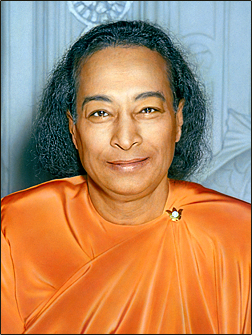
The Hidden Reservoir of Human Potential
Paramahansa Yogananda's assertion that "incredible amounts of energy are hidden in your brain; enough in a gram of flesh to run the city of Chicago for two days" invites us to reconsider our understanding of fatigue and potential. This statement challenges the modern narrative of exhaustion, suggesting that within each of us lies a vast reservoir of untapped energy and capability. It beckons us to explore the depths of our own consciousness and the latent power that resides within, emphasizing that our perceived limitations may be mere illusions.
In a world that often glorifies busyness and productivity, Yogananda's words serve as a poignant reminder of the intrinsic energy that exists within our very being. This energy is not merely physical; it encompasses mental, emotional, and spiritual dimensions. By recognizing this hidden potential, we can shift our perspective on tiredness and lethargy, understanding them not as definitive states but as temporary conditions that can be transcended through awareness and intention.
The image / the metaphor
The imagery in Yogananda's quote is striking, evoking a sense of wonder at the human body's capabilities. The comparison of energy stored in a gram of flesh to the power needed to run a major city for two days paints a vivid picture of the extraordinary potential that lies dormant within us. The verbs chosen—"hidden" and "run"—suggest both a sense of mystery and an active force waiting to be unleashed. This metaphor invites us to visualize our bodies not merely as vessels of fatigue but as dynamic sources of energy capable of monumental feats.
In the speaker's tradition
Paramahansa Yogananda's insights are deeply rooted in the spiritual tradition of Hinduism, where concepts such as prana (life force), dharma (righteous duty), and bhakti (devotion) play pivotal roles. The notion of prana, in particular, resonates with Yogananda's assertion about hidden energy. In yogic philosophy, prana is the vital energy that sustains life, and its cultivation through practices like meditation and breathwork can unlock the potential that Yogananda speaks of. This understanding aligns with the idea that our spiritual journey involves not only the pursuit of knowledge but also the awakening of the latent energies within us.
Moreover, Yogananda's teachings echo the principles found in the Bhagavad Gita, where the importance of self-realization and the mastery of one's inner energies are emphasized. In Chapter 6, for instance, Krishna speaks of the disciplined yogi who can control the mind and senses, thereby accessing a higher state of consciousness. This parallel reinforces the idea that the energy within us is not merely physical but also spiritual, and that through disciplined practice, we can harness it for greater purposes.
Living the teaching
Consider a modern scenario where this teaching might resonate: a busy professional feeling overwhelmed by the demands of work and life. This individual may often declare themselves "tired," yet beneath that fatigue lies a wealth of creativity and energy waiting to be tapped. By engaging in practices such as mindfulness or meditation, they can begin to access the hidden energy within, transforming their experience of exhaustion into one of vitality and inspiration. This shift not only enhances their productivity but also enriches their overall quality of life.
In relationships, the application of Yogananda's teaching can be equally transformative. Imagine a moment of conflict where one partner feels drained and unappreciated. By recognizing that both individuals possess a reservoir of energy and love, they can approach the situation with renewed intention and compassion. Instead of succumbing to fatigue, they can draw upon their inner resources to foster understanding and connection, demonstrating that the energy for healing and growth is always available if we choose to access it.
A reflection
As we contemplate Yogananda's profound statement, we are invited to ask ourselves: "What hidden energies within me remain untapped, and how might I access them?" This question encourages a deep exploration of our own potential, urging us to look beyond the surface of our daily experiences. By reflecting on this inquiry, we can begin to uncover the vast reservoirs of energy that lie within, empowering us to live more fully and authentically.


