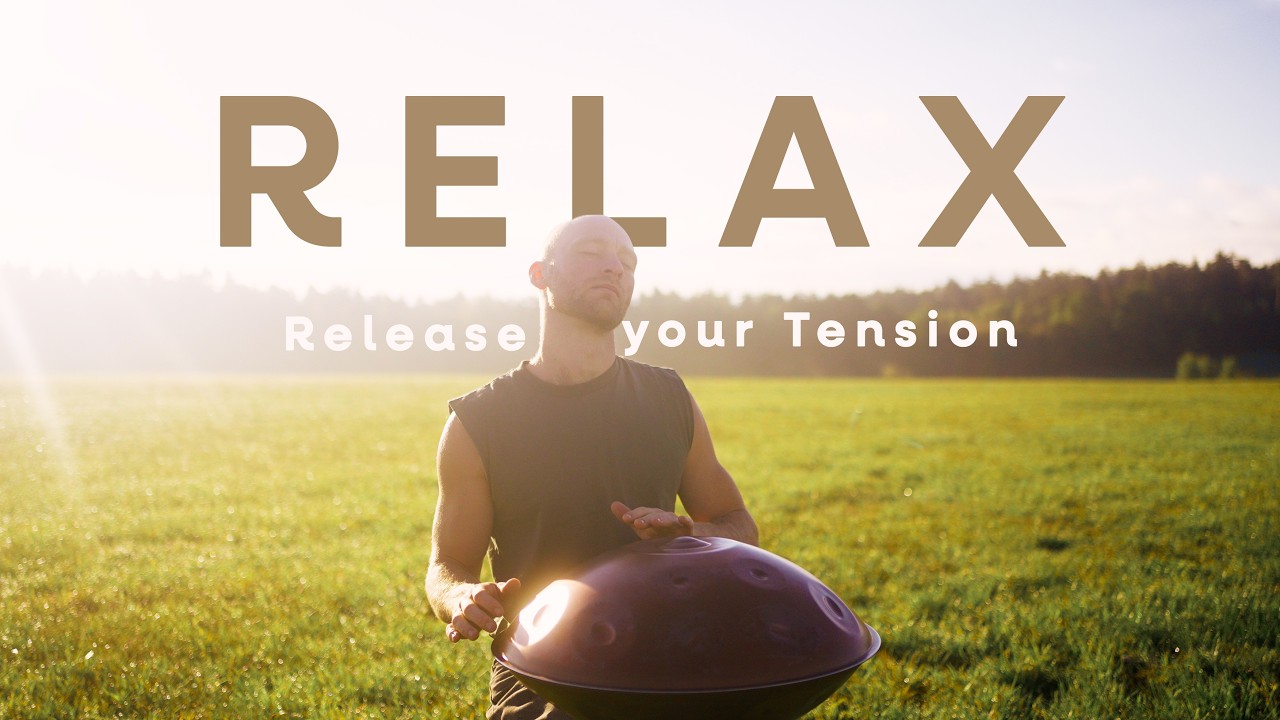
BKS Iyengar's profound assertion that "In the yogic life, every action is asana. Every breath is pranayama. Every thought is meditation" invites us to reframe our understanding of daily existence. This quote encapsulates the essence of yoga as a holistic practice, extending beyond the confines of the mat into the very fabric of our lives. It challenges us to recognize that every facet of our being—our actions, our breath, and our thoughts—can be infused with the sacredness of yoga, transforming the mundane into the extraordinary.
In a world often characterized by distraction and disconnection, Iyengar's words serve as a reminder of the potential for mindfulness in every moment. By integrating the principles of yoga into our daily routines, we cultivate a deeper awareness of ourselves and our surroundings. This perspective not only enriches our personal practice but also fosters a sense of unity with the world around us, encouraging us to live with intention and grace.
The image / the metaphor
At first glance, Iyengar's quote presents a vivid tapestry of imagery that intertwines the physical, the energetic, and the mental aspects of yoga. The term "asana" refers to the physical postures practiced in yoga, yet here it is expanded to encompass every action we take. Similarly, "pranayama," which traditionally denotes breath control, is elevated to signify the very act of breathing itself, while "meditation" transforms into a state of being that permeates our thoughts. The verbs chosen—action, breath, thought—evoke a sense of dynamism and fluidity, suggesting that yoga is not a static practice confined to specific moments but a continuous flow of engagement with life.
Diving deeper into the metaphor, we can see that Iyengar is inviting us to perceive our existence as a series of interconnected practices. Each action, no matter how trivial it may seem, can be approached with the same reverence as a yoga pose. This perspective encourages us to cultivate mindfulness in our daily lives, recognizing that every breath we take can be a source of vitality and every thought can be a moment of reflection. In this way, the metaphor of yoga transcends physicality, inviting us to engage with life as a sacred practice.
In the speaker's tradition
BKS Iyengar's teachings are deeply rooted in the tradition of Hatha Yoga, which emphasizes the union of body, mind, and spirit through physical postures and breath control. Central to this tradition is the concept of "dharma," or one's duty and purpose in life. By framing every action as an asana, Iyengar encourages us to align our daily activities with our higher purpose, fostering a sense of integrity and authenticity in our lives. This alignment is further enhanced by the practice of "bhakti," or devotion, which invites us to approach our actions with love and reverence.
In his seminal work, "Light on Life," Iyengar draws upon the wisdom of ancient texts, such as the Yoga Sutras of Patanjali, which emphasize the importance of mindfulness and self-awareness. The Sutras teach that through the practice of yoga, we can cultivate "prajna," or wisdom, allowing us to discern the true nature of our thoughts and actions. By integrating these teachings into our daily lives, we can transform our existence into a continuous practice of awareness and connection.
Living the teaching
Consider a modern scenario where this teaching can be applied: the act of commuting to work. For many, this daily ritual can feel like a chore, a necessary evil in the hustle and bustle of life. However, by embracing Iyengar's perspective, one can transform this experience into a practice of mindfulness. Each moment spent in traffic can become an opportunity to focus on the breath, to observe the surroundings, and to cultivate a sense of gratitude for the journey itself. In this way, commuting becomes not just a means to an end but a sacred act of presence.
Another application of this teaching can be found in our relationships. During a disagreement with a loved one, it is easy to become reactive, allowing emotions to dictate our responses. However, by viewing our thoughts as a form of meditation, we can pause and reflect before reacting. This practice encourages us to approach the situation with compassion and understanding, transforming conflict into an opportunity for growth and connection. In this light, every interaction becomes a chance to practice mindfulness and deepen our relationships.
A reflection
As we contemplate Iyengar's profound assertion, we are invited to reflect on the ways in which we can infuse our daily lives with the principles of yoga. How can we transform our actions, breaths, and thoughts into a continuous practice of mindfulness? This question beckons us to explore the sacredness of our existence, urging us to recognize that every moment holds the potential for awakening and connection. In embracing this perspective, we can cultivate a life that resonates with the essence of yoga, where every action is a step toward wholeness.