


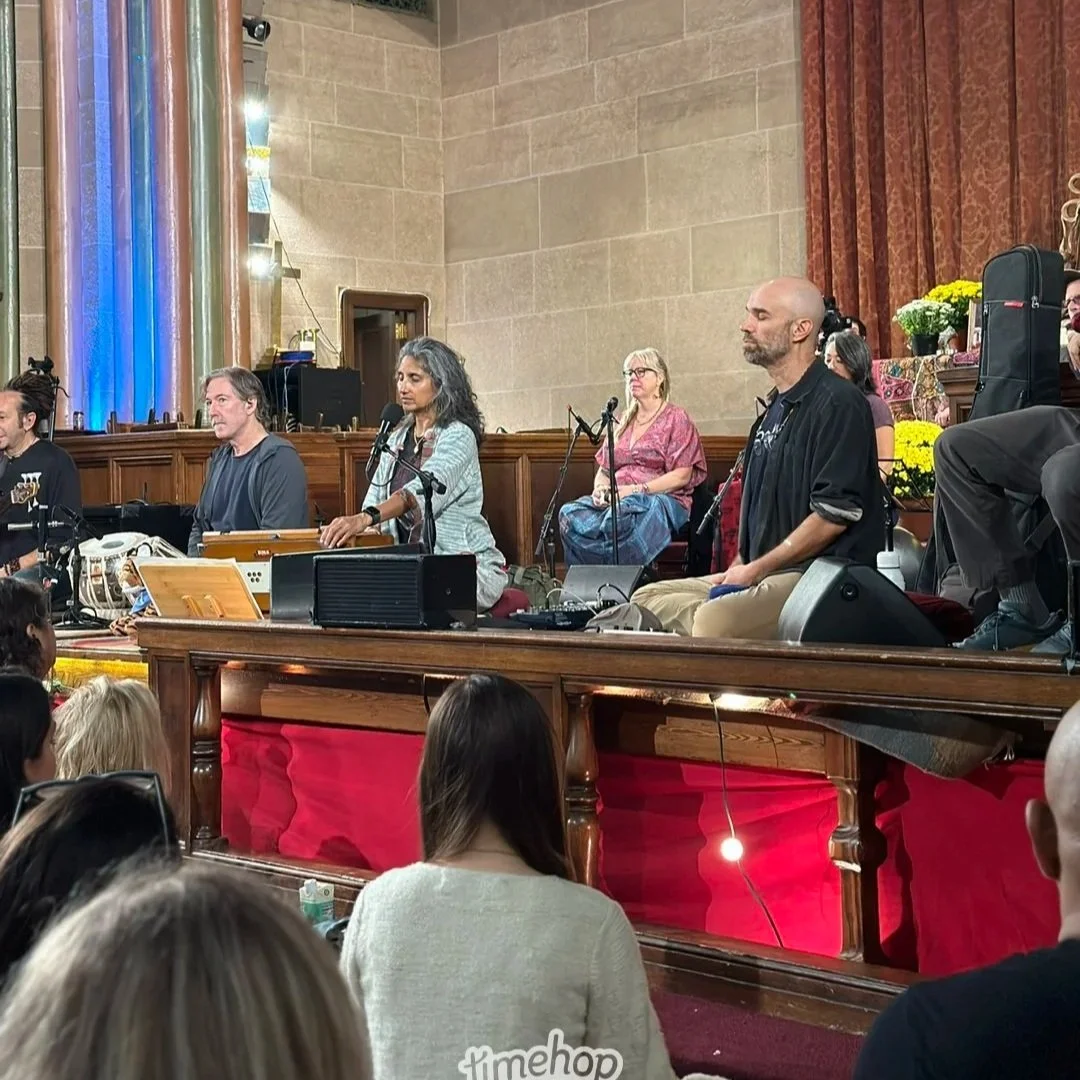



What is Soundscape Meditation?
Soundscape meditation is a contemplative practice in which practitioners direct sustained attention to the acoustic environment surrounding them, using the full spectrum of ambient sounds as an anchor for present-moment awareness. Unlike guided meditation or mantra practice, soundscape meditation engages with the unfiltered sonic reality of one’s immediate environment—traffic noise, birdsong, wind, human voices, mechanical hums—without preference, judgment, or the need for silence. The practice cultivates receptive listening, in which sounds arise and pass like clouds in awareness, neither sought nor rejected.
The method belongs to the broader family of open-awareness or choiceless-awareness practices found in Buddhist vipassana and secular mindfulness traditions, adapted specifically to the sense of hearing.
Origins & Lineage
Soundscape meditation as a named practice emerged in the late 20th and early 21st centuries at the intersection of three distinct lineages: Western acoustic ecology, yogic sound meditation (Nada Yoga), and experimental music pedagogy.
The term “soundscape” was coined by urban planner Michael Southworth but popularized by Canadian composer R. Murray Schafer, who founded the World Soundscape Project at Simon Fraser University in the late 1960s and published The Tuning of the World (later retitled The Soundscape) in 1977. Schafer’s work emphasized conscious listening to environmental sound as both aesthetic and ecological practice, warning against “noise pollution” and advocating for what he called “ear cleaning”—exercises to restore attentive listening in an increasingly cacophonous world.
Concurrently, composer Pauline Oliveros developed Deep Listening, a practice formalized through her 1971 Sonic Meditations—a collection of text scores for group and solo listening exercises created with the ♀ Ensemble. Oliveros distinguished between involuntary hearing and intentional listening, teaching that “Deep Listening involves going below the surface of what is heard, expanding to the whole field of sound while finding focus.”
The practice also draws implicitly from Nada Yoga, an ancient Indian system documented in texts including the Hatha Yoga Pradipika (15th century) and the Nada Bindu Upanishad. Nada Yoga practitioners work with both external sound (ahata nada) and internal, “unstruck” sound (anahata nada), though classical Nada Yoga emphasizes inward listening over environmental sound.
Soundscape meditation, as practiced today, synthesizes these influences into a secular, accessible technique compatible with contemporary mindfulness-based stress reduction (MBSR) frameworks, though no single teacher or text claims definitive authorship.
How It’s Practiced
Practitioners typically sit in a comfortable, upright posture in any environment—indoor or outdoor, quiet or noisy. Eyes may be closed or softly lowered. The instruction is simple: notice sounds as they arise in the field of awareness without labeling, analyzing, or storytelling about their source. When the mind wanders into thought, gently return attention to the soundscape.
Advanced variations include:
- Focal vs. global attention: alternating between focusing on a single sound (a refrigerator hum, distant voices) and panoramic awareness of the entire sonic field
- Noting impermanence: observing how sounds appear, sustain, and dissolve, reflecting the Buddhist teaching of anicca (impermanence)
- Soundwalks: moving meditation in which one walks slowly through an environment with full auditory attention, a practice advocated by Schafer and acoustic ecologists
- Layered listening: distinguishing among biophony (natural sounds), geophony (earth sounds like wind or water), and anthrophony (human-made sounds)
Sessions range from five minutes to an hour. No special equipment is required, though some practitioners use recordings of environmental soundscapes (rain, forest, ocean) when live environments are unavailable—a choice debated within the community, as it arguably substitutes simulation for direct experience.
Soundscape Meditation Today
The practice appears in secular mindfulness curricula, sound healing workshops, urban retreats, and meditation apps (often under labels like “sound meditation” or “ambient soundscape practice”). Teachers trained in MBSR, Insight Meditation, or somatic awareness modalities increasingly incorporate soundscape techniques as an alternative to breath-focused meditation, particularly for students who find body-based practices triggering or inaccessible.
Soundscape meditation also appears in therapeutic contexts—trauma-informed care, hospital settings, addiction recovery—where environmental sound offers a neutral, external anchor less laden with personal associations than the breath or body sensations.
Recorded “soundscape” tracks proliferate on streaming platforms and meditation apps, though purists note this commodification risks conflating passive listening to curated audio with the active, discriminating awareness central to the practice.
Common Misconceptions
It is not the same as listening to nature sounds for relaxation. While both involve sound, soundscape meditation is a discipline of attention training, not passive background ambience for sleep or stress relief. The goal is not relaxation but present-moment awareness.
It does not require silence or “pleasant” sounds. Traffic, construction noise, and barking dogs are equally valid objects of meditation. The practice trains equanimity toward all auditory phenomena.
It is not music meditation. While related practices like Nada Yoga and Deep Listening incorporate musical sound, soundscape meditation specifically engages with the found sounds of one’s actual environment, not composed or performed music.
It is not sound bathing or sound healing. Sound baths use instruments (singing bowls, gongs) played for participants in a therapeutic context. Soundscape meditation is a self-directed attention practice without external facilitation or instruments.
It lacks a single orthodox lineage. Unlike Vipassana or Zen, which trace unbroken teacher-student transmission, soundscape meditation is a hybrid modern practice. Claims of “ancient soundscape meditation techniques” should be met with skepticism.
How to Begin
Start with five minutes in a familiar environment. Sit comfortably, close your eyes, and simply notice: What sounds are present right now? Can you hear three distinct sounds? Five? Can you notice when a sound begins and when it fades? When you realize you’ve been thinking rather than listening, gently return attention to the soundscape without self-judgment.
For structured guidance, explore:
- Recorded instructions: Search “soundscape meditation” or “sound awareness meditation” on Insight Timer or similar platforms; teachers like Cindy Wolk-Weiss and Melli O’Brien offer guided practices
- R. Murray Schafer, The Soundscape (1977): foundational text on conscious listening, with practical “ear cleaning” exercises
- Pauline Oliveros, Deep Listening: A Composer’s Sound Practice (2005): includes Sonic Meditation scores adaptable for solo practice
- Mindfulness teachers: Jack Kornfield, Tara Brach, and other Insight Meditation teachers occasionally teach sound-based awareness practices within broader curricula
- Soundwalking: Take a 10-minute walk in your neighborhood with the sole intention of listening, inspired by acoustic ecology principles
Consistency matters more than duration. Three minutes daily builds the attentional muscle more effectively than sporadic longer sessions.