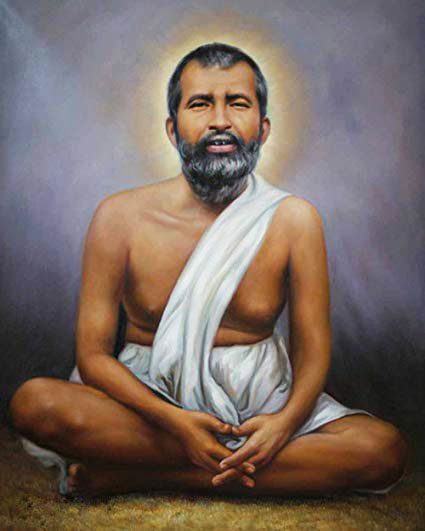
The Divine Simplicity of Love in Prayer
“Pray for the love of God; let other things take care of themselves.” In this profound statement, Sri Ramakrishna invites us to focus our energies on the essence of our spiritual journey—love for the Divine. By prioritizing this singular intention, we are encouraged to release our anxieties about the myriad of worldly concerns that often distract us. This teaching resonates deeply in a world where the cacophony of daily life can drown out our spiritual aspirations, reminding us that true fulfillment arises from a heart aligned with divine love.
At its core, this quote encapsulates a radical shift in perspective. It suggests that when we anchor ourselves in the love of God, we cultivate a state of being that transcends the chaos of existence. The act of prayer, then, becomes not merely a ritual or a request for favors, but a profound engagement with the divine essence that permeates all things. By surrendering our worries and trusting in the divine order, we open ourselves to a flow of grace that can guide our lives in ways we may not yet comprehend.
The image / the metaphor
To pray for the love of God is to invoke a deep yearning that transcends mere words. The imagery here is rich with the connotations of longing and devotion, suggesting an intimate relationship between the seeker and the Divine. The verbs “pray” and “let take care” imply an active engagement with the divine while simultaneously advocating for a passive acceptance of life’s unfolding. This duality captures the essence of spiritual practice: the balance between striving for connection and surrendering to the flow of existence.
Delving deeper into the metaphor, we can see that “love” serves as both the means and the end of our spiritual journey. It is not just a feeling but a transformative force that shapes our perceptions and actions. By focusing on love, we align ourselves with a higher frequency of existence, allowing the complexities of life to resolve themselves in the backdrop of our devotion. This metaphorical landscape invites us to consider how love can be the lens through which we view our challenges, transforming them into opportunities for growth and understanding.
In the speaker's tradition
Sri Ramakrishna’s teachings are deeply rooted in the Hindu tradition, particularly within the framework of bhakti, or devotional love. This path emphasizes the importance of surrendering to the Divine, echoing concepts such as dharma, which calls us to align our actions with a higher purpose. The notion of kenosis, or self-emptying, resonates here as well; by letting go of our ego-driven desires and focusing on divine love, we create space for spiritual growth and transformation. In this way, Ramakrishna’s quote serves as a reminder of the interconnectedness of love and duty within the spiritual path.
Moreover, the idea of surrendering to divine love can be found in various Hindu texts, such as the Bhagavad Gita, where Krishna advises Arjuna to perform his duty without attachment to the fruits of his actions. This aligns with Ramakrishna’s assertion that when we pray for love, we are engaging in a practice that transcends personal desires and aligns us with the cosmic order. The Gita teaches that true wisdom arises from understanding our place within the divine tapestry, a theme echoed in Ramakrishna’s call to focus on love.
Living the teaching
Consider a modern scenario where this teaching can be applied: a person facing a challenging work environment filled with stress and competition. Instead of becoming consumed by anxiety over promotions or recognition, they might choose to center their daily practice around prayer for divine love. This shift in focus allows them to approach their work with a sense of purpose and peace, trusting that their efforts will yield the right outcomes without the burden of constant worry. In this way, they embody the essence of Ramakrishna’s teaching, allowing love to guide their actions and interactions.
In the realm of relationships, this teaching can also illuminate our interactions with others. Imagine a couple navigating a difficult period in their partnership, filled with misunderstandings and resentment. By choosing to pray for love—both for themselves and for each other—they can cultivate an atmosphere of compassion and understanding. This practice encourages them to let go of their grievances, allowing the love they share to take precedence over their conflicts. In doing so, they create a space for healing and reconnection, demonstrating the transformative power of focusing on divine love.
A reflection
As we contemplate Sri Ramakrishna’s profound invitation to pray for the love of God, we might ask ourselves: What would it mean to prioritize love in our daily lives? In what ways can we surrender our worries and trust in the divine unfolding of our existence? This question invites us to explore the depths of our spiritual practice, encouraging us to reflect on how love can serve as both our anchor and our guiding light.