The Divine Forge: Pain as a Catalyst for Transformation
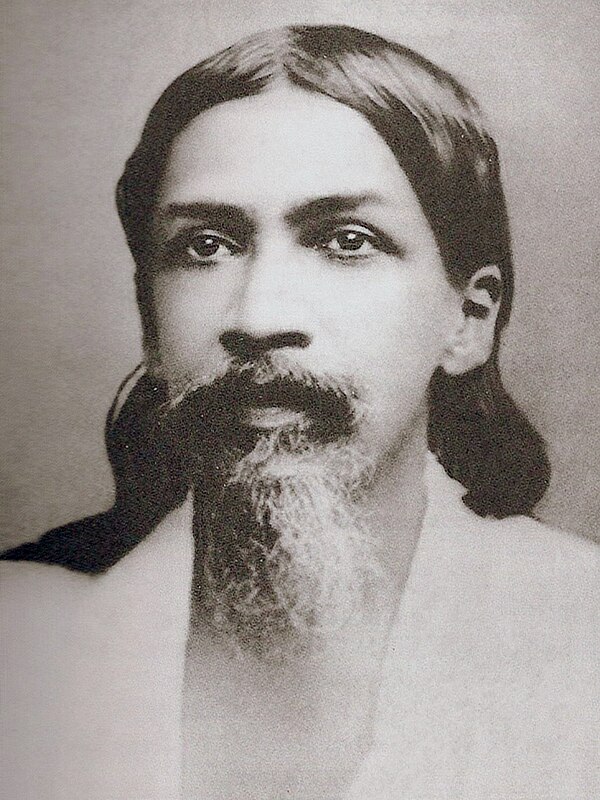
Sri Aurobindo's assertion that "Pain is the hammer of the gods to break a dead resistance in the mortal's heart" invites us to reconsider our relationship with suffering. In this evocative metaphor, pain emerges not merely as an affliction but as a divine instrument, wielded to shatter the barriers we erect around our hearts. This perspective challenges the common narrative that pain is solely a negative experience, urging us instead to view it as a potential catalyst for profound transformation.
As we delve deeper into this quote, we recognize that Aurobindo is not advocating for the glorification of suffering; rather, he is illuminating the transformative power that pain can hold. In a world that often seeks to avoid discomfort at all costs, his words serve as a reminder that resistance to pain can lead to stagnation. By embracing the lessons that pain offers, we can awaken to a more authentic existence, one that is aligned with our true selves and the divine purpose that underlies our lives.
The image / the metaphor
The imagery in Aurobindo's quote is striking and layered. The "hammer of the gods" evokes a sense of divine authority and purpose, suggesting that pain is not random but rather a deliberate force aimed at our spiritual awakening. The verbs "break" and "shatter" imply a violent yet necessary disruption, one that dismantles the "dead resistance" that can accumulate in our hearts over time. This resistance often manifests as emotional numbness, fear, or an unwillingness to confront our deeper truths, and it is through the experience of pain that we are compelled to confront these barriers.
Diving deeper into the metaphor, we can see that the act of breaking is not merely destructive; it is also a prelude to renewal. Just as a sculptor chisels away at a block of marble to reveal the form within, so too does pain carve away the layers of our false selves. In this light, pain becomes a transformative force, one that can lead to a rebirth of the spirit. The "mortal's heart," then, is not just a passive recipient of suffering; it is an active participant in a divine process of evolution and awakening.
In the speaker's tradition
Sri Aurobindo's insights are deeply rooted in the Hindu tradition, where concepts such as dharma and karma play pivotal roles in understanding the human experience. Dharma, or one's righteous duty, often involves navigating the complexities of life, including suffering. Aurobindo's perspective aligns with the notion of kenosis, the self-emptying that allows for divine presence to fill our lives. This self-emptying is often precipitated by pain, which strips away our attachments and illusions, leading us toward a more profound understanding of our purpose.
In the context of Hindu philosophy, Aurobindo's thoughts resonate with the teachings found in the Bhagavad Gita, where Krishna advises Arjuna to embrace his duty, even amidst the pain of battle. The Gita emphasizes that suffering can lead to spiritual growth and clarity, echoing Aurobindo's assertion that pain serves a higher purpose. By engaging with our suffering, we can cultivate prajna, or wisdom, allowing us to navigate life's challenges with grace and understanding.
Living the teaching
Consider a modern scenario where this teaching can be applied: a person facing the loss of a job. Initially, the experience may feel like a devastating blow, a source of anxiety and uncertainty. However, if one approaches this pain with an open heart, it can serve as a catalyst for self-reflection and growth. This moment of suffering may prompt the individual to reassess their career path, explore new passions, or even pursue a long-held dream that had been overshadowed by the comfort of routine. In this way, the pain of loss transforms into an opportunity for renewal and self-discovery.
Another application of Aurobindo's teaching can be found in relationships. Imagine a couple experiencing a significant conflict that brings to the surface unaddressed grievances. While the pain of confrontation may feel overwhelming, it can also serve as a hammer, breaking through the dead resistance of unspoken issues. By engaging with this discomfort, both partners have the chance to deepen their understanding of each other, fostering a more authentic connection. In this context, pain becomes a necessary step toward healing and transformation, allowing love to flourish in a more profound way.
A reflection
As we contemplate Aurobindo's profound insight, we are invited to reflect on our own experiences with pain. What barriers in our hearts have been broken open by suffering? In what ways can we embrace the transformative potential of our struggles? These questions encourage us to engage with our pain not as an enemy but as a teacher, guiding us toward a deeper understanding of ourselves and our place in the world.