The True Strength Within
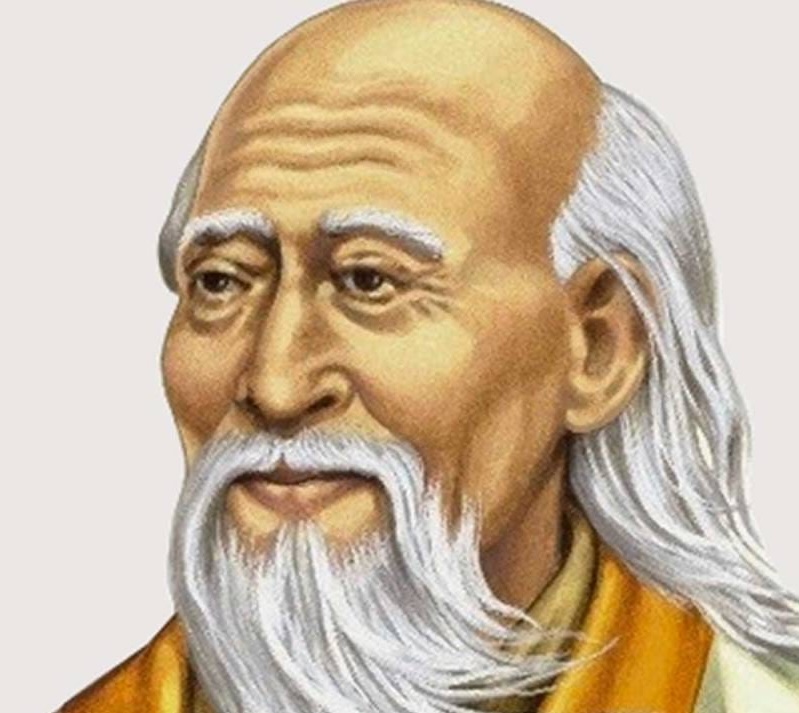
In the profound words of Lao Tzu, "He who overcomes others is strong. He who overcomes himself is mighty." This statement invites us to reflect on the nature of strength and power, suggesting that true might lies not in conquering external adversaries but in mastering our inner selves. The stakes are high; in a world often obsessed with competition and dominance, Lao Tzu's wisdom challenges us to seek a deeper, more enduring form of strength that emerges from self-awareness and self-control.
As we delve into this quote, we uncover layers of meaning that resonate with the human experience. Overcoming oneself implies a journey of introspection, where we confront our fears, desires, and limitations. This internal battle is often more daunting than any external struggle, as it requires vulnerability and honesty. Lao Tzu's insight serves as a reminder that the path to true power is paved with self-discovery and personal growth, urging us to cultivate resilience from within rather than relying on the transient victories over others.
The image / the metaphor
The imagery in Lao Tzu's quote evokes a stark contrast between external and internal challenges. The phrase "overcomes others" conjures images of conflict, competition, and the exertion of force—actions that are often celebrated in society. In contrast, "overcomes himself" suggests a quieter, more introspective struggle, one that requires patience, humility, and a willingness to face one's own shortcomings. The verbs chosen—"overcomes"—imply a sense of active engagement, highlighting that both forms of strength demand effort, yet the latter is imbued with a deeper significance.
In the speaker's tradition
Within the rich tapestry of Taoism, Lao Tzu's quote resonates with core concepts such as wu wei (non-action) and the idea of harmony with the Tao. The notion of overcoming oneself aligns with the Taoist belief in the importance of aligning with the natural flow of life rather than resisting it. This internal alignment fosters a sense of peace and strength that is not reliant on external validation or power struggles. In this light, the journey of self-mastery becomes a path to understanding one's place within the cosmos, echoing the Taoist principle of living in accordance with the natural order.
Moreover, this teaching finds parallels in the Buddhist concept of sunyata, or emptiness, which emphasizes the importance of letting go of attachments and ego-driven desires. Just as Lao Tzu encourages us to overcome our inner battles, Buddhist teachings invite us to recognize the illusory nature of the self and the transient nature of worldly achievements. In both traditions, the emphasis is on cultivating inner strength and wisdom, leading to a more profound sense of fulfillment and connection with the universe.
Living the teaching
Consider a modern scenario where this teaching can be applied: a workplace environment filled with competition and ambition. In such a setting, individuals often strive to outdo one another, seeking promotions and accolades. However, the true challenge lies in overcoming the internal narratives of self-doubt, jealousy, and fear of inadequacy. By focusing on self-mastery—acknowledging one's strengths and weaknesses, and cultivating a mindset of collaboration rather than competition—one can find a more authentic sense of achievement and fulfillment that transcends mere external validation.
Another application of this teaching can be found in personal relationships. In moments of conflict, it is easy to point fingers and seek to "win" the argument. Yet, Lao Tzu's wisdom encourages us to look inward, to examine our own reactions and emotions. By overcoming our tendencies to react defensively or with anger, we can foster deeper understanding and compassion, ultimately strengthening our connections with others. This practice of self-reflection and emotional regulation not only enhances our relationships but also cultivates a sense of inner peace and resilience.
A reflection
As we contemplate Lao Tzu's profound insight, we are invited to consider the following question: What aspects of myself do I need to overcome in order to experience true strength and might? This inquiry encourages us to engage in a process of self-examination, illuminating the areas where we may be holding ourselves back. By embracing this journey of self-discovery, we can unlock the potential for greater resilience and authenticity in our lives, ultimately leading to a more harmonious existence.


