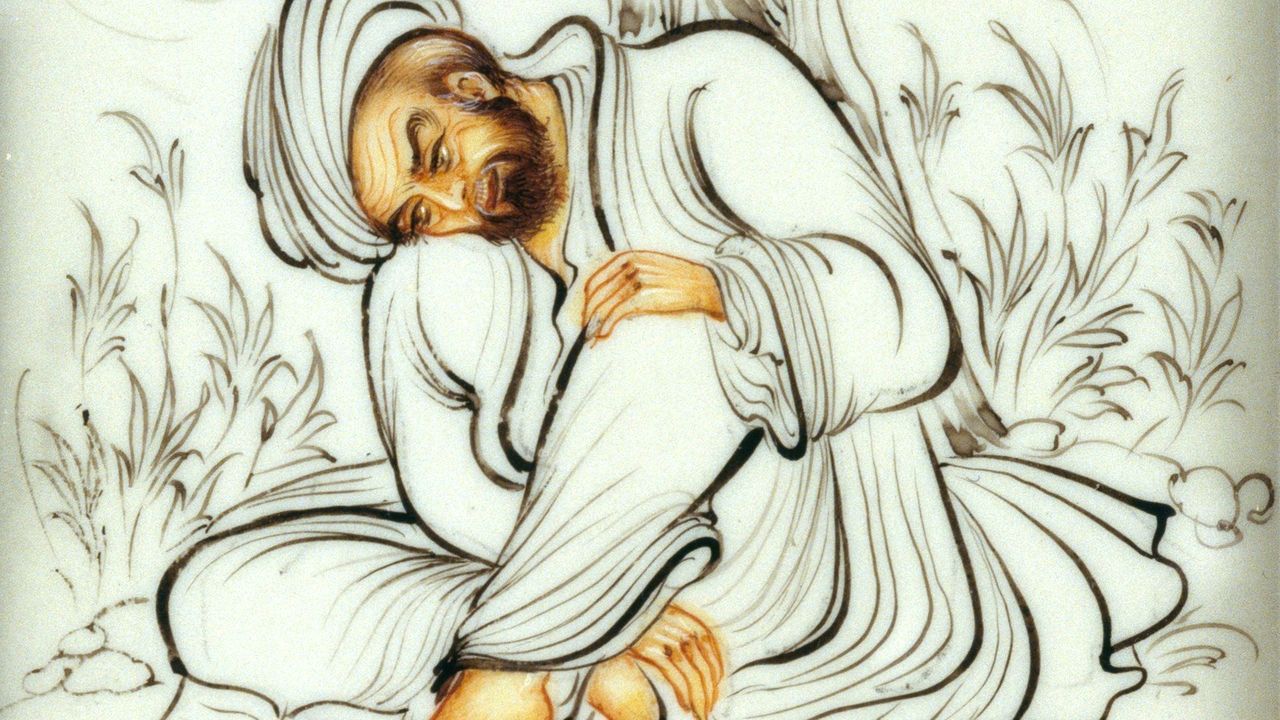
The Eternal Presence of the Beloved
Hafiz, the revered Sufi poet, offers a profound insight when he states, "The Beloved's image never leaves the heart of the lover." This evocative line speaks to the enduring nature of love, suggesting that once we have encountered the essence of our beloved—whether that be a person, a divine presence, or a profound truth—this image becomes an indelible part of our being. The stakes of this realization are high; it invites us to reflect on the transformative power of love and the way it shapes our identity and existence.
In a world often marked by transience and superficial connections, Hafiz's words remind us of the depth and permanence that true love can instill within us. The heart, as the seat of emotion and spirit, becomes a canvas upon which the image of the beloved is painted. This metaphor not only highlights the beauty of love but also the responsibility it carries; to love deeply is to allow that love to permeate our very essence, influencing our thoughts, actions, and interactions with the world around us.
The image / the metaphor
At first glance, the imagery in Hafiz's quote is simple yet profound. The "image" of the beloved suggests a visual representation, a memory, or an essence that is forever etched in the heart of the lover. The choice of the word "never" emphasizes permanence, indicating that this image is not fleeting or temporary but rather a lasting imprint that shapes the lover's experience of life. The heart, often symbolized as the center of love and emotion, becomes a sacred space where this image resides, creating a felt sense of connection that transcends time and circumstance.
Diving deeper into the metaphor, we can see that the "beloved" may not solely refer to a romantic partner but can also embody a spiritual truth or divine presence. In Sufi thought, the beloved often represents the divine, the ultimate source of love and beauty. Thus, the image of the beloved in the heart of the lover can be interpreted as a reflection of the soul's yearning for union with the divine. This yearning is not merely an emotional experience; it is a spiritual journey that invites the lover to explore the depths of their own heart and the nature of their existence.
In the speaker's tradition
Hafiz's poetry is steeped in the rich tradition of Sufism, which emphasizes the inner, mystical dimensions of love and devotion. Central to Sufi thought is the concept of "fana," or the annihilation of the self in the presence of the beloved. This idea resonates deeply with Hafiz's quote, as it suggests that true love requires a surrendering of the ego, allowing the image of the beloved to fill the heart completely. In this state, the lover transcends their individual identity, merging with the essence of love itself.
Moreover, the notion of "bhakti," or devotional love, parallels Hafiz's sentiment. In various spiritual traditions, including Sufism, bhakti signifies a profound attachment to the divine, where the lover's heart becomes a vessel for divine love. This is echoed in the works of other Sufi poets, such as Rumi, who often speaks of love as a transformative force that leads to spiritual awakening. The heart, therefore, becomes a sacred space where the beloved's image is not only cherished but also serves as a guide toward deeper understanding and connection with the divine.
Living the teaching
Consider a modern scenario where this teaching resonates: a person who has experienced a deep, transformative love may find themselves reflecting on that relationship long after it has ended. The image of their beloved lingers in their heart, influencing their perceptions and interactions with others. This lingering presence can evoke both joy and sorrow, reminding them of the beauty of love while also highlighting the impermanence of relationships. In such moments, the individual is invited to explore how this love has shaped their identity and continues to inform their journey.
In another application, think of a challenging moment in a relationship where love feels strained. Here, the image of the beloved can serve as a reminder of the initial connection and the shared values that brought the partners together. By recalling the essence of their beloved, one can cultivate compassion and understanding, allowing the heart to guide them back to love amidst conflict. This practice of remembering the beloved's image can transform difficult moments into opportunities for growth and deeper connection.
A reflection
As we contemplate Hafiz's profound words, we are invited to ask ourselves: What image of the beloved resides in my heart, and how does it shape my experience of love and connection? This question encourages us to reflect on the nature of our relationships, both with others and with the divine. By engaging with this inquiry, we can begin to understand the transformative power of love and the ways it continues to influence our journey through life.