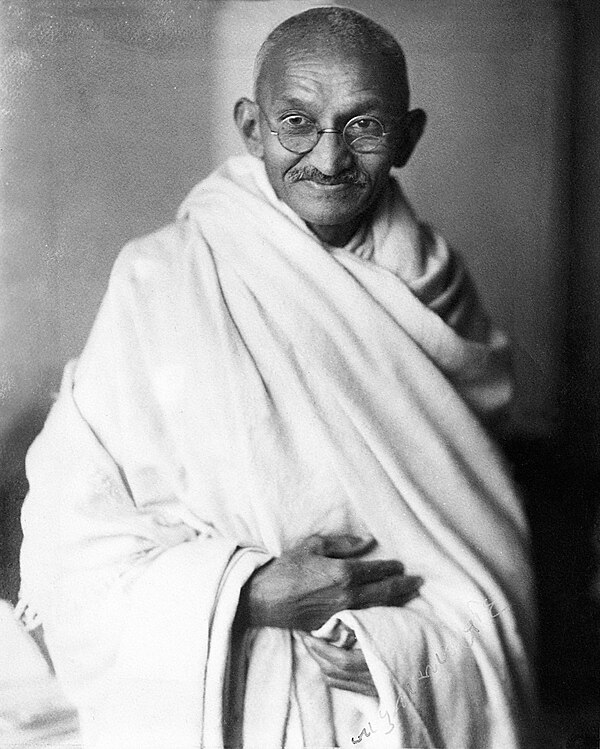
“To lose patience is to lose the battle,” Mahatma Gandhi reminds us, encapsulating a profound truth about the human experience. In a world that often rewards haste and immediate gratification, Gandhi’s words serve as a gentle yet firm reminder of the power inherent in patience. This quote speaks to the heart of our struggles, suggesting that the ability to remain steadfast in the face of adversity is not merely a virtue but a necessity for achieving our goals and maintaining our inner peace.
Patience, as Gandhi implies, is not a passive state but an active engagement with life’s challenges. It requires courage and resilience, qualities that are often tested in moments of frustration or despair. By framing patience as a battleground, Gandhi invites us to consider the stakes involved in our emotional responses. Losing patience can lead to impulsive decisions and actions that may undermine our intentions, while cultivating patience can empower us to navigate difficulties with grace and clarity.
The image / the metaphor
The imagery in Gandhi's quote evokes a sense of struggle and conflict, suggesting that patience is not merely a waiting game but a critical component of our personal battles. The verb “lose” implies a sense of forfeiture, as if patience is a precious resource that, once squandered, can lead to defeat. This framing invites us to visualize patience as a shield, protecting us from the chaos of our emotions and the tumult of external circumstances.
Diving deeper into the metaphor, we can see that patience is akin to a warrior’s discipline. Just as a soldier must train to withstand the rigors of battle, we must cultivate patience to endure the trials of life. This metaphor extends to the idea that patience is not just about waiting; it is about maintaining a steadfast heart and mind, ready to respond thoughtfully rather than react impulsively. In this sense, patience becomes a form of inner strength, a quiet resolve that allows us to face challenges with dignity.
In the speaker's tradition
Furthermore, Gandhi’s emphasis on patience resonates with the concept of bhakti, or devotion, which underscores the importance of surrendering to a higher purpose. In this light, patience is not merely a personal virtue but a spiritual practice that invites us to trust in the unfolding of life’s journey. The Bhagavad Gita, a central text in Hindu philosophy, speaks to this idea when it encourages individuals to perform their duties without attachment to the results, highlighting the significance of patience in the pursuit of spiritual growth and fulfillment.
Living the teaching
In our modern lives, the teaching of patience can manifest in various scenarios, particularly in the workplace. Imagine a project that is not progressing as planned, leading to frustration among team members. In such moments, the temptation to abandon the project or to react with impatience can be strong. However, embodying Gandhi’s teaching encourages us to take a step back, to breathe, and to approach the situation with a calm and focused mindset. By doing so, we create space for creative solutions and collaborative efforts, ultimately leading to a more successful outcome.
Similarly, in personal relationships, patience plays a crucial role in fostering understanding and connection. Consider a disagreement with a loved one that escalates due to emotional reactions. In these moments, losing patience can lead to hurtful words and actions that damage the relationship. Gandhi’s wisdom reminds us that taking a moment to pause, to listen, and to respond with compassion can transform the dynamic. By practicing patience, we not only honor our own feelings but also create an environment where healing and reconciliation can occur.
A reflection
As we contemplate Gandhi’s assertion that “to lose patience is to lose the battle,” we are invited to reflect on our own lives and the areas where we may be struggling with impatience. What battles are we currently facing that require us to cultivate a deeper sense of patience? In what ways can we practice this virtue to navigate our challenges with greater wisdom and grace? These questions encourage us to explore the transformative power of patience in our daily lives, inviting us to embrace it as a guiding principle in our journey.