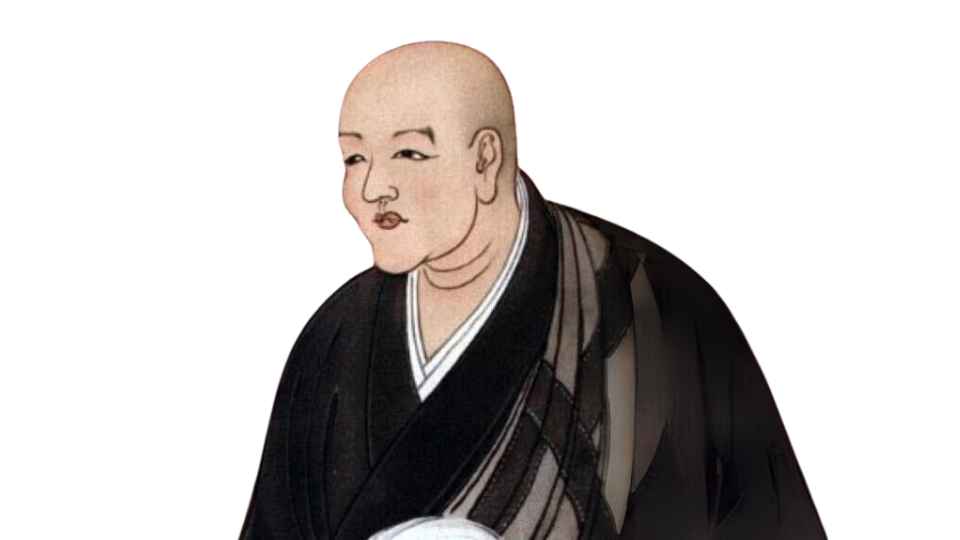
The Sacredness of Everyday Tasks
In the words of Dōgen, "Sweeping the floor is the work of the buddhas," we are invited to reconsider the significance of our mundane tasks. This statement transcends the literal act of cleaning, suggesting that every action, no matter how trivial it may seem, can be imbued with profound spiritual meaning. The stakes are high; in a world that often prioritizes grand gestures and lofty ideals, Dōgen reminds us that true enlightenment can be found in the simplest of actions. This perspective encourages us to cultivate mindfulness and presence in our daily lives.
By framing sweeping as a sacred act, Dōgen challenges us to engage fully with the present moment. The act of sweeping becomes a metaphor for the practice of Zen itself, where the ordinary is transformed into the extraordinary through awareness and intention. This teaching resonates deeply in our fast-paced lives, where distractions abound and the essence of being can easily be lost. In embracing the work of the buddhas, we are called to find beauty and significance in the tasks that fill our days, fostering a deeper connection to ourselves and the world around us.
The image / the metaphor
At first glance, the image of sweeping the floor may evoke a sense of simplicity, yet it is rich with layers of meaning. The act of sweeping involves movement, intention, and attention to detail. The choice of the verb "sweeping" suggests a gentle yet purposeful action, one that requires both physical engagement and mental clarity. In this context, the floor symbolizes the foundation of our lives, the space we inhabit, and the environment we create. To sweep is to care for this space, to acknowledge its presence, and to cultivate a sense of order and cleanliness.
Dōgen's metaphor extends beyond the physical act of cleaning; it invites us to consider how we approach all aspects of our lives. Just as sweeping requires us to be present and attentive, so too does every moment of our existence. The act of sweeping becomes a practice of mindfulness, a way to ground ourselves in the here and now. By engaging fully with each task, we can transform the mundane into a sacred practice, allowing us to experience the richness of life in its simplest forms.
In the speaker's tradition
Dōgen, a pivotal figure in the Zen tradition, emphasizes the importance of direct experience and the embodiment of practice. His teachings often revolve around the concept of "dharma," which refers to the truth or law that governs the universe. In Zen, the act of sweeping can be seen as a manifestation of "kenosis," or self-emptying, where one lets go of ego and engages fully with the task at hand. This aligns with the Zen understanding of "sunyata," or emptiness, which teaches that all actions are interconnected and devoid of inherent meaning unless we imbue them with our presence and intention.
In his seminal work, "Tenzo Kyokun," Dōgen elaborates on the significance of everyday tasks as a means of cultivating awareness and presence. He encourages practitioners to approach their duties with a sense of reverence, recognizing that each action contributes to the greater whole. This perspective echoes the teachings found in other Zen texts, such as the "Shobogenzo," where Dōgen emphasizes that enlightenment is not separate from our daily lives but is found within the very fabric of our existence.
Living the teaching
Consider a modern scenario where this teaching can take root: imagine a busy parent juggling work, household chores, and the demands of family life. In the midst of this chaos, the act of sweeping the floor can become a moment of respite and reflection. Rather than viewing it as just another chore, the parent can approach it as an opportunity to practice mindfulness, focusing on the rhythm of the broom and the sensation of the floor beneath their feet. In this way, sweeping transforms from a mundane task into a sacred ritual, allowing for a brief pause to reconnect with the present moment.
This teaching can also find application in relationships, particularly during challenging moments. When faced with conflict or misunderstanding, one might feel overwhelmed by emotions and the desire to react. However, by embodying the spirit of Dōgen's teaching, one can choose to "sweep" the emotional clutter away, taking a moment to breathe and center oneself before responding. This practice of presence can lead to more compassionate communication and a deeper understanding of one another, ultimately fostering a more harmonious connection.
A reflection
As we contemplate Dōgen's profound statement, we are invited to ask ourselves: How can I bring mindfulness to the ordinary tasks of my life? In what ways can I transform my daily routines into opportunities for presence and connection? By engaging with these questions, we open ourselves to the possibility of discovering the sacred within the mundane, allowing the work of the buddhas to manifest in our own lives.


