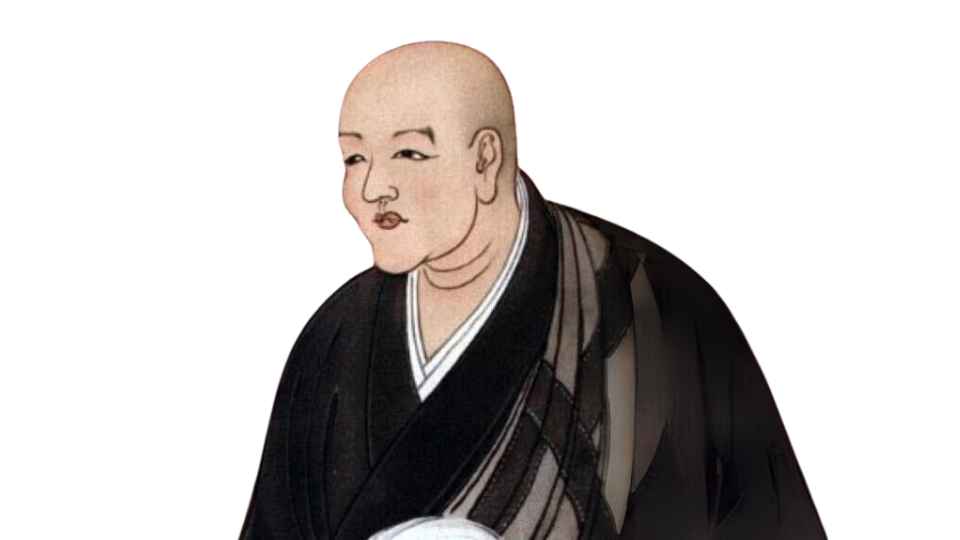
The World Within Stillness
In the profound simplicity of Dōgen's words, "Just sit, and the whole world arrives," we find an invitation to embrace presence in its purest form. This quote encapsulates the essence of Zen practice, urging us to cultivate stillness and awareness as a means to connect with the entirety of existence. In a world often characterized by frenetic activity and distraction, Dōgen's teaching serves as a gentle reminder that the richness of life unfolds when we allow ourselves to simply be.
To "just sit" is not merely an instruction to take a physical posture; it is a call to engage with the present moment fully. In this act of sitting, we create a space where the complexities of our lives can dissolve, revealing the interconnectedness of all things. The world, in all its vibrancy and chaos, is not separate from us; it is woven into the very fabric of our being. Thus, Dōgen's words resonate deeply, inviting us to explore the profound implications of presence and awareness in our daily lives.
The image / the metaphor
At first glance, Dōgen's quote evokes a serene image of sitting quietly, perhaps in meditation, where the external world fades away, and an inner landscape emerges. The verb "sit" carries with it a sense of grounding and stability, suggesting that in stillness, we can access a deeper understanding of ourselves and our surroundings. The phrase "the whole world arrives" implies that this stillness is not an escape from reality but rather an entry point into a fuller experience of life, where everything we seek is already present.
In the speaker's tradition
Dōgen, a pivotal figure in the Zen tradition, emphasized the importance of zazen, or seated meditation, as a means of realizing one's true nature. His teachings often reflect the concept of *sunyata*, or emptiness, which suggests that our perceptions of separation and duality are illusions. By "just sitting," we engage in a practice that allows us to experience this emptiness, revealing the inherent unity of all things. In this way, Dōgen's quote encapsulates the essence of Zen practice, where presence and awareness lead to profound insights about the nature of reality.
In his seminal work, *Fukanzazengi*, Dōgen articulates the significance of zazen as a direct expression of the Dharma. He writes, "To sit is to be enlightened," suggesting that the act of sitting is not merely a preparatory step but a realization of our true nature. This aligns with the Zen understanding of *prajna*, or wisdom, which arises from direct experience rather than intellectual understanding. Thus, Dōgen's invitation to "just sit" becomes a pathway to awakening, where the world unfolds in its fullness as we cultivate a deep sense of presence.
Living the teaching
Consider a modern scenario where the pressures of daily life often lead us to feel overwhelmed and disconnected. In the midst of a busy workday, we might find ourselves racing from one task to another, our minds cluttered with thoughts of what needs to be done next. Dōgen's teaching invites us to pause, to take a moment to "just sit," even if only for a few breaths. In this brief interlude, we can reconnect with ourselves, allowing the noise of the world to settle and the richness of the present moment to emerge.
In relationships, the practice of "just sitting" can also be transformative. Imagine a moment of conflict with a loved one, where emotions run high, and communication breaks down. Instead of reacting impulsively, we can choose to sit with our feelings, allowing space for reflection and understanding. This act of presence not only calms our own inner turmoil but also creates an opportunity for deeper connection and empathy with the other person. In both personal and communal contexts, Dōgen's teaching reminds us that the world arrives in our stillness, offering a pathway to healing and understanding.
A reflection
As we contemplate Dōgen's profound invitation to "just sit," we are called to explore the nature of our own presence in the world. How often do we allow ourselves the gift of stillness, and what might we discover in that space? In a world that constantly urges us to do more and be more, let us reflect on the transformative power of simply being. What does it mean for you to "just sit," and how might this practice open the door to a deeper experience of life?


