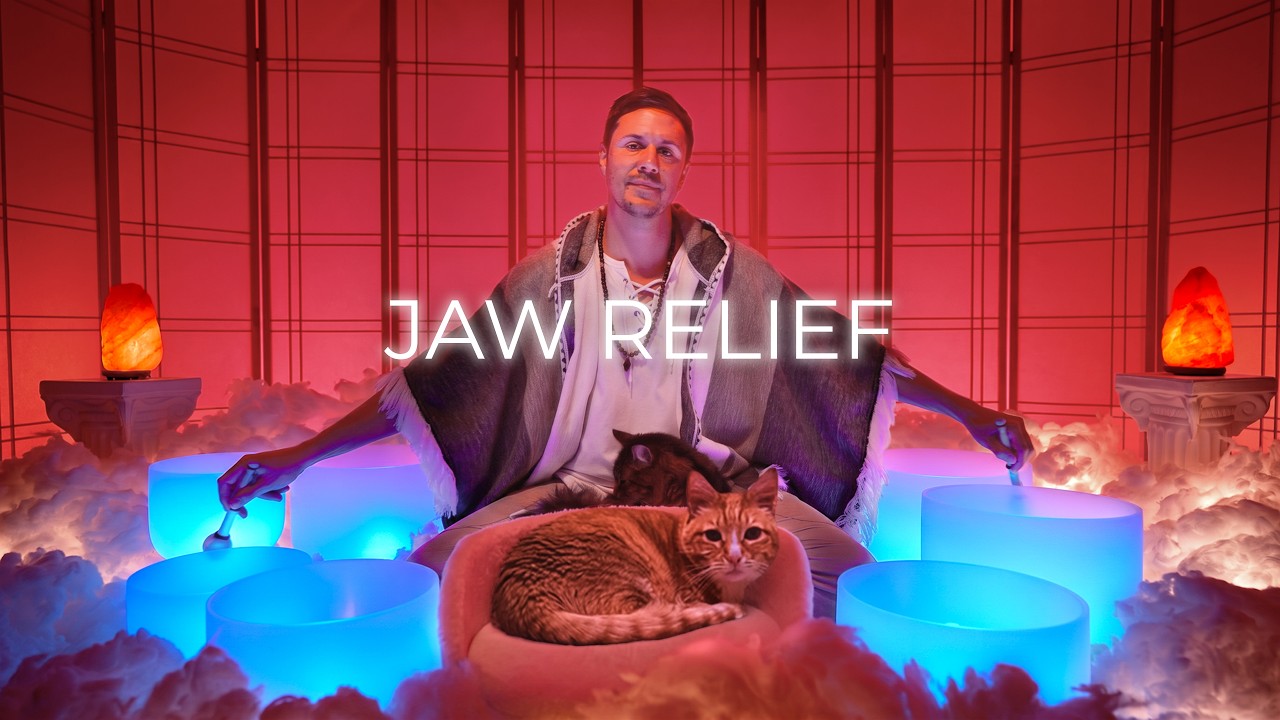
Stress doesn't end when the stressful moment does. Long after the trigger has passed, the body remains tense, the mind continues to race, and the whole nervous system feels locked in anticipation—waiting for the other shoe to drop. This physiological state, where cortisol lingers in the bloodstream and muscular tension refuses to release, is where most people live: caught between stimulus and recovery, unable to fully exhale. A sound bath using crystal singing bowls addresses this specific problem by creating an intentional space for the nervous system to remember what deep calm actually feels like.
What Happens to Your Body Under Chronic Stress?
The stress response is ancient and necessary. When you encounter danger, your sympathetic nervous system floods your body with cortisol and adrenaline, sharpening your senses and preparing you to fight, flee, or freeze. The problem in modern life is that this response activates for traffic jams, work emails, and financial worries—stimuli that don't require physical action but trigger the same primal cascade. Once activated, the nervous system doesn't automatically reset. Your shoulders stay raised, your breath stays shallow, your mind keeps cycling through what-ifs. The body lingers in a state of readiness that becomes the new baseline, and you begin to forget what relaxation actually feels like at a somatic level.
Chronic elevation of cortisol—the primary stress hormone—has cascading effects. It suppresses immune function, impairs sleep quality, increases inflammation, and creates a loop where fatigue and anxiety reinforce each other. The trap is that you cannot think your way out of this state. Telling yourself to "just relax" doesn't work because the nervous system operates below the level of rational thought. You need a sensory intervention that speaks the nervous system's native language: vibration, rhythm, and resonance.
How Crystal Singing Bowls Create Nervous System Reset
Crystal singing bowls produce pure, sustained tones through friction—typically a padded mallet circled along the rim creates a continuous, singing vibration that can be held for minutes. Unlike percussion instruments that produce a strike-and-fade sound, these bowls generate a resonance that fills a space and a body. The tones are typically in the range of 110–200 Hz, frequencies that research suggests activate the parasympathetic nervous system—the brake pedal of your physiology, responsible for rest, digestion, and recovery.
When you listen to these sustained, pure tones in a sound bath, several things happen simultaneously. First, the vibration acts as an anchor for attention—your mind naturally follows the tone rather than cycling through anxious thoughts. Second, the resonance appears to entrain the nervous system, gradually slowing heart rate and breath without conscious effort. Third, because the sound is soothing rather than jarring, it doesn't trigger a startle response; instead, it creates permission to let go. The body begins to relax not because you're forcing it, but because safety is being signaled at a sensory level.
The physical tension that accompanies stress—tight shoulders, clenched jaw, shallow breathing—also begins to release. Sound vibration can actually loosen muscular holding patterns. Combined with the parasympathetic activation, this creates a genuine state of ease that feels distinctly different from intellectual knowing that you "should" be calm.
The Role of Breath in Sound Bath Recovery
A sound bath invites natural breathing rather than controlled breathing. This distinction matters. Breathing exercises can be useful, but they're also another form of mental work—another thing to get right, another way to fail. A sound bath simply asks you to breathe as you naturally do while listening. As the nervous system begins to settle in response to the sustained tones, breathing naturally deepens and slows. Your parasympathetic system down-regulates arousal without you having to orchestrate it. This is the felt experience of the body remembering what calm is—not as an idea, but as a physical state.
When Anxiety Leaves You Wired and Depleted
A particular kind of suffering comes when anxiety has burned you out. You're exhausted but can't sleep. You're depleted but restless. Your body is tired but your mind won't stop. This is the state where pushing harder—more exercise, more discipline, more willpower—actually deepens the problem because your nervous system needs permission to stop, not another demand to perform. A sound bath creates that permission. The implicit message is: you don't need to clear your mind. You don't need to achieve relaxation. You don't need to do anything. Just be here, breathe, and let the vibration do its work. This radical permission itself can shift the nervous system out of the striving mode that anxiety maintains.
The Cortisol Connection
Cortisol follows a natural daily rhythm called the circadian rhythm—high in the morning to wake you up, progressively lower through the day, lowest at night to allow sleep. Chronic stress flattens this curve; cortisol stays elevated, disrupting both energy and sleep. Sound baths, by activating the parasympathetic nervous system, help reset this rhythm. They signal to your body that the threat has passed, that resources can be directed toward recovery rather than vigilance. Regular use—returning whenever stress has built up—can help retrain the nervous system to move between activation and rest more fluidly.
What a Sound Bath Is Not
A sound bath is not a medical treatment and is not meant to replace professional medical care or therapy. It is a relaxation practice, one that works by creating favorable conditions for your own body's natural healing processes. Just as sleep doesn't cure an infection but allows your immune system to function optimally, a sound bath doesn't cure anxiety but creates an environment where your nervous system can regulate itself more effectively. The value accumulates over time and with repetition, particularly when used as a regular practice rather than a one-time fix.
Deepening the Practice
A sound bath can be approached with minimal expectation. You don't need to meditate, visualize, or achieve any particular state of mind. Some people find it helpful to lie down or recline fully, allowing the body to relax completely. Others sit upright. Some close their eyes; others don't. The only real instruction is to be present and let the sound do its work. If your mind wanders, that's normal and fine—you're not trying to achieve a blank mind. The relaxation response happens at a somatic level, whether or not your thoughts cooperate.
For people new to sound baths, the first session might feel like simply hearing pleasant sounds. Over subsequent sessions, as your nervous system learns the pattern, the relaxation deepens. You begin to recognize the distinct feeling of parasympathetic activation—a quality of ease that's subtly different from just being quiet. This somatic memory becomes a resource you can return to, especially when stress has built up and you feel locked in tension again.
Where to go from here
If stress has left your nervous system unable to switch off, a crystal singing bowl sound bath offers a direct, non-cognitive pathway back to calm. There is no technique to master, no belief system required, no performance demanded. The practice works through resonance and the body's own capacity to regulate when given the right sensory conditions. Start with one session, and notice not just whether you feel different during it, but whether your nervous system has more capacity to relax in the hours or days afterward. Build from there, returning whenever stress has built up and you need a deeper reset. Over time, the body begins to remember—at a cellular level—what genuine calm feels like, and that memory becomes a touchstone you can access even outside the sound bath.