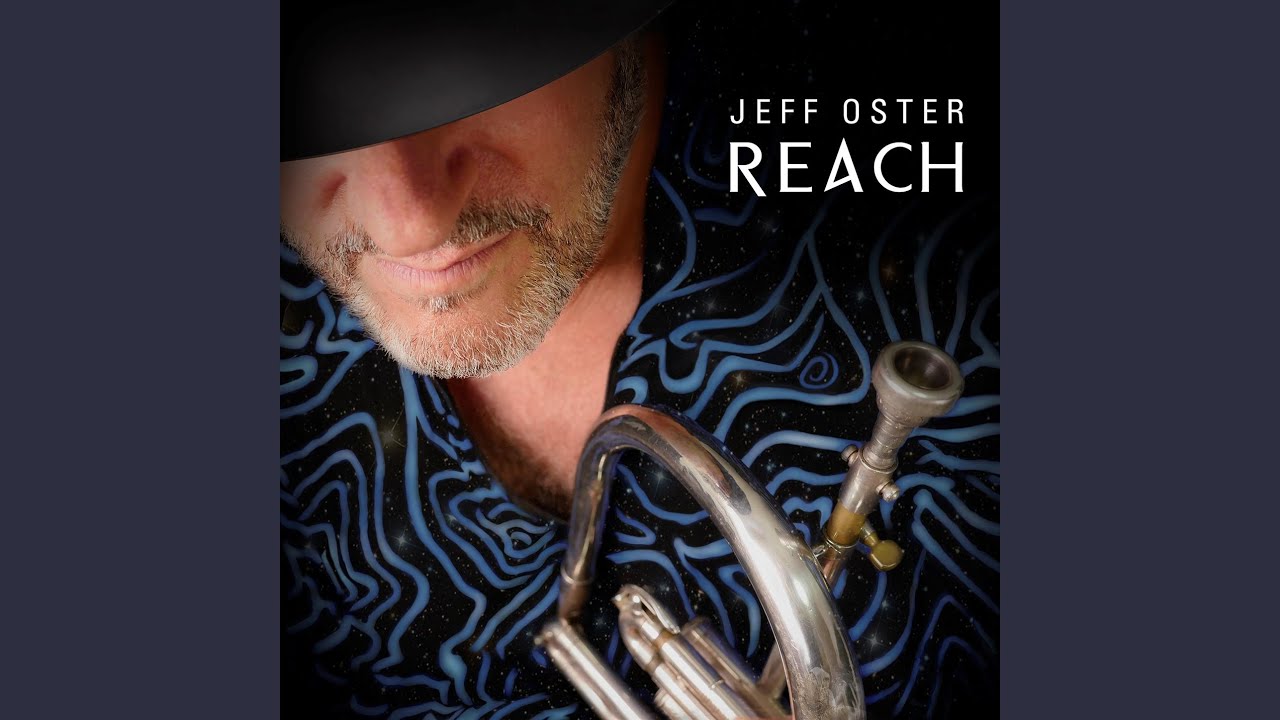
Brothers is a quiet acoustic record made by three musicians who have spent years trading ideas in the studio, and the 38-minute video collection that gathers every film made from it is the most direct way into its world. Released July 30, 2021, the album puts Will Ackerman's acoustic guitar at its center, sets Jeff Oster's flugelhorn and trumpet against it, and lets Tom Eaton build textures on piano, keyboards, percussion and electric, acoustic and bass guitars. The album's own notes describe it as a record that "will remind you of the finest of the Windham Hill releases," and the connection is literal: Ackerman founded Windham Hill Records. What follows explains how the record is built, why its lineage matters to listeners, and how to get the most out of a collection of videos made from music that was conceived as one continuous statement.
Start with the guitar, because everything else is arranged around it. In instrumental acoustic music, the guitar is rarely just a rhythm instrument. It carries melody, harmony and pulse at once, and the player's touch, the attack of each string and the decay after it, becomes the emotional content of a piece. On Brothers, Ackerman's acoustic guitar is the anchor that tells you where the music is, and the other players orbit it rather than compete with it.
Oster's flugelhorn is the first thing that separates this record from a standard guitar album. The flugelhorn is a close cousin of the trumpet, but it has a wider, more conical bore, which gives it a rounder, darker and softer voice. Players reach for it when they want warmth without brightness. A trumpet can cut through a room; a flugelhorn tends to hover in it. That quality suits an album built on patience, and it explains why Oster's playing reads as a second voice in a conversation rather than a lead line stepping forward. The album's notes call his sound "signature and soulful," a description that fits the instrument's character.
Eaton's role is harder to name and easier to hear. The album credits him with "textural artistry," and the word is precise. A textural player is less concerned with the melody than with the surface underneath it: the wash of a keyboard pad, the pulse of percussion held just below the threshold of attention, the low bass line that tells you the harmony has shifted before you consciously notice. Where a band might divide the song into verse and chorus, a textural approach lets the sound change gradually, so the listener is inside a room that is slowly being repainted.
This is why the record is worth hearing as a whole rather than a set of separate tracks. Each instrument is doing a different job, and the balance between them is the arrangement. When the guitar steps forward, the keyboards recede. When the flugelhorn enters, the texture thins to give it space. Musicians call this kind of mixing restraint, and it is the difference between an album that sounds like a room and one that sounds like a set of tracks.
The description leans hard on the Windham Hill connection, and it is worth taking seriously. The album's notes say it "comes by its pedigree rightly, as Will Ackerman is the founder of Windham Hill Records." For a listener, pedigree in this context is less about prestige than about a shared sensibility: acoustic instrumental music that values space, clarity and the sound of real instruments played in real rooms. The label's name has long been a shorthand for that kind of recording, and the album's marketing is clear that it wants listeners to hear the lineage.
What is useful to take from that is a way of listening. Music in this tradition rewards attention to small things: the way a note is allowed to fade, the silence between phrases, the sense that nobody is hurrying. If you come to Brothers expecting a high-energy set, you will hear it as slow. If you come to it expecting space, the same material opens up. The record is built for the second kind of listener, and its three players seem to have made their choices with that listener in mind.
The title is the most personal part of the project, and the album's notes give it real weight. Each of the three players wrote a short statement that appears alongside the music, and together they explain the choice of name. Ackerman's words are the most direct:
"This album is entitled Brothers for good reasons. Tom Eaton is my closest partner in music making… my own and the music of others that we produce. I trust him and marvel at his myriad talents and kindnesses. Jeff Oster is the best friend my life was missing for many years."
Oster's own note, printed in the same material, frames the record as something close to a promise kept over time: "Lifelong love. There for each other no matter what." Eaton's statement adds the detail that makes the title more than sentiment. "The title almost says it all," he wrote. "There is no doubt that we are Brothers, but for me the most important part is that we chose each other." He describes making music with these two players "so many times together, in so many different configurations," and says that turning their energies toward each other revealed "an even deeper bond, and a true collective voice."
That phrase, collective voice, is the key to the record. Three players who have worked together in many combinations can easily fall into familiar roles. Brothers asks them to set those roles aside and listen to what the group sounds like when no one is leading. The result is less a showcase for any one instrument than a single sound made from three sources, and that is harder to achieve than it looks.
The collection format changes the experience. Rather than hearing the album front to back in one sitting, you are watching music that was made to be seen as well as heard. The video collection runs 38 minutes, and it is the closest thing to a live room the record offers. Watching the players gives you cues the audio alone cannot: where the breath goes before the flugelhorn enters, how Eaton moves between instruments, the stillness of Ackerman's hands on the guitar.
A practical approach is to listen once with the video and once without. The first pass lets you see how the three players divide the work. The second lets the textures take over, which is where the album's subtler choices become audible. The description suggests the record suits "acoustic, New Age, and early morning and late evening chill" playlists, and that is a fair use case, but it undersells the attention the music rewards. Like most good instrumental work, it sounds like background until you lean in, and then it becomes foreground.
The album's appeal, in the end, is its honesty about what it is. It does not pretend to be a grand statement or a genre experiment. It is three musicians who have known each other a long time, making quiet music together and saying so plainly. That plainness is rarer than it sounds, and it is what gives the record its warmth.
If the album has caught your ear, start with the full recording at the album's listening page and then return to the video collection to watch how the three players shape each piece. Listen for the flugelhorn's round tone against Ackerman's guitar, and notice how Eaton's textures shift beneath both. If you want to go deeper into the lineage, Windham Hill's catalog is the natural next step, since the album's own notes present it as a continuation of that tradition. And if you are a player yourself, the record is a useful study in restraint: the most affecting moments here come from what the three musicians choose not to play.